Film Permits in Nepal for International Productions
Permit planning, document review and local coordination for foreign feature films, documentaries, TV series, and commercials across Nepal.
Productions & brands our team has supported in Nepal
- Astronaut Films
- BBC Earth
- Bloomberg
- Bonaparte
- Channel News Asia
- France TV
- Garmin
- HBO Max
- Image Base
- Innovative Immersions
- International Lions Club
- Malaysian Airlines
- Meridian Line Films
- Mike Beech Films
- Monster Films
- NBC Sports
- Netflix
- Endemol Shine
- The North Face
- Novo Nordisk
- Papaya Films
- Sounds True
- Spiegel TV
- The Amazing Race
- The Body Shop
- TLC
- Tremolo
- Unilever
- Warner Bros
- Wild Space Productions
Support for every kind of production
Most productions arriving from outside Nepal benefit from structured preparation before they approach any authority. Choose your production type to see what applies.
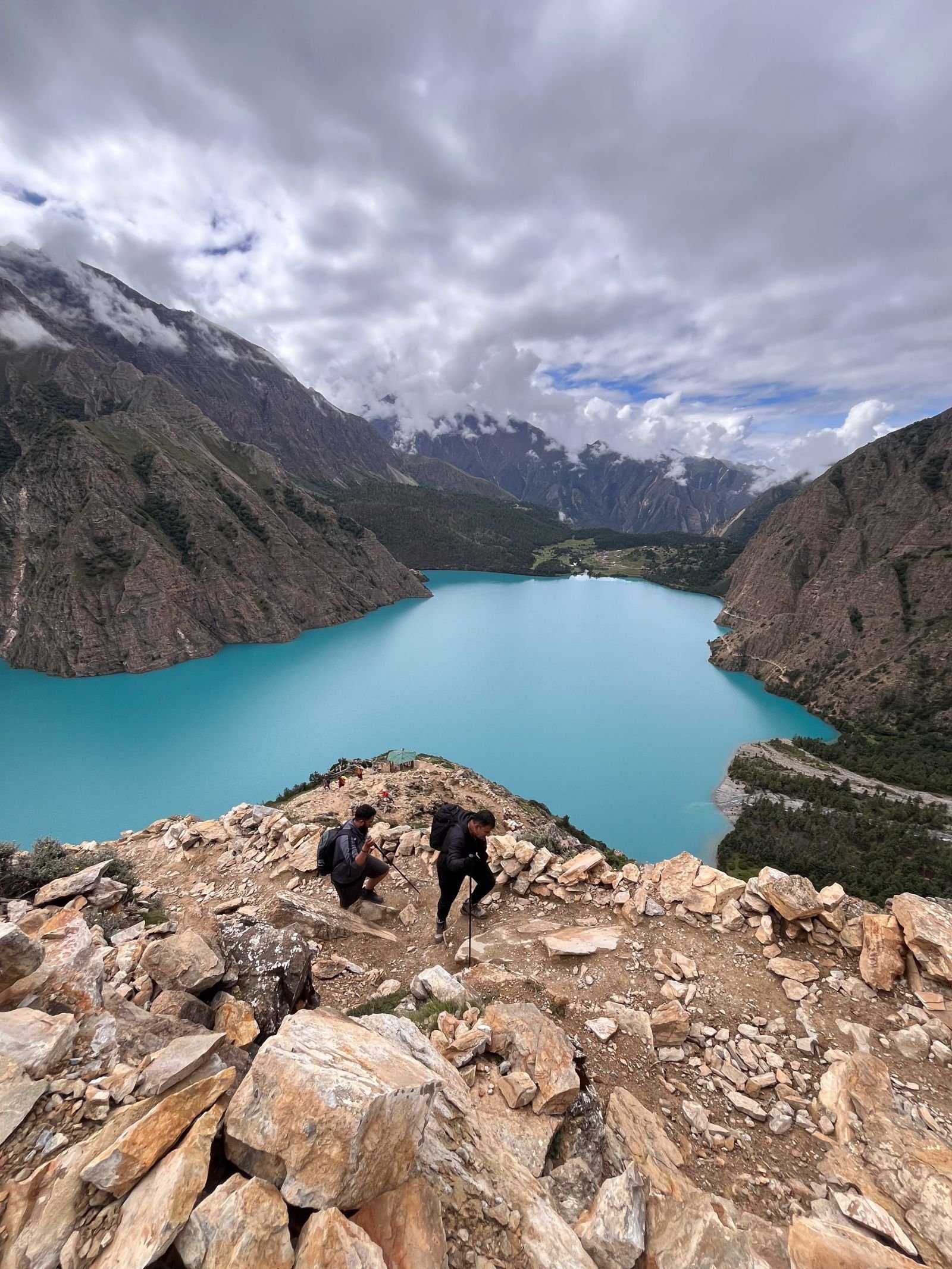 Documentary
Editorial and factual projects, sensitive subjects and contributor interviews.
Learn more
Documentary
Documentary
Editorial and factual projects, sensitive subjects and contributor interviews.
Learn more
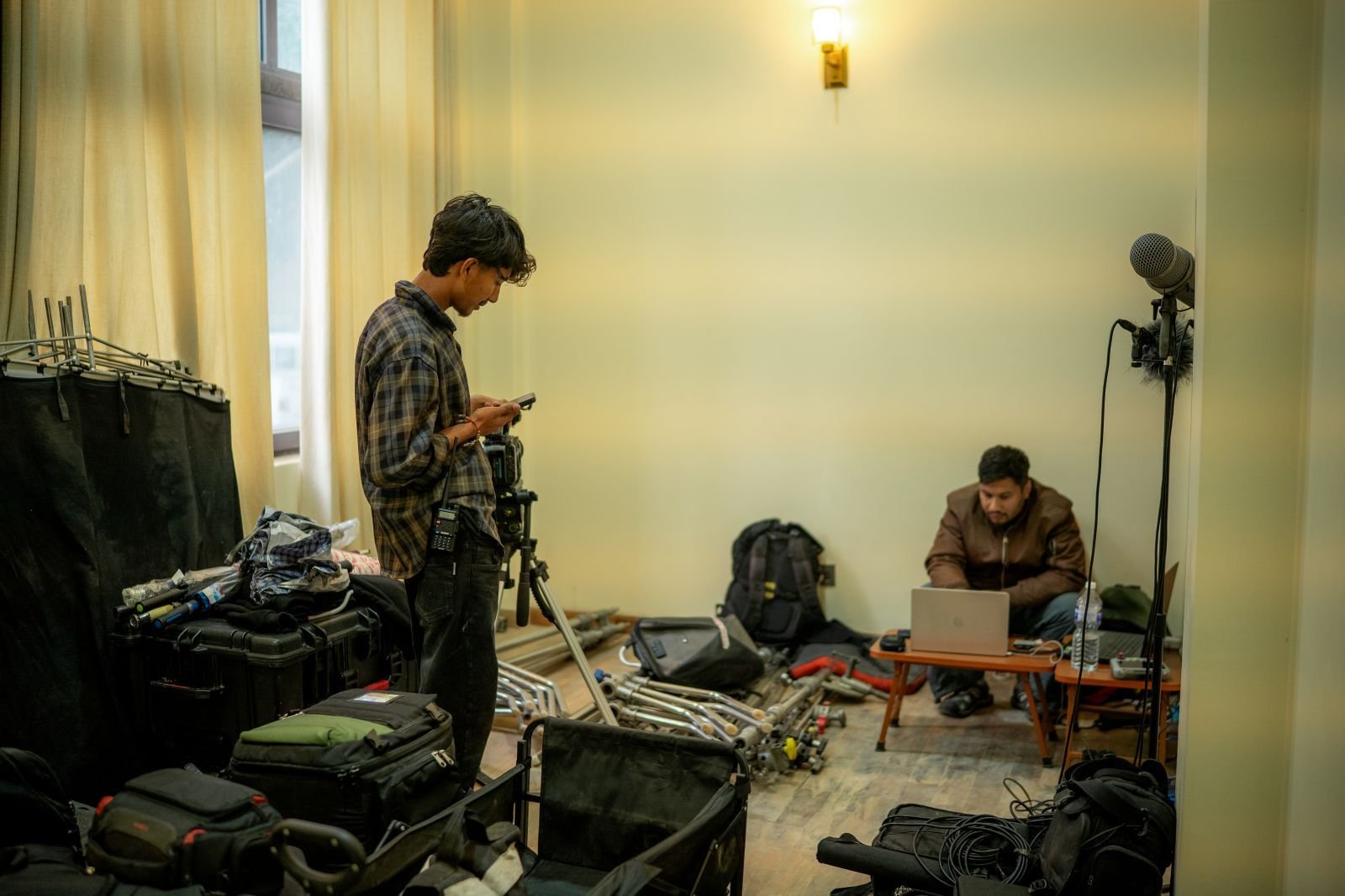 Feature Film
Scripted productions, cast and crew, multiple locations and authorities.
Learn more
Feature Film
Feature Film
Scripted productions, cast and crew, multiple locations and authorities.
Learn more
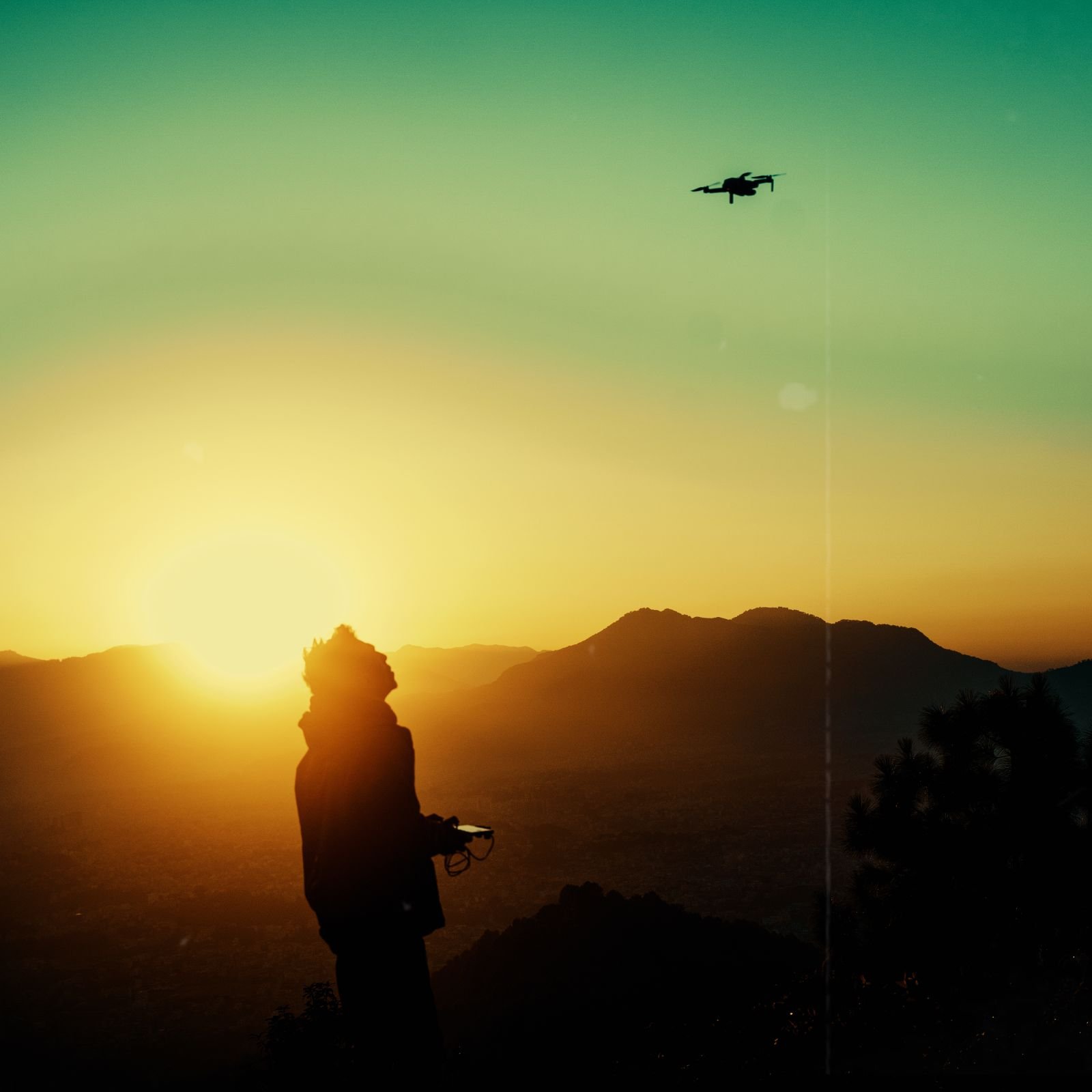 Television & Factual
Series, single episodes, presenters and fast schedules.
Learn more
Television & Factual
Television & Factual
Series, single episodes, presenters and fast schedules.
Learn more
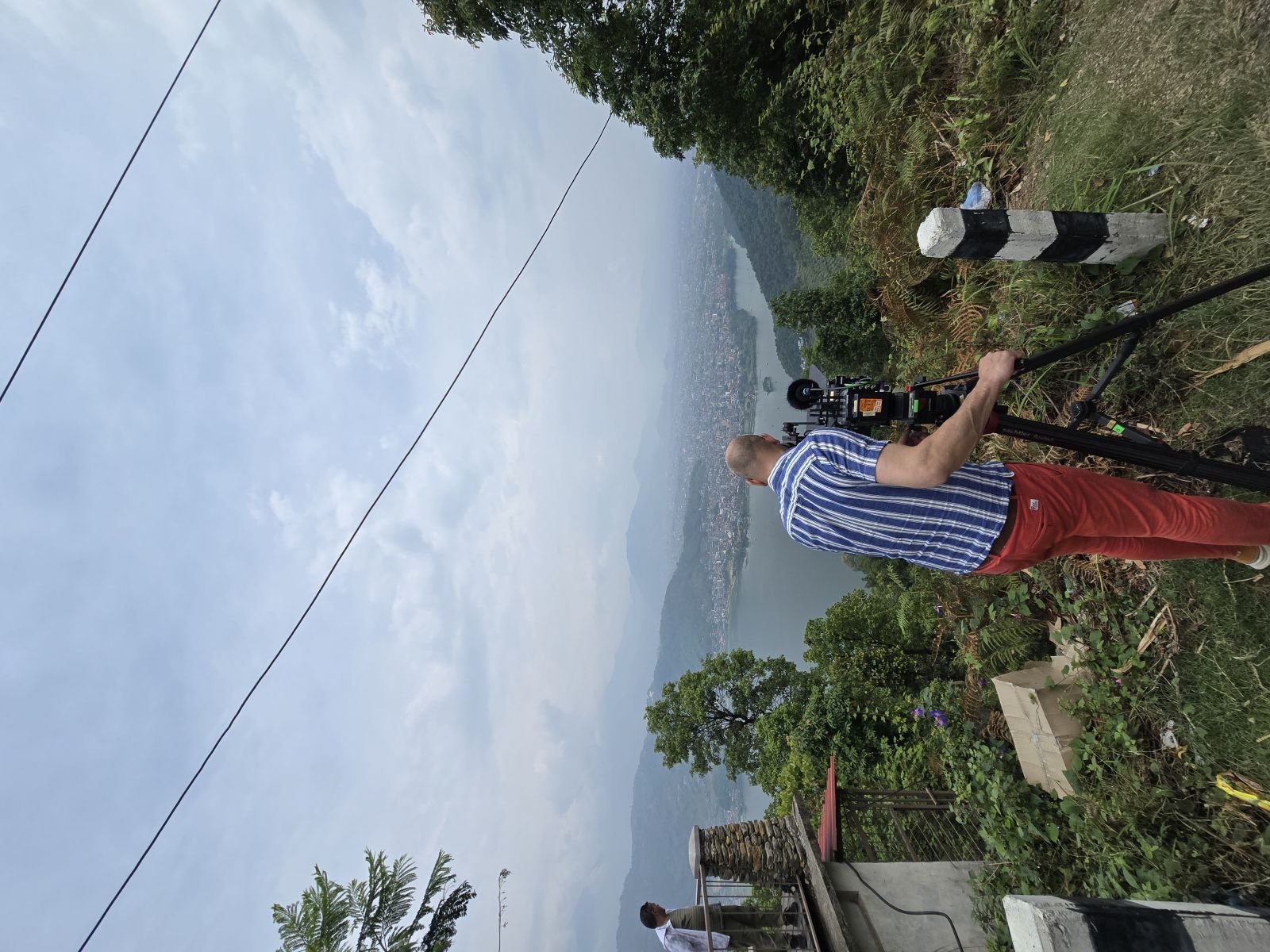 Commercial & Advertising
Brand, agency and client-led shoots with usage and releases.
Learn more
Commercial & Advertising
Commercial & Advertising
Brand, agency and client-led shoots with usage and releases.
Learn more
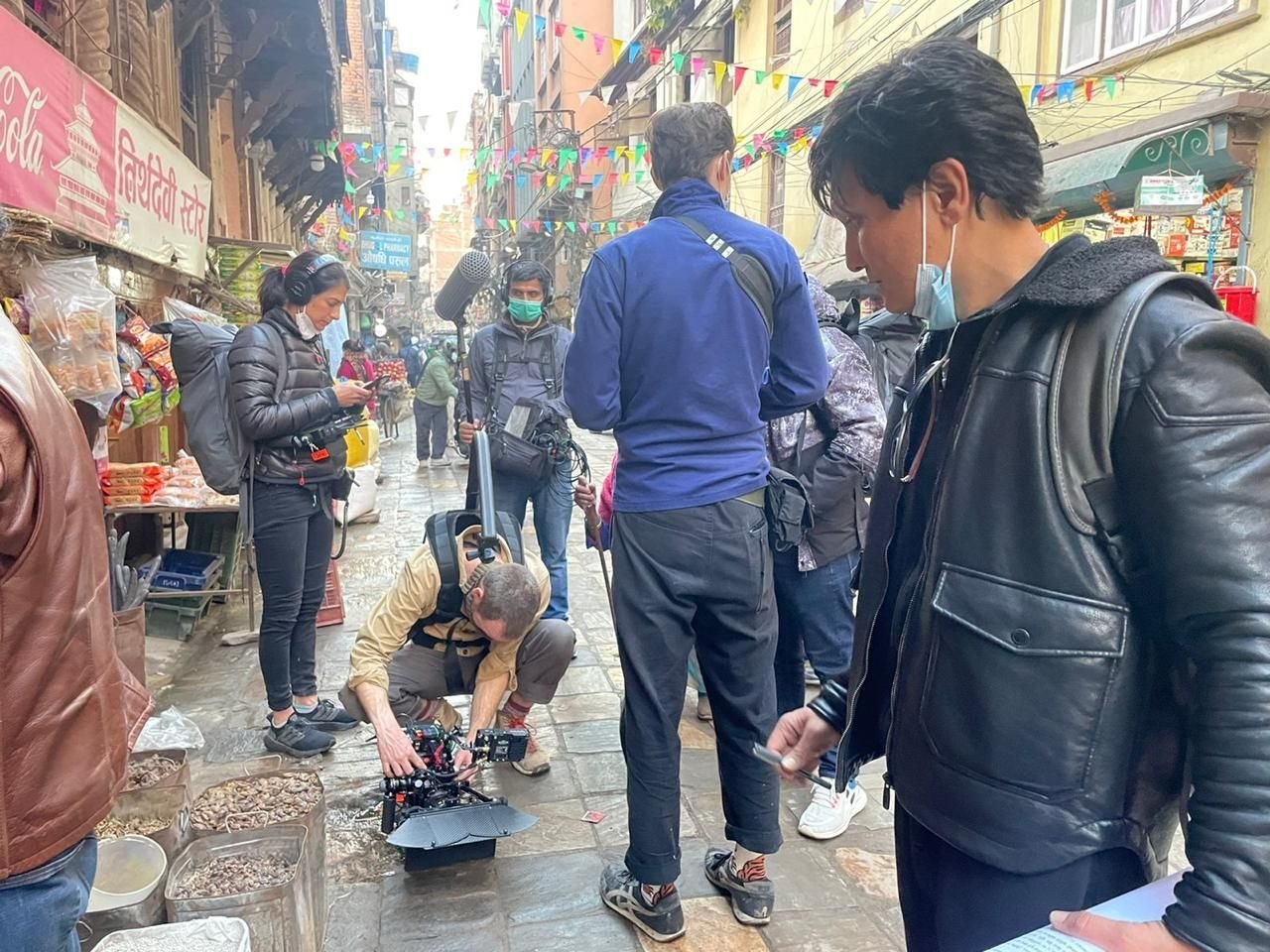 Music Video
Performance, concept and location-led productions.
Learn more
Music Video
Music Video
Performance, concept and location-led productions.
Learn more
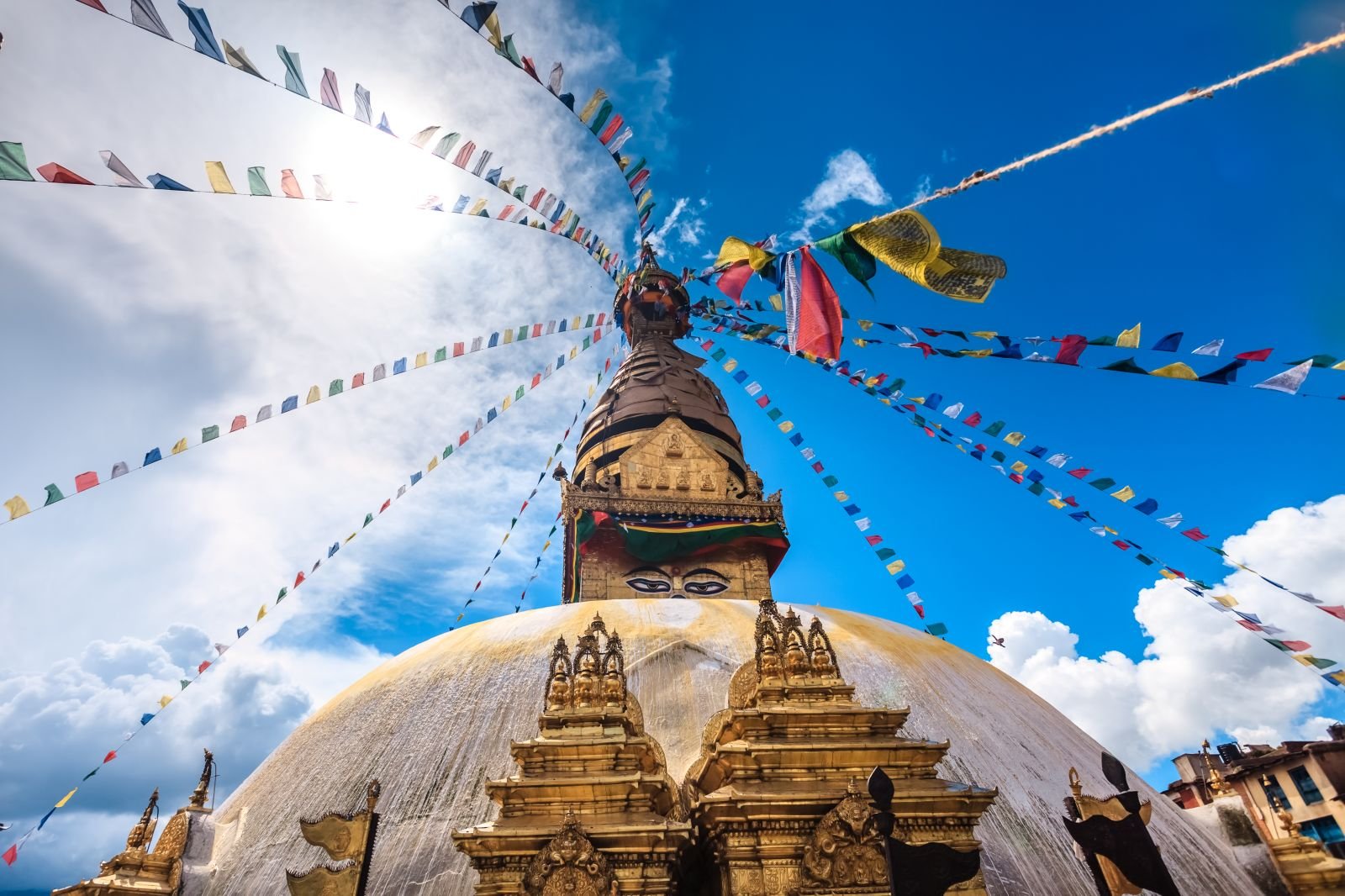 Photography
Commercial, editorial, fashion and architecture.
Learn more
Photography
Photography
Commercial, editorial, fashion and architecture.
Learn more
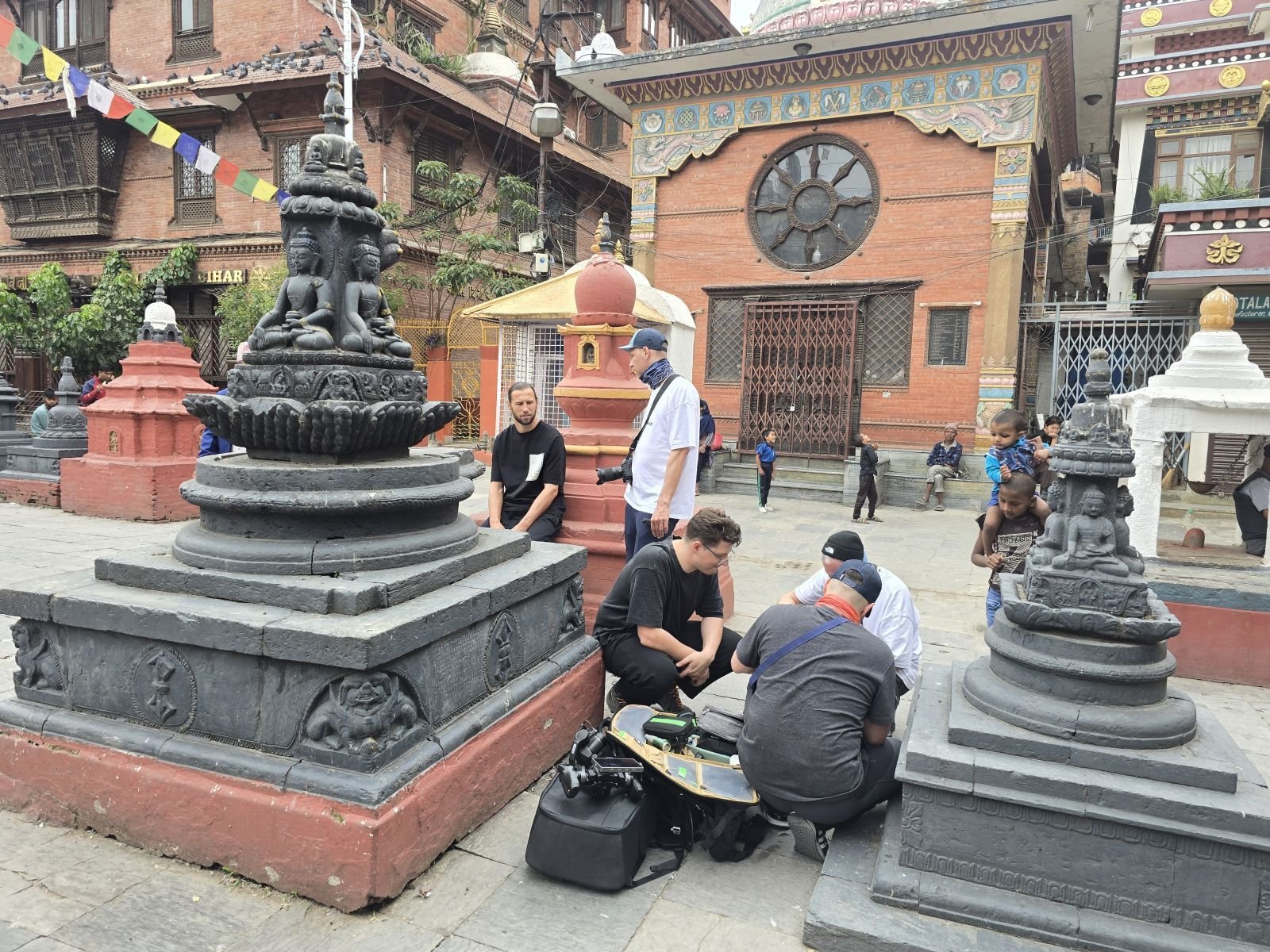 News & Journalism
Foreign media teams, assignments and accreditation dependencies.
Learn more
News & Journalism
News & Journalism
Foreign media teams, assignments and accreditation dependencies.
Learn more
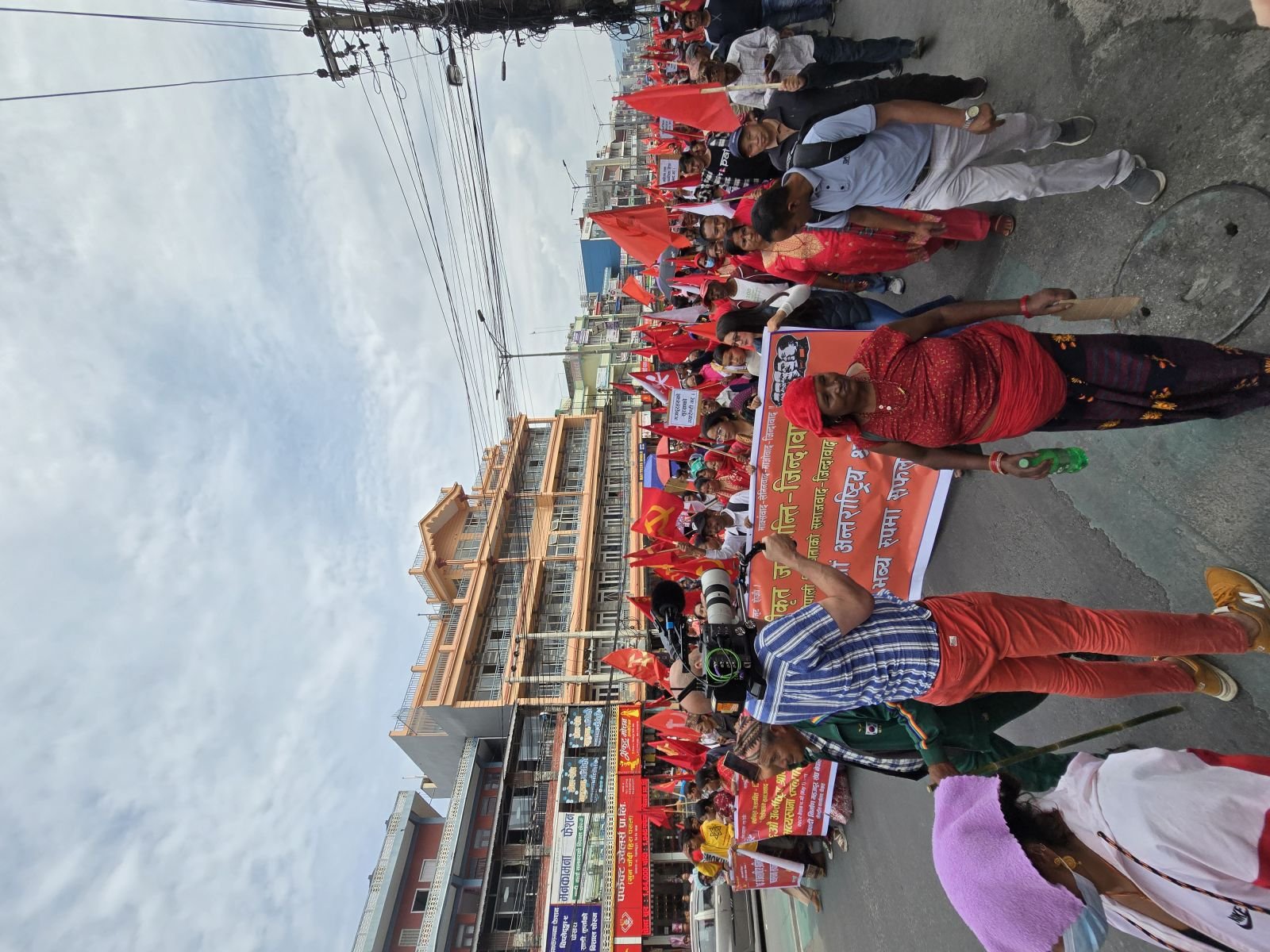 NGO & Institutional
Commissioned and funded institutional productions.
Learn more
NGO & Institutional
NGO & Institutional
Commissioned and funded institutional productions.
Learn more
From a single permit to a full multi-authority production
We map the pathway to your specific production and coordinate the pieces most foreign crews find hardest, documents, local authorisation, drone, protected areas and customs.
Check your permit readiness
Answer a few questions to see which permit categories to review and what information is still needed. It is a planning aid, not a legal decision.
Fewer surprises, a cleaner application
- Source-backed guidanceWe work from primary sources and confirm current requirements rather than guessing.
- A named local coordinatorYou work with a consistent point of contact, not a queue.
- Document gap reviewWe check what you have and flag gaps before you approach any authority.
- Secure handlingYour documents are stored privately and shared only through signed, logged links.
A clear path from enquiry to decision
Tell us your plan
Share your production, locations, crew, equipment and dates through the secure form.
Get a gap review
We review what you have, identify the documents you still need, and map the applicable route.
We prepare & coordinate
We prepare the application, coordinate submission and additional permissions, and handle clarifications.
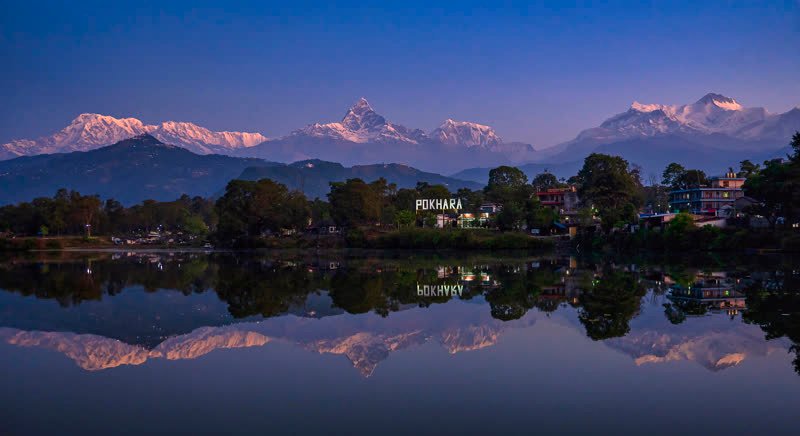
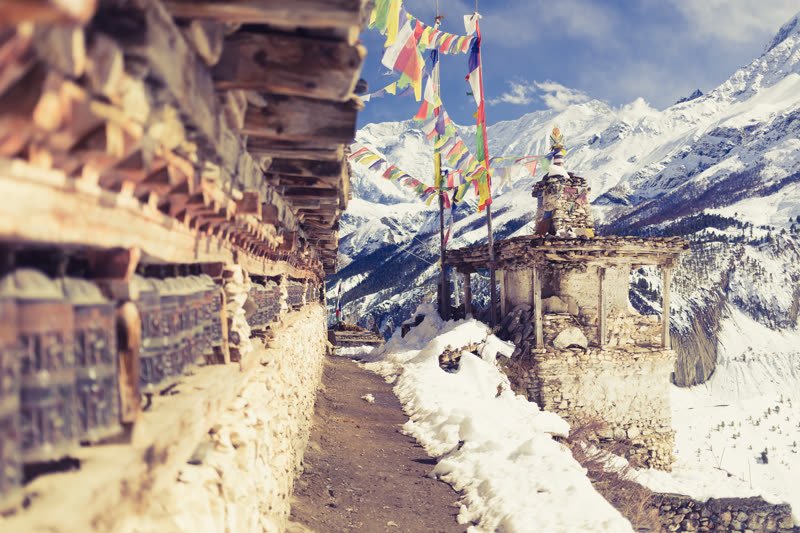
Filming locations we plan permissions for
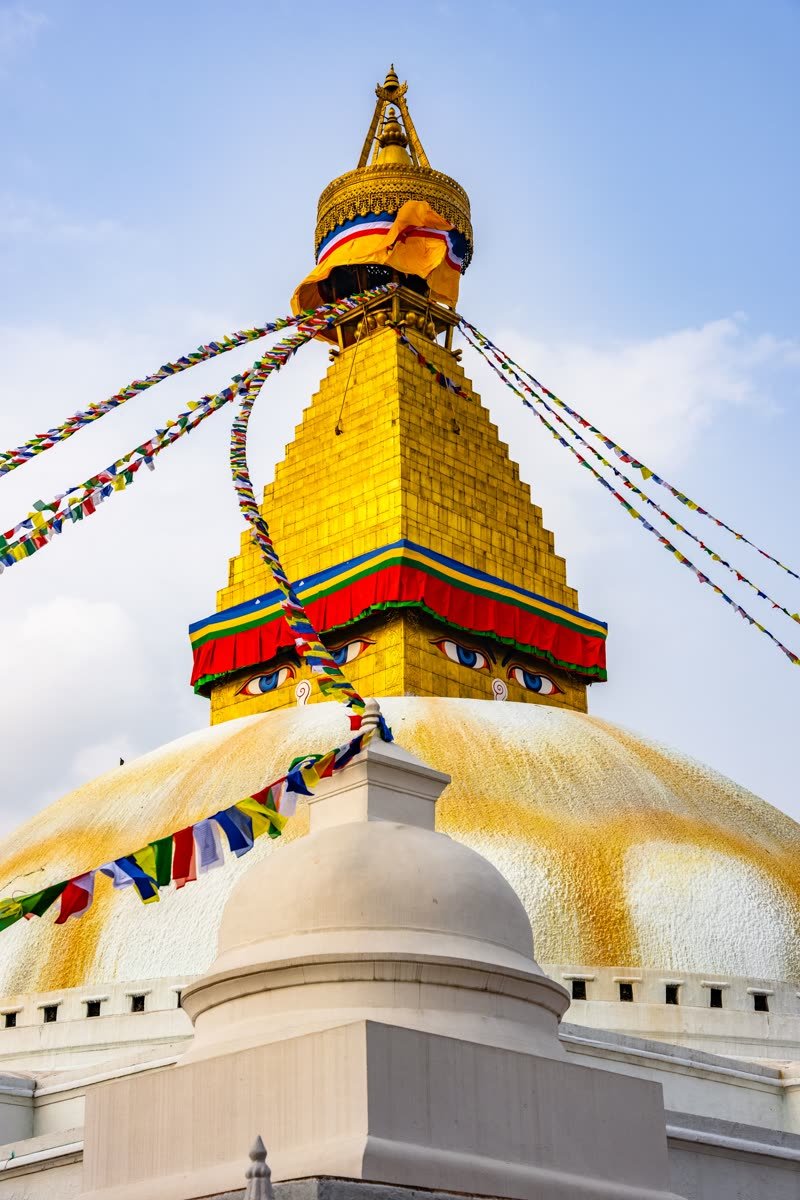
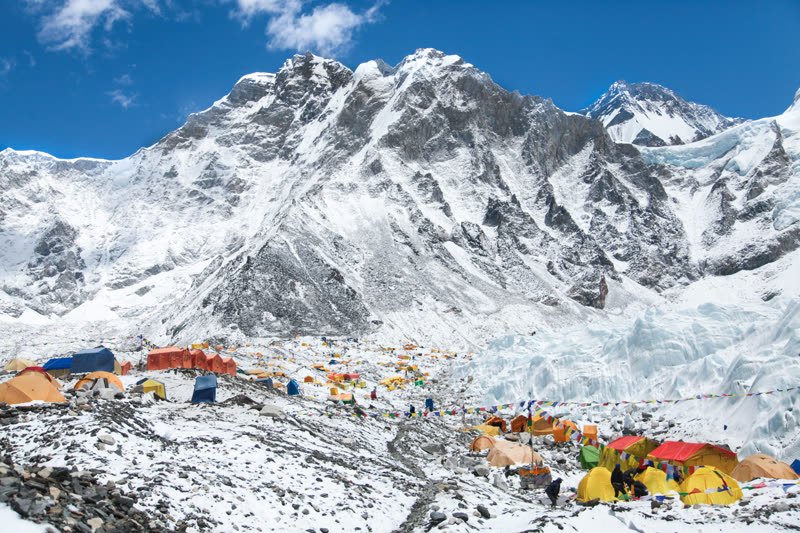
Protected areas, heritage and religious sites, restricted regions and public spaces each carry their own permissions. We plan them alongside your main permit.
Permit support for every kind of organisation
Production companies
Foreign feature, factual and commercial production houses shooting in Nepal.
Broadcasters
Networks and channels running series, factual and travel formats.
Documentary teams
Independent and commissioned documentary crews, including sensitive subjects.
News & media
Foreign media teams and journalists on assignment.
Agencies & brands
Advertising and content teams with usage, releases and location needs.
NGOs & institutions
Commissioned institutional productions with consent and confidentiality needs.
Compliance, transparency & document security
Independent & clear
We are a private service, not a government office, and we never imply otherwise.
Source-backed
Regulatory guidance is tied to current sources and review dates, not memory.
Secure documents
Uploads are stored privately with signed, logged, expiring access links.
Honest limits
We explain what the service does not guarantee, approval, timing or access.
What shapes your permit cost and timeline
There is no single fixed price or duration. Government fees are confirmed against current official sources during your review. These are the factors that move both.
Film permit questions, answered plainly
Straight answers about who issues permits, what productions need, and what we do and do not do.
No. We are an independent, privately operated production-support service. Permits are issued by the relevant authority, not by us.
No one can guarantee approval, timing or location access. We help you prepare a complete, well-organised application to reduce avoidable delays.
Which authority applies depends on your locations and activities, and some productions involve more than one. We confirm the applicable route during your review.
Fees vary by project and are confirmed against current official sources during your review. We do not quote figures we have not verified.
Drone flight permission is planned separately and is not automatically part of a main film permit.
Our focus is permit application support. On-the-ground logistics, crew and fixing are handled by our partner service, Hire Fixer in Nepal.
A complete guide to film permits in Nepal
Everything a foreign production should understand before applying: who needs support, the general pathway, the documents involved, and how our review and coordination service works.
Who needs permit support in Nepal
Most international productions filming in Nepal benefit from some level of permit support, but the depth of support varies widely. At one end are large productions with drones, imported equipment, road or crowd control, heritage locations, and multi-region schedules. These projects almost always need structured coordination because they touch several different offices and permission types at once. At the other end are small crews, solo documentary makers, and self-shooting journalists whose needs may be narrower but who still have to get the basic paperwork right and understand where the boundaries lie.
You are likely to need support if your production is registered outside Nepal, if you plan to bring crew or equipment across the border, if any of your locations are protected, heritage, religious, or restricted, or if you intend to fly a drone. You are also a strong candidate for support if your schedule is tight, because permission timelines depend on factors outside any single party's control, and a well-prepared application reduces the risk of avoidable back-and-forth.
Productions that most commonly reach out include feature films and international co-productions, television and factual series, commercials and brand films, music videos, stills campaigns, documentaries across the editorial spectrum, journalism and news assignments, and NGO or institutional projects. Each of these carries its own considerations. A commercial with talent releases and product visibility raises different questions from a wildlife documentary in a protected area, which in turn differs from a news crew working to a fast turnaround.
- Foreign-registered productions bringing crew or equipment into Nepal
- Any project involving drones, heritage sites, protected areas, or restricted zones
- Productions on tight schedules where a clean first submission matters
- Crews unfamiliar with local offices, languages, and document expectations
- Projects with talent releases, road or crowd control, or imported gear
What Film Permits Nepal is, and what it is not
It is important to be completely clear about our role, because the film-permit space attracts a lot of vague claims. Film Permits Nepal is an independent private company that provides production-support services. We are a coordination and documentation partner, not a public authority. We do not have the power to grant, guarantee, or expedite any official approval, and we will never present ourselves as if we do.
What we are is a team that understands how filming applications are typically assembled and presented, that can help you gather and format the right materials, that can translate documents into a consistent standard, and that can act as a local point of contact with offices during the process. We reduce friction, catch gaps before they become problems, and keep your paperwork organised and traceable. That is genuinely valuable, but it is support, not authority.
What we are not: we are not a government department, we are not the office that issues film permits, and we are not able to promise a specific outcome, a specific fee, a specific processing time, drone clearance, location access, or customs release. Any party that guarantees those things should be treated with caution, because the decisions rest with the relevant offices and depend on your specific project.
We also do not replace your own legal, insurance, or tax advisers. For questions that require professional legal or financial advice, we will tell you plainly that you need a qualified specialist. Our value is in preparation, coordination, and clear communication, and we would rather set honest expectations than overstate what any support service can deliver.
- Independent private company, not a government office or permit issuer
- Prepares, reviews, and coordinates filming paperwork on your behalf
- Cannot guarantee approval, timing, fees, drone clearance, or customs release
- Refers you to qualified legal, insurance, or tax specialists where needed
The general permit pathway for foreign productions
While the exact steps depend on your project, most foreign productions move through a recognisable sequence. Understanding this pathway helps you see where preparation pays off and where dependencies sit outside anyone's direct control.
The process usually begins with defining the production: what you are making, who is involved, where you want to film, when, and using what equipment. This information shapes everything that follows, because the applicable permissions flow directly from your activities and locations. A clear, honest project description is the single most useful thing you can bring to the table early.
From there, the typical flow is to identify which permissions apply, assemble the supporting documents, prepare and format the application materials, and submit them to the relevant office. Depending on your locations and activities, additional permissions may branch off the main application, for example for protected areas, heritage sites, or drone operations. These branches often involve different offices and their own documents, and they can run in parallel with, or after, the main process.
Once an application is submitted, there is usually a period during which the office may ask for clarification or additional material. Responding quickly and completely here matters a great deal. After a decision is issued, the records need to be handled carefully, kept accessible for the shoot, and updated if anything about the production changes. Which authority applies to any given step depends on your specific locations and activities, and the current details are confirmed against official sources during your review rather than assumed in advance.
- Define the production: story, people, locations, dates, and equipment
- Identify which permissions apply based on activities and locations
- Assemble, format, and submit the supporting documents
- Handle clarification requests and any parallel permission branches
- Manage decision records and update them if the production changes
The role of a local coordinator
Foreign productions almost always work with a local point of contact in Nepal, and this role is central to how filming paperwork gets handled well. A local coordinator bridges the gap between an overseas production office and the offices, customs, languages, and practical realities on the ground. Even the most experienced international producer benefits from someone who can navigate local processes day to day.
In practical terms, a local coordinator helps interpret what a given office expects, keeps track of where each part of the paperwork stands, arranges document collection and translation, and maintains communication in local languages. When a clarification request arrives, the coordinator can respond promptly instead of the production losing days to time-zone gaps and translation delays. When a schedule shifts, the coordinator can flag which permissions are affected.
The coordinator role also matters for credibility. Applications are taken more seriously when they arrive complete, correctly formatted, and accompanied by a reliable local contact who can answer questions. This is not about influence or shortcuts, which we neither offer nor endorse. It is about presenting a professional, well-organised submission and being reachable and responsive throughout.
Our service performs many coordinator functions on the documentation and permissions side. We do not replace the wider production-services role that a full local fixer or line producer provides, such as crewing, transport, or on-set logistics, and where your project needs those services we are happy to be one part of a larger local team. What we focus on is making sure the permission paperwork is right, complete, and coordinated with the relevant offices.
- Bridges overseas production offices with local offices and languages
- Tracks the status of each document and permission branch
- Responds quickly to clarification requests during review
- Keeps applications professional, complete, and well presented
Main document groups: producer and company records
Foreign productions typically prepare several distinct groups of documents, and the first group concerns the production entity itself. Offices generally want to understand who is behind the project, that the production is a legitimate organisation, and who is authorised to act on its behalf. The specific items requested depend on the office and the project, but the categories below are broadly what a foreign production should expect to assemble.
Company and production records usually establish the identity and standing of the production company. This can include company registration or incorporation documents, contact details, and information about the responsible producers. Where a local partner or coordinator is involved, their details and the nature of the working relationship are often part of this group as well.
Authorisation documents typically confirm who may represent the production in dealings with offices and who is empowered to sign application materials. A clear line of authority avoids confusion later, particularly on larger productions where several people communicate with different parties.
Project and creative materials describe what you are actually making. Depending on the production type, this may include a synopsis, treatment, script or outline, shot intentions, and a description of the subject matter. For sensitive or documentary subjects, a clear and honest description of editorial purpose is especially important, because it helps offices understand the nature of the work.
The precise format, language, and certification expected for each item is confirmed during your review against current requirements. Rather than assume a fixed checklist applies to every project, we tailor the document set to your production type, your locations, and your activities, and we flag early which items are likely to need translation or formal certification.
- Company and production identity records
- Authorisation confirming who may represent and sign for the production
- Project and creative materials describing what you are making
- Clear description of editorial purpose for sensitive or documentary work
Crew and personnel documents
The people on your production form another major document group. Offices generally want a clear picture of who is coming, in what role, and for how long. This is true whether you are a two-person documentary crew or a large feature unit, though the volume of paperwork obviously scales with the size of the team.
Crew records typically identify each member of the production by name, role, and nationality, and often include passport or identity details and relevant travel information. The exact fields expected depend on the office and the nature of your visit, so it is worth building a clean, complete crew list early and keeping it updated as the team firms up. Late changes to crew are common in production, and a well-maintained list makes those changes far easier to reflect in the paperwork.
Contributors and on-camera participants may form a related but separate category, especially for documentary, journalism, and factual work. Where individuals appear on camera, questions of consent and, for some projects, contributor protection arise. For projects involving minors, vulnerable people, or sensitive subjects, consent and safeguarding considerations deserve particular care, and we will flag these clearly during your review.
Roles and responsibilities also matter. Knowing who your key personnel are, and who is authorised to make decisions or sign documents, helps keep communication clean during the permission process. On larger productions, we often help set up a simple map of who is responsible for what, so that clarification requests reach the right person quickly.
As with all document groups, the specific identity, travel, and consent requirements depend on your project and are confirmed against current official sources during preparation. We will not assert a fixed list of required personal documents, because the correct set depends on your crew composition, nationalities, and the nature of your filming.
- Complete crew list with names, roles, and nationalities
- Identity and relevant travel information as required
- Contributor and on-camera participant records where applicable
- Consent and safeguarding care for minors and sensitive subjects
- A clear map of who is authorised to act and sign
Equipment and technical records
Productions bringing camera, lighting, grip, and other technical equipment into Nepal need to account for that equipment carefully. Equipment records serve several purposes: they help the production track its own gear, they support customs processes at the border, and they may form part of certain permission applications. A precise, well-structured equipment list is one of the most valuable documents a foreign production can prepare, and one of the most commonly rushed.
A good equipment list typically identifies each significant item, its purpose, and ownership or rental status, along with values and other identifying details. The level of detail expected depends on the nature of the equipment and the processes involved. Professional camera packages, specialist gear, and high-value items generally warrant more thorough documentation than everyday consumables.
Certain categories deserve special attention. Batteries, particularly larger lithium batteries, and any radio or wireless equipment can carry their own considerations for import and transport. Drones are a category of their own and trigger a separate set of questions covered elsewhere on this page. If your kit includes anything unusual, it is far better to flag it early than to discover a complication at the border.
Import and re-export are two sides of the same process. Equipment brought in for a shoot is generally expected to leave again, and keeping clean records of what came in supports a smoother departure. The specific customs procedures, any applicable charges, and the documentation required are matters we help you prepare for, but the actual clearance decisions and any duties rest with the customs process and depend on current rules. For complex or high-value shipments, a specialist customs agent is often involved, and we can help coordinate with one rather than overstate what a support service alone can achieve.
- Itemised list with purpose, ownership or rental status, and values
- Special attention to batteries and radio or wireless equipment
- Records that support both import and later re-export
- Early flagging of unusual, specialist, or high-value items
- Coordination with a customs specialist for complex shipments
Additional permission triggers
Beyond the main filming application, a range of activities and locations can trigger additional permissions. Recognising these triggers early is one of the most important parts of planning, because each one can add its own office, its own documents, and its own lead time to your project. The presence of a trigger does not mean filming is impossible; it means an extra step needs to be planned for honestly.
Drones are among the most common triggers. Aerial filming generally involves separate considerations relating to the aircraft, the operator, and the airspace, and proximity to airports, protected areas, and heritage or sensitive locations all affect what is possible. We never promise drone permission, because it depends on factors outside any support service's control, but we help you understand what a drone request typically involves and prepare accordingly.
Protected areas, including national parks and conservation areas, frequently involve location-specific permissions layered on top of the main film application. Wildlife and environmental safeguards, restricted activities, and guide or liaison requirements can all apply, and entry or filming charges may be involved. Heritage and religious sites raise their own custodian permissions, physical restrictions, and cultural protocols that deserve respectful, careful handling.
Other triggers include filming in public spaces with crowd or traffic implications, road closures, private property requiring owner consent, and restricted or border-sensitive areas that may carry additional travel or access considerations. Each trigger is worth identifying at the planning stage rather than discovering mid-shoot.
- Drone and aerial filming, with airspace and proximity considerations
- National parks and conservation areas with location-specific permissions
- Heritage and religious sites with custodian permissions and protocols
- Public-space filming involving crowds, traffic, or road control
- Restricted or border-sensitive areas with additional access considerations
Considerations by production type
Different kinds of production carry different permission profiles, and understanding where your project sits helps you anticipate what to prepare. The categories below are illustrative rather than exhaustive, and many productions combine elements of several.
Feature films and scripted projects tend to be document-heavy. They often involve larger crews, sets or construction, public-space or road control, and sometimes drones and imported equipment across multiple regions. Planning across several offices and permission branches is common, and lead time matters.
Television and factual series frequently film across many locations, sometimes as recurring visits, and often work faster than scripted features. Presenters and contributors, translation needs, and location variety shape the paperwork. Commercials and brand films raise questions of talent releases, product visibility, usage rights, and often tight, high-value schedules where a clean process is worth a great deal.
Documentaries span a wide editorial range. Their considerations centre on subject matter, contributors and interviews, sensitive topics, research-driven locations, and often a need for flexibility as the story develops. Journalism and news assignments typically work to fast turnarounds and may depend on accreditation processes, with source protection and safety boundaries mattering greatly. Music videos, stills campaigns, and photography projects each bring their own mix of performance, crowd, location, and usage questions.
NGO and institutional projects often involve commissioning organisations, beneficiaries and contributors, sensitive or humanitarian contexts, and heightened consent and confidentiality considerations. Whatever your production type, the applicable permissions ultimately depend on your specific activities and locations, and we tailor the preparation to your project rather than applying a generic template. The point of thinking in categories is to surface the right questions early, not to assume a fixed answer.
- Feature and scripted: larger crews, sets, road control, multi-region planning
- Television and factual: many locations, presenters, translation, faster pace
- Commercial: talent releases, usage rights, high-value tight schedules
- Documentary and journalism: subjects, contributors, sensitivity, flexibility
- NGO and institutional: commissioners, beneficiaries, consent, confidentiality
How our support service works
Our engagement follows a clear, repeatable process designed to keep your paperwork organised and your expectations realistic at every stage. It begins with an initial review. You send us an outline of your production, and we assess, at a high level, which permissions are likely to apply and what the preparation is likely to involve. This first look helps you plan and helps us understand the scope.
Next comes a structured information request. We ask for the specific details and documents relevant to your project, tailored to your production type, locations, and activities. Rather than sending you a generic mega-checklist, we focus on what your particular project needs, which keeps the work efficient and reduces wasted effort.
With the information in hand, we move to scope definition and document preparation. We review what you have provided, identify gaps, and help assemble, format, and translate the materials to a consistent standard. Where something is missing or unclear, we tell you plainly and explain why it matters. We then coordinate submission with the relevant offices and manage any clarification requests that come back, keeping you informed throughout.
As the process continues, we handle any additional permission branches your project requires, help manage decision records once issued, and support changes if your production shifts. Schedules move, crews change, and locations get added; when that happens, we help you understand which permissions are affected and what needs updating. Throughout, we confirm regulatory specifics against current official sources rather than relying on memory, and we are transparent about what remains outside our control. The goal is a submission that is complete, professional, and traceable, and a client who always knows where things stand.
- Initial review of your production outline and likely requirements
- Tailored information request focused on your specific project
- Document preparation, gap review, translation, and formatting
- Submission coordination and clarification management
- Decision-record handling and support for production changes
Fees and timelines, explained honestly
Two questions come up in almost every first conversation: how much will it cost, and how long will it take. Both deserve honest answers, and the honest answer to each begins with the same word: it depends. We will never quote you a specific official fee or a guaranteed processing time on a general page, because doing so would be misleading. The real figures depend on your project and on current official sources, and they are confirmed during your review.
On cost, it helps to think in terms of separate components rather than a single number. There are the fees charged by the relevant offices and authorities, which vary by permission type and location and are set officially, not by us. There are location or protected-area charges that may apply at specific sites. There may be drone-related charges, and there may be equipment and customs expenses depending on what you bring. Separately, there is our own support fee for the preparation and coordination work. Keeping these components distinct helps you build a realistic budget structure and avoid surprises.
On timelines, the key idea is dependency. Some steps can only begin once earlier steps are complete, and several steps involve offices whose processing times are outside anyone's direct control. Additional permission branches, clarification requests, public holidays, and office closures can all affect the calendar. The single most effective thing you can do to protect your schedule is to start early and submit a complete, well-prepared application, which reduces avoidable back-and-forth.
We help you understand the cost components and the timeline dependencies that apply to your specific project, and we confirm the current figures and processing expectations against official sources. What we will not do is invent a number to win your confidence.
- Cost splits into official fees, location charges, and our support fee
- Official fees are set by the relevant offices, not by us
- Timelines depend on step dependencies and office processing
- Holidays, closures, and clarification requests affect the calendar
- Starting early and submitting complete work protects your schedule
Common mistakes foreign productions make
Over many projects, the same avoidable problems tend to recur. Sharing them here is not a criticism of any production; it is simply the most useful planning guidance we can offer, because knowing the common pitfalls lets you sidestep them.
The most frequent mistake is starting too late. Permission timelines involve dependencies and office processing that cannot be compressed at will, and a production that begins its paperwork close to the shoot date leaves itself no room for clarification or the occasional surprise. Related to this is underestimating the additional permission branches. A drone, a heritage location, or a protected area added late in planning can each introduce a whole extra process, and treating them as afterthoughts is risky.
Incomplete or inconsistent documents are another common issue. Applications that arrive with missing items, mismatched details across documents, or untranslated materials invite clarification requests that cost time. A clean, internally consistent document set that uses the same names, dates, and figures throughout is far more efficient. Equipment lists rushed at the last minute are a particular offender, as are crew lists that keep changing without being properly updated.
Vague or evolving project descriptions cause difficulty too, especially for documentary and sensitive subjects, where a clear and honest statement of editorial purpose matters. Assuming that a permission granted for one activity covers a different activity is a further trap; scope changes generally need to be reflected properly rather than assumed.
Finally, some productions place too much faith in guarantees. Any party promising certain approval, a fixed timeline, or guaranteed drone or customs clearance is overstating what is possible. Realistic planning, early preparation, and honest project descriptions consistently outperform optimistic assumptions.
- Starting the paperwork too late in the schedule
- Treating drones, heritage, and protected areas as afterthoughts
- Submitting incomplete, inconsistent, or untranslated documents
- Vague project descriptions, especially for sensitive subjects
- Assuming one permission covers a different activity or location
Confidentiality and document handling
Productions share sensitive material with us, from unreleased creative concepts to personal details of crew and contributors, and we treat that material with care. Confidentiality is not an afterthought; it is a core part of running a responsible support service, particularly for projects whose subject matter, talent, or timing is commercially or personally sensitive.
In practical terms, we aim to collect only the information that is genuinely needed for the task at hand, to keep it organised and access-controlled, and to be clear with you about how it is stored and for how long. Where documents contain personal data, we handle them with the seriousness that data deserves. For projects with confidentiality concerns, we are happy to discuss handling arrangements before you send anything sensitive.
We are also honest about the limits of any communication channel. Ordinary email, for example, is convenient but not ideally suited to highly sensitive attachments, and we can discuss more appropriate ways to exchange confidential material when that matters for your project. Being upfront about these limitations is part of handling your information responsibly rather than pretending every channel is equally secure.
Retention and deletion matter too. Documents do not need to be kept forever, and a sensible approach keeps material for as long as the work requires and no longer than necessary. If you have specific requirements about how your material is handled, stored, or removed, tell us early and we will work within them where we can. Our commitment is straightforward: to be careful, to be transparent about what we do with your information, and to avoid overclaiming about security. Detailed handling practices are set out in our confidentiality and document-security materials, which we can share on request.
- Collecting only the information the task genuinely requires
- Organised, access-controlled storage of sensitive material
- Honesty about the limits of email and other channels
- Sensible retention and deletion rather than keeping everything
- Willingness to work within your specific confidentiality requirements
What is included and what is not
Setting clear boundaries around any service prevents misunderstandings, so it is worth stating plainly what our support does and does not cover. This clarity protects both sides and keeps the working relationship straightforward.
What our support includes: reviewing your production to identify the permissions likely to apply, requesting and organising the specific documents your project needs, reviewing those documents for gaps and inconsistencies, translating and formatting materials to a consistent standard, preparing application materials, coordinating submission with the relevant offices, managing clarification requests, handling additional permission branches, and supporting you when your production changes. In short, we handle the preparation, coordination, and communication around the paperwork.
What our support does not include: we do not issue permits, we do not decide applications, and we cannot guarantee any outcome, fee, timeline, drone clearance, location access, or customs release. We are not a substitute for legal, insurance, or tax advice, and for those matters we will refer you to qualified specialists. We do not provide wider production services such as crewing, casting, transport, catering, or on-set logistics as part of this scope, though we are happy to work alongside a fuller local team that does. We also do not offer or endorse any shortcut, influence, or informal arrangement, because a professional, well-prepared, honest submission is both the right approach and the most reliable one.
Because every production is different, the precise scope of any engagement is agreed with you at the outset. If your project needs something beyond the standard support scope, we will tell you clearly whether it is something we can help with, something that needs a specialist, or something that simply rests with the relevant office.
- Included: requirement review, document preparation, translation, coordination
- Included: clarification handling, permission branches, change support
- Not included: issuing permits, deciding applications, guaranteeing outcomes
- Not included: legal, insurance, or tax advice, or wider production logistics
- Scope is agreed at the outset and tailored to your specific project
Planning your production around permissions
Good permission planning is really schedule planning, because the paperwork sits on the critical path of any shoot in Nepal. Building your production plan with permissions in mind from the start, rather than bolting them on at the end, is the difference between a calm process and a stressful one.
The first planning principle is to define your project honestly and early. The clearer you are about what you are making, where, when, and how, the more accurately anyone can tell you what permissions apply. Vague plans produce vague guidance. It is far better to share a realistic, detailed outline, even a draft one, than a polished but incomplete picture.
The second principle is to surface the triggers early. Walk through your locations and activities and ask which of them touch drones, heritage, religious sites, protected areas, public spaces, road control, private property, or restricted zones. Each trigger you identify in planning is a branch you can prepare for calmly, rather than a surprise mid-shoot. If a location is important to you but carries heavy permission implications, knowing that early lets you weigh alternatives.
The third principle is to build in buffer. Because timelines involve office processing and dependencies, and because clarification requests and closures happen, a schedule with no slack is fragile. Sensible productions leave room. The fourth principle is to keep your documents live: maintain crew and equipment lists as working documents, update them as things change, and keep names, dates, and figures consistent across everything.
Finally, keep communication responsive. When a clarification request or a scope change arises, a quick, complete response keeps things moving. We help you apply all of these principles to your specific project, but the underlying discipline of early, honest, buffered planning is something every production can adopt.
- Define the project honestly and in detail, early
- Walk through locations and activities to surface permission triggers
- Build schedule buffer for office processing and clarifications
- Keep crew and equipment lists live and internally consistent
- Respond quickly and completely to any request or change
Getting started with a permit-requirements review
The most useful first step for any production is a permit-requirements review, and it costs you little to begin. You send us an outline of your project, and we give you an honest, high-level read on which permissions are likely to apply, what the preparation involves, and where the main dependencies and triggers sit. This gives you something concrete to plan and budget around, without any pressure or inflated promises.
To make that first review as useful as possible, it helps to prepare a few things. A short description of what you are making and its purpose. A rough sense of your locations, including anything heritage, religious, protected, or restricted. Your intended dates or shooting window. An indication of crew size and nationalities. A note of any drones or specialist or imported equipment. And a flag for anything sensitive, unusual, or uncertain about the project. You do not need everything finalised; a realistic draft is enough to get a meaningful first assessment.
From there, we will tell you plainly what we see: the permissions likely to be involved, the documents you should start gathering, the triggers that add branches, and the parts of the process that depend on offices and current official sources. Where something requires specialist legal, insurance, tax, or customs input, we will say so. Where something simply cannot be guaranteed, we will say that too. Our aim in the first conversation is to leave you better informed and more realistic about your production, whether or not you go on to engage our full support.
When you are ready, share your project outline and we will begin the review. Everything you send is treated with care, and we are happy to discuss confidentiality arrangements before you send anything sensitive.
- Send a project outline for an honest, high-level requirements read
- Prepare purpose, locations, dates, crew, and equipment basics
- Flag anything sensitive, unusual, or uncertain up front
- Receive a realistic view of permissions, documents, and dependencies
- Discuss confidentiality arrangements before sending sensitive material
| Document group | Who usually prepares it | Purpose | Typical format considerations |
|---|---|---|---|
| Company and production records | Production company, with coordinator support | Establish who is behind the project and their standing | May need translation and consistent identity details across documents |
| Authorisation documents | Production company | Confirm who may represent and sign for the production | Clear line of authority; formal certification may apply |
| Project and creative materials | Production, director, or writer | Describe what is being made and its editorial purpose | Synopsis, treatment, or script; honesty matters for sensitive subjects |
| Crew and personnel records | Production, with coordinator support | Identify who is coming, in what role, and for how long | Kept as a live list; identity and travel details as required |
| Contributor and consent records | Production and contributors | Cover on-camera participants and consent | Extra care for minors, vulnerable people, and sensitive subjects |
| Equipment records | Production, with rental or customs input | Track gear and support customs and certain permissions | Itemised with values, ownership, and special-category flags |
| Location and schedule records | Production, with coordinator support | Show where and when filming happens | Aligned with permission branches for specific sites |
| Additional-permission documents | Production, with coordinator support | Support drone, heritage, protected-area, or other branches | Vary by office; often separate from the main application |
Start your Nepal film permit review
Send your production details for a document gap review. No obligation. We will explain what the first review covers, how your documents are handled, and what the service does not guarantee.