Skip to content
Production types / Documentary

Documentary Film Permits in Nepal

Editorial and factual projects in Nepal require clear scope definition, sensitive subject handling, and location permissions that match your contributor schedule.

Submit your synopsis, contributor plan and proposed filming zones for a structured feasibility review.

Independent, not an issuing body. Film Permits Nepal is a privately owned production-support company with no official role in granting filming permission. We prepare files, submit them and follow them up. Whether permission is granted, and on what terms, is decided by the authority.
Documentary Film Permits in Nepal
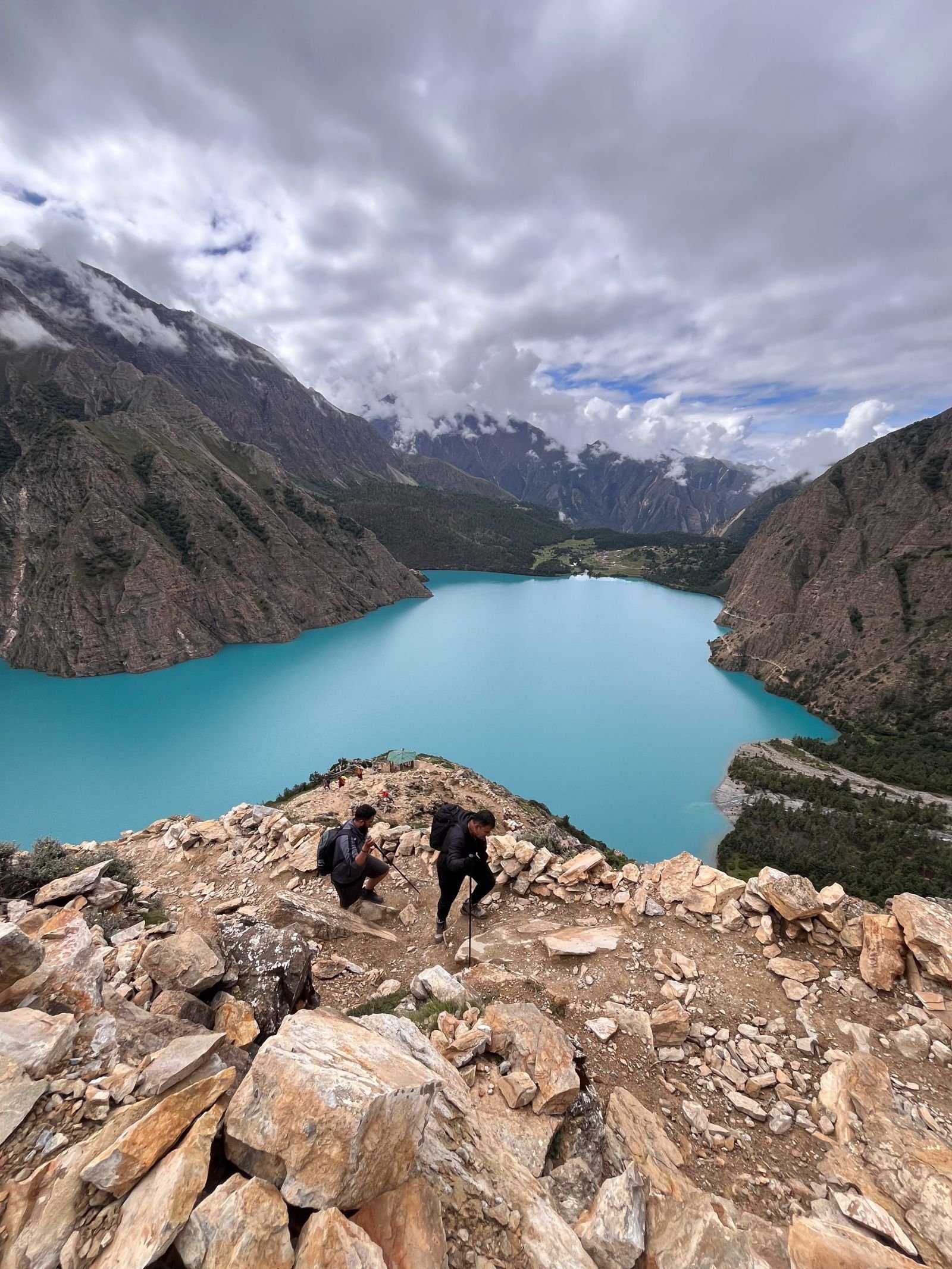
Nepal filming location context — Documentary Film Permits in Nepal Media Reference

Documentary filming permissions in Nepal

Documentary films face distinct scrutiny regarding cultural, environmental, and sensitive community themes. Applications are reviewed based on your treatment, stated editorial intentions, and location footprint.

A successful documentary application depends on consistency between your treatment, crew size, stated dates, and interview subjects. Ambiguities at submission can trigger requests for clarification that impact your shooting window.

Eligibility & Triggers

When this permit pathway applies

Target productions

Who this applies to

  • Independent documentary filmmakers and festival-bound productions.
  • Broadcast investigative and factual strands with named transmission slots.
  • Nature, wildlife, and high-altitude expedition documentaries.
  • Anthropological, social, and heritage documentation teams.

Production triggers

When permission is likely needed

  • Any documentary shoot intended for public distribution, broadcast, or streaming.
  • Filming in national parks, wildlife reserves, or conservation areas.
  • Conducting recorded on-camera interviews in public heritage sites or monasteries.
  • Using specialised cinema kit, audio setups, or drone aerials in sensitive regions.
Approval Architecture

Approval layers you may be dealing with

Filming approvals in Nepal are structured across multiple administrative touchpoints. Understanding where decisions sit avoids unforced schedule slippage.

National Project Approval

Central government permission reviewing project scope, synopsis, and crew documentation.

Protected Areas Layer

Department of National Parks and Wildlife Conservation (DNPWC) clearance for conservation zones.

Heritage & Community Custodians

Local municipal and community management clearance for historical squares and temples.

Liaison Officer Layer

Assignment and logistics for the officially appointed government liaison officer.

Document Preparation

Documents commonly requested

Assemble these core materials early. Internal consistency between schedule, crew lists, and location plans is the single largest factor in a smooth review.

Treatment & Synopsis

Detailed project treatment explaining the editorial concept, narrative arc, and tone.

Crew & Passport Copies

Passports with minimum 6 months validity, CVs of key crew, and visa categories.

Equipment Manifest

Itemised camera, sound, lighting, and aerial kit lists with serial numbers and values.

Location & Itinerary Grid

Day-by-day shoot itinerary showing exact locations, transport routes, and accommodation.

Operational Workflow

How the process usually runs

From initial grid translation to on-ground amendments, we maintain an active record so your production office stays focused on shooting.

1

Initial Dossier Audit

We review your treatment, crew list, and itinerary to identify regulatory dependencies.

2

Authority File Assembly

We compile the required bilingual paperwork, cover letters, and location schedules.

3

Liaison & Follow-Up

We lodge the submission with the relevant ministries and track progress through to permit issuance.

4

Field Coordination Briefing

We coordinate liaison officer arrangements and provide site clearance documentation.

Jurisdictions

Authorities that may be involved

Which bodies are involved depends on where your schedule takes you and how many custodians it touches.

Ministry of Communication and Information Technology (MoCIT)

Department of National Parks and Wildlife Conservation (DNPWC)

Department of Archaeology (DoA) for designated heritage monuments

Civil Aviation Authority of Nepal (CAAN) for aerials

Planning Realities

What drives your timeline and cost

We do not publish speculative processing durations or unverified fee estimates. What we give you is the verified list of what actually moves your date and budget.

Schedule drivers

What drives your timeline

  • Completeness and clarity of your submitted synopsis and shooting schedule.
  • Whether filming enters protected areas requiring separate inter-departmental sign-off.
  • Seasonal processing volumes during peak autumn and spring expedition windows.

Budget drivers

What drives your cost

  • Government statutory royalties according to film length and format.
  • National park and conservation area filming fees per zone.
  • Liaison officer allowances, insurance, and field logistics.
Risk Management

Additional permissions and risk flags

Where film schedules most often come apart in the field, and how to protect against them.

Editorial ambiguity

Vague treatment descriptions can delay approval or trigger formal content inquiries.

Unpermitted drone usage

Flying drones without multi-agency aviation and ministry clearance carries heavy penalties.

Itinerary divergence

Filming outside the approved route without prior notification can invalidate the permit.

Clear Boundaries

What we handle, what we do not, what stays with you

Our commitment

What we handle

Dossier preparation, translation reviews, inter-agency file tracking, and liaison coordination.

Strict boundaries

What we do not do

Grant official permits or negotiate legal rights for private contributors.

Production remit

What stays with you

Editorial responsibility, production insurance, contributor releases, and field compliance.

Common Questions

Frequently asked questions

Nepalese film regulations require foreign film crews to submit through a registered local production-support partner.

Standard processing typically takes 2 to 3 weeks once all paperwork is complete, with additional time needed if protected areas or drones are involved.

Yes, most foreign documentary shoots are assigned a government liaison officer to accompany the unit during the filming schedule.

Reviewer: Senior Permit Coordinator Last reviewed: 2026-09-11 Next review: 2027-03-11
Next step

Plan your Nepal documentary permit

Share your working treatment, intended dates and location itinerary for an initial dossier gap review.