Film Permits Nepal is an independent, privately operated production-support service based in Kathmandu. We are not a government office, we do not issue permits, and we are not the authority that grants any approval. What we do is prepare, organise, and coordinate the paperwork that international productions need when they plan to film in Nepal, so that your submission to the relevant authorities is complete, consistent, and ready for review.
This page explains our permit-support services in practical detail. It is written for line producers, production managers, fixers working with overseas clients, and independent filmmakers who want to understand exactly what support looks like before they commit to a scope. You will find a breakdown of each stage we handle, the individual service modules you can combine, a comparison of what each covers, your responsibilities as the client, and the way an engagement runs from first enquiry to case closure.
Throughout, we describe the workflow and the categories of documents a foreign production typically prepares. We deliberately avoid stating specific government fees, fixed processing times, or a single named issuing authority as settled fact, because those details depend on your locations, your production type, your crew, and the rules in force at the time of your shoot. Anything regulatory is confirmed against current official sources during your review, and which authority applies is determined case by case. Our value is in the preparation, the checking, the coordination, and the calm handling of a process that is unfamiliar to most first-time visitors. If you already know what you need, you can move straight to building a support scope. If you are still scoping, read on.
What our permit-support service actually is
Our service is document preparation and coordination for productions that intend to film in Nepal. We help you assemble the paperwork a foreign production usually needs, we check it for gaps and inconsistencies before it goes anywhere, and we coordinate the practical steps of getting that paperwork in front of the relevant authorities and location custodians. That is the whole of it, and it is deliberately defined.
It is equally important to be clear about what the service is not. We are not a licensing body. We do not sit inside any ministry, department, or office, and we cannot approve, reject, or fast-track any application. We do not sell permits, and we never promise that a permit will be granted, that a location will be released, that a drone will be allowed to fly, or that equipment will clear customs on a particular day. Those outcomes rest with the authorities and custodians who hold the actual decision, and they decide on their own criteria and their own schedule.
What we add is order and readiness. Productions that arrive with incomplete, inconsistent, or poorly translated paperwork tend to lose time in back-and-forth clarification, and that lost time is expensive when a crew is already on the ground. By preparing your file carefully in advance, cross-checking names, dates, passport details, equipment values, and location lists, and packaging everything the way reviewers expect to see it, we reduce the friction that causes avoidable delay.
We work as a neutral, document-focused partner. We hold your material in confidence, we tell you plainly when something is outside our control, and we defer to official sources on every regulatory point rather than guessing. If a rule is unclear or appears to have changed, we say so and we check it, rather than presenting an assumption as fact. That honesty is part of the service, not separate from it.
- We prepare and organise permit paperwork, we do not issue permits
- We coordinate submission and follow-up, authorities make decisions
- We never guarantee approval, timing, drone permission, or location access
- We defer to current official sources on every regulatory detail
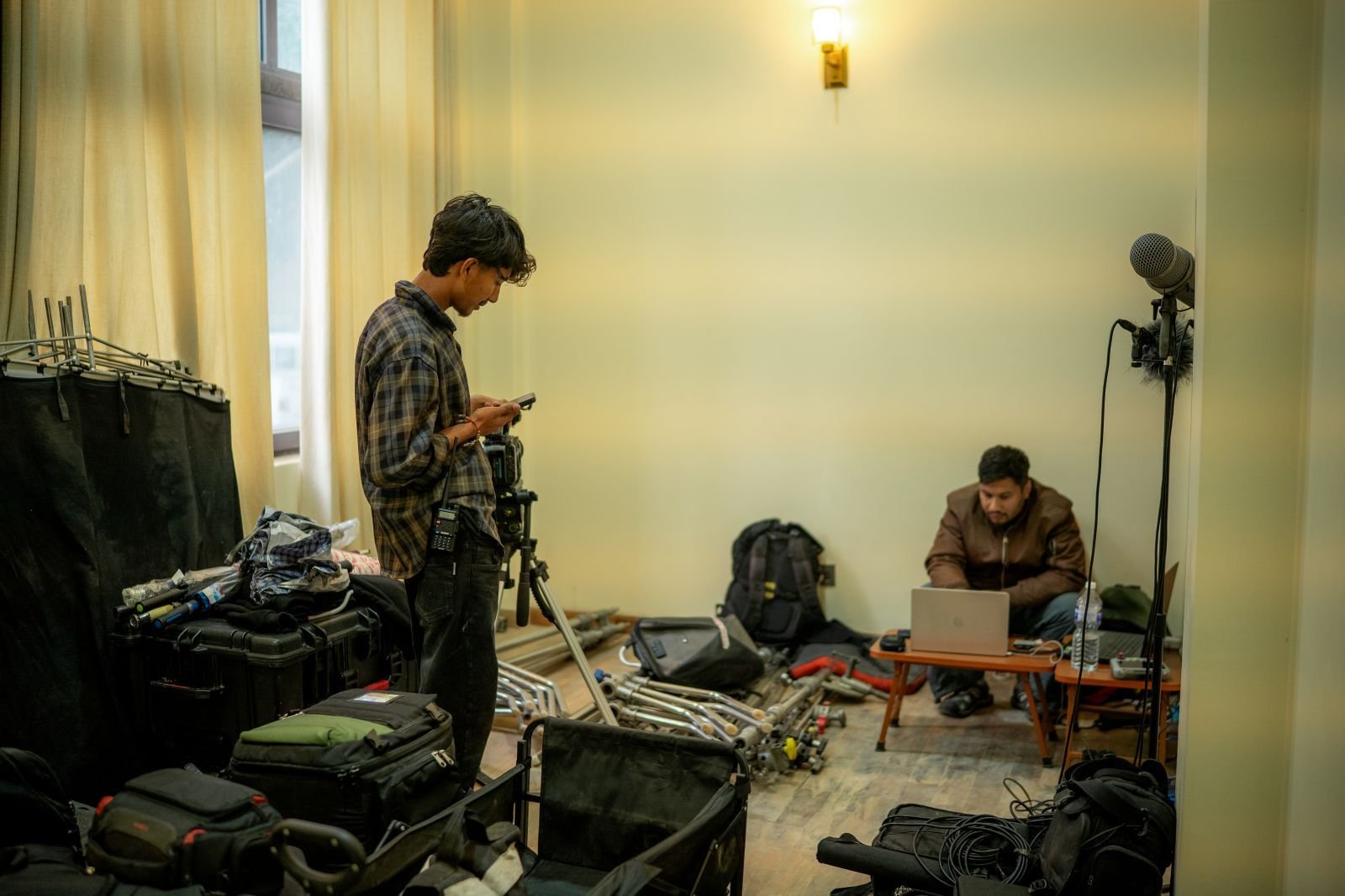
Permit-support stages, from first enquiry to closure
An engagement moves through a predictable sequence of stages. Understanding this sequence up front helps you plan, because each stage depends on the one before it, and the pace of the whole process is set largely by how quickly complete information becomes available.
The first stage is an initial review. You tell us what you intend to film, where, when, with how many people, and using what equipment. We read that against the general preparation requirements and identify, in broad terms, which categories of permission your production is likely to touch. This is a scoping conversation, not a quote for a fixed outcome.
The second stage is information gathering. We send you a structured request for the specific documents and details a foreign production usually prepares. You return them, and we begin building your file. The third stage is document review, where we check every item for completeness, internal consistency, translation quality, and signature requirements, and we produce a gap report telling you exactly what is missing or needs correction.
The fourth stage is application preparation. With a clean document set, we prepare the application materials in the form reviewers expect. The fifth stage is submission coordination, where the completed file is put in front of the relevant authority or custodian. The sixth stage is clarification handling, where we manage any follow-up questions that come back. Where your production triggers additional permissions, for example protected areas, heritage locations, or drone activity, those run as parallel branches with their own preparation.
The final stages are decision-record handling, where we organise and hand over whatever documentation results, and case closure. If your production changes along the way, a scope-change step folds the new requirements back into the relevant stage. None of these stages carries a fixed duration from us, because the timing depends on your responsiveness and on the authorities involved.
- Initial review to identify likely permission categories
- Information gathering and file building
- Document review with a written gap report
- Application preparation and submission coordination
- Clarification handling and any parallel permission branches
- Decision-record handling and case closure
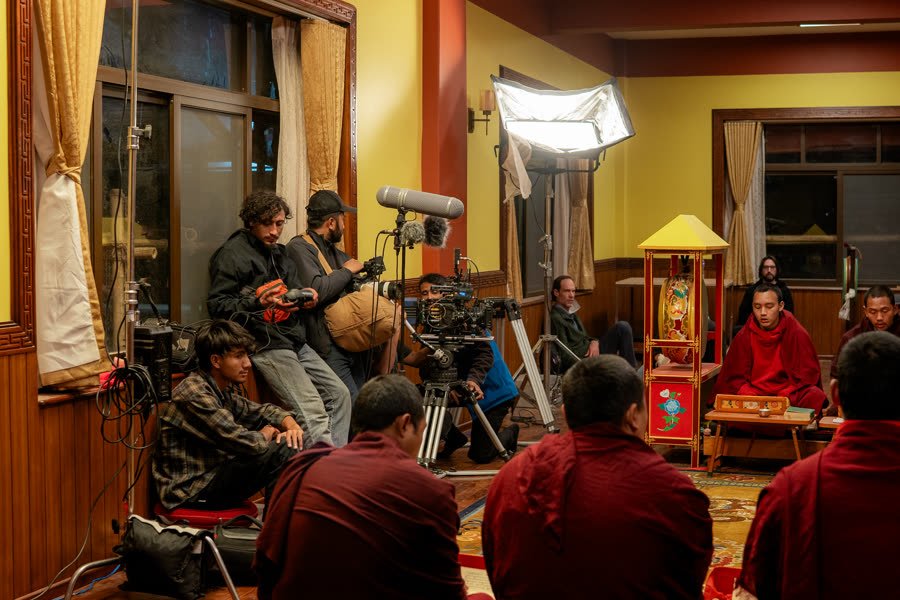
Service module: production assessment and scoping
The production assessment is where every engagement begins, and for some clients it is the only module they need at first. Its purpose is to translate a rough production plan into a clear map of what permissions your shoot is likely to require, so that you can budget time and effort realistically before committing to anything larger.
In this module we work through your production type, your intended locations, your shooting dates, your crew composition and nationalities, and your equipment list. Each of these is a driver that can pull additional permissions into scope. A single interview in a hotel room is a very different proposition from a multi-location feature that moves between a heritage courtyard, a protected natural area, and a busy public street, and the assessment makes that difference visible early.
The deliverable is a written summary of the permission categories your production appears to touch, the documents you will likely need to prepare for each, and the dependencies between them. Where a category depends on a fact we cannot yet confirm, we flag it as something to verify against official sources during the next stage rather than stating it as settled. This keeps the assessment honest and prevents you from planning around a detail that later turns out to be different.
The assessment is also where we are candid about difficulty. If an element of your plan is likely to be complex, slow, or uncertain, for example filming in a sensitive location or flying a drone in a constrained area, we say so plainly at this stage. It is far better to know that at the scoping stage than to discover it when a crew is already booked and travelling. Many productions adjust their plans after the assessment, and that flexibility is exactly what the module is designed to enable.
- Maps your production against likely permission categories
- Identifies document requirements and dependencies for each
- Flags complex or uncertain elements early and honestly
- Gives you a realistic basis for budgeting time and effort
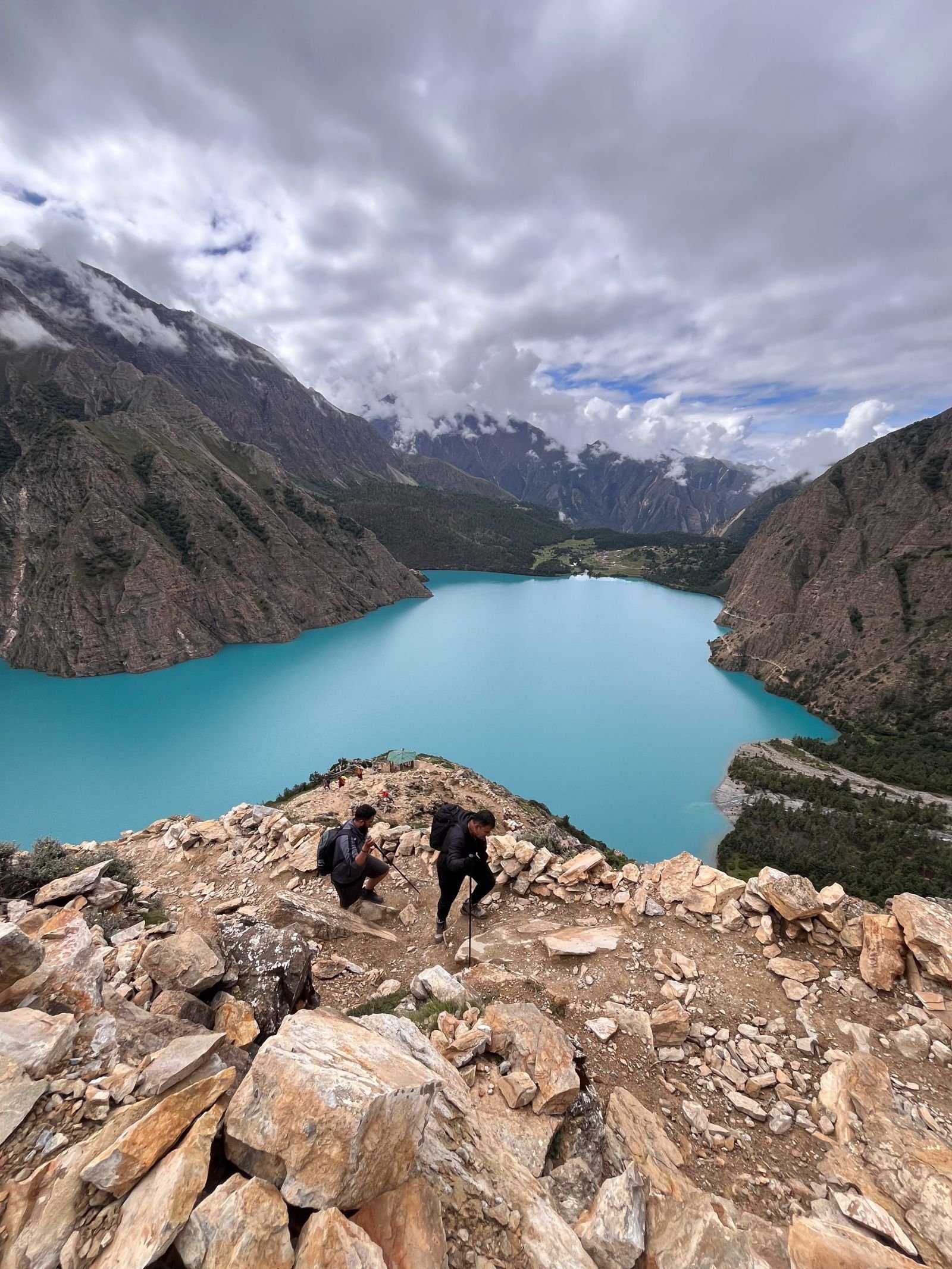
Service module: document review and gap reporting
Document review is the analytical core of what we do, and it is the single most effective way to prevent delay. Foreign productions typically prepare a substantial set of materials, and small inconsistencies across those materials are the most common cause of avoidable back-and-forth. A passport spelled one way on the crew list and another on an insurance certificate, an equipment value that does not match across two documents, or a location name written differently in two places can all generate queries that cost days.
In this module we take your assembled documents and check each one against the general expectations for a production file. We look for completeness, meaning every document that should be present actually is. We look for internal consistency, meaning names, dates, passport numbers, company details, equipment descriptions, and location lists match across the whole set. We look at translation, checking that documents originally in another language are rendered clearly and that anything requiring an official translation has one. And we look at signatures and authorisations, confirming that documents which need to be signed or stamped are.
The deliverable is a written gap report. It lists every document, gives each a clear status, and states precisely what action is needed to bring it to ready. Rather than a vague note that something is wrong, you receive an itemised, actionable list you can work through. Where a requirement depends on a regulatory detail we cannot confirm ourselves, the report says so and points to verification against official sources rather than asserting a rule.
This module can be used on its own, as a health check on a file you have prepared yourself, or as the natural second step after an assessment. Either way, the objective is the same: to reach a document set that is genuinely ready before it goes in front of anyone, so that reviewers see a clean, coherent, professional file.
- Checks completeness, consistency, translation, and signatures
- Cross-references names, dates, values, and locations across the file
- Delivers an itemised, actionable gap report with a status per document
- Can be used standalone or as a step within a full engagement

Service module: application preparation
Once your document set is clean, application preparation turns it into the finished materials that authorities and custodians expect to receive. This is more than filling in forms. It is the work of presenting a coherent, complete, and internally consistent application that a reviewer can process without having to chase missing pieces.
In this module we assemble the application materials, arrange your supporting documents in a logical order, and make sure the narrative of your production reads clearly across the whole file. Reviewers should be able to understand who you are, what you intend to film, where and when, with whom, and using what equipment, without having to reconstruct that picture from scattered fragments. We pay particular attention to the points where different documents connect, because that is where inconsistencies hide.
Because requirements can differ by production type and by location, application preparation is tailored rather than templated. A documentary with sensitive subject matter, a commercial with public display of a product, and a feature with set construction each present differently, and the preparation reflects those differences. Where the correct form of a particular requirement depends on which authority applies, we confirm that against current sources during preparation rather than assuming a single fixed pathway.
We do not, in this module or any other, assert that preparation guarantees an outcome. A well-prepared application is one that a reviewer can assess efficiently and fairly, and that removes avoidable reasons for delay or rejection. It does not remove the authority's discretion, and we never suggest that it does. What it does is give your production the best possible standing at the point of review, which is the most that careful preparation can honestly promise.
- Assembles finished application materials from a clean document set
- Orders and connects supporting documents for efficient review
- Tailored to production type and the applicable authority
- Improves standing at review without ever promising an outcome
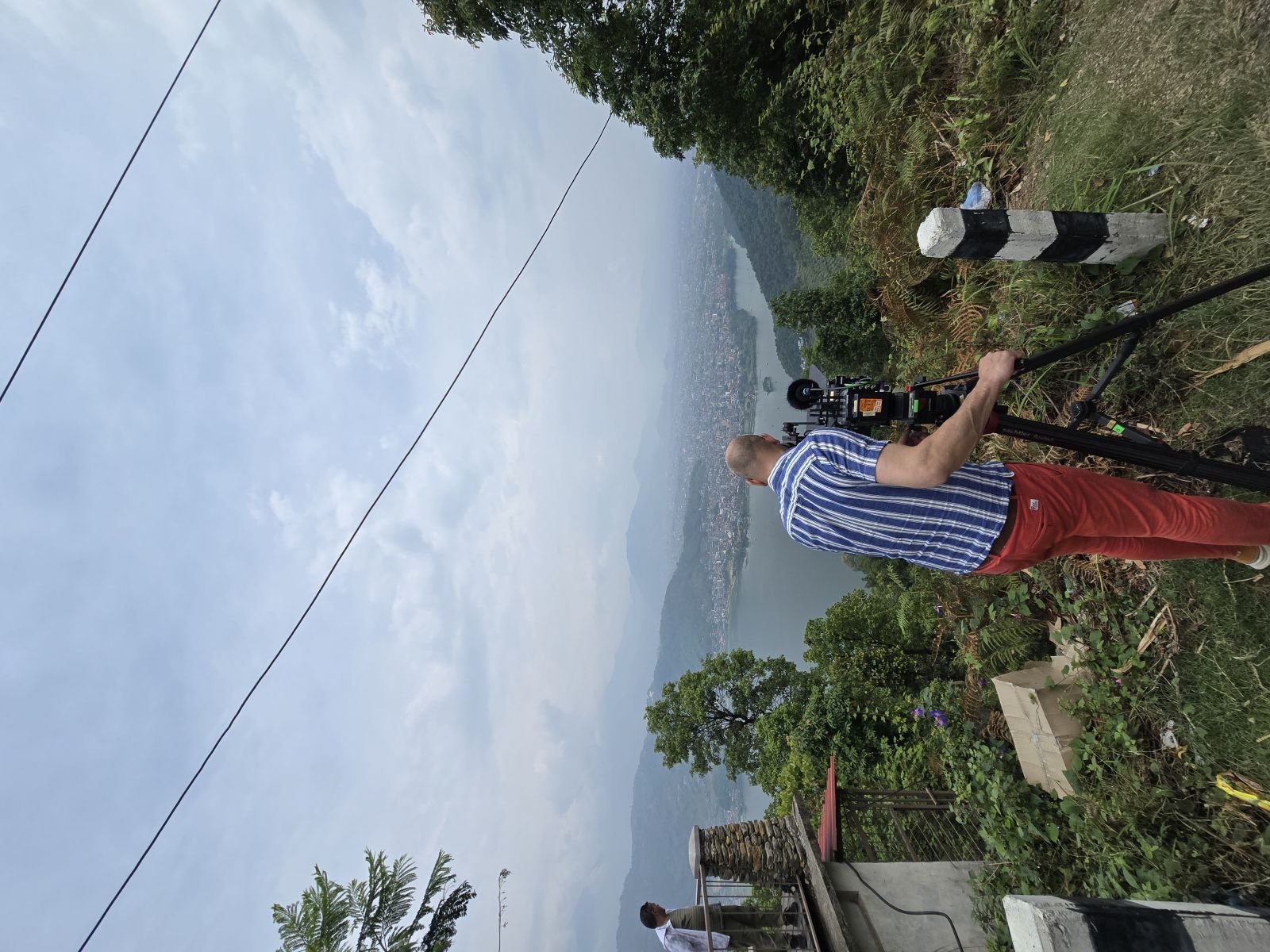
Service module: submission and clarification coordination
Submission coordination is the practical work of getting your prepared file in front of the right authority or custodian, and then managing everything that comes back. For a production team that is unfamiliar with local processes, and often in a different time zone, this coordination removes a great deal of stress and uncertainty.
When a file is ready, we coordinate its submission through the appropriate channel for your production and locations. Which channel that is depends on the nature of your shoot, and we confirm the correct route rather than assuming one. After submission, reviewers frequently come back with clarification questions. They may want a document reformatted, a detail confirmed, an additional item supplied, or a point about your plan explained. Clarification handling is the module that manages this exchange on your behalf.
We act as a steady point of contact through that period. We interpret what is being asked, we tell you clearly what is needed from you, we help you prepare the response, and we return it through the correct channel. Because we hold the whole file, we can usually answer routine points quickly and only escalate to you the things that genuinely need your input. This keeps the exchange moving and prevents small queries from stalling for want of an answer.
What we cannot do is control the outcome or the timing of that exchange. The number of clarification rounds, the questions asked, and the time taken all rest with the reviewer, and we never promise a particular result or a particular date. What we can promise is that queries will be handled promptly, accurately, and without confusion on our side, and that you will always know where things stand. That reliability during the clarification period is one of the most valued parts of the service.
- Coordinates submission through the correct channel for your shoot
- Manages clarification questions as a single steady point of contact
- Interprets requests and helps you prepare accurate responses
- Keeps you informed without promising outcomes or dates
Service module: additional-permission branches
Many productions trigger permissions beyond the main film-permit pathway, and these run as parallel branches with their own preparation. Identifying these triggers early, in the assessment, is important, because each branch adds its own documents, its own custodians, and its own dependencies to the plan.
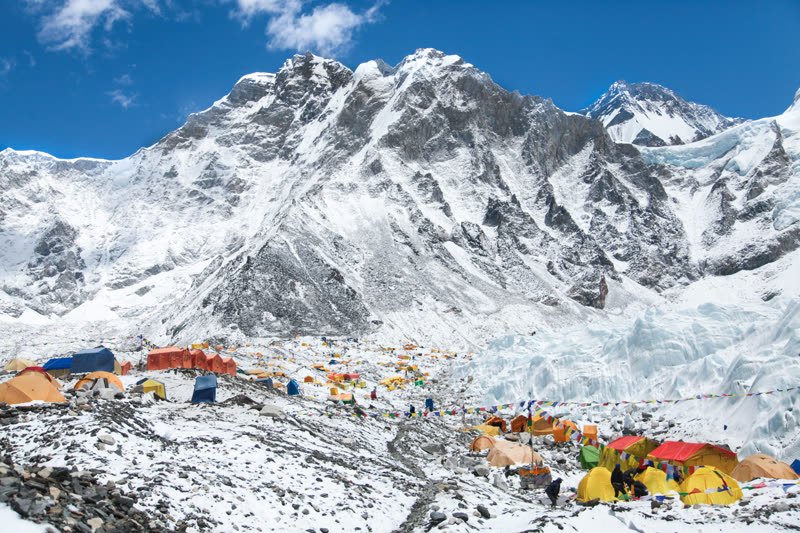
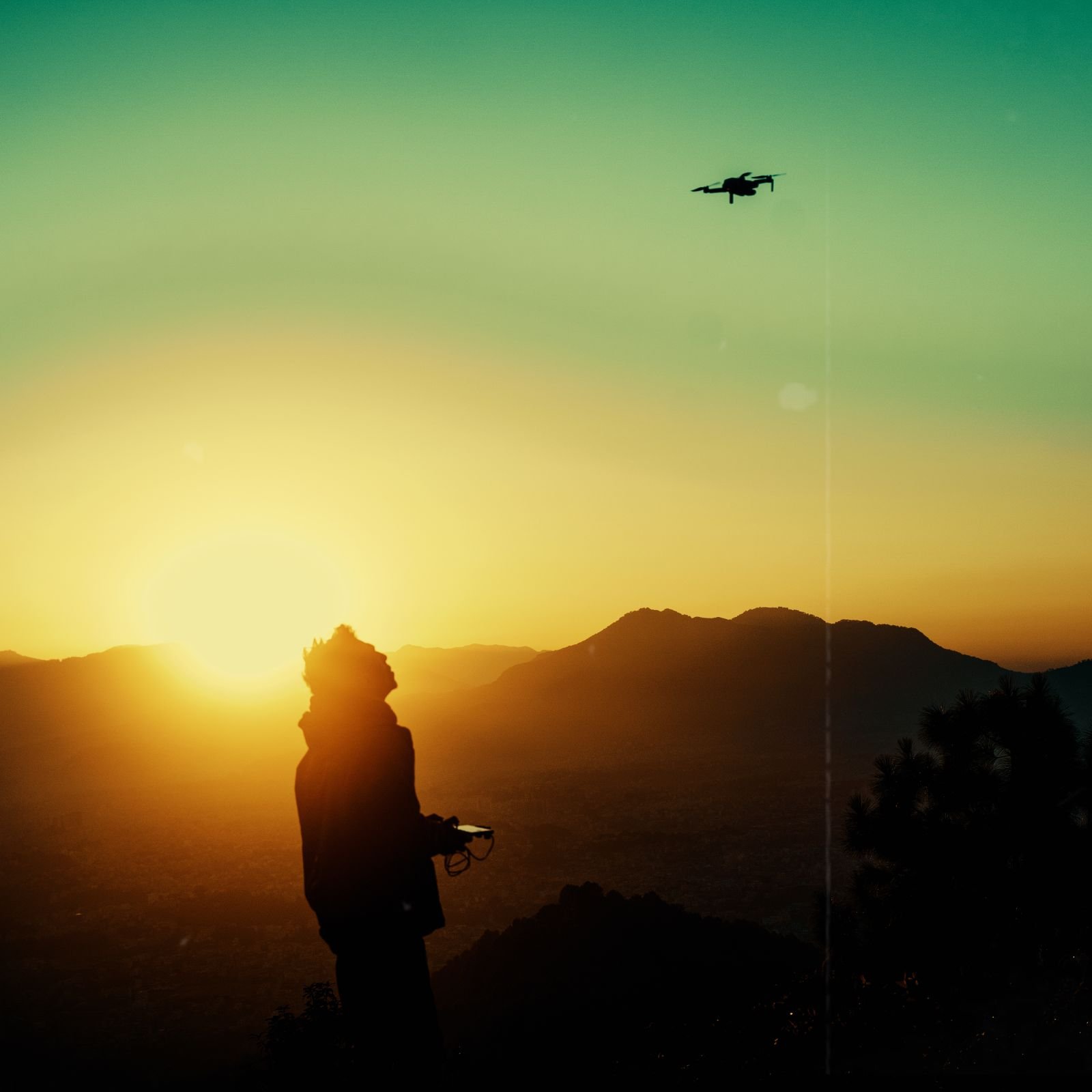
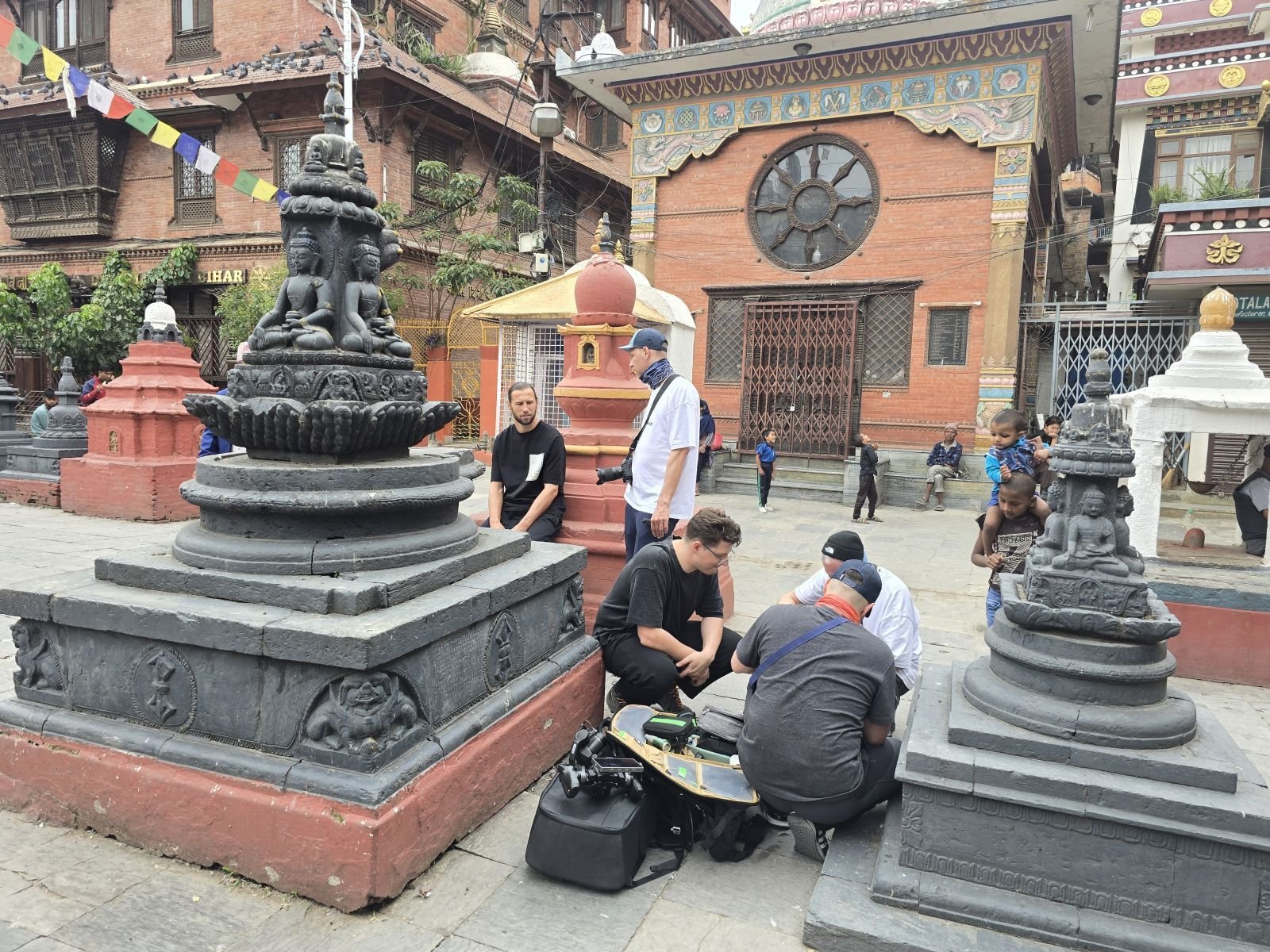
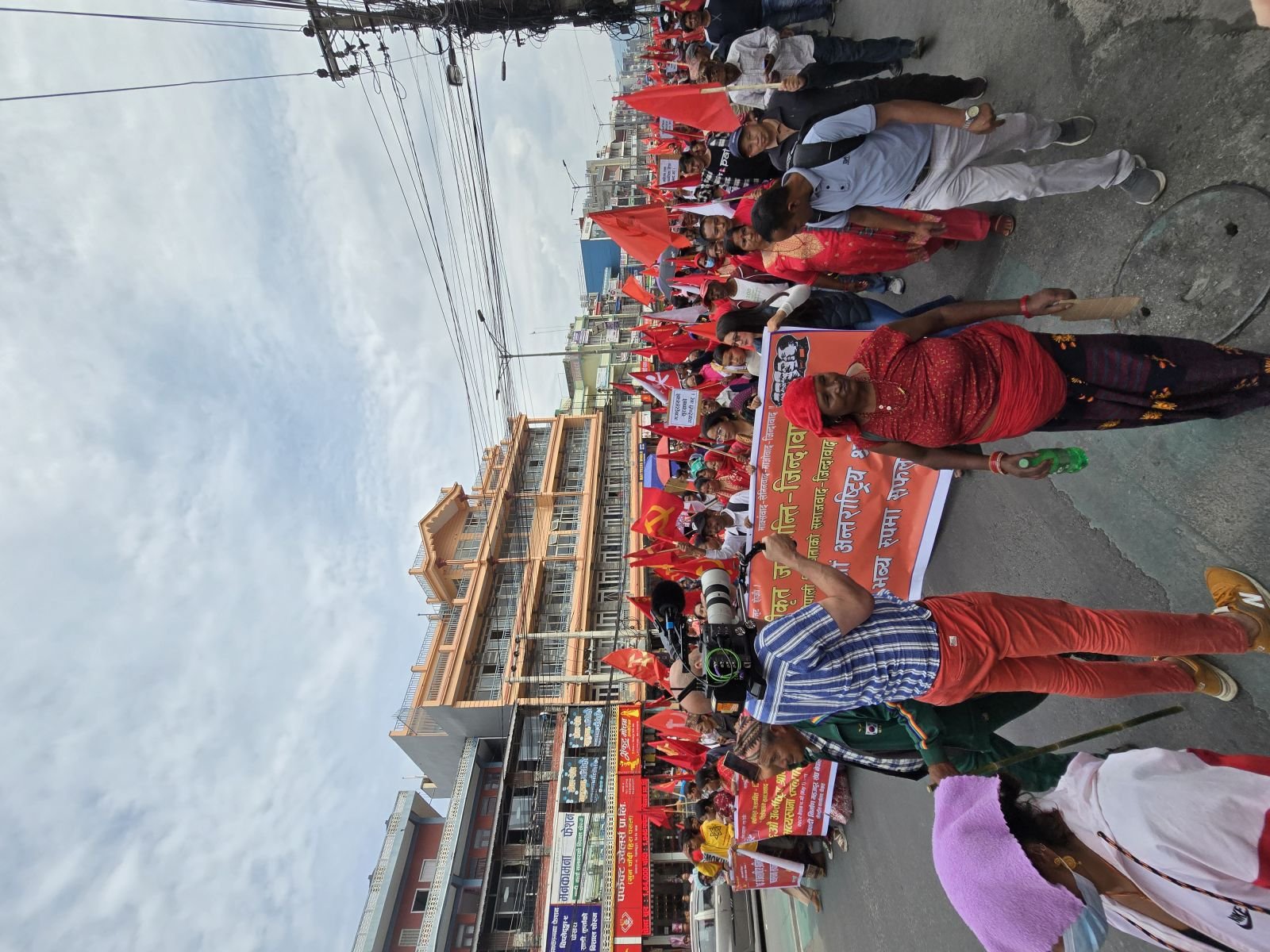
Protected natural areas are a common branch. Filming in a national park or conservation area may involve a separate protected-area process, location-specific application, environmental safeguards, and sometimes a guide or liaison requirement. Heritage and religious locations are another branch, where a custodian or managing institution controls access and sets conditions on crew size, equipment, lighting, sound, and conduct. Public-space filming can involve municipality and traffic coordination, crowd management, and public notice. Drone activity is a distinct branch with aircraft and operator information, registration considerations, and airspace and proximity constraints.
Each of these branches is prepared in the same disciplined way as the main pathway: we identify the documents a production usually prepares, check them, and coordinate them with the relevant custodian or authority. The branches often depend on each other and on the main permit, so we sequence them so that dependencies are respected and nothing is prepared out of order.
We are careful never to overstate what a branch can achieve. We do not promise that a protected area will grant access, that a heritage custodian will permit a particular activity, that a drone will be cleared to fly, or that a sensitive location will be opened to a foreign crew. What we do is prepare each branch thoroughly and coordinate it honestly, and we tell you plainly where an element is uncertain so that you can plan alternatives. For some productions, planning a non-drone alternative or a substitute location is the wise course, and we will say so.
- Handles protected-area, heritage, public-space, and drone branches
- Prepares each branch with the same document discipline as the main pathway
- Sequences branches so dependencies are respected
- Never promises access, clearance, or flight permission for any branch
How the service modules combine
The modules are designed to be combined into a scope that fits your production, rather than sold as a single fixed package. Some clients need only an assessment to orient themselves. Others need a document review as a health check on work they have already done. Many want the full path from assessment through submission and clarification, with additional-permission branches folded in where their locations require.
The most common shape of an engagement runs assessment first, then information gathering, then document review, then application preparation, then submission and clarification coordination, with any additional-permission branches running alongside. But this is a default, not a rule. A production that already has a clean, well-prepared file might begin at application preparation. A production still deciding whether Nepal is feasible might begin and end with an assessment, then return later when plans firm up.
Because the modules build on each other, there is a natural logic to the order, and we will advise you on where to start based on where your production actually is. There is little value in preparing an application before the underlying documents are clean, and little value in coordinating submission before an application is properly prepared. We will not push you to take modules you do not need, and we will tell you when a step can be skipped because you have already done it well.
When you build a scope, you are choosing which modules apply and in what order, and we confirm the dependencies so nothing is done prematurely. The result is a support arrangement shaped around your production rather than around a rigid product. This flexibility matters because international productions vary enormously, from a two-person documentary shoot to a large feature with multiple sensitive locations, and a single fixed package could never serve both well.
- Modules combine into a scope shaped around your production
- A typical path runs assessment through submission, with branches alongside
- You can enter at the module that matches where your production is
- We advise on order and never push modules you do not need

Client responsibilities
A permit-support engagement is a partnership, and its success depends heavily on what you provide and how promptly you provide it. The single largest factor in how smoothly and quickly a file moves is the completeness and accuracy of the information you supply, so it is worth being clear about your responsibilities from the outset.
You are responsible for providing accurate, current, and complete information about your production. That includes truthful details about your company, your crew and their travel documents, your equipment and its values, your intended locations, and your shooting dates. If any of this is wrong or out of date, the file built on it will carry that error forward, and the error will usually surface as a delay at the worst possible moment. We check for internal consistency, but we cannot verify that a fact you supply is true in the outside world.
You are responsible for supplying documents in a timely way. Because the stages depend on each other, a document that arrives late holds up everything downstream. When we send a structured information request, the sooner it is returned complete, the sooner the file can progress. You are also responsible for making the decisions that are yours to make, for example choosing between a drone shot and a ground-based alternative, or between a difficult location and a simpler substitute.
You remain responsible for the truth of any declaration made in your name and for compliance with the conditions attached to any permission granted. We prepare and coordinate; we do not assume legal responsibility for your production, and we do not act as your legal representative. You should also budget realistically for the fact that timing is not within our control, and build contingency into your schedule rather than assuming a best-case pace. Productions that treat contingency as optional are the ones most exposed when an authority takes longer than hoped.
- Provide accurate, current, and complete production information
- Return documents promptly so dependent stages are not held up
- Make the production decisions that are yours to make
- Budget contingency; timing is set by authorities, not by us

The engagement process in practice
Beyond the sequence of stages, it helps to know how an engagement feels to work through day to day, because the practical rhythm is what you will actually experience.
An engagement begins with an enquiry in which you outline your production. We respond with an initial review and, if it makes sense to proceed, a proposed scope of modules. Once scope is agreed, we send a single, structured information request rather than a stream of piecemeal questions, so that you can gather everything in one focused effort. As your material comes in, we build the file and begin the review, returning a gap report that tells you exactly what still needs attention.
Throughout, we aim to be a calm, single point of contact. Rather than leaving you to track many separate threads, we consolidate the status of your file and tell you where things stand and what is needed next. When clarification questions arrive from a reviewer, we handle the routine ones and bring you only what genuinely needs your input, with a clear explanation of what is being asked and why. When your production changes, you tell us, and we fold the change back into the relevant stage rather than starting over.
We are deliberately conservative in what we assert. If a regulatory point is unclear, we tell you we are checking it against official sources rather than giving you a confident answer that might be wrong. If an element of your plan is uncertain, we say so and help you plan around it. This measured approach can feel less reassuring than a firm promise, but it is far more useful, because it means the information you plan around is information you can trust.
The engagement closes when your file has reached its conclusion and any resulting records have been organised and handed to you. We keep the process documented so that you have a clear account of what was prepared and coordinated on your behalf.
- Starts with an enquiry, an initial review, and a proposed scope
- Uses one structured information request rather than piecemeal questions
- Keeps you updated through a single, calm point of contact
- Folds production changes back into the process rather than restarting

Case study illustrations by service
The following illustrations are composite scenarios, not accounts of specific named clients. They are written to show how the modules apply in practice, and any resemblance to a particular production is incidental. We use them because concrete examples make the workflow easier to picture than abstract description alone.
Consider a small documentary team planning to film interviews and observational footage across two cities, with one sequence in a heritage courtyard. In this illustration the engagement would likely begin with an assessment identifying the heritage location as an additional-permission branch. Document review would focus on consistency across the crew list, contributor consent materials, and equipment records. Application preparation would present the editorial purpose clearly, and the heritage branch would be coordinated with the location custodian in parallel. The team would be advised early that the custodian sets conditions we cannot guarantee.
Consider next a commercial production intending an aerial shot over a scenic area and public display of a branded product. Here the assessment would flag both a drone branch and public-space considerations. The drone branch would gather aircraft and operator information and address airspace and proximity constraints, while being candid that flight permission is never assured and a ground-based alternative should be planned. The public-space element would involve municipality coordination and crowd considerations.
Consider finally a factual television series returning for a second location block after its plans changed mid-project. This illustration highlights the scope-change workflow: new locations and revised dates fold back into the relevant stages, the document set is updated for consistency, and any newly triggered branches are added. In each illustration the pattern is the same: identify triggers early, prepare carefully, coordinate honestly, and never promise what rests with an authority. These illustrations are teaching tools, and your own engagement would be scoped to your real production rather than to any of them.
- Scenarios are illustrative composites, not real named clients
- Documentary example shows a heritage branch alongside the main pathway
- Commercial example shows drone and public-space branches with honest caveats
- Television example shows the scope-change workflow in action
Lead coordinators and how work is handled
Your engagement is handled by a lead coordinator who acts as your consistent point of contact throughout. Rather than passing you between many people, we keep continuity so that whoever you speak to already knows your file, your locations, and your production's particular considerations. This continuity matters in a process where small details carry weight and repetition wastes time.
The lead coordinator is responsible for understanding your production, sending the structured information request, overseeing the document review, and managing the coordination with authorities and custodians. Where a regulatory point needs checking, the coordinator ensures it is verified against current official sources rather than answered from memory or assumption. Where your production touches a specialised area, for example customs handling for imported equipment, the coordinator brings in the appropriate support while remaining your single point of contact.
We describe the team in terms of function rather than making claims we cannot substantiate. We do not publish invented credentials, awards, or statistics, and we do not attribute testimonials to clients who have not given them. What we offer is a disciplined, document-focused way of working and a commitment to honesty about what is and is not within our control. If you ask about the experience relevant to your specific production, we will answer directly and truthfully.
The coordinator also manages confidentiality. Your production details, your crew's personal information, and your creative materials are handled with care, shared only as necessary to progress your file, and treated as sensitive throughout. If you have particular confidentiality requirements, for example around an unannounced project, tell your coordinator at the outset so that handling can be arranged accordingly. Discretion is part of the standard service, not an extra.
- A single lead coordinator provides continuity throughout
- Coordinates review, preparation, and authority coordination
- Brings in specialised support while remaining your point of contact
- Handles your material in confidence and verifies regulatory points

Confidentiality and document handling
Productions entrust us with sensitive material: passport details, crew personal information, company documents, insurance records, equipment inventories, and creative materials that may not yet be public. Handling this material responsibly is a core part of the service, not an afterthought, and we treat it accordingly.
We collect only the information needed to prepare and coordinate your file, and we use it only for that purpose. Your material is shared solely with the people and authorities that need it to progress your production, and no further. We do not repurpose your creative materials, we do not disclose your plans to third parties who have no role in your file, and we treat unannounced projects with particular discretion when you flag them.
When documents are exchanged, we favour secure handling over casual channels. Ordinary email has known limitations for sensitive attachments, and where more secure handling is appropriate we will arrange it. If your production has specific data-handling requirements, whether from a broadcaster, a studio, or your own internal policy, tell us early so we can accommodate them within the way we work.
We are also honest about the limits of any handling arrangement. No system is beyond all risk, and we do not make absolute security claims we cannot stand behind. What we commit to is careful, need-to-know handling, secure exchange where appropriate, and clear communication about how your material is treated. Retention is kept to what is reasonable for the engagement, and we will discuss deletion of material you no longer wish us to hold. If you have a confidentiality concern at any point, raise it with your coordinator and we will address it directly rather than deflecting.
- We collect only what is needed and use it only to progress your file
- Material is shared strictly on a need-to-know basis
- Secure exchange is favoured over casual channels for sensitive documents
- We are honest about limits and never make absolute security claims
What is included and what sits outside the service
Being explicit about boundaries protects both sides and prevents the misunderstanding that causes most disappointment. Our service is centred on preparation, review, and coordination, and it is bounded by the fact that we are not a decision-making authority.
Included is the work of assessing your production against likely permission categories, requesting and organising your documents, reviewing them for completeness and consistency, preparing application materials, coordinating submission through the correct channel, managing clarification exchanges, coordinating additional-permission branches, and organising the resulting records. Also included is a single point of contact, honest advice about difficulty and uncertainty, and careful handling of your material.
Excluded is anything that rests with an authority or custodian rather than with us. We do not issue permits, we do not grant or deny approvals, and we cannot guarantee that any permission will be granted, that any location will be released, that any drone will be cleared to fly, or that any equipment will clear customs on a given day. We do not set or waive government or authority fees, and we do not state those fees or processing times as fixed facts, because they depend on current rules and your specific circumstances. We are not your legal representative and do not provide legal advice, and we do not assume responsibility for the truth of declarations made in your name.
Also outside the service is any activity that would require us to misrepresent your production, bypass a proper process, or make a claim we cannot substantiate. We will not do these things, because doing them would undermine the very reliability the service exists to provide. If something you want falls outside what we can properly do, we will tell you plainly and, where possible, point you toward the right party. Clarity about these boundaries is what makes the included work dependable.
- Included: assessment, review, preparation, coordination, and records
- Included: a single point of contact and honest, conservative advice
- Excluded: issuing permits, granting approvals, or guaranteeing outcomes
- Excluded: legal representation and asserting fees or timings as fixed fact

Common mistakes productions make, and how support prevents them
Most delay and difficulty in film-permit preparation comes from a small set of recurring mistakes. Knowing them in advance is useful whether or not you engage support, and much of the value of the service is simply in catching them before they cost you.
The most common mistake is starting too late. Preparation depends on gathering documents, checking them, and coordinating with authorities, and each of those takes time that cannot be compressed at will. Productions that leave preparation to the last weeks before a shoot give themselves no room for the clarification rounds that are a normal part of the process. Starting early, even just with an assessment, is the single most effective thing you can do.
The second common mistake is inconsistency across documents. A name, a passport number, an equipment value, or a location that appears differently in two places generates queries that consume days. Careful cross-checking prevents this, and it is precisely what the document-review module exists to do. A third mistake is underestimating additional-permission branches: a production that plans only for the main pathway and then discovers a heritage, protected-area, or drone requirement late finds itself scrambling.
A fourth mistake is treating optimistic timing as a plan. Because timing rests with authorities, assuming a best case and building no contingency leaves a production exposed to circumstances outside anyone's control. A fifth is assuming that a permission for one thing covers another, for example that a main permit covers a specific location, or that a location's consent covers drone flight over it. These are usually distinct, and treating them as one causes trouble on the day.
Support prevents these mistakes not by magic but by discipline: starting early, checking everything, identifying branches at the assessment, and being honest about timing and uncertainty. None of that guarantees an outcome, but all of it removes the avoidable causes of failure, which is the most that preparation can honestly do and, in practice, a great deal.
- Starting too late leaves no room for normal clarification rounds
- Inconsistency across documents is the top cause of avoidable queries
- Late-discovered additional permissions cause scrambling
- Optimistic timing with no contingency exposes the whole schedule
| Document category | Who prepares it | Purpose | Typical format |
|---|---|---|---|
| Production company details | Client production office | Establishes who is applying and their standing | Company registration and contact records |
| Project description or synopsis | Client creative team | Explains what will be filmed and its purpose | Written treatment, synopsis, or outline |
| Crew list with roles | Client production office | Identifies each person and their function | Structured list with names and roles |
| Crew travel documents | Individual crew members | Confirms identity and travel status | Passport copies and related records |
| Equipment inventory with values | Client or rental provider | Describes gear brought or hired for import and use | Itemised list with descriptions and values |
| Location plan and schedule | Client production or fixer | Sets out where and when filming occurs | Location list with dates and shooting plan |
| Insurance documentation | Client or broker | Evidences cover for the production | Policy certificates and schedules |
| Additional-permission materials | Client, coordinated with us | Supports heritage, protected-area, or drone branches | Location-specific forms and supporting records |
| Translations where required | Client, verified by us | Renders non-local-language documents clearly | Translated copies alongside originals |
Document categories a foreign production typically prepares, with who prepares each and its purpose. This is a planning aid; specific requirements are confirmed against current official sources during your review, and no fees or processing times are implied here.
What this includes
- Assessment of your production against likely permission categories
- Structured information request and organisation of your documents
- Document review with an itemised, written gap report
- Application preparation tailored to production type and location
- Submission coordination through the correct channel for your shoot
- Clarification handling as a single steady point of contact
- Coordination of additional-permission branches such as heritage, protected areas, and drone
- Organisation and handover of resulting decision records
- Honest advice about difficulty, uncertainty, and where to plan alternatives
- Confidential, need-to-know handling of your material
What this does not include
- Issuing permits or acting as any government office or authority
- Granting, denying, or fast-tracking any application or approval
- Guaranteeing permit approval, location access, drone clearance, or customs release
- Stating specific government or authority fees or processing times as fixed facts
- Setting, waiving, or collecting official fees on an authority's behalf
- Legal representation or the provision of legal advice
- Assuming responsibility for the truth of declarations made in your name
- Misrepresenting a production or bypassing any proper process
- Promising a particular timeline for any authority decision
- Compiling or repurposing your material beyond progressing your file
Frequently asked questions
No. Film Permits Nepal is an independent, privately operated production-support service based in Kathmandu. We are not a government office, a ministry, or any licensing body, and we do not issue permits or approvals of any kind. Our role is to prepare, review, and coordinate the paperwork that international productions need, and to help you present a complete file to the relevant authorities. The decision on any permit always rests with the authority or custodian that holds it, not with us.
No, and we would be misleading you if we said otherwise. Approval rests entirely with the relevant authority, which applies its own criteria and its own timing. What we can do is prepare your file so that it is complete, consistent, and easy for a reviewer to assess, which removes many of the avoidable reasons for delay or rejection. That improves your standing at review, but it never removes the authority's discretion, and we never promise an outcome.
We do not state specific government or authority fees or processing times as fixed facts, because they depend on your production type, your locations, your crew, your equipment, and the rules in force at the time of your shoot. Any figure quoted out of context would risk being wrong, and planning around a wrong figure is worse than planning around an honest uncertainty. During your engagement, applicable fees and likely timing are confirmed against current official sources for your specific circumstances, and we help you build a realistic budget and schedule with sensible contingency.
Which authority or custodian applies depends on your locations and activities, and it can involve more than one for a single production. A shoot in a protected natural area, a heritage courtyard, and a public street may touch different bodies for different elements. Rather than naming a single issuer as settled fact, we identify the likely authorities during your assessment and confirm the correct route against current sources as we prepare. This is why the assessment stage matters: it maps the bodies your particular production is likely to engage.
You can certainly prepare your own file, and some experienced productions do. The value we add is in the checking and coordination: cross-referencing documents for consistency, catching the small errors that cause delay, identifying additional-permission branches early, and managing clarification exchanges calmly from within the same time zone as the authorities. If you are confident in your own preparation, a standalone document review can act as a health check. If the process is unfamiliar, fuller support removes a great deal of risk and stress.
Production changes are normal, and we handle them through a scope-change step that folds the new requirements back into the relevant stages rather than starting over. If you add a location, change dates, adjust your crew, or introduce a drone shot, tell your coordinator and we update the file for consistency and add any newly triggered permission branches. The earlier you flag a change, the more smoothly it can be absorbed, because late changes leave less room for the preparation and coordination the new element may require.
We can prepare and coordinate the paperwork for a drone branch or a sensitive-location branch, but we cannot guarantee that flight permission or access will be granted. Those decisions rest with the relevant authorities and custodians, who apply their own rules and constraints, including airspace, proximity, and area sensitivities. We are candid about this from the assessment onward, and where an element is uncertain we help you plan an alternative, such as a ground-based shot or a substitute location, so that your production is not left exposed if a permission does not come through.
We collect only the information needed to progress your file, use it solely for that purpose, and share it strictly on a need-to-know basis with the people and authorities involved in your production. Sensitive attachments are handled through secure exchange rather than casual channels where appropriate, and unannounced projects are treated with particular discretion when you flag them at the outset. We are honest that no handling arrangement is beyond all risk, so we make careful, need-to-know handling our commitment rather than any absolute security claim.
No. We are a document-preparation and coordination service, not a law firm, and we do not provide legal advice or act as your legal representative. We prepare and organise materials and coordinate their submission, but the truth of any declaration made in your name and compliance with the conditions attached to any permission remain your responsibility. If your production raises a genuine legal question, we will say so plainly and suggest you seek qualified legal advice rather than offering an opinion we are not positioned to give.
To start, we need a clear picture of your production: what you intend to film and its purpose, where and when you plan to shoot, how many crew you will bring and their nationalities, and what equipment you intend to use. From that we can produce an initial assessment of the permission categories your production is likely to touch. As the engagement progresses, we send a single structured information request covering the specific documents a foreign production usually prepares, so you can gather everything in one focused effort rather than in piecemeal exchanges.
Yes. The modules are designed to combine flexibly, and each can be used on its own where that fits your needs. A standalone document review works well as a health check on a file you have prepared yourself, and a standalone assessment suits a production still deciding whether Nepal is feasible. We will advise you on where to start based on where your production actually is, and we will not push you to take modules you do not need. There is little value in preparing an application before the underlying documents are clean, and we will say so.
Not necessarily, and assuming it does is a common and costly mistake. A main permit and a specific location's permission are usually distinct, and a location's consent does not automatically cover activities such as drone flight over it, set construction, or public-space control around it. Heritage sites, protected areas, and religious locations typically involve their own custodians and conditions. During your assessment we identify which distinct permissions your production touches so that nothing is wrongly assumed to be covered, and so that each branch is prepared and coordinated in its own right.
As early as you reasonably can. Because each stage depends on the one before it, and because clarification rounds and additional-permission branches take time that cannot be compressed at will, starting early is the single most effective thing you can do to protect your schedule. Even a preliminary assessment well ahead of your shoot gives you a realistic map of what is involved and room to adjust plans before crew and dates are locked. Late starts leave no contingency for the normal back-and-forth of the process, which is exactly when productions get caught out.
Because doing so honestly is not possible without knowing your exact circumstances and checking current official sources, and a confident but wrong figure is worse than an honest uncertainty. Fees and timings depend on production type, locations, crew, equipment, and the rules in force at the time, and they can change. We would rather give you a reliable process for confirming those details for your specific production than a headline number you might build a budget around only to find it inaccurate. That conservatism is part of what makes the rest of our information trustworthy.
At closure you receive an organised set of the records resulting from your engagement, together with a clear account of what was prepared and coordinated on your behalf. Throughout, you also receive the working deliverables of each module: the assessment summary, the itemised gap report from document review, the prepared application materials, and ongoing status updates through the clarification period. The aim is that you finish with both the outcome of the process and a well-documented trail of how your file was handled, so nothing about your production's preparation is opaque to you.