Skip to content
Production types / Television and factual

Television and Factual Filming Permits in Nepal

A television filming permit in Nepal has to survive a schedule, not just an application. Blocks, multiple units, returning series and a transmission date that will not move shape the paperwork.

Send the episode grid and the block plan. We will show you where the window is tight.

Independent, not an issuing body. Film Permits Nepal is a privately owned production-support company with no official role in granting filming permission. We prepare files, submit them and follow them up. Whether permission is granted, and on what terms, is decided by the authority.
Television and Factual Filming Permits in Nepal
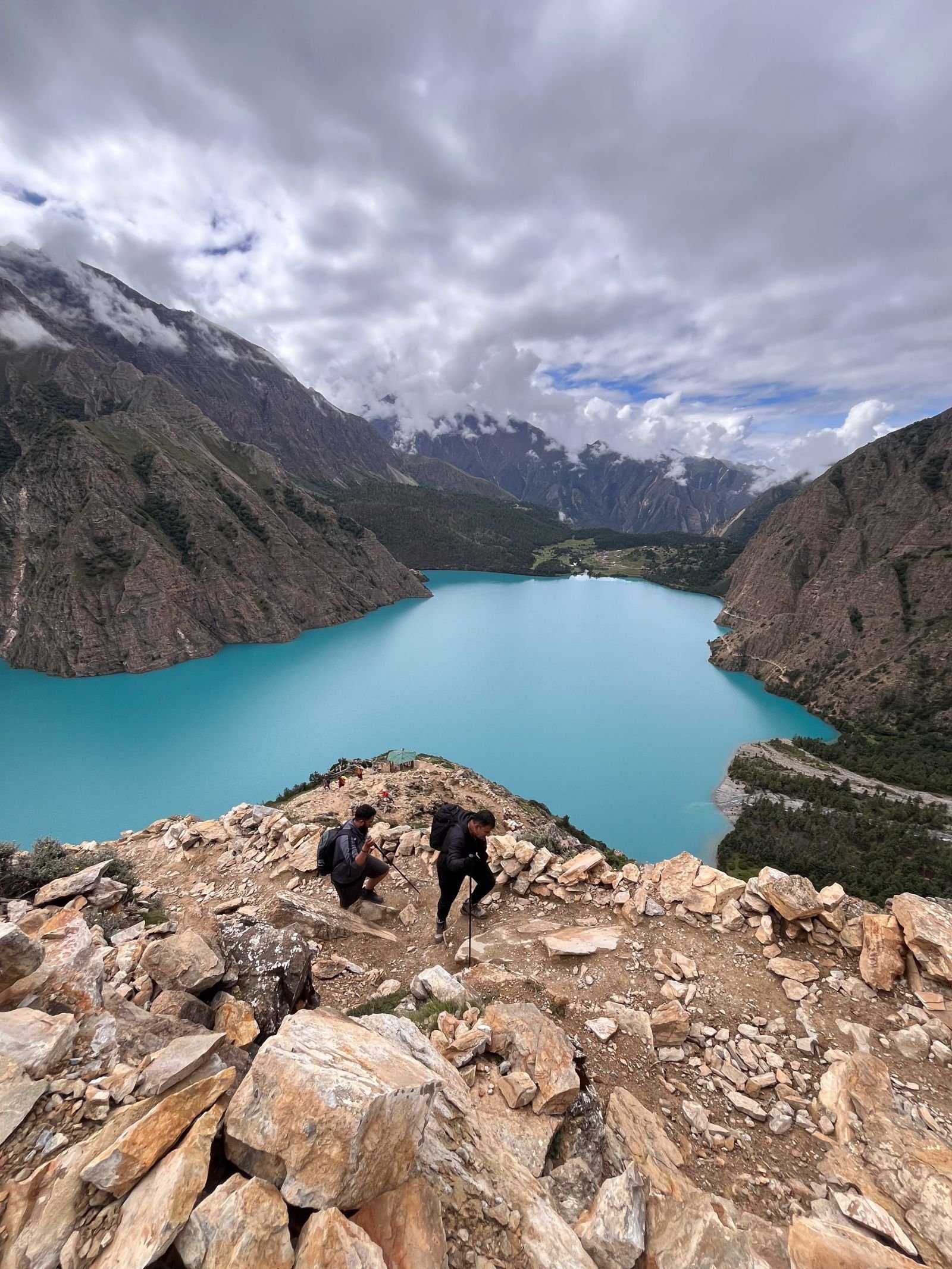
Nepal filming location context — Television and Factual Filming Permits in Nepal Media Reference

Do you need a television filming permit in Nepal?

Yes, in most cases. A television or factual production filming for broadcast or streaming is generally expected to hold permission, and the harder question is usually not whether you need one but whether one covers everything you plan to shoot.

Television differs from other formats because repetition is built in. You are rarely shooting once. You shoot a block, then another block, then a second series, and a permission framed around a single visit is the wrong shape for that.

Eligibility & Triggers

When this permit pathway applies

Target productions

Who this applies to

  • Returning formats coming back for a second or third series.
  • Presenter-led travel, food, adventure and history strands.
  • Factual entertainment and constructed-reality formats with a fixed cast.
  • Single documentaries commissioned into a broadcast strand with a slot date.
  • Magazine and lifestyle strands shooting several short items in one trip.
  • Productions running a main unit and a self-shooting PD in parallel.

Production triggers

When permission is likely needed

  • Block shooting several locations inside one continuous window.
  • Running more than one unit on the same days in different places.
  • Presenter pieces to camera in public areas and at ticketed sites.
  • Any location added after submission because a story or contributor changed.
  • A second or third series returning to locations covered by a previous file.
  • A pilot, taster tape or sizzle shot ahead of a confirmed commission.
Planning note: Confirm location and consecutive block coverage during schedule framing to determine whether an overarching project approval with location appendices or separate regional submissions apply.
Approval Architecture

Approval layers you may be dealing with

Filming approvals in Nepal are structured across multiple administrative touchpoints. Understanding where decisions sit avoids unforced schedule slippage.

Project layer

Permission for the production, assessed on the format, the broadcaster or platform, the unit and the shoot window.

Location layer

A permission or custodian agreement at each site on the grid, and there are usually many.

Window layer

Whether your approval is framed by dates, by locations or by both. This decides how much room a block has to move.

Amendment layer

Every change after submission runs through this layer, and on a series it is used constantly.

Document Preparation

Documents commonly requested

Assemble these core materials early. Internal consistency between schedule, crew lists, and location plans is the single largest factor in a smooth review.

Format documents

A format or series outline, episode count, running time and the commissioning broadcaster or platform where one is attached.

Schedule documents

An episode grid and block plan showing which locations belong to which block, and which days carry a unit split.

Unit documents

Crew lists per unit with roles, passport details and arrival dates, plus presenter and contributor details where known.

Location documents

A location list mapped to the block plan, with custodian letters where a site controls its own access.

Equipment documents

A kit list per unit, with serials for imported gear.

Delivery documents

Your transmission date, included so the schedule is visible in the file even though it does not influence a decision.

Operational Workflow

How the process usually runs

From initial grid translation to on-ground amendments, we maintain an active record so your production office stays focused on shooting.

1

Block brief

You send the episode grid and block plan. We convert it into a permit brief showing every location and window in one view.

2

Window design

We work out where a single window can carry several locations and where it cannot, then frame the request accordingly.

3

Unit split declaration

Every unit is declared at the outset, so a second unit is never a surprise mid-run.

4

Submission

We lodge the file and manage follow-up while your production office preps the block.

5

Live amendments

When a location drops or a story moves, we prepare the change request while the block is still shooting.

6

Block close

At the end of a block we record what was actually shot, so the next block starts from a current picture.

7

Series carry-forward

For a returning series we maintain the file so series two references series one rather than restating it.

Jurisdictions

Authorities that may be involved

Which bodies are involved depends on where your schedule takes you and how many custodians it touches.

The permitting authority for broadcast and factual filming.

Local government in each area where you occupy public space.

Site custodians at heritage, religious, protected and municipal locations.

Customs where the kit package is imported temporarily.

Official name, remit and published procedure for every body above are confirmed during file preparation.

Planning Realities

What drives your timeline and cost

We do not publish speculative processing durations or unverified fee estimates. What we give you is the verified list of what actually moves your date and budget.

Schedule drivers

What drives your timeline

  • How stable your episode grid is at submission.
  • The number of locations in the block and how many have separate custodians.
  • Whether the request is framed as one window or as a series of single permissions.
  • How many units are running and whether they were declared together.
  • The volume of amendments raised while the block is live.
  • Whether a previous series file exists and can be referenced.

Budget drivers

What drives your cost

  • Number of locations across the block, and how many recur across episodes.
  • Number of blocks and whether they are contiguous.
  • Number of units and separate crew lists.
  • Frequency of amendments during the run.
  • Whether a returning series can reuse an existing file.

Official fees are published once verified against primary sources. Our coordination fee is quoted against your brief.

Risk Management

Additional permissions and risk flags

Where film schedules most often come apart in the field, and how to protect against them.

Window expiry mid-block

A block that overruns its window is the most common failure on a series.

Format change in the field

A change of premise, contributor or presenter can move you outside what was submitted.

Undeclared second unit

A self-shooting PD sent off the grid is still a unit.

Slot pressure

A fixed delivery date creates pressure to shoot first and paper it later. That is the wrong order.

Drone inserts

Aerials for titles and links follow their own route, separate from the series permission.

Protected and restricted locations

These carry their own conditions and are not swept up by a project-level approval.

Clear Boundaries

What we handle, what we do not, what stays with you

Our commitment

What we handle

Block brief preparation, window framing, per-unit and per-location documentation, submission and follow-up, live amendment requests during a block, block close records, and a maintained file a returning series can build on.

Strict boundaries

What we do not do

Issue permission, guarantee a decision lands before your delivery date, expedite a queue, or advise on broadcast compliance, contributor duty of care or editorial policy.

Production remit

What stays with you

The accuracy of the grid and unit declarations you give us, your delivery commitments to the broadcaster or platform, insurance and risk assessment, and compliance on the ground with every condition attached to a permission.

Common Questions

Frequently asked questions

This depends on the administrative jurisdictions touched by your schedule. Where locations fall under the same governing framework, an overarching project file can be framed with location appendices; distinct heritage sites and protected areas require specific custodian attachments.

An existing file usually helps, because your company, format and previous locations are already documented. It is rarely a renewal in the automatic sense. Expect to submit again, referencing what came before rather than repeating it.

Declare it immediately. A change of premise, presenter or contributor can put you outside what was submitted, and an amendment raised while the block is live is easier than an explanation after wrap.

Not automatically. Some sites treat a piece to camera differently from observational coverage, particularly where a tripod, a crowd or a repeated take is involved. Check per location, not per production.

Date changes and added locations are lodged as formal amendment requests. We submit the adjustment to the original file number before the current window expires to maintain uninterrupted clearance.

Usually yes at crew and kit level, even where the project permission is shared. Declare every unit at submission. A unit appearing halfway through a block is treated as new information.

No. We claim no influence over speed and we do not sell urgency. What we can do is start earlier, submit a cleaner file and reduce the questions that come back.

Treat it as filming, because it is. Shooting a taster without permission and then applying properly for the commissioned series creates an awkward record.

Reviewer: Senior Permit Coordinator Last reviewed: 2026-09-11 Next review: 2027-03-11
Next step

Build your episode permit brief

Send the episode grid, the block plan, the unit split and the delivery date. We will turn it into a permit brief, show you where the window is tight and set out how amendments are handled once the block is live.