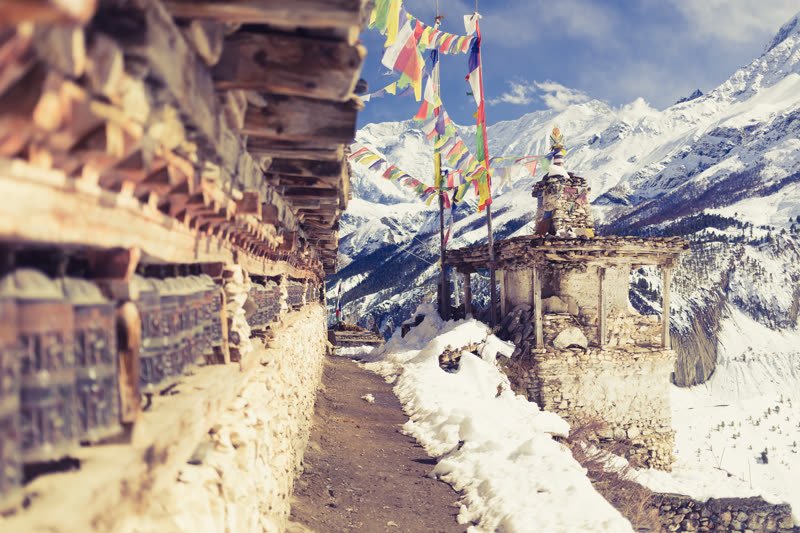
Getting a film permit in Nepal is best understood as a process rather than a single form or a single office. For an international production, the work begins long before anything is submitted anywhere. It begins with defining exactly what you plan to shoot, where, with whom, using which equipment, and for what purpose. Those answers shape which permissions apply, which documents you need to prepare, and how much lead time is realistic.
Film Permits Nepal is an independent, privately operated production-support service based in Kathmandu. We are not a government office and we do not issue permits. What we do is help foreign productions understand the process, assemble and check the documents that a production of your type typically needs, prepare application materials, and coordinate the practical steps so that your paperwork is complete, consistent, and ready before it reaches any authority. The decision to grant or refuse any permission always rests with the relevant Nepali authorities, and which authority applies depends on your specific locations and activities.
This page walks through the end-to-end process as we see it in practice: who is responsible for each part, what inputs you need to gather, where delays typically occur, how additional permissions branch off the main pathway, and how clarifications and scope changes are handled. It also covers what happens when a decision is issued and how records should be kept. Throughout, we describe the general workflow with confidence, and we stay deliberately conditional about any specific fee, timeline, or named authority, because those details are confirmed against current official sources during your review rather than asserted from memory.
Process overview: how a Nepal film permit actually comes together
It helps to picture the Nepal film permit process as a sequence of connected stages rather than a one-step transaction. Productions sometimes arrive expecting a single online form and an instant answer. In reality, the process rewards preparation, and most of the effort happens before anything is formally lodged.
The first stage is definition. You establish what the project is, what you intend to film, at which locations, with which people, and using what equipment. This is the foundation for everything else, because the nature of your shoot determines which permissions apply. A studio interview shoot, a trekking documentary, a drone-heavy commercial, and a feature with road closures each trigger a different combination of requirements.
The second stage is document assembly. Foreign productions typically prepare a recognisable set of materials: company and producer information, a description of the project, crew details, an equipment list, and a schedule tied to locations. We help you gather these, check them for completeness and internal consistency, and flag anything that is missing, mismatched, or likely to raise a question.
The third stage is application preparation and coordination. Once the underlying documents are sound, the application materials are prepared so they present a clear, coherent picture. The relevant authority reviews the submission on its own terms and timeline.
The fourth stage is clarification. Authorities may ask questions or request adjustments. Handling these promptly and accurately keeps the process moving.
The fifth stage is decision and record handling. Whatever is issued should be read carefully, understood, and kept accessible on location, because conditions attached to a permission matter as much as the permission itself. Additional permissions for specific locations or activities branch off this main pathway and often run in parallel, which is why early definition of scope is so valuable.
Who does what: responsibilities across the process
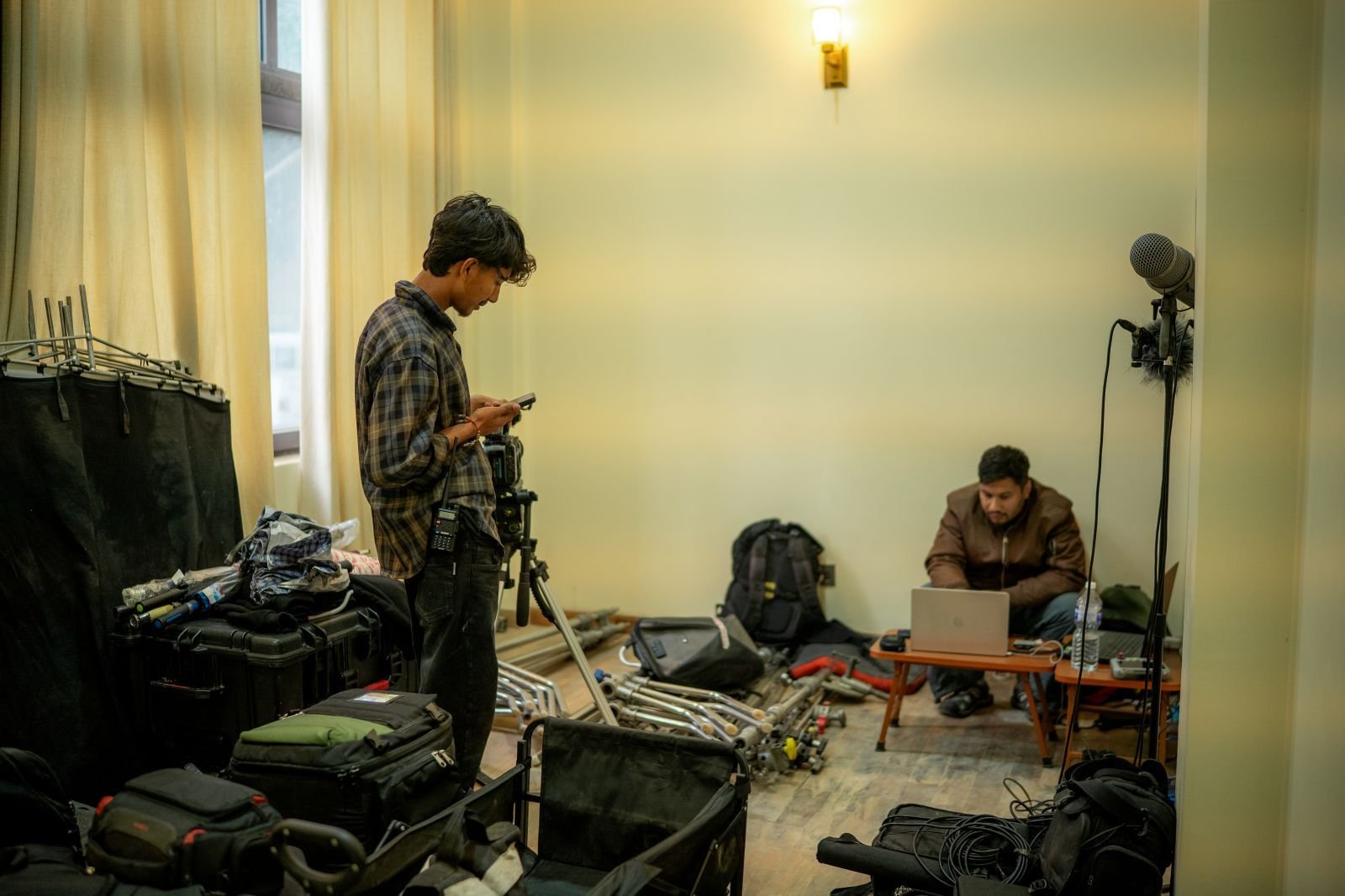
A permit process runs smoothly when everyone understands their role. Confusion about responsibility is one of the most common sources of delay, so it is worth being explicit about the division of work between your production, our support service, and the authorities.
Your production owns the facts. You are the source of truth for who is on the crew, what you plan to film, which locations you have chosen, what equipment you are bringing, and what your creative intent is. You also hold the source documents: passports, company registration, insurance, ownership records, and so on. No support service can invent or substitute these; they must come from you and be accurate.
Our service provides structure, preparation, and coordination. We explain the general process, tell you what a production of your type usually needs to prepare, review your documents for gaps and inconsistencies, help assemble application materials, and coordinate the practical steps. We confirm regulatory specifics against current official sources rather than relying on memory, and we tell you plainly when something depends on a factor we cannot control.
The authorities hold the decision. Whichever office or offices apply to your locations and activities are the ones that review your submission and decide whether to grant permission and on what conditions. We do not make, influence, or guarantee that decision. We also cannot promise a specific processing time, because that sits with the reviewing body.
Where specialist areas arise, additional parties may be involved. Customs clearance for imported equipment, protected-area access, heritage-site custodians, and drone-related permissions may each involve their own processes and, in some cases, specialist coordinators. We help you identify these branches early and keep them aligned with your main application so that one does not quietly stall the others.
Required inputs: what you need to gather before anything is submitted
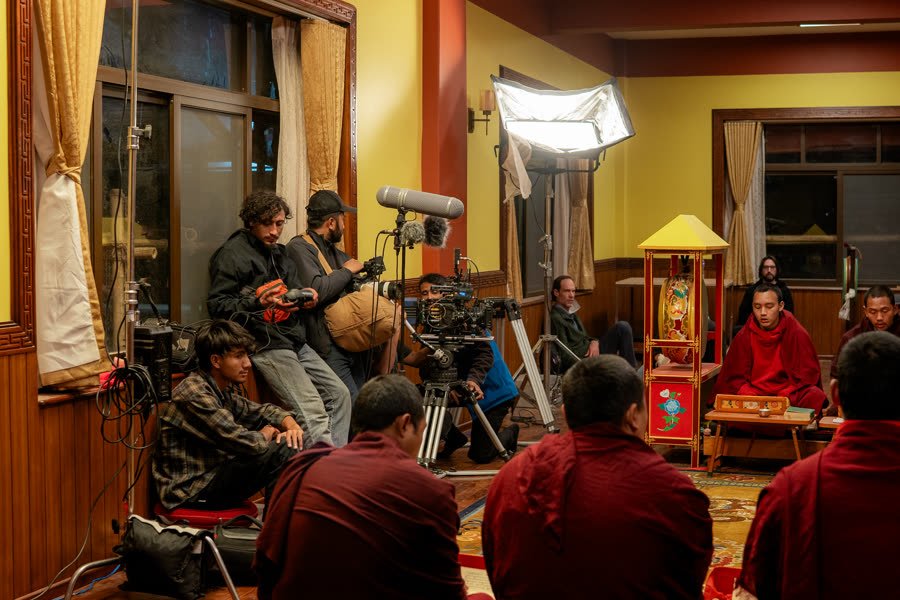
The single most effective thing a production can do to speed up a Nepal film permit is to arrive with complete, accurate inputs. When information is missing or inconsistent, the whole process waits. When it is complete, preparation moves quickly. The categories below describe what foreign productions typically assemble. The exact list for your project is confirmed during your review, because it depends on your locations and activities.
Project description. A clear account of what the production is, its purpose, its format, and what you intend to film. Vague or contradictory descriptions invite questions, so precision here pays off.
Producer and company information. Details identifying the production entity and the responsible producer, along with supporting documentation of the kind a foreign company is usually asked to provide.
Crew information. A list of the people travelling and working on the production, with the identifying details each individual typically needs to supply. This should be current and match travel documents.
Equipment list. An itemised account of the gear you are bringing, described clearly enough to be understood by someone who is not a camera operator. Equipment lists connect directly to customs considerations, so accuracy matters.
Schedule and locations. A working schedule that ties dates to specific locations. This is what reveals which additional permissions may apply, so the more concrete it is, the better the guidance we can give.
- Project description and stated purpose
- Producer and production company information
- A current, complete crew list
- A clear, itemised equipment list
- A schedule that maps dates to specific locations
- Any known location, drone, or activity triggers
Common delays and how to avoid them
Most delays in the Nepal film permit process are predictable, and most are avoidable with preparation. Understanding where they come from lets you build a realistic schedule and remove friction before it appears.
Incomplete information is the leading cause. When a crew list is missing people, an equipment list is vague, or a schedule has gaps, the process cannot proceed cleanly, and each round of back-and-forth adds time. The fix is to treat completeness as a first priority rather than something to finish later.
Inconsistency is the second. When the same fact appears differently across documents, for example a name spelled one way on a passport and another on a crew list, or dates that do not line up between the schedule and the application, it raises questions that must be resolved before anything can move forward. Careful cross-checking catches these early.
Late scope changes are the third. Adding a location, a drone, or a sensitive activity after preparation is well underway can reopen work that seemed finished and may trigger a whole new branch of permissions. Deciding scope early and firmly is one of the best protections against delay.
Underestimating additional permissions is the fourth. Productions sometimes plan around the main permit alone and are surprised when a heritage site, a protected area, or a drone flight introduces its own separate process with its own timing. These branches can run in parallel, but only if you identify them early.
External timing factors are the fifth. Public holidays, office closures, and the natural review time an authority needs are outside anyone's control. We cannot compress them, but we can help you plan around them by building sensible buffers into your schedule rather than assuming best-case timing.
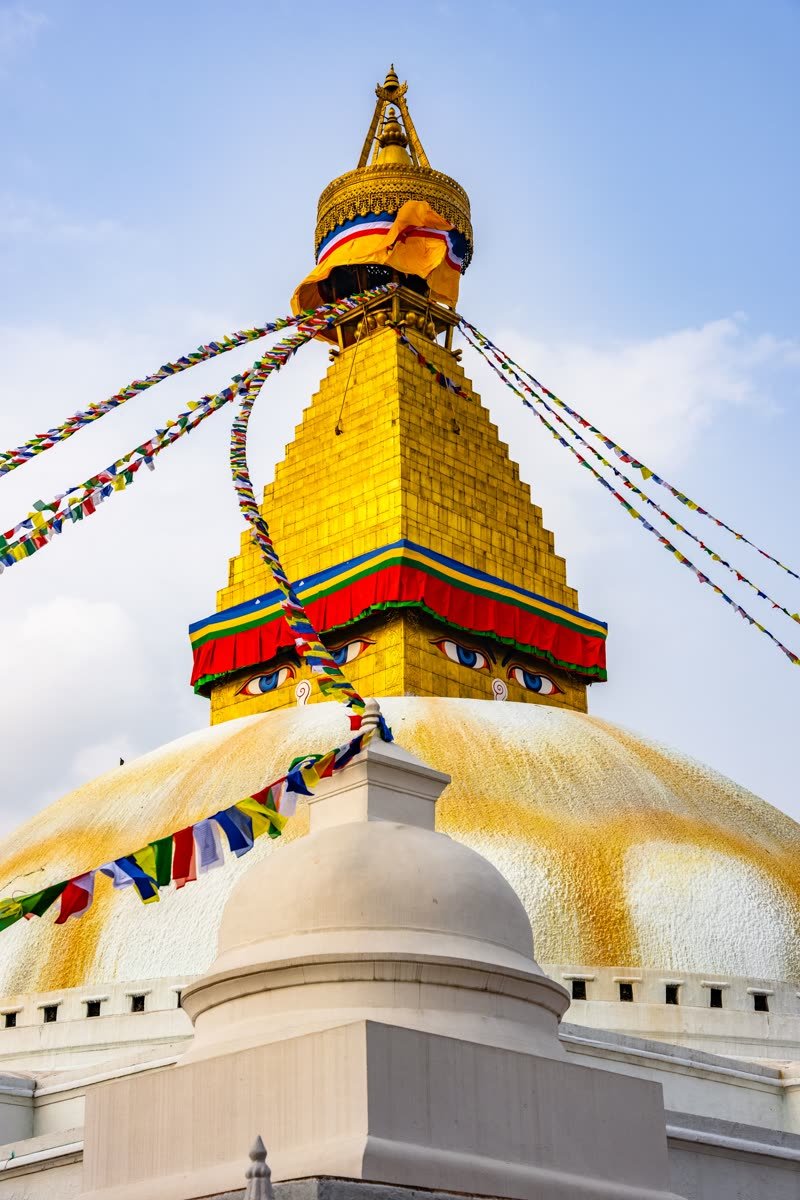
Additional permission branches beyond the main permit
The main film permit is often only part of the picture. Depending on where and how you film, one or more additional permissions may branch off the main pathway. Treating these as separate, parallel workstreams rather than afterthoughts is central to keeping a production on schedule.
Location-specific permissions. Certain places carry their own access considerations. Heritage sites, religious locations, protected natural areas, and some public spaces may each involve a distinct permission or coordination step, sometimes with a custodian or managing body rather than a general film office. Which authority applies depends entirely on the specific site.
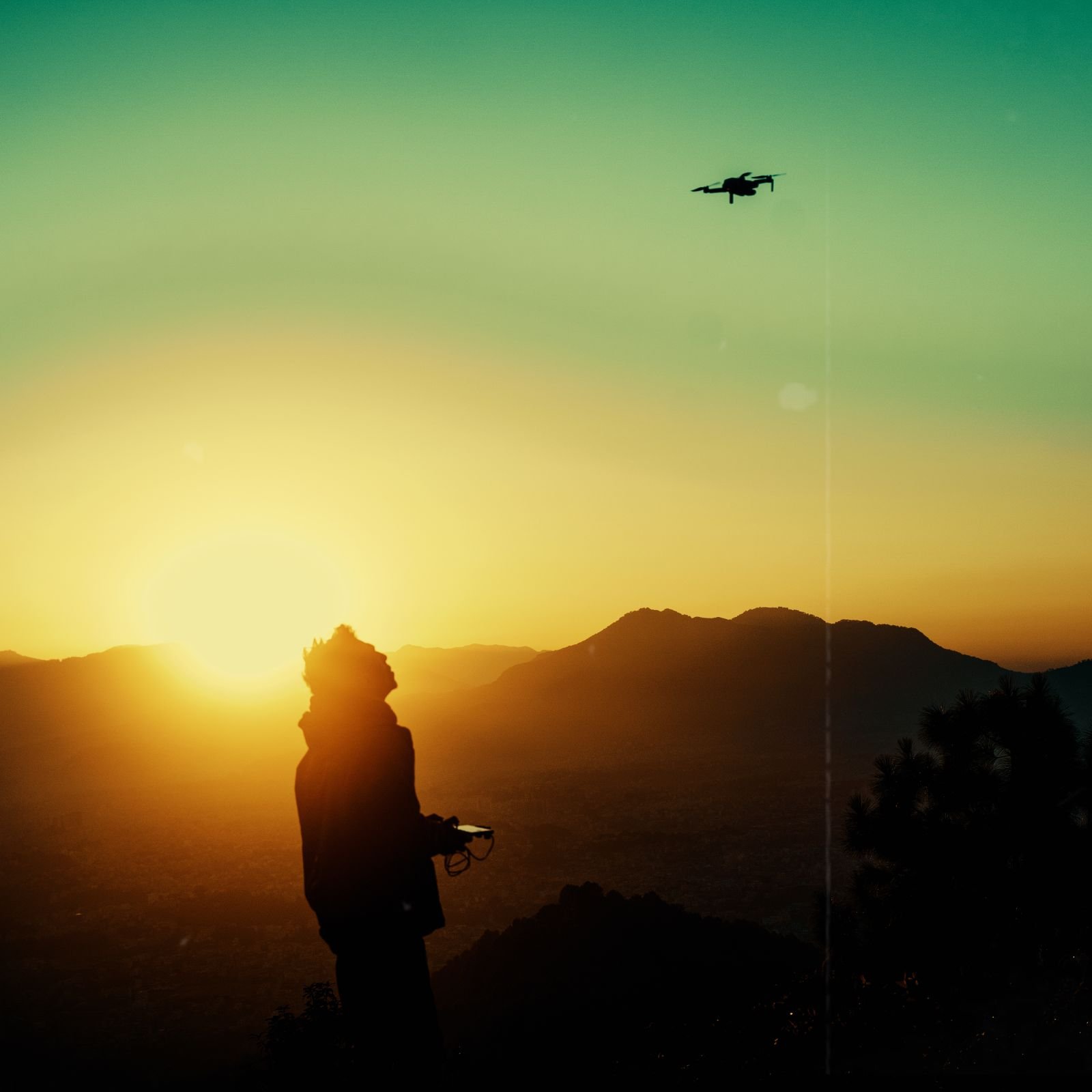
Drone permissions. Filming with a drone is a specialised activity that typically involves considerations separate from ground filming, relating to the aircraft, the operator, and where the flight will take place. Airspace near airports and sensitive or protected areas adds further complexity. We never promise drone permission; we help you understand what such a request generally involves and prepare accordingly.
Equipment and customs. Bringing professional equipment into the country introduces customs considerations, including how gear is documented for import and re-export. This branch can involve a specialist and should be aligned with your production timeline so equipment and permissions arrive together.
Activity-based permissions. Some activities, such as controlling a public road, managing a crowd, constructing a set, or filming a sensitive subject, may introduce their own coordination or approval steps.
Because each branch has its own inputs and its own timing, the practical lesson is the same throughout this page: define your full scope early so every branch can start in parallel and none becomes the bottleneck that holds up the rest.
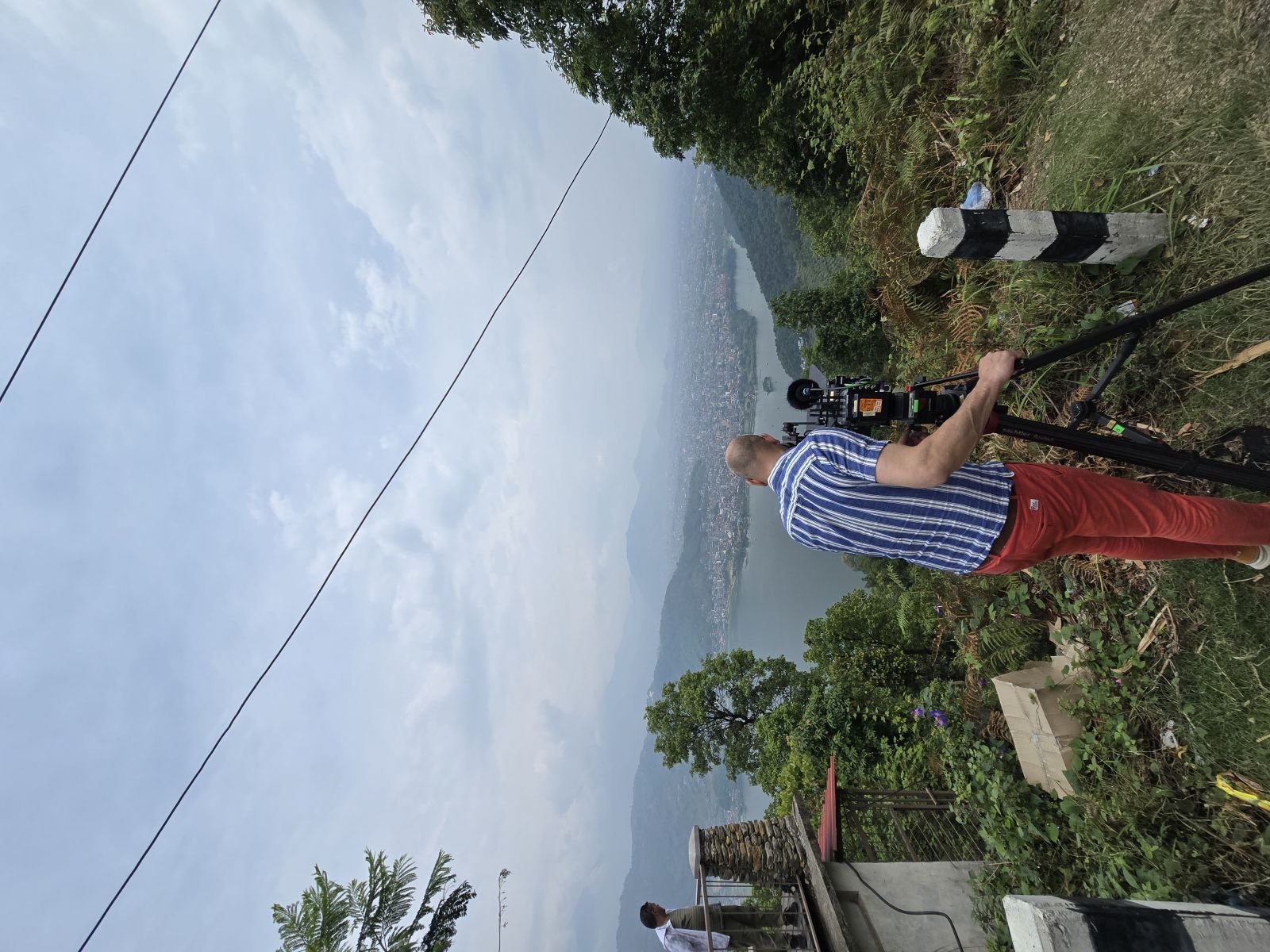
The clarification workflow
Almost no permit process is a straight line from submission to decision. It is normal for a reviewing authority to come back with questions, requests for additional detail, or requests for adjustment. How a production handles this clarification phase has a large effect on how long the overall process takes.
Clarifications usually fall into a few recognisable types. Some are requests to confirm or correct a specific fact, for example a name, a date, or an equipment detail. Some are requests for a document that was expected but not provided, or that was provided in a form that needs adjustment. Some are questions about the nature or intent of the shoot, particularly where a location or activity is sensitive. And some are requests to modify part of the plan.
Our role during clarification is to help you understand precisely what is being asked, gather an accurate response from you, and coordinate a clear and consistent reply. Speed matters here, but accuracy matters more: a rushed answer that introduces a new inconsistency can create a second round of questions and lose more time than it saves.
Because clarifications draw on the same source facts you provided at the start, the quality of your original inputs directly affects how easy this phase is. A production that supplied complete, consistent information usually finds clarifications light and quick. A production that left gaps often finds this is where those gaps surface.
We cannot predict whether an authority will raise clarifications, how many, or how quickly they will respond, because that sits entirely with the reviewing body. What we can do is keep you ready to respond promptly, keep every reply consistent with what came before, and make sure nothing waits on our side of the process.
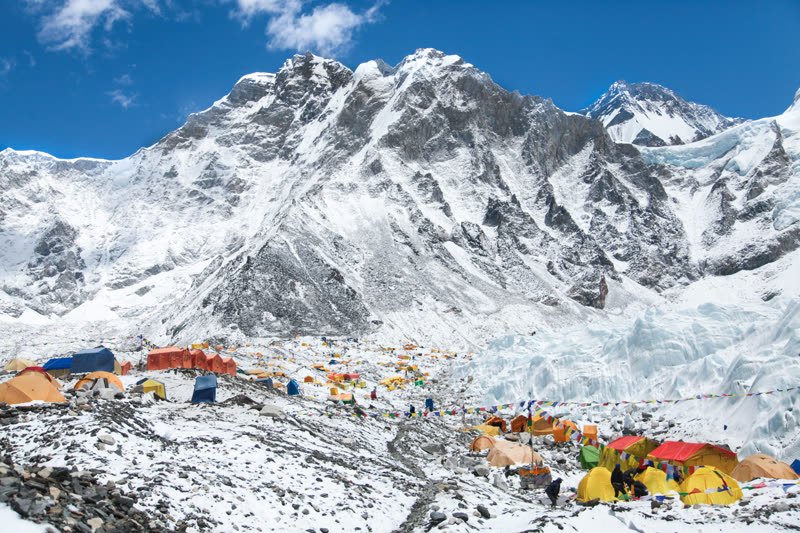
The scope-change workflow
Productions evolve. A location falls through and a new one is found. A creative decision adds a drone shot. A schedule shifts and pushes a shoot day into a sensitive area. Scope changes are a normal part of production life, and the process can accommodate them, but they need to be handled deliberately rather than absorbed quietly.
The first principle is to surface a change as soon as it is known. The earlier a change is raised, the more cheaply it can be handled and the less likely it is to disrupt work that is already underway. A change discovered late, after materials are prepared or submitted, is far more disruptive than the same change flagged in planning.
The second principle is to assess the change against the whole picture. A new location may introduce a new location-specific permission. Adding a drone opens a separate branch entirely. Changing dates can collide with holidays or closures, or move a shoot into a period with different considerations. A change that looks small on a call sheet can ripple through several documents.
Our role is to help you understand what a proposed change implies, identify any new permission branches it triggers, and adjust the affected documents so everything stays consistent. Where a change touches something already submitted, we help you understand what that means for the material in progress.
We are careful never to imply that a change can be pushed through faster than the underlying process allows, or that any new permission it triggers is assured. What we offer is a clear, honest read on the implications and orderly handling of the paperwork so that a change is a managed adjustment rather than a scramble. The discipline of deciding scope early, described elsewhere on this page, is exactly what keeps scope changes manageable when they do occur.
Decision and record handling
When an authority issues a decision, the work is not quite finished. How you read, understand, and store what you receive matters as much as obtaining it in the first place, because a permission almost always comes with conditions, and those conditions govern what you may actually do on location.
Read the whole thing. A permission may specify particular locations, particular dates, particular activities, or limits on things like crew size, equipment, or hours. It may attach requirements you must meet while filming. Skimming for the word approved and ignoring the conditions is a mistake, because the conditions are where the practical constraints live.
Understand what it does and does not cover. A main permit does not automatically cover every location or activity. If your plan includes elements that sit under a separate permission, the main decision does not speak to those. Being clear about the boundary of each permission prevents an on-location surprise.
Keep records accessible. Whatever you receive should be stored so that the relevant document can be produced on location if needed. Keeping decisions and their conditions organised, and making sure the people on the ground know what applies to each shoot day, is part of running a compliant production.
Our role is to help you interpret what a decision contains, make sure its conditions are understood by the people who need to know them, and keep the associated records organised. We do not decide what conditions are attached, and we cannot alter them; those come from the issuing authority. If a condition affects your plan, we help you understand the implication and, where needed, handle any consequent adjustment through the scope-change workflow.
Common mistakes productions make
Over and over, the same avoidable mistakes cost productions time and calm. Knowing them in advance is the cheapest possible insurance.
Treating the permit as an afterthought. Some productions lock travel and shoot dates first and turn to permissions late. Because preparation and any additional branches take time you cannot compress, starting late is the most common way to end up under pressure.
Underestimating scope. Planning around the main permit alone and overlooking that a heritage site, a protected area, a drone, or a road closure introduces its own process leads to unpleasant surprises. A full, honest scope from the start avoids this.
Submitting inconsistent information. Names that vary across documents, dates that do not match, an equipment list that disagrees with what actually arrives: each inconsistency is a question waiting to be asked. Cross-checking everything before it goes anywhere is basic discipline.
Vague equipment lists. An equipment list that a non-specialist cannot understand causes friction, particularly where customs considerations are involved. Clear, itemised descriptions prevent it.
Assuming timelines. Building a schedule on best-case timing, with no buffer for review time, clarifications, holidays, or closures, leaves no room when reality intervenes. Sensible buffers are not pessimism; they are planning.
Expecting guarantees. No support service can promise that a permission will be granted, that it will arrive by a certain date, that a drone flight will be allowed, that a specific location will be accessible, or that equipment will clear customs on a given day. Anyone who promises these things is not being straight with you. The honest position is that we prepare thoroughly and coordinate carefully, and the decisions rest with the authorities.
- Starting permit preparation too late
- Planning around the main permit and missing additional branches
- Letting information vary across documents
- Writing equipment lists only a specialist can read
- Scheduling with no buffer for review, holidays, or closures
- Expecting guaranteed approval, timing, or access
How our review works in practice
Because so much of this page stresses preparation, it is worth describing concretely how a review with us proceeds, so you know what to expect and what we will ask of you.
It begins with your project. You tell us what you are making, its purpose and format, roughly when and where you plan to film, and any elements you already know are involved, such as a drone, a heritage location, or imported equipment. This lets us give you an early read on which parts of the process are likely to apply.
We then map your scope to requirements. Based on your locations and activities, we outline the documents a production of your type typically prepares and the additional permission branches that may apply. Where a specific regulatory detail is involved, we confirm it against current official sources rather than stating it from memory, and we are candid when something depends on a factor outside anyone's control.
Next comes document work. As you supply materials, we check them for completeness and internal consistency, flag gaps and mismatches, and help you bring everything into a coherent set. This is where most of the value sits, because a clean, consistent document set is what carries the rest of the process.
From there we help prepare application materials and coordinate the practical steps, staying available through any clarification phase and handling scope changes in an orderly way if they arise.
Throughout, we keep your information confidential and handle your documents with care. We do not ask you to enter sensitive credentials into anything, we do not make decisions that belong to the authorities, and we do not promise outcomes. What we promise is thorough preparation, honest guidance, and steady coordination, which is what gives a production the best possible footing going into a process whose final decisions always rest elsewhere.
Planning your timeline realistically
A realistic timeline is built backwards from your first shoot day and forwards from an honest assessment of how long preparation takes. Productions get into trouble when they assume the fastest imaginable version of every step; they stay calm when they plan for a reasonable version and leave room for the parts they do not control.
Start with your fixed points. Your first day of principal filming, your travel dates, and any immovable creative milestones are the anchors. Everything else is arranged around them.
Work backwards through the stages. Before you can film, permissions need to be in hand. Before that, applications need to be prepared and reviewed by the relevant authority. Before that, your documents need to be complete and consistent. Before that, your scope needs to be defined. Each of those steps takes time, and some of them, particularly the authority's own review, are not something anyone can accelerate on your behalf.
Add the branches. If your project involves a drone, a protected area, a heritage or religious site, or imported equipment, each of those branches has its own preparation and its own timing. They can run in parallel with the main pathway, but only if you identify them early enough to start them in parallel.
Build in buffers. Clarifications may arise. Public holidays and office closures fall where they fall. Documents sometimes need a second pass. A schedule with no slack is a schedule that breaks under the first surprise.
We cannot quote you a specific number of days, because that depends on your scope and on authorities whose timing we do not control. What we can do is help you sequence the work sensibly, identify which branches need to start soonest, and flag where your assumptions look optimistic, so that your plan is grounded rather than hopeful.
Working with local coordination and specialists
Some parts of a Nepal shoot benefit from, or effectively require, people on the ground and specialists in particular areas. Understanding where these fit keeps a production from either overlooking a needed role or duplicating effort.
Local coordination. Having someone who understands local practice, can be present where presence is useful, and can help things run smoothly on the ground is valuable for many foreign productions. The exact shape of that role depends on your project, and which arrangements apply to your production is something we discuss based on your scope.
Customs and equipment specialists. Bringing professional gear into the country involves customs considerations that are a field of their own. For equipment-heavy productions, a specialist who handles import and re-export documentation can be an important part of the team, working alongside the main permit rather than instead of it.
Protected-area, heritage, and religious-site liaison. Certain locations involve custodians or managing bodies with their own expectations and, sometimes, their own coordination requirements. Where your plan touches such a location, aligning with the right people early is part of doing it properly.
Drone considerations. Drone work is specialised enough that it is worth treating as its own strand, with its own preparation, rather than folding it casually into general filming.
Our service helps you see the whole map: which roles your particular production genuinely needs, how they fit together, and how to keep them aligned so that no single strand quietly falls behind. We are careful not to overstate what any of these arrangements can guarantee. Coordination and specialist help improve preparation and reduce friction; they do not override the decisions that belong to the authorities, and we never present them as a way to secure an outcome that is not ours to promise.
Confidentiality and how we handle your documents
A permit process involves sensitive material: passport details, company documentation, crew information, schedules, and sometimes commercial or creative information you would not want circulating. Handling that material responsibly is a core part of the service, not a footnote.
We treat the information you share as confidential and use it only for the purpose of supporting your permit preparation. Your crew list, your equipment inventory, your schedule, and your project details exist in our hands to help you get ready, and for nothing else.
We are deliberate about how documents move and where they sit. Sensitive materials should travel and be stored in a controlled way rather than scattered across informal channels. We will guide you on how to share documents securely and we will not ask you to put sensitive credentials, such as passwords or financial account numbers, into any form or field as part of this process. Preparing a film permit does not require that, and any request that seems to demand it should be treated with suspicion.
We also keep the boundary of our role clear. We are a private support service. We hold your information to help you prepare; we do not act as a government office, we do not make regulatory decisions, and we do not use your material for anything beyond your engagement.
If you have specific confidentiality requirements, for example around an unreleased project, a sensitive subject, or contributors who need protection, raise them at the start so we can handle your materials accordingly from the outset. Building the right handling in from the beginning is far better than trying to add it later. Confidentiality, like the rest of the process described on this page, works best when it is planned deliberately rather than assumed.
| Process step | Who leads it | What it involves | What we do |
|---|---|---|---|
| Define project and scope | Your production, with our guidance | Establishing what you will film, where, with whom, and with what equipment | Ask the right questions and map your scope to likely requirements |
| Provide source facts and documents | Your production | Supplying accurate crew, company, equipment, schedule, and location details | Tell you what a production of your type typically needs to prepare |
| Check documents for gaps | Our support service | Reviewing materials for completeness and internal consistency | Flag missing items, mismatches, and likely questions before submission |
| Confirm regulatory specifics | Our support service | Establishing which requirements and authorities apply to your case | Verify details against current official sources rather than from memory |
| Prepare application materials | Our support service, with your input | Assembling a clear, coherent submission from sound documents | Prepare and organise materials so they present consistently |
| Review and decide | The relevant Nepali authorities | Assessing the submission and granting or refusing permission | Coordinate the submission; we do not make or influence the decision |
| Respond to clarifications | Your production and our service together | Answering authority questions accurately and consistently | Help you understand what is asked and coordinate a clear reply |
| Handle additional permission branches | Varies by location and activity | Managing drone, heritage, protected-area, customs, or activity permissions | Identify branches early and keep them aligned with the main pathway |
| Read and store decisions | Your production, with our guidance | Understanding conditions and keeping records accessible on location | Help interpret conditions and keep associated records organised |
Responsible-party matrix: who owns each part of the film permit process
What this includes
- Explaining the end-to-end permit process for your production type
- Mapping your locations and activities to likely requirements
- Telling you which documents a production like yours typically prepares
- Reviewing your documents for completeness and internal consistency
- Flagging gaps, mismatches, and likely clarification triggers
- Confirming regulatory specifics against current official sources
- Helping prepare and organise application materials
- Coordinating the practical steps of the process
- Identifying additional permission branches early
- Supporting you through clarifications and scope changes
- Helping interpret decision conditions and organise records
- Handling your documents confidentially and with care
What this does not include
- Issuing film permits or any other permission ourselves
- Acting as, or on behalf of, any government office
- Making or influencing the decision to grant or refuse a permit
- Guaranteeing approval, a specific timeline, or a specific outcome
- Promising drone permission, location access, or customs clearance
- Asserting specific government fees, amounts, or processing times as fixed facts
- Naming a single current issuing authority as verified without confirmation
- Providing legal advice or acting as your legal representative
- Entering sensitive credentials or payment details on your behalf
- Compressing an authority's own review time, holidays, or closures
Frequently asked questions
No. We are an independent, privately operated production-support service based in Kathmandu, and we do not issue permits of any kind. Permits and permissions are granted only by the relevant Nepali authorities, and which authority applies depends on your specific locations and activities. Our role is to help you understand the process, prepare and check your documents, and coordinate the practical steps. The decision to grant or refuse always rests with the authorities, never with us.
There is no single fixed duration we can promise, because the timing depends on your scope and on authorities whose review time we do not control. A shoot involving only straightforward filming is different from one involving a drone, a protected area, or imported equipment, and each additional branch adds its own preparation and timing. What we can do is help you sequence the work sensibly, identify which parts need to start soonest, and build realistic buffers for clarifications, holidays, and office closures. Planning backwards from your first shoot day with honest assumptions is far safer than counting on best-case timing.
The authority that applies depends on what you are filming and where, so it is not something we state as a single fixed answer from memory. Different locations and activities can involve different offices, custodians, or managing bodies, and heritage sites, protected areas, and drone flights in particular may involve their own processes. During your review we confirm which requirements and which authority apply to your specific case against current official sources. This is deliberately conditional because giving you a confidently wrong name would be worse than confirming the correct one for your situation.
No, and you should be cautious of anyone who does. We cannot guarantee approval, a specific processing time, drone permission, access to any particular location, or customs clearance, because those decisions rest entirely with the relevant authorities. What we can genuinely offer is thorough preparation, careful checking of your documents, honest guidance about what your project involves, and steady coordination of the process. Good preparation gives your production the best possible footing, but the final decision is always the authority's to make.
At a minimum we need to understand your project: what you are making, its purpose and format, roughly when and where you plan to film, and any elements you already know are involved such as a drone, a heritage site, or imported equipment. As the work progresses you will supply source materials such as producer and company information, a current crew list, a clear equipment list, and a schedule that maps dates to locations. The more complete and accurate these are, the faster and smoother the process runs. Incomplete or inconsistent information is the single most common cause of delay.
Beyond the main film permit, certain locations and activities carry their own permissions that branch off the main pathway. Common examples include drone filming, heritage sites, religious locations, protected natural areas, some public spaces, road closures, crowd management, and set construction, along with customs considerations for imported equipment. Each branch has its own inputs and its own timing, and which ones apply depends on your specific plan. They can usually run in parallel with the main application, but only if you identify them early enough to start them alongside everything else.
That is a normal part of the process and is called the clarification phase. An authority may ask you to confirm a detail, provide an additional document, or adjust part of your plan. We help you understand exactly what is being asked, gather an accurate response, and coordinate a clear and consistent reply. Speed helps, but accuracy matters more, because a rushed answer that introduces a new inconsistency can create a second round of questions. Productions that supplied complete, consistent information at the start usually find this phase light and quick.
Scope changes are a normal part of production life and the process can accommodate them, but they should be raised as soon as they are known. The earlier a change surfaces, the more cheaply it can be handled and the less it disrupts work already underway. We help you understand what a change implies, identify any new permission branch it triggers, and adjust the affected documents so everything stays consistent. We will never imply that a change can be pushed through faster than the underlying process allows, or that any new permission it triggers is assured.
It depends on your project. Many foreign productions benefit from local coordination, and equipment-heavy productions often work with a customs specialist who handles import and re-export documentation. Locations such as protected areas, heritage sites, and religious sites may involve custodians or managing bodies with their own coordination requirements, and drone work is specialised enough to treat as its own strand. We help you see which roles your particular production genuinely needs and how they fit together, without overstating what any of them can guarantee, since coordination improves preparation but does not override decisions that belong to the authorities.
We do not state specific fees or amounts as fixed facts, because official charges depend on your scope and are confirmed against current official sources rather than quoted from memory. Costs can involve several elements depending on your project, and different locations or activities may carry their own charges. During your review we help you understand the categories of cost that are likely to apply to your production and confirm the specifics against current sources. Being wary of anyone quoting precise, unverified figures is sensible, since those figures change and vary by case.
We treat the information you share as confidential and use it only to support your permit preparation. We are deliberate about how sensitive documents move and where they are stored, and we will guide you on sharing materials securely rather than scattering them across informal channels. We will never ask you to enter sensitive credentials such as passwords or financial account numbers into any form as part of this process, because preparing a permit does not require that. If you have specific confidentiality needs, for example around an unreleased project or contributors who need protection, raise them at the start so we build the right handling in from the beginning.
A permission almost always comes with conditions, which may specify particular locations, dates, activities, or limits on things like crew size or hours, and it may attach requirements you must meet while filming. It is important to read the whole thing rather than skim for the word approved, because the conditions govern what you may actually do on location. Keep records accessible so the relevant document can be produced on location if needed, and make sure the people on the ground know what applies to each shoot day. We help you interpret the conditions and keep the associated records organised, though we do not decide or alter what conditions are attached.
Because being confidently wrong about a regulatory detail could genuinely harm your production, and those details change and vary by case. Fees, processing times, and which authority applies all depend on your specific scope, and they are the kind of facts that should be confirmed against current official sources rather than recited from memory. When we are certain, we say so plainly; when a detail depends on your case or on current sources, we tell you that honestly and confirm it during your review. That candour is more valuable to you than a tidy but unreliable answer.
Yes. Productions often come to us partway through, sometimes after hitting a gap or a clarification they did not expect. We can review where things stand, check your existing documents for completeness and consistency, identify any additional permission branches that were missed, and help you move forward in an orderly way. Coming in mid-process is common and we are used to picking up from wherever you are. The sooner you involve us when something feels stuck, the more room there is to put it right without disrupting your schedule.
Define your full scope early and arrive with complete, consistent information. Most delays trace back to missing details, facts that vary across documents, or additional permission branches that were identified too late to run in parallel. When your scope is settled and your crew list, equipment list, schedule, and project description are complete and consistent, preparation moves quickly and clarifications tend to be light. Deciding scope early also makes any later scope change far easier to absorb. Preparation is the part of this process you fully control, and it is where the biggest gains are.