Timeline is often the single most important variable in a foreign production's Nepal shoot, because the calendar rarely bends once flights, crew day rates, talent availability and post deadlines are locked. This page explains how a film permit timeline in Nepal actually behaves for international productions, and how we help you plan around it as an independent, privately operated production-support service based in Kathmandu. We are not a government office and we do not issue permits. What we do is help you sequence your preparation so that the parts you control are finished early, and the parts that depend on official review are entered as clean and complete as possible.
The honest truth about timing is that no private party can promise a specific number of days for any official decision, and anyone who guarantees a fixed turnaround should be treated with caution. Processing time depends on the authority involved, the completeness of your documents, whether your project touches sensitive locations or activities such as protected areas or drone work, and the ordinary rhythm of public holidays and office closures. What you can control is your own readiness, and readiness is where most delays are actually created or avoided.
Throughout this page we describe timing as a chain of dependencies rather than a single countdown. You will see how preparation, document review, application readiness, clarification, and any additional permissions stack on top of one another, and where the common bottlenecks sit. We also explain how to build a schedule with buffer, how public holidays interact with your dates, and how scope changes ripple through a plan you thought was settled. Every specific fee, duration, or authority name is confirmed against current official sources during your review, never asserted here as fixed fact.
How to read a Nepal film permit timeline
A film permit timeline in Nepal is best understood as a series of linked stages rather than a single waiting period. Each stage produces an output that the next stage depends on, so a delay early in the chain pushes everything after it. If you picture the whole thing as a countdown to a single decision, you will consistently underestimate how much lead time you need, because you will forget the preparation, review and clarification that sit in front of that decision.
The first thing to accept is that two categories of time exist and they behave very differently. There is preparation time, which you and your team largely control, and there is official review time, which you do not control and which no private party can promise on your behalf. Preparation time can be compressed by working efficiently and starting early. Official review time cannot be compressed by pressure, and attempts to rush it usually backfire through incomplete submissions that trigger avoidable clarification requests.
The second thing to understand is that completeness is the biggest lever you actually hold. A clean, internally consistent application that answers the obvious questions before they are asked tends to move more smoothly than one that arrives with gaps, mismatched names, missing translations or vague location descriptions. Much of the value in preparing carefully is not that it speeds up the authority, but that it avoids the back-and-forth that quietly consumes weeks.
Third, some elements of a production carry their own separate timelines that run alongside or after the main pathway. Drone activity, protected areas, heritage locations and imported equipment can each add their own preparation and review, and these do not always start when the main application starts. Treating them as afterthoughts is one of the most common scheduling mistakes we see.
Finally, the calendar itself matters. Public holidays, festival periods and office closures can fall in ways that extend an otherwise ordinary timeline. Because Nepal observes a rich festival calendar, a plan that ignores these dates can be quietly optimistic. Throughout the rest of this page we walk through each stage in order, so you can build a schedule that reflects how the work actually flows rather than how you wish it flowed.
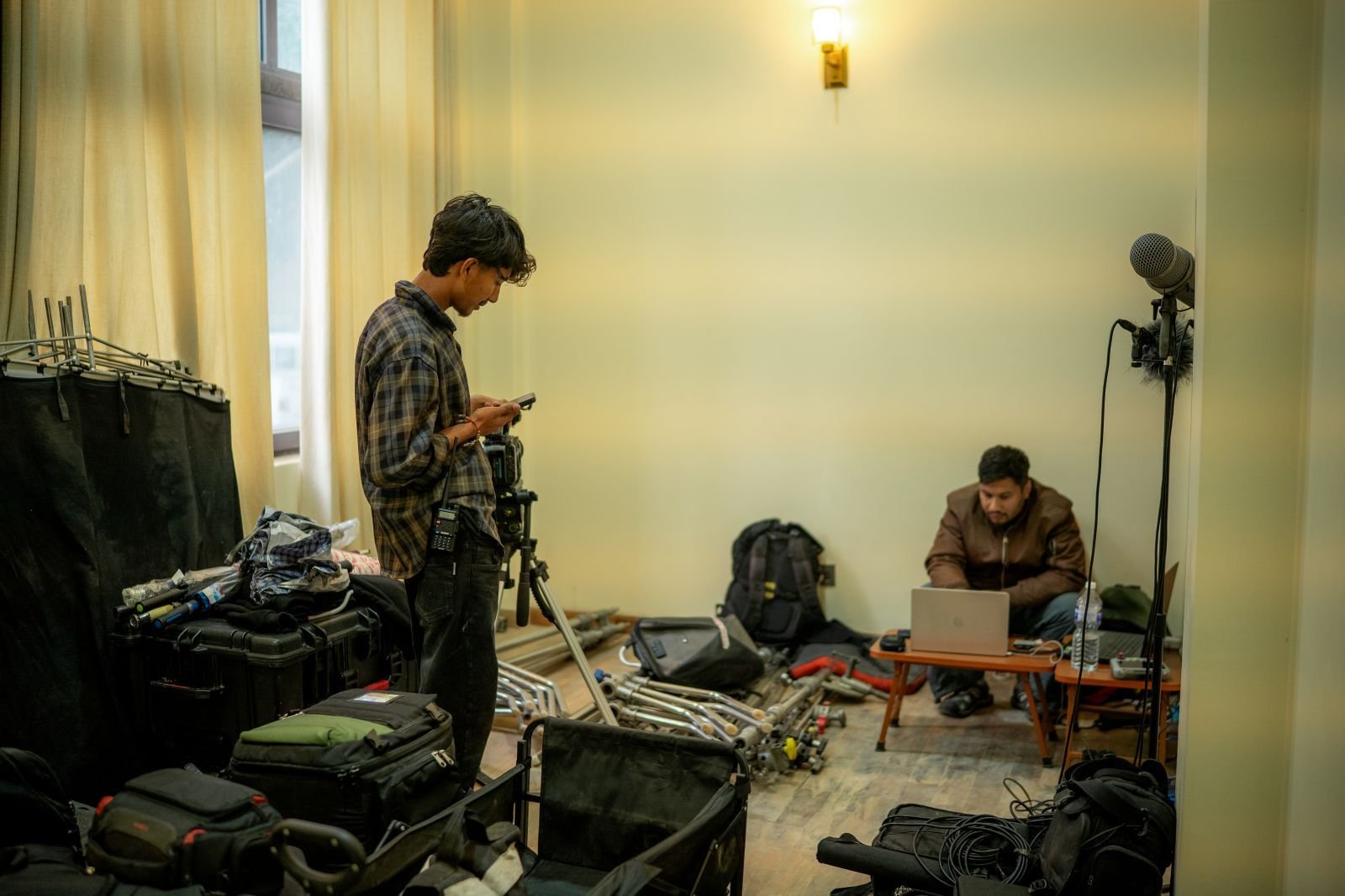
The timeline dependency planner
When we help a production plan its schedule, we lay the work out as a dependency chain and then attach realistic buffers to each link. The point of a dependency planner is to make visible which tasks must finish before others can begin, so you know where your true critical path runs. The critical path is the sequence of dependent tasks that determines your earliest possible readiness, and it is rarely the sequence people assume.
The chain generally runs from initial scoping, to information gathering, to document preparation, to document review, to application readiness, to submission coordination, and then into any clarification and any additional permissions. Some of these overlap. You can prepare crew documents while you are still finalising locations, for example. Others are strictly sequential, because you cannot sensibly finalise an application before you know which locations and activities it must cover.
We encourage productions to work backwards from the first day of principal photography rather than forwards from today. Fix the shoot date, then place the point by which the production needs to be confident enough to commit non-refundable costs, then place the readiness milestone before that, then place document review before that, and so on. Working backwards exposes how little slack usually exists once flights and talent are locked.
The planner also flags parallel tracks. Anything involving a drone, a protected area, a heritage or religious site, or imported equipment tends to open a second track that must be started early and watched independently. If any of these tracks is longer than your main track, it becomes your real critical path, and the main application timeline is no longer what determines your readiness.
We do not attach specific day counts to these links as universal facts, because the honest answer depends on your authority, your locations and your completeness. What we do is help you assign your own realistic estimates and, crucially, generous buffers, so that a single slow response somewhere in the chain does not collapse your entire schedule. A planner with no buffer is not a plan, it is a hope.
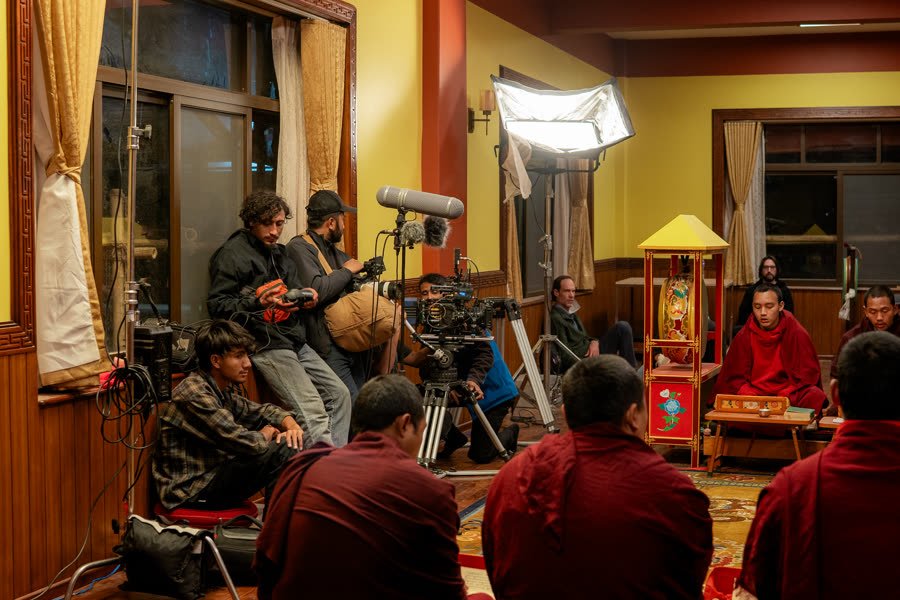
Pre-application preparation time
Pre-application preparation is the stage where the most time is either saved or wasted, and it is almost entirely within your control. This is the period before anything is formally submitted, when you assemble the raw materials that an application will be built from. Productions that treat this stage seriously tend to have far smoother experiences later, because the difficult questions get answered while there is still time to answer them well.
The core of preparation is assembling accurate information about your production. That includes the production company details, the nature and purpose of the project, a synopsis or treatment appropriate to the production type, a crew list with roles and nationalities, a provisional location list, a shooting schedule, and an equipment overview. None of these need to be perfect on day one, but they need to exist in draft so that gaps become visible early.
A large part of preparation is simply chasing your own team for documents that take time to obtain. Passport copies, company registration papers, letters from commissioning organisations, insurance certificates and similar items often live with different people in different countries, and gathering them always takes longer than anyone expects. Starting these requests early is one of the simplest ways to protect your timeline.
Preparation is also when translation needs surface. Documents that originate in other languages may need to be prepared in a form suitable for official review, and translation and certification take their own time. Discovering a translation requirement late, after other elements are ready, is a classic avoidable delay, so we flag likely translation needs during preparation rather than at submission.
Finally, preparation is when you decide what your project actually is, in a form that will be consistent across every document. Ambiguity about locations, dates or activities at this stage tends to reappear later as clarification requests. The more decisively you can define the shoot during preparation, the less time you lose to internal indecision dressed up as external delay. We help structure this stage so that preparation is thorough rather than merely busy.
Document review and its place in the timeline
Document review sits between your preparation and your application, and it exists to catch problems while they are still cheap to fix. The core idea is simple: it is far faster to correct a mismatched name or a missing signature before submission than to discover it through an official clarification request afterwards. Review is therefore a timeline protector, even though it adds a step, because the step it adds is short relative to the delays it prevents.
In a review we look at each document group for completeness, internal consistency and obvious readiness issues. We check that names, company details and dates match across documents, that required signatures are present, that translations exist where they are likely to be needed, and that the location and activity descriptions are specific rather than vague. We do not adjudicate whether an authority will accept anything, because that is not ours to decide, but we can flag the things that commonly cause avoidable friction.
The output of a review is a gap list: what is present and ready, what is present but needs work, and what is missing entirely. This gives the production a clear, prioritised task list rather than a vague sense that something might be wrong. Productions can then close the gaps in parallel, which is far more efficient than discovering them one at a time through official feedback.
Review time depends heavily on how much material there is and how ready it already is. A tight documentary with a small crew and a couple of straightforward locations reviews quickly. A large production with many crew nationalities, multiple sensitive locations and imported equipment takes longer, simply because there is more to check and more ways for inconsistencies to creep in.
We treat review as iterative when needed. A first pass identifies gaps, the production closes them, and a shorter second pass confirms readiness. Building a little time for that loop into your schedule is wise, because the alternative is closing gaps under the pressure of an approaching submission, which is exactly when mistakes happen. A calm review early beats a frantic one late.

Application preparation and readiness
Application preparation is where reviewed documents are assembled into the form an application requires, and where the production crosses from having materials to being genuinely ready to submit. Readiness is a meaningful milestone, and we treat it as one, because submitting before you are truly ready is one of the surest ways to invite delay through clarification.
At this stage the focus shifts from gathering to organising. The application typically needs information presented in a particular structure, with supporting documents arranged so that the connection between them is clear. A well-organised submission answers the obvious follow-up questions within itself, which reduces the chance that a reviewer has to stop and ask. Disorganisation, by contrast, invites questions even when all the underlying facts are fine.
We pay particular attention to consistency at this stage, because an application is read as a whole. If the crew list, the schedule and the location plan tell slightly different stories about who is filming what and where, that inconsistency is visible and it slows things down. Making sure every document agrees with every other document is unglamorous work, but it is some of the most valuable work in the entire timeline.
Application preparation is also when you finalise which pathways and which additional permissions your project actually triggers, so that nothing is discovered mid-review. If your project touches a protected area or involves a drone, the readiness milestone should include the recognition that those separate tracks exist and have been started, not a surprise that surfaces after submission.
Readiness does not mean the decision is close. It means the production has done everything it controls, and the remaining time belongs to official review, which no private party can promise. We are careful to frame readiness honestly: reaching it is an achievement worth celebrating, but it marks the handover from your controllable time to the authority's review time, and the latter runs on its own schedule regardless of how well prepared you are.
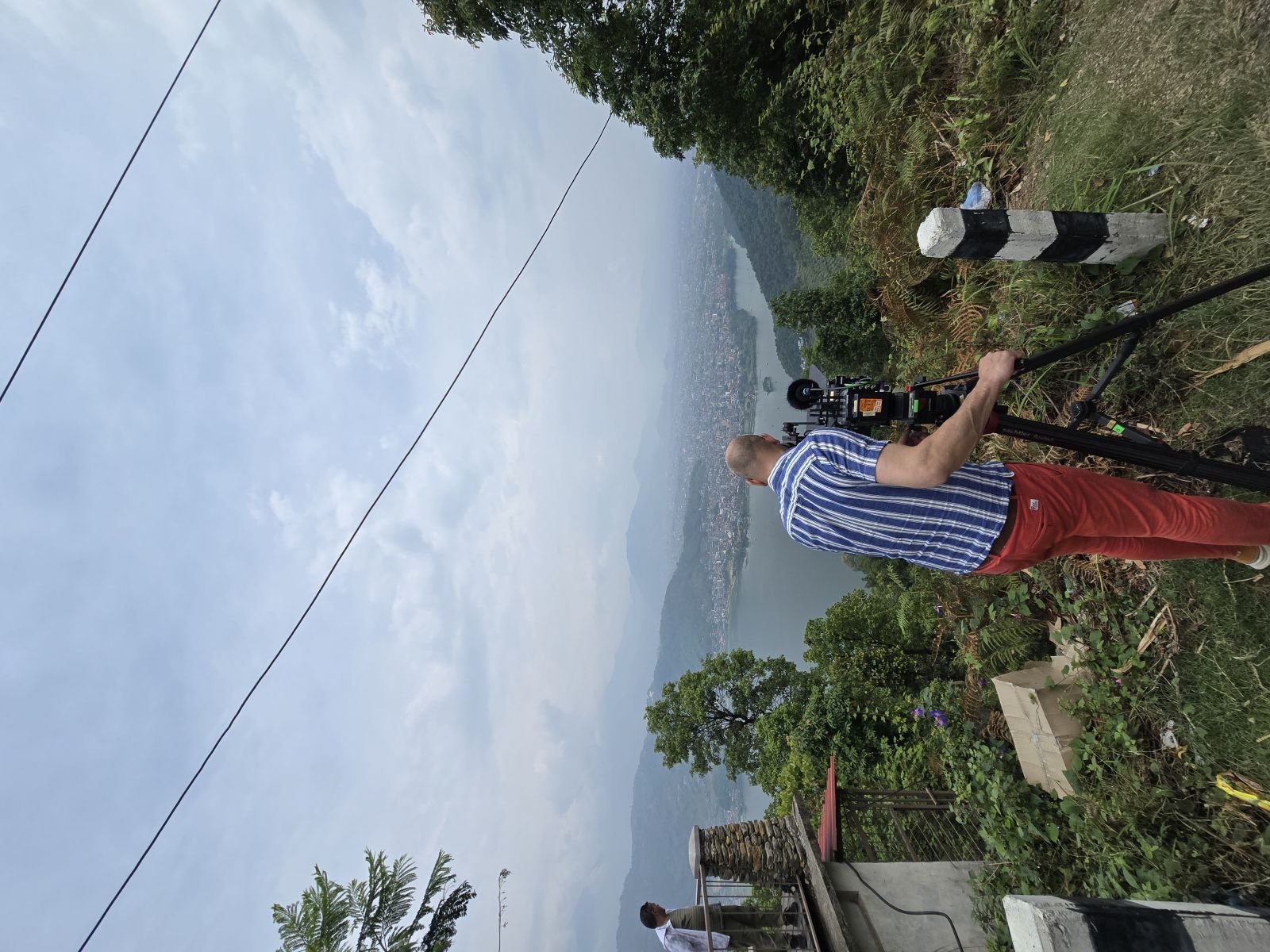
Clarification time and how to shrink it
Clarification is the stage most likely to surprise a production, because it can appear after you believed the hard part was over. A clarification is simply a request for more information, a correction, or an explanation, and it pauses the clock while the production responds. The important insight is that clarification time is partly within your control, because how fast and how completely you respond determines how long this stage lasts.
The best way to shrink clarification time is to prevent clarifications in the first place, which is exactly what careful preparation and review are for. A complete, consistent, specific application gives a reviewer fewer reasons to stop and ask. Most clarification requests trace back to something that could have been caught earlier: a missing document, a name that does not match, a location described too vaguely, or an activity that raises an obvious question the application did not pre-empt.
When a clarification does arrive, speed matters enormously. A request that could be answered in a day sometimes sits for a week because the person who can answer it is travelling, or because the answer requires a document nobody prepared. We encourage productions to keep a responsive point of contact available through the review period, and to keep their source documents organised so that answers can be assembled quickly.
Completeness of the response matters as much as speed. A partial answer that triggers a second clarification doubles the delay. It is better to take an extra half day to answer thoroughly, addressing not just the literal question but the concern behind it, than to fire back a quick reply that invites another round.
We help by anticipating likely clarification points during preparation and by keeping your documentation organised so responses are fast. We cannot promise that clarifications will not occur, and we cannot promise how an authority will respond, but we can make sure that when a question comes, your side of the exchange is not the slow part. In practice, a production's own responsiveness is often the difference between a minor pause and a serious delay.
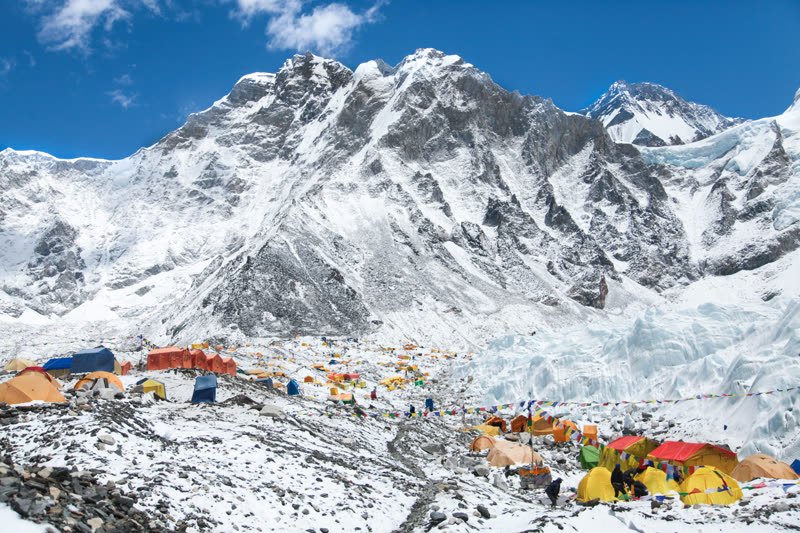
Additional permissions and their parallel timelines
Additional permissions are the elements of a production that carry their own separate timelines, and they deserve special attention because they are so often underestimated. Drone activity, protected areas, heritage and religious sites, restricted areas and imported equipment can each open a track that runs alongside your main preparation, with its own information requirements, its own preparation and its own review by whichever body is responsible.
The critical scheduling point is that these tracks do not always begin when your main application begins, and they do not always end at the same time. If a drone permission or a protected-area permission takes longer to prepare and clear than your main pathway, then that track, not the main application, is what determines when you can actually shoot the affected scenes. Productions that discover this late are forced to either drop the scene, reschedule, or absorb costly waiting time.
Because of this, we identify additional-permission triggers as early as possible, ideally during initial scoping, so that each track can be started in parallel rather than in sequence. Starting them in sequence, one after the main application is done, is a reliable way to blow a schedule, because it stacks timelines that could have overlapped.
Each type of additional permission behaves differently, and which authority applies depends on your specific locations and activities. We do not assert here that a particular named body issues a particular permission, because that depends on your case and is confirmed against current official sources during your review. What we can say confidently is that these permissions exist as a category, that they take their own time, and that they must be planned as independent tracks.
The practical guidance is to treat any sensitive location or specialised activity as a scheduling flag the moment it appears in your plan. A single drone shot over a heritage site, for instance, can touch more than one track at once. Mapping these early, and giving each its own realistic buffer, is the difference between a plan that survives contact with reality and one that quietly assumed everything would happen at once.
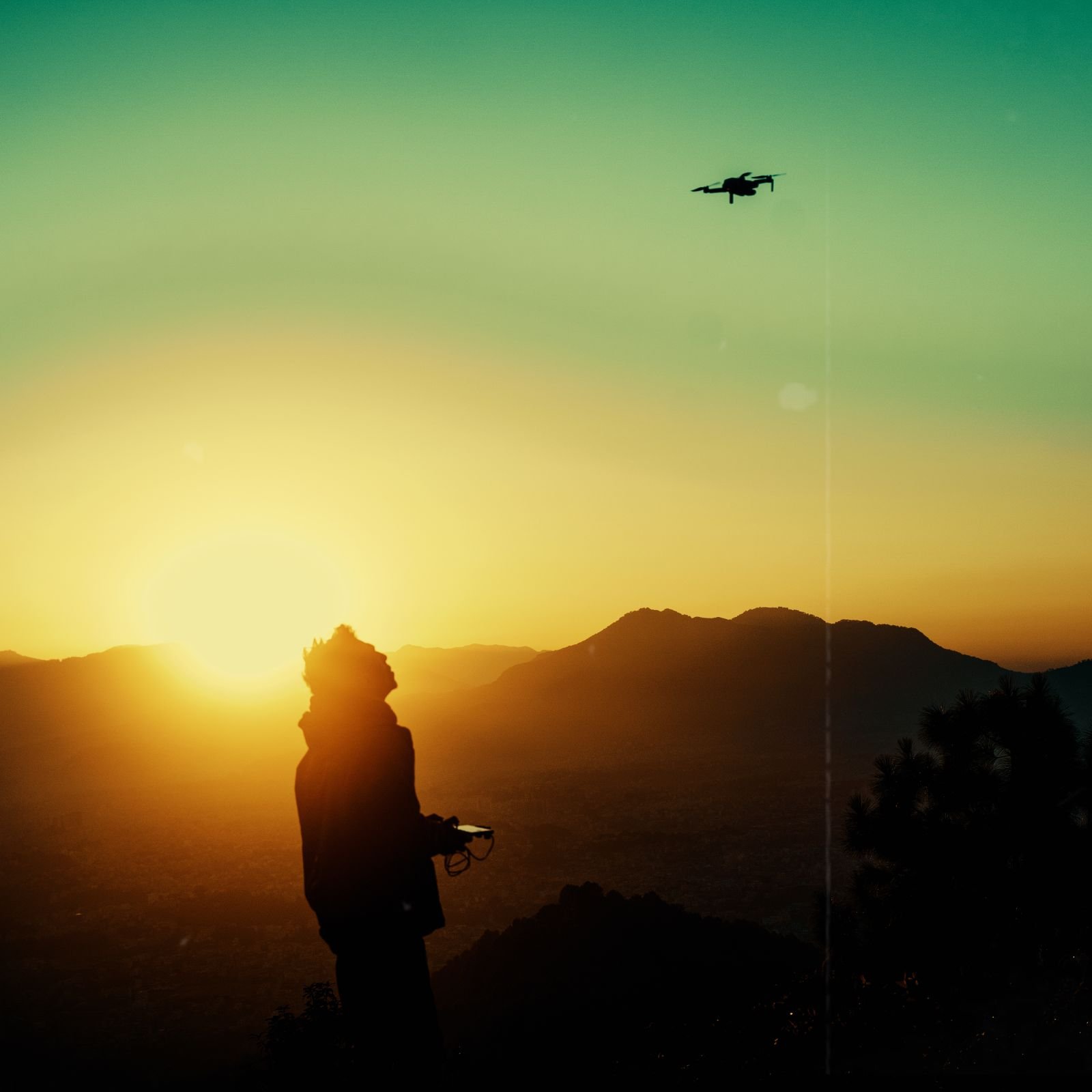
How scope changes reshape a timeline
Scope changes are the most common way a settled timeline comes undone, and they are worth understanding before they happen rather than after. A scope change is any material shift in what, where, when or how you are filming: a new location, an added drone shot, an extra shooting day, a change of crew, or a move into a sensitive area that was not in the original plan. Each of these can ripple through a schedule that looked finished.
The reason scope changes matter so much is that they can reopen work you thought was closed. Adding a location may require new location-specific preparation. Adding a drone shot may open an entirely new permission track. Changing crew may require new documents and new translations. A change that feels small creatively can be significant administratively, and the administrative time does not care how minor the creative adjustment seemed.
Timing determines the cost of a scope change. A change identified during preparation is usually absorbed with little disruption, because nothing downstream has been built yet. The same change identified after readiness, or after submission, is far more disruptive, because it can require redoing work and potentially restarting a review. The later the change, the more it costs in time.
We handle scope changes by re-running the dependency logic for the changed element only, rather than treating the whole plan as broken. The question is always: what does this change depend on, what depends on it, and does it open a new parallel track? Answering that quickly lets us tell you honestly whether a change is absorbable within your existing schedule or whether it threatens your dates.
The practical advice is to lock scope as early as you responsibly can, and to treat every proposed late change as a scheduling question, not just a creative one. When a director asks for one more location three weeks before the shoot, the right first response is to check what that location triggers. We help you make that assessment fast, so that scope decisions are made with their timeline consequences visible rather than discovered afterwards.

Public holidays, festivals and office closures
The calendar is a real and often underestimated factor in any Nepal film permit timeline. Nepal observes a rich and busy festival calendar, and during major festivals and public holidays, offices may be closed and normal processing may pause. A timeline that ignores these dates is quietly optimistic, because it assumes every day is a working day when in practice clusters of non-working days can fall exactly when you need progress.
The most important festival periods can span several days and can affect not just official offices but also the availability of local partners, transport and services. During these periods, even preparation work that depends on other people can slow down, because the people you need are observing the holiday. This is entirely reasonable and expected, but it must be planned around rather than resented.
The practical implication is that you should check your key dates against the festival calendar early, and add buffer around any period that overlaps a major holiday cluster. If your preparation or review window falls across a significant festival, assume that fewer working days are available than the raw calendar suggests, and plan accordingly. We flag these overlaps when we review your schedule, because they are easy to miss from abroad.
Weekly working patterns also differ from what some international productions expect, and the effective number of working days in a given week may be different from a standard assumption imported from home. Building your plan on your home country's working week is a subtle but real source of slippage.
We do not publish a fixed list of specific dates here as permanent fact, because festival dates vary year to year and the exact impact on any office depends on the year and the location. What we do during a schedule review is check your specific dates against the relevant calendar for your production window, and help you place buffers so that a holiday cluster is an anticipated feature of your plan rather than a nasty surprise that arrives mid-preparation.
Building buffer into your schedule
Buffer is the single most valuable thing a production can add to a Nepal permit timeline, and it is also the thing most often cut first under budget or scheduling pressure. Buffer is simply deliberate slack: time you set aside not for a specific task but to absorb the variability that every real timeline contains. Without it, a single slow response anywhere in the chain forces a scramble, and scrambles cause mistakes that cause further delay.
The reason buffer is essential is that official review time is genuinely variable and outside your control. You cannot promise it, we cannot promise it, and no honest party can. Given that the review portion of your timeline has real uncertainty, the only responsible response is to give yourself room. A plan that only works if every step goes at its fastest plausible pace is not a plan, it is a gamble.
We recommend placing buffer at the points of greatest uncertainty rather than spreading it thinly. The largest buffers belong around official review, around any additional-permission track touching sensitive locations, and around any period overlapping a festival cluster. Preparation tasks that you control need less buffer, because you can compress them by working harder; review time you cannot compress at all.
Buffer also protects you from your own scope changes. If a director adds a location or the shape of the shoot shifts, buffer is what lets you absorb that without threatening your dates. A schedule built with no slack treats every change as a crisis, whereas a schedule with sensible buffer treats most changes as manageable adjustments.
The hardest part of buffer is defending it. There is always pressure to assume the optimistic case and book flights sooner, and buffer looks like wasted time until the day you need it. Our role during planning is to help you decide how much buffer is prudent for your specific risk profile, and to be honest that a lean, sensitive, drone-heavy shoot needs far more buffer than a small, simple, straightforward one. The buffer you resent in planning is the buffer that saves your shoot in execution.
Timeline differences by production type
Not all productions face the same timeline shape, and understanding where your production type sits helps you plan realistically. The variables that drive timing are largely the same across types, completeness, location sensitivity, additional permissions and scope stability, but different production types tend to load those variables differently, which changes where their time actually goes.
A small documentary or factual shoot with a compact crew and a couple of straightforward locations tends to have the simplest timeline, because there is less material to prepare and fewer moving parts to keep consistent. That said, documentaries can complicate quickly if they touch sensitive subjects, protected areas or contributors whose participation needs careful handling, so a small crew does not automatically mean a short timeline.
A feature film or a larger production typically carries a heavier preparation load, because there are more crew nationalities, more documents, more locations, often sets or construction, and frequently imported equipment. More elements means more consistency to maintain and more parallel tracks to watch, which naturally lengthens the preparation and review portions of the timeline even before any official review begins.
Commercial and music video productions often move fast creatively but can be timeline-sensitive because of late scope changes, public-space filming and usage considerations. The creative process on these projects tends to keep evolving close to the shoot, which is exactly the pattern that stresses a permit timeline. Locking scope early is especially valuable here, and especially difficult.
Productions involving drones, heritage or religious sites, protected areas or restricted areas, regardless of type, inherit the longer parallel timelines those elements carry. A tiny crew shooting a single drone sequence over a sensitive site can have a longer effective timeline than a larger crew shooting straightforward interiors, because the sensitive element, not the crew size, sets the pace. We match our planning to your specific combination rather than to a generic template for your genre, because the genre label alone does not tell us where your real time will go.
What we do and where our role ends
It helps to be precise about what an independent, privately operated support service can and cannot do for your timeline, because that boundary shapes what we can honestly promise. We are a private company in Kathmandu that helps foreign productions prepare, organise and coordinate their permit-related documentation. We are not a government office, we do not issue permits, and we cannot decide or control how long an official review takes.
What we do is real and valuable. We help you scope your production, identify which pathways and additional permissions it triggers, gather and review your documents, spot gaps and inconsistencies before they cause delay, prepare application materials into a clean and consistent form, coordinate submission, and help you respond quickly and completely to clarifications. Every one of these activities targets the part of the timeline you can actually control.
What we do not do is equally important to state plainly. We do not guarantee approval, we do not guarantee any specific timing, and we do not promise drone permission, location access, protected-area entry or customs clearance. These outcomes depend on authorities and on facts specific to your production, and it would be dishonest for any private party to promise them. Anyone who does should be regarded with suspicion.
We also do not assert specific fees, durations or the name of a current issuing authority as fixed fact on this page, because those details depend on your case and change over time. They are confirmed against current official sources during your review, so that what you rely on is current and specific to you rather than a generic figure that may be out of date.
The value we add to your timeline is concentrated in preparation, organisation and responsiveness, the levers that genuinely move. By making your controllable time efficient and your submissions clean, we reduce the avoidable delays that most often wreck schedules, while being honest that the review clock itself belongs to the authorities. Understanding that division of labour is the foundation of a realistic plan.

Common timeline mistakes to avoid
Most timeline failures we see are not caused by unusually slow authorities, they are caused by avoidable planning mistakes on the production side. Recognising these patterns in advance is one of the cheapest ways to protect your schedule, because every one of them is preventable with a little foresight.
The first and most common mistake is starting too late. Productions frequently underestimate how long preparation takes, especially the mundane work of gathering documents from people scattered across countries and time zones. By the time they begin in earnest, the buffer that should have protected them has already been consumed by their own delay in starting.
The second mistake is treating additional permissions as afterthoughts. A drone shot or a sensitive location gets added to the creative plan without anyone recognising that it opens a separate timeline track. When that track turns out to be the critical path, the production is caught flat-footed. Sensitive elements must be flagged the moment they appear, not when the main application is already done.
The third mistake is submitting before genuinely ready, in the hope that starting the clock sooner helps. In practice, an incomplete or inconsistent submission tends to generate clarification requests that cost more time than would have been spent finishing the preparation properly. Racing to submit early is usually a false economy.
The fourth mistake is ignoring the calendar. Plans built on a home-country working week, with no allowance for festivals and closures, are quietly optimistic and slip predictably. The fifth is late scope change: adding locations, days or activities close to the shoot without reassessing what they trigger. The sixth is having no responsive point of contact during review, so that clarifications sit unanswered.
The common thread through all of these is a failure to respect the difference between controllable and uncontrollable time, and a failure to build buffer. Productions that start early, flag sensitive elements immediately, prepare thoroughly, respect the calendar, lock scope, and stay responsive tend to have timelines that hold. Those that do the opposite tend to blame the authorities for delays they created themselves. We help you avoid every item on this list.
How a schedule review with us works
A schedule review is the practical starting point for turning the principles on this page into a plan specific to your production. The goal of the review is to map your dependency chain, identify your true critical path, flag your parallel tracks, and place realistic buffers, so that you leave with a schedule that reflects how the work will actually flow rather than an optimistic guess.
We begin by understanding the shape of your production: your intended shoot dates, your locations, your activities, your crew and its nationalities, your equipment, and anything that touches a sensitive location or a specialised activity. This is the same information that drives everything downstream, so getting it clear early is time well spent. You do not need it to be final, but you do need it to be honest and reasonably complete.
From there we identify which pathways and additional permissions your production is likely to trigger, and we lay those out as tracks. We are careful to distinguish what you control from what depends on official review, because that distinction determines where buffer belongs and what can and cannot be promised. We will tell you plainly where your schedule looks comfortable and where it looks tight.
We then work backwards from your shoot date to establish the milestones you need to hit: readiness, review, preparation, and the start of each parallel track. Working backwards is deliberate, because it exposes whether your desired dates are actually achievable given everything that must happen first, while there is still time to adjust.
Throughout, we keep our promises honest. We will help you build the most efficient possible plan for your controllable time, and we will help you place sensible buffer around the time you cannot control, but we will not invent a guaranteed number of days, name a specific issuing authority as settled fact, or promise any outcome that depends on an authority. The specifics for your case are confirmed against current official sources during your review, so that your plan rests on current facts. To begin, share your draft dates and locations, and we will help you see your real timeline.
| Stage | Depends on | Who controls the time | Buffer priority |
|---|---|---|---|
| Initial scoping | Draft dates, locations, activities, crew outline | Production, with our guidance | Low |
| Information gathering | Scoping decisions being made | Production and its team abroad | Medium |
| Document preparation | Information and source documents in hand | Production, with our support | Medium |
| Translation and certification | Documents identified that need it | Third parties, so plan ahead | Medium |
| Document review | Prepared documents to examine | Shared, iterative loop | Low to medium |
| Application readiness | Gaps closed and documents consistent | Production, with our support | Medium |
| Submission coordination | A genuinely ready application | Shared | Low |
| Official review | A submitted, complete application | The relevant authority only | High |
| Clarification | A question or correction being raised | Production's responsiveness | High |
| Additional-permission tracks | Sensitive locations or activities flagged early | Mixed, runs in parallel | High |
Timeline dependency planner: how each stage depends on the last and where buffer belongs
What this includes
- Mapping your production into a stage-by-stage dependency chain and critical path
- Identifying which additional-permission tracks your project triggers and when to start them
- Reviewing document completeness and consistency to prevent avoidable clarification delays
- Helping you place realistic buffers at the points of greatest timing uncertainty
- Checking your specific dates against the relevant festival and closure calendar for your window
- Reassessing your timeline quickly when scope changes are proposed
- Coordinating submission once your application is genuinely ready
- Helping you respond to clarifications quickly and completely
What this does not include
- Any guarantee of a specific number of days for official review or a final decision
- Any promise of approval, drone permission, location access, protected-area entry or customs clearance
- Issuing permits ourselves or acting as a government office or official authority
- Asserting specific fees, durations or a named issuing authority as fixed fact rather than confirming them against current sources during your review
- Controlling or accelerating the internal timing of any official body
- Making creative or scope decisions on your behalf
- Legal, tax or immigration advice, which should come from qualified professionals
- Guaranteeing the availability of third parties such as translators or local partners
Frequently asked questions
Start as early as you realistically can, ideally as soon as your shoot dates and rough locations are known. The most common cause of timeline trouble is simply starting too late, because preparation, especially gathering documents from people across different countries, always takes longer than expected. Starting early gives you the one thing you cannot buy later, which is buffer. We cannot promise a specific lead time as a universal rule, because it depends on your locations, activities and completeness, but earlier is almost always safer than later.
No honest private party can promise a specific number of days, and we will not, because official review time depends on the authority involved, the completeness of your submission, and factors outside anyone's control. What we can do is help you make your own controllable time as efficient as possible and place sensible buffers around the time you cannot control. Anyone who guarantees a fixed turnaround should be treated with caution. The specifics for your case are confirmed against current official sources during your review rather than promised in advance.
Incompleteness is the biggest avoidable cause of delay. An application with gaps, mismatched names, missing translations or vague location descriptions tends to trigger clarification requests, and those back-and-forth exchanges quietly consume weeks. Much of the value of careful preparation and review is not that it speeds up the authority, but that it removes the reasons an authority would need to pause and ask questions. Getting your documentation clean and consistent before submission is the most reliable way to protect your schedule.
Because they open separate timeline tracks that run in parallel with your main application and can take their own preparation and review time. If a drone or protected-area track turns out to be longer than your main pathway, it becomes your real critical path and determines when you can actually shoot those scenes. Productions that treat these as afterthoughts often discover too late that the sensitive element, not the crew size, sets the pace. Flag any drone, heritage, religious, protected or restricted-area element the moment it appears in your plan.
There is no single correct figure, because the right amount depends on your production's risk profile. A lean, simple, straightforward shoot needs less buffer than a sensitive, drone-heavy production touching protected or heritage locations. We recommend concentrating buffer where uncertainty is greatest: around official review, around additional-permission tracks, and around any period overlapping a festival cluster. The key principle is that a plan which only works if every step goes at its fastest plausible pace is not a plan, it is a gamble, so some buffer is always prudent.
Yes, meaningfully. Nepal observes a rich festival calendar, and during major festivals and public holidays offices may be closed and normal processing may pause, while local partners and services may also be less available. A plan built on a home-country working week, with no allowance for these clusters, is quietly optimistic and tends to slip. During a schedule review we check your specific dates against the relevant calendar for your window and help you place buffer around any overlap, so a holiday cluster becomes an anticipated feature of your plan rather than a surprise.
A late scope change can reopen work you thought was finished, and its impact depends on when it happens. A change identified during preparation is usually absorbed easily, while the same change after readiness or submission can require redoing work and potentially restarting a review. When a change is proposed, we re-run the dependency logic for just that element: what it depends on, what depends on it, and whether it opens a new parallel track. That lets us tell you honestly whether it fits your existing schedule or threatens your dates.
A clarification is an official request for more information, a correction, or an explanation, and it effectively pauses progress until you respond. Its effect on your timeline is partly within your control, because how fast and how completely you answer determines how long the pause lasts. A quick, complete response keeps the delay small, while a slow or partial one that triggers a second request can double it. Keeping a responsive point of contact available and your source documents organised during the review period is one of the best ways to keep clarification time short.
The underlying drivers are the same across types, completeness, location sensitivity, additional permissions and scope stability, but different production types load them differently. Small documentaries can be quick unless they touch sensitive subjects or protected areas. Features and larger productions carry heavier preparation because of more crew, more documents and more parallel tracks. Commercials and music videos often move fast creatively but suffer from late scope changes. We plan around your specific combination of factors rather than a generic template for your genre, because the label alone does not tell us where your time will actually go.
No. Official review time belongs to the relevant authority, and no private party can compress it through pressure or promises. What we can do is make sure your side of the process is as fast and clean as possible: thorough preparation, a consistent and complete submission, and rapid, complete responses to any clarification. In practice, a production's own readiness and responsiveness are usually the biggest levers on total elapsed time, so the honest way to go faster is to prepare better and respond quickly, not to seek a shortcut through review.
Because specific fees, durations and the identity of the current issuing authority depend on your particular locations and activities and can change over time, so publishing them as fixed facts would risk giving you outdated or inapplicable information. Instead, these details are confirmed against current official sources during your review, so that what you rely on is current and specific to your case. This is a deliberate accuracy choice, not evasion. It protects you from planning around a generic figure that may no longer hold when your production actually reaches that stage.
To map your timeline we need the shape of your production: intended shoot dates, your locations, your planned activities, your crew and their nationalities, your equipment overview, and anything that touches a sensitive location or a specialised activity such as drone work. It does not need to be final, but it should be honest and reasonably complete, because this same information drives every downstream stage. With it we can identify your critical path, flag your parallel tracks, and tell you plainly where your schedule looks comfortable and where it looks tight.
No. We are an independent, privately operated production-support service based in Kathmandu. We do not issue permits and we are not a government body. Our role is to help foreign productions prepare, organise and coordinate their permit-related documentation and to plan realistic timelines around the parts they control. Decisions and the timing of official review rest entirely with the relevant authorities. We are transparent about this boundary because understanding it is essential to building a realistic plan and to recognising that no private party can promise official outcomes or timing.