Filming at a temple, monastery, stupa, mosque, church, gompa or shrine in Nepal sits at the meeting point of formal permission and living faith. Many of these places are active sites of worship first and photogenic locations second, and the people who care for them hold that distinction closely. A production that treats a religious site as a backdrop, without understanding who controls access and what devotees expect, can lose the location on the day even when its paperwork looks complete.
Film Permits Nepal is an independent, privately owned production-support service based in Kathmandu. We are not a government office and we do not issue permits, grant access to any religious site, or speak for any temple committee, monastery or custodian. What we do is help foreign and domestic productions prepare cleanly for filming at religious locations: organising the documents a production typically needs, mapping which permissions and courtesies may apply to a given site, and coordinating with your team so that the request presented to a custodian is complete, respectful and easy to say yes to.
This page explains how religious site filming permissions tend to work in practice, the difference between a film permit and site-level consent, the role of religious institutions and their custodians, how sacred spaces and ceremonies are usually handled, and the cultural protocol that shapes every stage. Because rules, fees and the identity of the relevant authority vary by site, tradition and location, we describe the categories and the workflow rather than asserting numbers or naming a single issuer. Any specific regulatory detail is confirmed against current official and custodian sources during your review, before you rely on it.
Why religious sites need their own planning layer
Religious locations differ from ordinary filming locations in one decisive way: the permission you need is rarely held by a single office, and it is rarely only about paperwork. At a national heritage temple, formal permission may involve a heritage or municipal authority as well as the temple's own management committee. At a remote monastery, the abbot or the resident community may be the only party whose consent matters in practice. At a small neighbourhood shrine, the family or trust that maintains it may decide on the spot. A production that prepares for only one of these layers can arrive with a valid document and still be turned away by the person who actually controls the gate.
The second difference is that access is conditional on conduct. Even where filming is welcomed, custodians commonly attach expectations about dress, footwear, where cameras may point, whether worshippers appear on screen, and whether any activity may continue during prayers or rituals. These conditions are not obstacles to work around; they are the terms on which permission is given, and honouring them is what keeps the location available for the full shoot and for productions that follow.
The third difference is reputational and cultural. Nepal's religious sites are used daily by local communities, and images of them travel widely. A crew that is seen to be careless at a revered site can generate objection that spreads faster than any single approval, affecting not just the current day but the goodwill future crews depend on.
Because of these factors, we treat religious sites as a distinct planning layer that sits alongside, not inside, your general permit preparation. We help you identify who the relevant parties are likely to be for each site, assemble the materials that let those parties assess your request quickly, and frame your activity so that it can be understood and approved. What we cannot do is promise that any site will say yes, or that a particular authority is the correct one until that is confirmed against current sources for your specific locations.
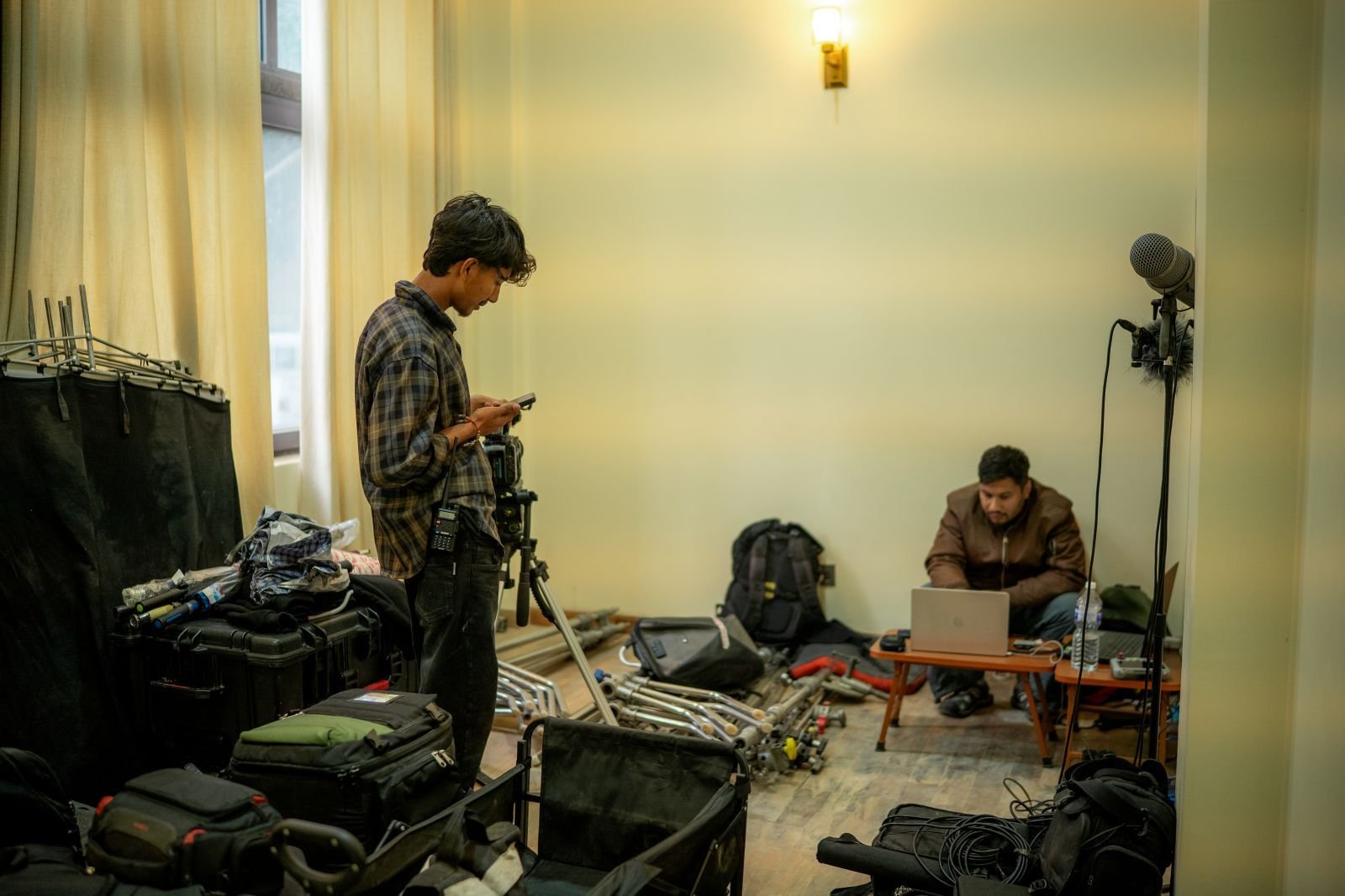
How a film permit relates to religious-site permission
It helps to separate two ideas that productions often merge. The first is the main permission that a foreign production typically arranges to film in Nepal at all, which is handled at a national level and is tied to your production as a whole. The second is the site-specific permission to bring a camera into a particular religious place and record there, which is controlled by whoever holds authority over that place. Having the first does not automatically grant the second, and arranging the second does not remove the need for the first.
In practice this means a production can hold its principal filming approval and still need separate, express consent for each religious location on the schedule. Conversely, a friendly custodian who welcomes your crew cannot substitute for whatever national or local approval your production requires. The two run in parallel and both must be in order before the camera rolls.
Which specific authority or custodian sits above a given religious site depends on the site. Some temples fall within nationally recognised heritage zones and carry an additional heritage permission layer. Some sit inside protected or conservation areas, adding a further authority. Others are managed entirely by a private trust, a monastic community or a local committee with no wider government layer at all. We do not assert in advance which of these applies to your sites; we map the likely layers and confirm them against current official and custodian sources during your review.
Our role at this stage is to make the relationship legible. We set out, site by site, what permission layers you appear to be dealing with, what each layer usually wants to see, and how the pieces should be sequenced so that one approval does not expire while you wait for another. We flag where a religious site coincides with a heritage designation or a protected area, because those cases carry additional documents and additional custodians. And we are explicit about the boundary of our service: we prepare and coordinate, we do not grant, and we never present ourselves as able to guarantee that a given permission will be issued or that access will be allowed on your dates.
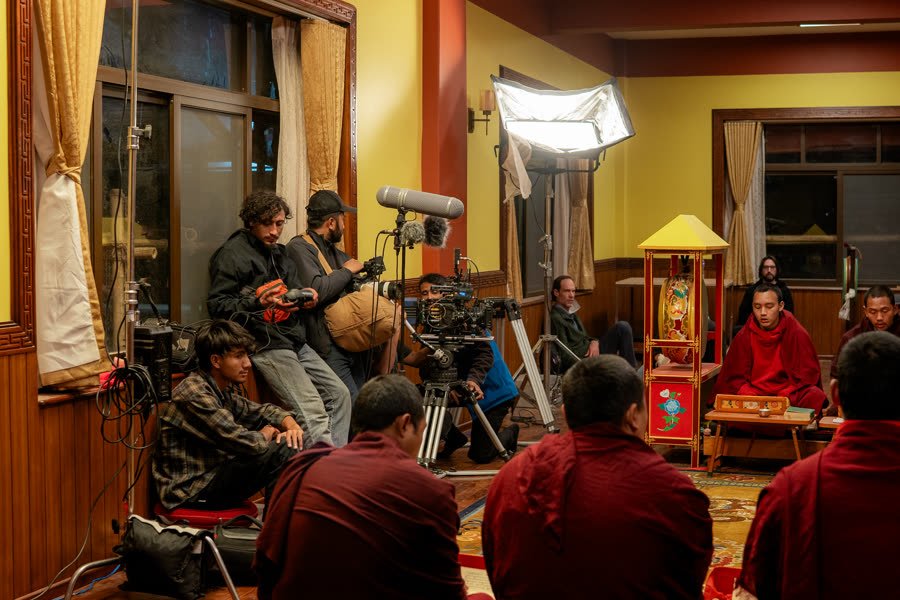
Identifying the religious institution and its custodian
The single most useful thing a production can establish early is who actually decides. For religious sites in Nepal, the deciding party is often not obvious from the outside. A well-known temple may be administered by a formal trust or committee, a monastery by its abbot and monastic council, a mosque by its management committee, a church by its parish or diocese, and a small shrine by the family or lineage that has maintained it for generations. Each of these custodians has its own way of receiving and considering a filming request.
We help you work through this identification carefully rather than assuming. That means describing your intended site precisely, distinguishing between the broad complex and the specific structure or courtyard you want to film, and then determining which body or individual holds authority over that exact space. In some complexes, different shrines within a single compound answer to different custodians, and permission for one does not extend to another.
Once the likely custodian is identified, the request needs to be shaped for that audience. A national heritage committee may expect a written application with supporting production documents. A monastic community may prefer a respectful in-person approach through a known local intermediary. A neighbourhood shrine may simply want a clear, courteous conversation about what you plan to do and how long you will be there. Preparing the same request in the same format for all three is a common reason productions stall.
We assist by assembling a clean information package the custodian can assess, including a plain-language description of your production, the specific activity planned at their site, crew numbers, equipment footprint, timing, and how you will respect ongoing worship. Where a local coordinator, fixer or community contact is part of your team, we help align that person's outreach with the documents so the custodian receives one coherent request rather than fragments.
We do not contact custodians as if we speak for them, we do not represent that we have a standing relationship that guarantees access, and we do not promise a particular answer. The identity of the correct custodian for your specific site is confirmed during your review, and the decision always rests with that custodian.
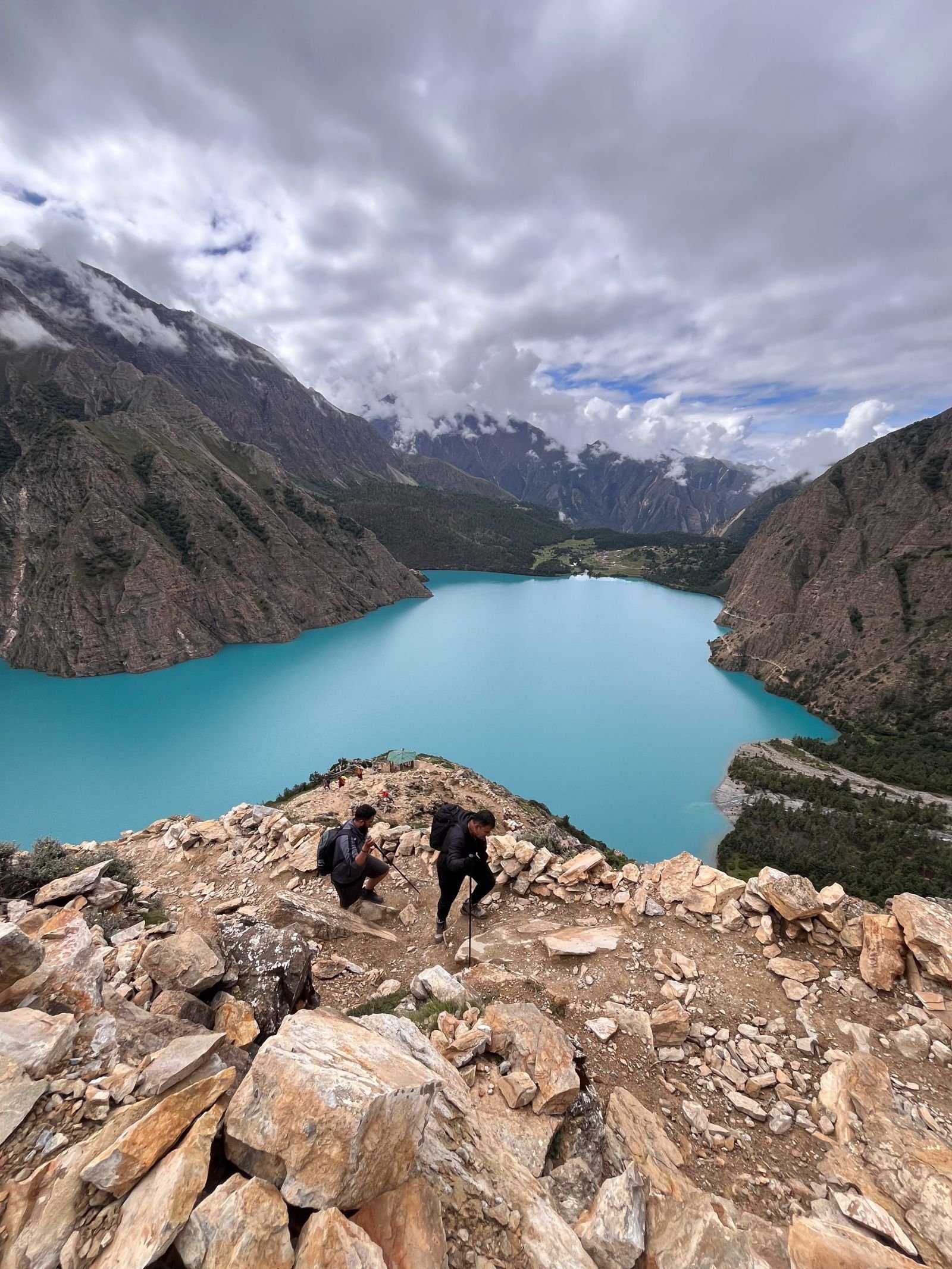
Sacred spaces, inner sanctums and ceremonies
Within almost every religious site there is a gradient of sensitivity. The outer courtyard, the approach and the general architecture are frequently the most open to filming. Inner sanctums, the immediate area around a principal deity or altar, spaces reserved for initiated practitioners, and areas where relics or scriptures are kept are usually the most restricted, and in some traditions certain spaces are closed to filming entirely, or closed to visitors of some backgrounds altogether. Treating the whole site as uniformly filmable is a frequent and avoidable mistake.
Live ceremonies add another dimension. A ritual, prayer session, festival procession or life-cycle observance is not a performance staged for cameras; it is a religious act with participants who have not agreed to appear on screen. Custodians may permit respectful documentation of a ceremony, may restrict it to certain vantage points, or may decline filming during worship altogether while allowing it before or after. These decisions are theirs to make, and they can change on the day depending on who is present and what is happening.
We help productions plan around this gradient rather than against it. That begins with mapping, for each site, which spaces you actually need and separating the essential from the merely desirable. It continues with framing your request so that the custodian can grant a limited, well-defined access rather than having to weigh an open-ended one. A request to film the exterior and a specific courtyard at a stated time is far easier to approve than a request to film everywhere for as long as you like.
We also help you build in flexibility. Because ceremonies follow religious calendars and can shift, and because a custodian may narrow access at short notice, we encourage productions to hold alternative setups and to brief the crew that some shots may not be possible. Planning as if every space and every moment will be available invites both disappointment and friction.
We describe these patterns as general practice, not as fixed rules for your particular site. What is open, what is restricted and what is forbidden is determined by the tradition, the custodian and sometimes the specific day, and is confirmed with the relevant parties, never asserted by us in advance.
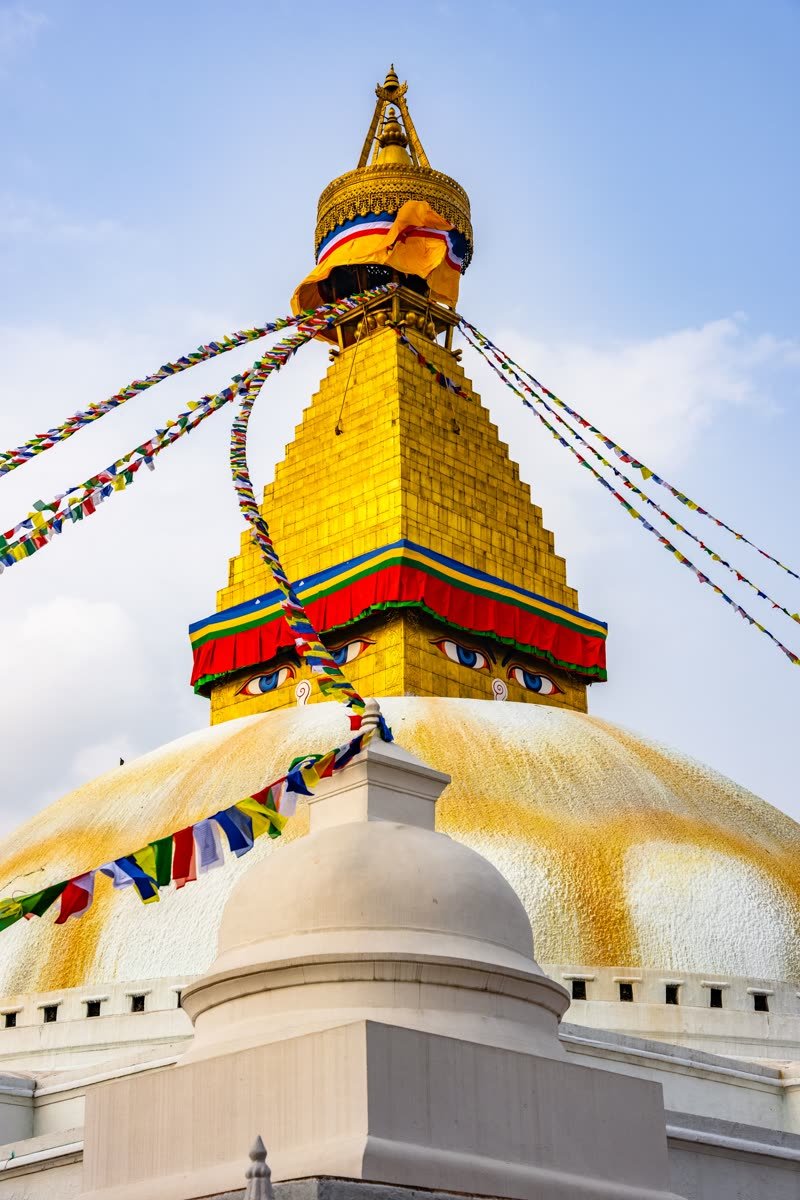
Participant and contributor consent
Wherever people appear in your footage at a religious site, consent becomes a central concern, and it operates on several levels. Worshippers going about their devotions are not contributors to your production and have not agreed to be filmed; capturing them incidentally raises both ethical and practical issues, particularly at moments of private prayer. Priests, monks, imams, clergy, caretakers and other religious figures who appear deliberately are contributors whose informed agreement should be recorded. Members of the public who are directed or featured are contributors too.
We help productions think this through location by location and shot by shot. Where identifiable individuals are meant to feature, a clear release or documented consent is the norm, and it should be obtained in a language the person understands, which frequently means preparing consent materials in Nepali or a relevant local language rather than English alone. Where children or vulnerable individuals may appear, additional care and appropriate guardian consent are expected, and some custodians will restrict such filming regardless of consent.
For incidental worshippers, the practical answer is usually a combination of custodian permission, careful framing that avoids singling out individuals at prayer, and a willingness to stop or reposition if someone objects. Some sites will ask that no worshippers appear at all, or that filming pauses whenever devotees are present. We help you anticipate these conditions and build a plan that can absorb them without derailing the day.
Our support here is preparatory and organisational. We help you assemble consent and release templates suited to the context, plan how and when consent will be gathered, and record which contributors at which sites have agreed to what. We can help ensure your materials are available in the languages your contributors actually speak. We do not, and cannot, provide legal advice on the enforceability of any release, and we do not obtain consent on your behalf or vouch for consent your team has gathered. The responsibility for lawful, informed and respectful consent remains with the production, and any advice on legal sufficiency should come from a qualified adviser.
Crew size and equipment footprint
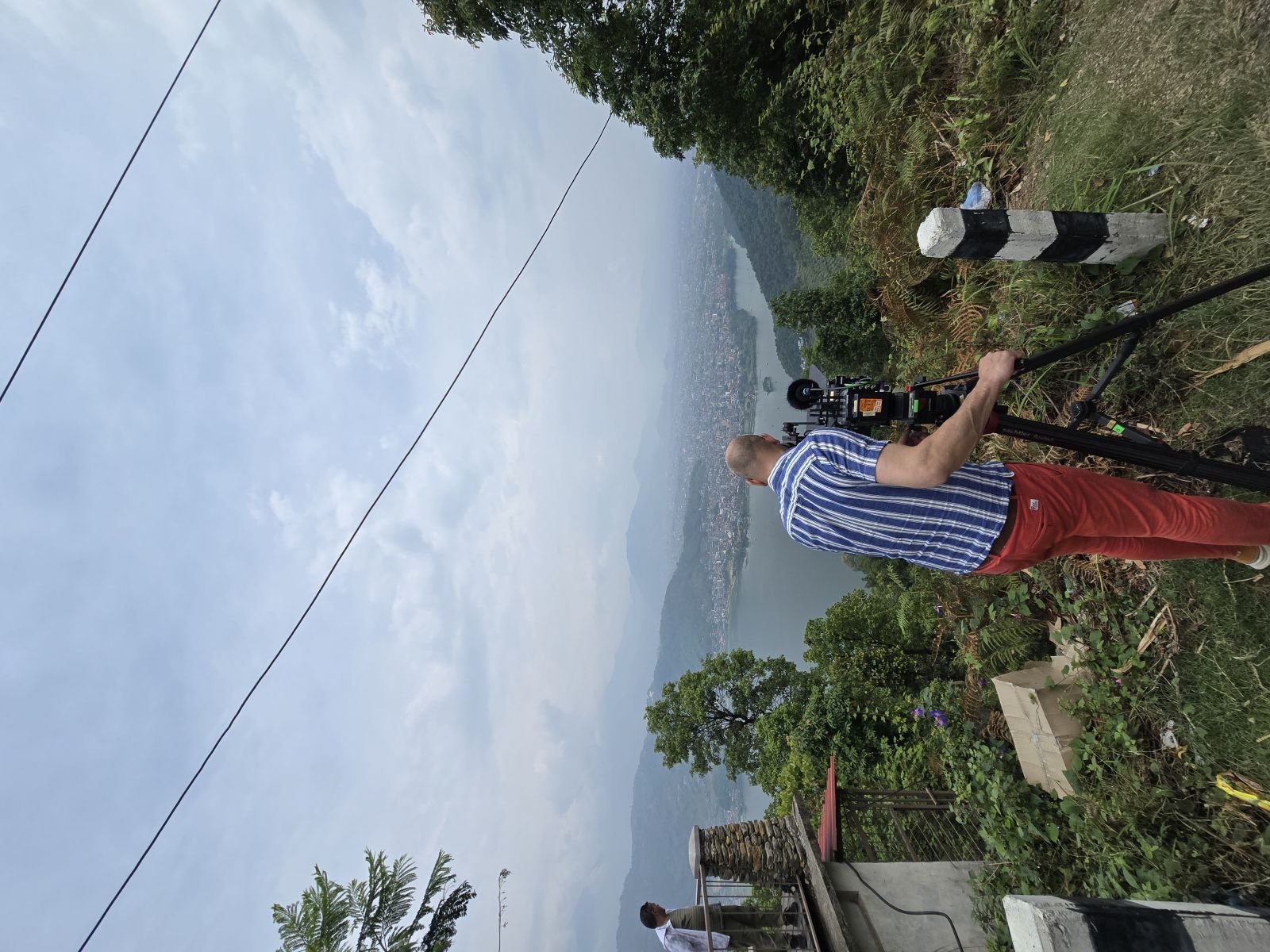
At religious sites, the size and behaviour of your crew is often as significant to a custodian as the subject you are filming. A large unit with heavy equipment moving through an active place of worship changes the atmosphere, obstructs devotees, and raises the risk of contact with objects and surfaces that are treated as sacred. Many custodians will grant access to a small, contained crew that they would refuse to a full production unit, so the footprint you propose directly affects the answer you receive.
We help productions right-size the request. That means preparing a clear crew list with roles and headcount, distinguishing the people who genuinely need to be inside a sacred space from those who can work from outside it, and proposing a footprint that matches the sensitivity of the location. A stripped-back configuration for the inner areas and a larger unit for exterior or approach work is a common way to reconcile production needs with a custodian's comfort.
Equipment carries its own considerations. Tripods, dollies, rigging, stands and cases can mark floors, scratch surfaces and block passage. Some sites prohibit placing equipment on particular surfaces, require that footwear be removed in areas where wheeled or heavy gear then cannot easily go, or restrict where cases may be staged. We help you prepare an equipment list matched to each location and flag where your intended kit may collide with site conditions, so alternatives can be planned before the day rather than improvised on it.
Movement and staging also matter. Where the crew stages gear, how cabling is run so it does not cross devotional pathways, and how the unit moves through the space without disrupting worship are all things custodians notice. We help you think these through as part of the plan you present, which reassures the custodian that you have considered their site rather than only your shot list.
The specific limits on crew and equipment at any given site are set by its custodian and, where relevant, by heritage or protected-area conditions. We help you prepare to meet those limits and to present a footprint that is easy to approve, but we do not set the limits and cannot guarantee that a particular crew size or piece of equipment will be permitted.
Lighting and sound at religious locations
Lighting and sound deserve their own attention because they are among the most common flashpoints at religious sites. Additional lighting can be intrusive in spaces designed for a particular quality of light, can generate heat and power demands the site is not built for, and can feel disrespectful when trained on an altar, a deity or people in prayer. Sound recording is usually less physically intrusive, but playback, slates, direction called aloud, and the general noise of a working crew can clash with an environment meant for quiet devotion.
We help productions plan a lighting approach that fits the location. In many cases the most workable path is to rely on available light and minimal, low-impact fixtures, reserving larger setups for exterior or non-sacred areas where the custodian is comfortable with them. Where power is needed, its source matters: many sites have limited electrical capacity, and running generators or heavy cabling introduces noise, fumes and trip hazards that a custodian may reasonably refuse. Identifying power constraints early prevents a setup that cannot be supported on the day.
Sound planning is partly technical and partly behavioural. Technically, we help you anticipate the acoustic character of the space and the presence of ongoing worship in your recordings. Behaviourally, we help you build a crew protocol of quiet operation, minimal verbal direction inside sacred areas, and a readiness to pause during prayers, bells, chanting or announcements. Custodians notice a crew that lowers its voice and stills its movement when devotion begins, and that observed respect often translates into continued access.
Where your creative concept genuinely depends on significant lighting or sound, that intention should be disclosed to the custodian in advance rather than revealed on the day. A custodian who understands what you are proposing can grant, limit or decline it knowingly; a custodian who is surprised by a large rig at their altar is likely to shut the work down.
We help you prepare and communicate these plans, and we help you design a footprint that is realistic for the site. We do not certify that any lighting or sound setup will be acceptable, because that judgement belongs to the custodian and, where applicable, to heritage or protected-area conditions confirmed during your review.
Drone filming over religious sites
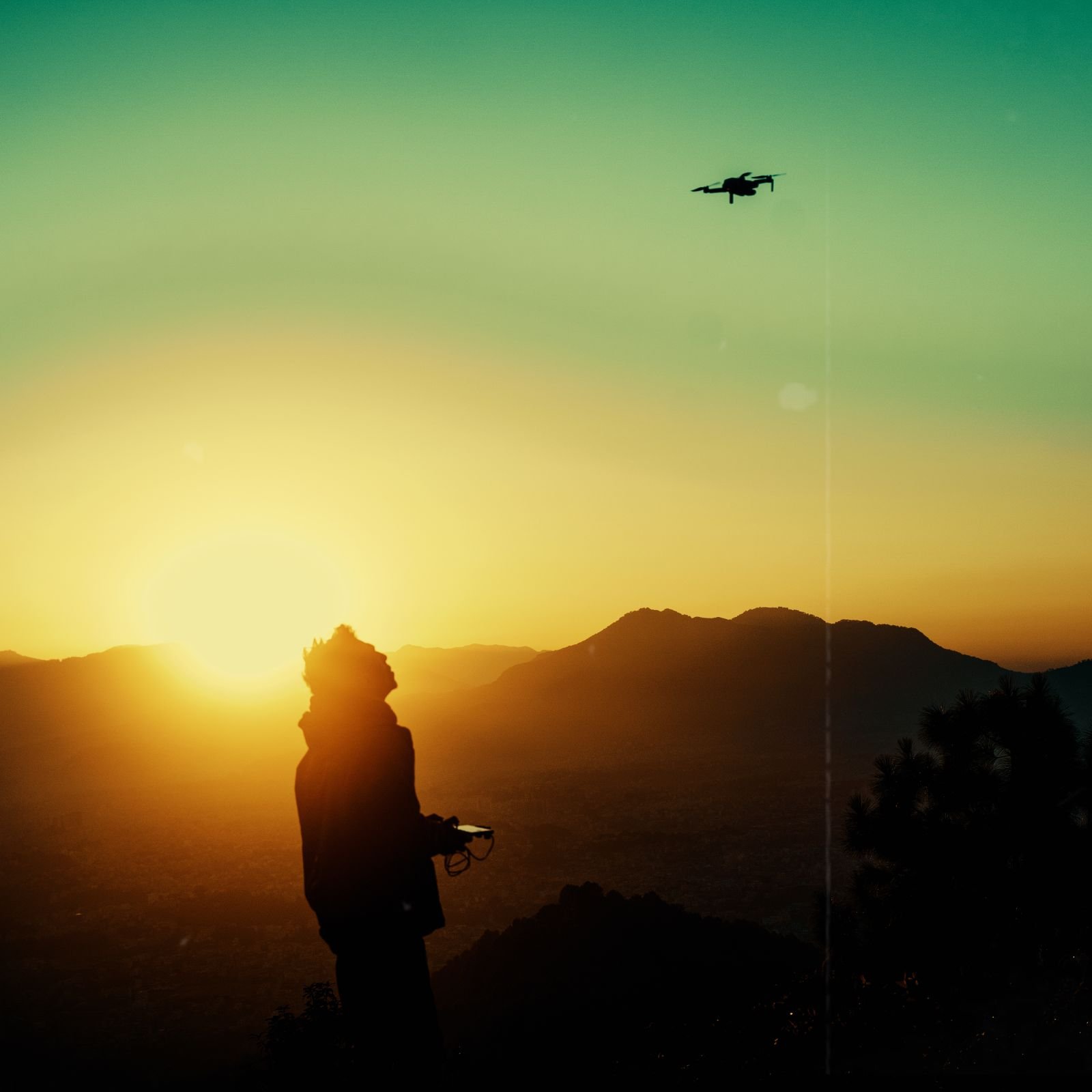
Drone work over or near religious sites combines two separate sensitivities, and productions should treat it cautiously. On one side sits the general regulation of unmanned aircraft in Nepal, which can involve its own permissions, airspace considerations and proximity limits, and which is handled independently of any site-level consent. On the other sits the specific objection many religious communities hold to aircraft flying over sacred structures, deities, ceremonies or worshippers, an objection that persists even where the airspace itself might otherwise be usable.
Because of this, having, or expecting, a general drone permission does not mean you may fly over a temple, stupa or monastery. The custodian's consent to overflight of their site is a distinct matter, and some will decline it outright, particularly above principal shrines, during ceremonies, or where flight would place a camera above devotees. Heritage and protected-area designations can add further restrictions on top of both layers.
We help productions approach drone plans realistically. That starts by treating aerial coverage of a religious site as a request that must be justified and may well be refused, rather than as a default part of the package. We help you document the aircraft and operator details a drone request typically requires, describe the intended flight clearly, and separate flights that merely pass near a site from flights that would sit directly over sacred elements, which are far harder to justify.
We also help you prepare alternatives, because relying on a single aerial shot that a custodian or authority may forbid is a scheduling risk. Ground-based elevated setups, coverage from adjacent permitted vantage points, and reframing the sequence to avoid overflight are all worth planning in advance.
We do not grant drone permission, we do not represent any aviation or site authority, and we never promise that a flight over or near a religious site will be allowed. Which permissions apply, and whether a given custodian will consent to overflight, is confirmed against current official and custodian sources for your specific locations and dates during your review. Where a drone page or drone-specific review is relevant to your production, we treat it as a connected but separate workflow.

Cultural protocol and respectful filming
Protocol is not a soft extra at religious sites; it is frequently the deciding factor in whether access is granted and kept. Custodians and communities read a crew's conduct as a signal of respect, and small observances carry disproportionate weight. Removing footwear where required, dressing modestly, refraining from eating, smoking or turning your back on a deity in certain contexts, not touching statues, scriptures or ritual objects, and moving in the customary direction around a shrine are the kinds of details that mark a crew as considerate rather than intrusive.
Because traditions differ, the specifics vary widely between a Hindu temple, a Buddhist monastery or stupa, a mosque, a church and a local shrine, and even between sites within the same tradition. What is expected of visitors, whether people of all backgrounds may enter particular areas, how images of deities may be captured, and how ceremonies may be observed are all governed by the customs of that place. We help productions learn the relevant expectations for their specific sites in advance, so the crew arrives already prepared rather than being corrected in front of worshippers.
Practically, we help you build a short, clear briefing for cast and crew covering dress, footwear, behaviour, photography limits and how to respond if a custodian or devotee raises a concern. We encourage productions to designate someone responsible for protocol on the day, and, where language is a barrier, to work with a local intermediary who can read the situation and communicate quickly. A crew that visibly defers to the custodian's guidance tends to be given latitude; a crew that argues or presses tends to lose access.
Respectful filming also means restraint in the edit. Some communities are sensitive to how their sacred spaces, rituals and figures are represented, and a production that films respectfully but presents the material carelessly can still cause harm. While we do not direct your creative choices, we do encourage you to consider representation as part of the same duty of respect that governs access.
We help you prepare, brief and coordinate around protocol. We do not certify that your conduct will satisfy any particular community, and the standards that apply are those of the custodians and traditions themselves, learned and confirmed during preparation rather than assumed.
Fees, donations and offerings
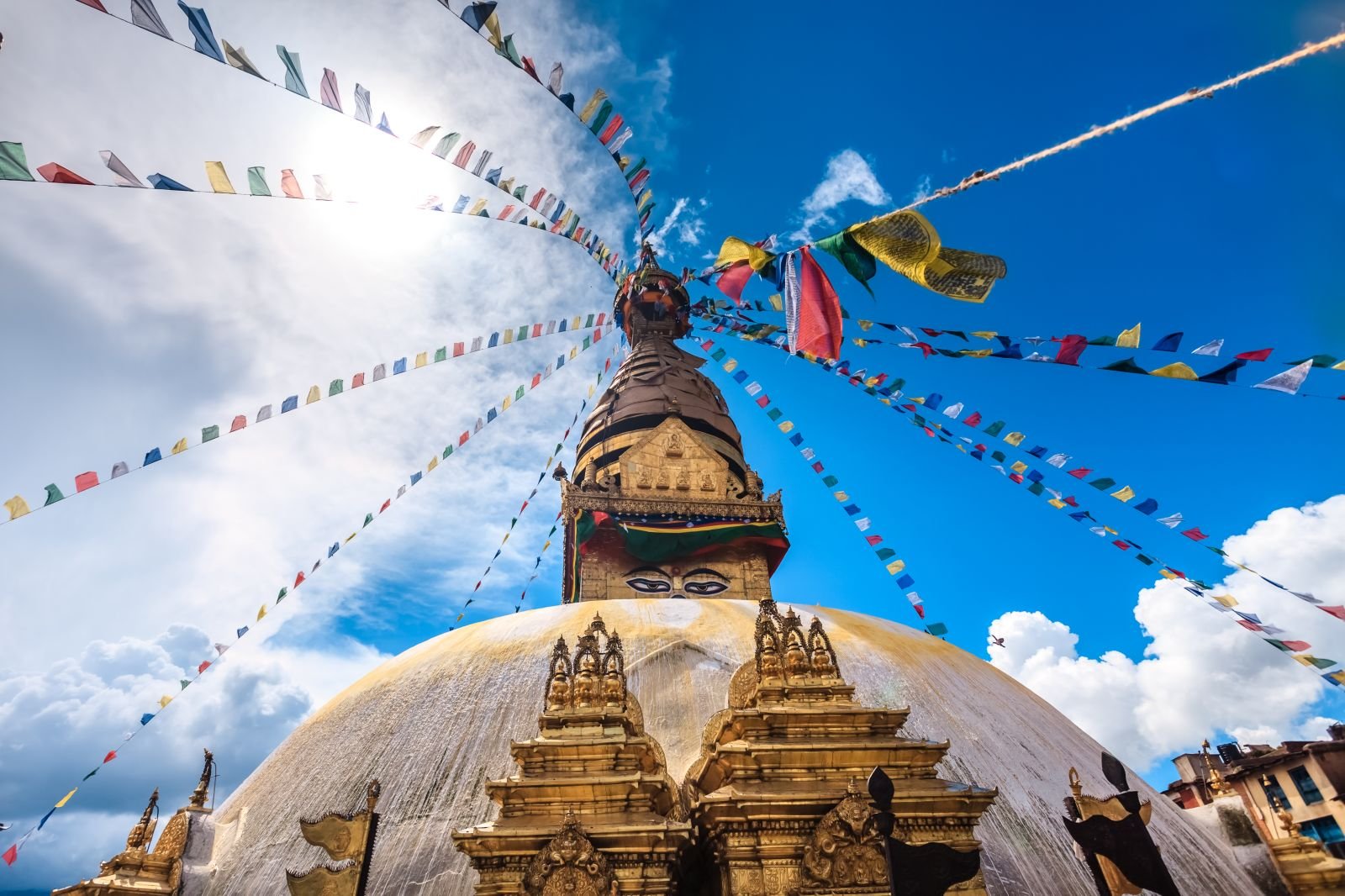
Money at religious sites works differently from a standard location fee, and productions benefit from understanding the distinction early. Some sites, particularly those within heritage zones or managed by formal committees, may have defined charges for filming, entry or the use of certain areas. Others operate on the basis of a donation or offering to the institution, which is customary rather than a fixed price and is directed to the upkeep of the site or its community. Still others may welcome a respectful contribution without requiring anything specific. Treating every case as a fixed commercial transaction can offend, and treating a formal fee as an optional donation can stall access.
We help productions prepare for this range rather than assume a single model. That means anticipating that a given site may involve a formal charge, a customary donation, both, or neither, and being ready to handle each appropriately and transparently. Where a formal charge exists, it should be confirmed with the custodian or authority and recorded properly. Where a donation is customary, it should be offered in the spirit intended, to the institution rather than to an individual, and, where possible, acknowledged with a receipt for the production's records.
We do not quote or assert specific amounts for any site, because these vary by location, tradition and current practice, and because inventing figures would mislead your budget. What we help you do is identify, for each site, which model appears to apply and who to confirm it with, so that the numbers in your budget come from the custodian or authority rather than from guesswork. During your review we help you build a line-item structure that separates any formal fees from customary donations and from the general costs of filming at the site.
We also help you avoid two specific pitfalls: paying the wrong party, and creating the impression that access has been purchased in a way that could embarrass the site or the production. Payments should go to the institution through its recognised channel, and any offering should be framed as support for the site rather than as leverage.
The amounts, the party to pay and the form payment should take are all confirmed with the relevant custodian or authority during preparation. We organise and record; we do not set or guarantee any figure, and we never promise that a payment secures access.
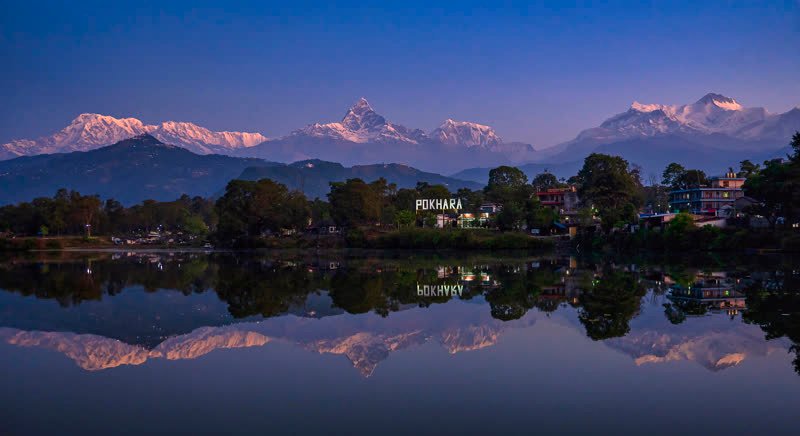
Building the preparation timeline
Religious-site filming rewards early preparation more than almost any other location type, because so much of the timeline is outside a production's direct control. Identifying the right custodian can take time, especially for sites managed by committees that meet periodically or by monastic communities reached through intermediaries. Ceremonies and festivals follow religious calendars that may not align with your shoot dates. And where a site also carries a heritage or protected-area layer, those permissions run on their own schedules and cannot be rushed by the production's urgency.
We help you build a working timeline that sequences these dependencies sensibly. Generally that means starting with a clear list of sites and the specific activity at each, then identifying the likely permission layers and custodians, then preparing the documents and requests, and only then approaching custodians and authorities with a complete package. Approaching a custodian before your materials are ready often wastes the goodwill of a first contact, while approaching too late leaves no room for the back-and-forth that religious permissions frequently involve.
We are deliberate about not promising specific durations. How long any layer takes depends on the site, the custodian, the season, the completeness of your materials and factors no one controls, and inventing a number would set a false expectation. Instead of asserting timelines, we help you understand the order of operations, the points where waiting is likely, and the buffers a prudent schedule should hold.
We also help you plan around Nepal's religious and public calendar. Major festivals can both create filming opportunities and close sites to outside activity, and they can make custodians unavailable. Building your schedule with awareness of these periods, and holding contingency where a key site sits near a festival, protects the shoot from avoidable disruption.
The practical output of this section of our work is a dependency-aware plan: which permissions and consents each site needs, the sensible sequence for pursuing them, where the schedule is exposed, and what alternatives exist if a location falls through. We prepare and coordinate this plan with your team. We do not control the timing of any authority or custodian, and we do not guarantee that any permission will be in place by a given date.
Common mistakes at religious locations
Certain errors recur often enough at religious sites that they are worth naming so productions can avoid them. The most frequent is assuming that a general filming approval covers site access. It does not; the custodian's consent is separate, and arriving with national paperwork but no site permission is a common way to be turned away at the gate.
A second frequent mistake is misidentifying the custodian, or addressing the wrong party. Sending a formal application to an office when the real decision rests with an abbot, or vice versa, wastes time and can cause offence. Related to this is treating a large complex as a single permission when different shrines within it answer to different custodians.
A third is underestimating conduct. Crews that plan meticulously for equipment but not for footwear, dress, quiet operation and pausing during worship frequently create friction that costs them the location, regardless of how good their documents are. Protocol failures are visible and immediate, and communities remember them.
A fourth is assuming ceremonies and sacred inner spaces are available. Productions sometimes build a shot list around filming a ritual or an inner sanctum only to find that the custodian never intended to permit it. Planning essential coverage around access that was never granted leaves the schedule exposed.
A fifth involves drones: assuming that a general drone permission, or the absence of an obvious rule, means overflight of a sacred site is acceptable. It often is not, and flying without the custodian's consent can cause serious offence and end access for the whole production.
A sixth is mishandling money, either by treating a customary donation as a hard price to negotiate down, by paying an individual rather than the institution, or by creating the impression that access was bought. A seventh is leaving consent as an afterthought, so that worshippers or contributors appear in footage without agreement or without materials in a language they understand.
We help productions avoid all of these by building the plan around the site's realities rather than the shot list's wishes, by identifying custodians and layers early, and by preparing conduct, consent and contingency alongside the documents. We flag risks; we do not eliminate them, and the final responsibility for conduct and compliance on the day rests with the production.
An illustrative scenario
The following is an illustration only. It does not describe a specific client, site or outcome, and it is offered to show how the pieces fit together, not to promise any result.
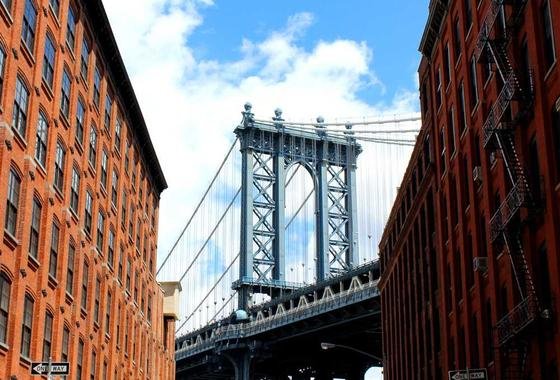
Imagine a foreign documentary team wanting to film at three religious locations in the Kathmandu Valley: the exterior and one courtyard of a well-known heritage temple, the interior of a hillside Buddhist monastery including a short passage of monks at prayer, and a small neighbourhood shrine used by a family the film follows. On paper this looks like one task. In practice it is three quite different permission problems.
For the heritage temple, the illustration would involve both a heritage or municipal permission layer and the temple committee's own consent, with the courtyard treated as a defined, limited access rather than open filming. The team would prepare a written request, a crew list kept deliberately small for the courtyard, and a plan to work around worship hours. For the monastery, the deciding party would likely be the abbot and community, reached respectfully through a local intermediary, with any filming of prayer subject to the community's agreement on the day and framed to avoid singling out individuals. For the family shrine, the family's own consent would be central, supported by contributor releases in the family's language and a light footprint appropriate to a small, private space.
Across all three, the illustrative plan would separate what is essential from what is merely wanted, hold alternatives for anything a custodian might refuse, brief the crew on footwear, dress and quiet operation, and treat any aerial coverage as a separate request likely to be declined over the sacred structures. Fees and donations would be anticipated as varying by site and confirmed with each custodian rather than assumed.
The point of the illustration is that a single line on a schedule, film three temples, can conceal three custodians, three permission layers, three consent problems and three sets of protocol. Recognising that early is what turns a fragile plan into a workable one. What we would actually do for a real production is map these specifics for your sites, prepare the materials, and coordinate with your team, while being clear that the decisions rest with the custodians and authorities and that no outcome is guaranteed.
How our review works and where our role ends
Our engagement on a religious-site production is a structured, document-oriented review followed by ongoing coordination, and it is bounded clearly so you know exactly what you are relying on us for. It begins when you send your religious location plan: the sites, the dates, a treatment or synopsis, your crew and equipment lists, and a plain description of what you intend to do at each location. From there we assess readiness rather than issue anything.
In the assessment we identify, site by site, the permission layers that appear to apply, the likely custodian or authority, and the documents and consents each will expect. We flag where a religious site coincides with a heritage designation, a protected area, drone considerations or restricted-area sensitivities, because those raise additional, connected workflows. We review your existing documents for gaps, translation needs and signature issues, and we set out a sequenced plan for closing them.
We then help you prepare the materials: information packages custodians can assess quickly, consent and release templates suited to the context and languages involved, crew and equipment lists sized to the sensitivity of each location, and a protocol briefing for your team. Where you have a local coordinator, fixer or community contact, we help align their outreach with the documents so custodians receive one coherent request.
Throughout, we handle your materials with care and confidentiality, and we keep a clear record of what has been prepared and confirmed for each site. As your production evolves, we help manage scope changes, because adding a site, changing a date near a festival, or expanding activity at a sacred space can reopen permissions you thought were settled.
Where our role ends is equally important. We do not issue permits, grant site access, or speak for any custodian, committee, monastery or authority. We do not guarantee approval, timing, drone permission, location access or any specific fee. We do not provide legal advice. Every specific regulatory fact, the identity of the correct authority, any charge, and any custodian's decision is confirmed against current official and custodian sources during your review and rests with those parties, not with us. What we guarantee is thorough, respectful, well-organised preparation and honest coordination, which is what gives your request the best chance of a fair hearing.
| Element | What it covers | Who prepares it | Who confirms or decides |
|---|---|---|---|
| Site and activity plan | Precise list of each religious location and the exact spaces and actions intended there | Production, organised with our support | Reviewed with custodians and any relevant authority |
| Custodian identification | Determining who holds authority over each specific space (committee, abbot, imam, parish, family or trust) | Us, with your local contact | Confirmed with the site during preparation |
| Permission-layer map | Whether a site also carries heritage, protected-area or drone layers | Us | The relevant authorities and custodians |
| Information package | Plain-language production summary, crew numbers, equipment footprint, timing and respect measures | Us, from your inputs | The custodian who receives it |
| Consent and releases | Contributor consent and releases, in the languages contributors actually speak | Production, using templates we help prepare | Your contributors; legal sufficiency by your own adviser |
| Crew and equipment list | Right-sized crew and kit matched to each location's sensitivity | Production, with our review | The custodian and any heritage or protected-area conditions |
| Lighting and sound plan | Approach to added light, power and noise inside sacred spaces | Production, with our guidance | The custodian |
| Drone request | Aircraft and operator details, intended flight, and overflight of sacred elements | Production, with our support | Aviation and site authorities; overflight consent by the custodian |
| Fees and donations structure | Separating any formal charge from customary donations, and who to pay | Us, from confirmed inputs | The custodian or authority who states the amount |
| Protocol briefing | Dress, footwear, conduct, photography limits and pausing during worship | Us, for your crew | Standards set by the custodians and traditions |
Religious-site filming: what a production typically prepares and who confirms each element. Amounts, authorities and decisions are verified against current official and custodian sources during your review; nothing here asserts a fee, a timeline or a named issuer.
What this includes
- A structured readiness review of your religious-site filming plan, location by location
- Identification of the likely custodian and permission layers for each specific space
- Mapping of where a religious site also involves heritage, protected-area, drone or restricted-area workflows
- Preparation of information packages that custodians can assess quickly
- Consent and release templates suited to the context, with attention to the languages contributors speak
- Right-sizing of crew and equipment lists to each location's sensitivity
- Guidance on lighting, sound and power planning for sacred spaces
- Support preparing drone requests as a separate, connected workflow
- A cultural protocol briefing for cast and crew
- A fees-and-donations structure that separates formal charges from customary offerings
- Coordination with your local coordinator, fixer or community contact so custodians receive one coherent request
- Scope-change support as sites, dates or activities evolve
- Confidential, careful handling of the documents you share
What this does not include
- Issuing any permit, permission or approval of any kind
- Granting or guaranteeing access to any religious site
- Speaking for, or representing, any temple committee, monastery, mosque, church, custodian or authority
- Guaranteeing approval, timing, drone permission, location access or customs clearance
- Asserting specific fees, donation amounts, processing times or a named issuing authority as verified fact
- Obtaining consent from worshippers or contributors on your behalf
- Providing legal advice, including on the enforceability of any release or consent
- Directing your creative or editorial choices
- Making payments to custodians or authorities on your behalf
- Overriding or substituting for any national, heritage, protected-area or aviation permission your production requires
Frequently asked questions
In most cases each religious site needs its own site-specific consent, because different sites answer to different custodians. A national or main filming approval, where your production requires one, does not automatically grant access to any particular temple, monastery, mosque, church or shrine. Even within a single large complex, separate shrines may answer to separate custodians, so permission for one part does not extend to another. We help you map, site by site, which permissions appear to apply and who confirms them, but the decision at each site rests with that site's custodian.
No. We are an independent private support service, not a permit issuer and not a representative of any religious institution, so we cannot grant access or promise that any site will say yes. What we do is help you identify the likely custodian, prepare a respectful and complete request, and coordinate with your team so the request is easy to consider. The decision always belongs to the custodian or the relevant authority. We are honest about this boundary precisely because anyone promising guaranteed access to a sacred site should be treated with caution.
It depends on the site. A heritage temple may be governed by a formal committee or trust, sometimes alongside a heritage or municipal authority; a monastery by its abbot and community; a mosque by its management committee; a church by its parish or diocese; and a small shrine by the family or trust that maintains it. Identifying the correct deciding party early is one of the most valuable steps a production can take. We help you work out who that party is likely to be for your specific spaces and confirm it during preparation.
Sometimes, but never as a default. A ceremony is a religious act with participants who have not agreed to be on camera, and custodians may permit respectful documentation, restrict it to certain vantage points, allow it only before or after worship, or decline it entirely. These decisions belong to the custodian and can change on the day depending on who is present. We help you frame a limited, well-defined request and, importantly, plan alternatives so your schedule is not built around access that may not be granted.
Often they are the most restricted areas, and in some traditions certain spaces are closed to filming, or to some visitors, altogether. Outer courtyards and general architecture tend to be more open, while the immediate area around a principal deity or altar, spaces reserved for initiated practitioners, and places where relics or scriptures are kept are usually the most sensitive. We help you separate the spaces you genuinely need from those you merely want, so your request can be granted as a limited access rather than refused as an open-ended one.
Incidental worshippers have not consented to be filmed, so the practical approach combines custodian permission, careful framing that avoids singling out anyone at prayer, and a readiness to reposition or stop if someone objects. Some sites ask that no worshippers appear at all, or that filming pauses whenever devotees are present. We help you anticipate these conditions and build a plan that can absorb them. For anyone deliberately featured, a clear consent or release in a language they understand is the norm, and responsibility for that consent stays with your production.
Treat aerial coverage of a sacred site as a request that must be justified and may well be refused, not as a default. A general drone permission, where one exists, does not grant the right to fly over a religious structure, and many communities object strongly to overflight of shrines, deities, ceremonies or worshippers regardless of airspace rules. Heritage and protected-area designations can add further limits. We help you prepare a proper drone request as a separate workflow and, crucially, plan ground-based alternatives, but overflight consent belongs to the custodian and authorities.
We cannot give you a figure here, because charges vary by site, tradition and current practice, and inventing a number would mislead your budget. Some sites, particularly within heritage zones or run by formal committees, may have defined charges; others operate on customary donations to the institution; and some welcome a respectful contribution without a set amount. We help you identify which model appears to apply at each site and who to confirm it with, then build a budget structure from the amounts those parties actually state, keeping formal fees separate from customary donations.
Not necessarily, and treating them interchangeably causes problems. A formal fee is a stated charge you confirm and record; a customary donation is an offering to the institution for its upkeep, given in the appropriate spirit rather than negotiated like a price. Some sites involve one, some both, some neither. The key practical points are to pay the institution through its recognised channel rather than any individual, to keep proper records, and to avoid creating the impression that access has been bought. We help you structure and document this correctly.
Expectations vary by tradition and by site, but common themes include modest dress, removing footwear where required, not touching statues, scriptures or ritual objects, moving in the customary direction around a shrine, quiet operation, and pausing during prayers. Custodians read conduct as a signal of respect, and small observances carry real weight. We help you learn the relevant expectations for your specific sites in advance and prepare a clear briefing for cast and crew, and we recommend designating someone responsible for protocol on the day.
As early as you reasonably can. Identifying custodians, reaching monastic communities through intermediaries, working around religious calendars, and dealing with any heritage or protected-area layer all take time that a production cannot compress by urgency. We do not promise specific durations, because they depend on the site, the season and factors no one controls, but we do help you understand the order of operations, where waiting is likely, and how much contingency a prudent schedule should hold, especially near major festivals when sites and custodians may be unavailable.
A good local fixer or coordinator is valuable, and we work alongside one rather than replacing them. Our review adds a structured, document-oriented layer: mapping permission layers, identifying gaps, preparing materials custodians can assess quickly, and aligning your fixer's outreach with those documents so the site receives one coherent request rather than fragments. Many productions find the combination stronger than either alone. We are also explicit about the boundary of our role, which helps everyone understand what is prepared, what is confirmed, and where the decisions genuinely rest.
We deliver a readiness review, a permission-layer and custodian map for your sites, prepared information packages and templates, right-sized crew and equipment planning, a protocol briefing, a fees-and-donations structure, and ongoing coordination including scope changes. What stays with you is the production itself: gathering lawful and informed consent, conducting the crew respectfully on the day, making creative and editorial choices, and complying with every applicable rule. We do not issue anything, guarantee access or timing, or provide legal advice, and every regulatory specific is confirmed against current official and custodian sources during your review.