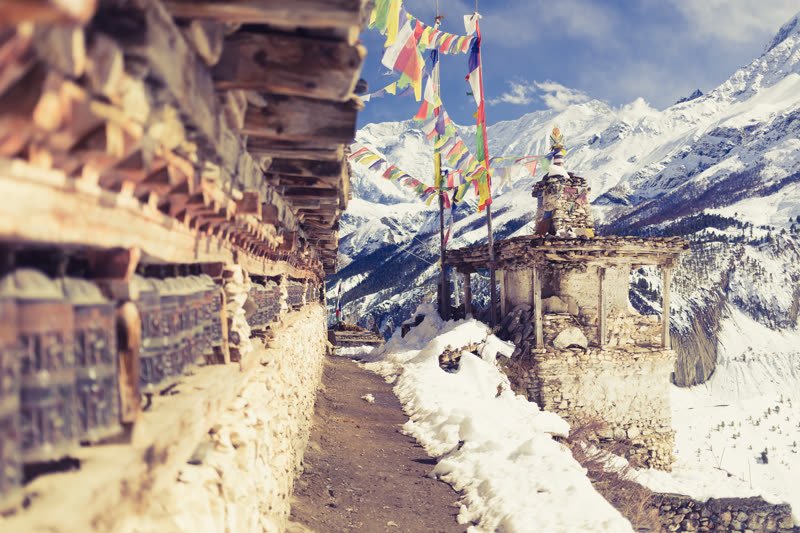
Filming in restricted areas of Nepal is one of the most sensitive planning tasks a foreign production can take on, and it is also one of the most misunderstood. The word "restricted" carries several meanings in Nepal, and each meaning points toward a different set of considerations, a different combination of permissions, and a different level of planning lead time. Some areas are restricted because they sit close to an international border. Some require special travel documents in addition to any filming approval. Others are restricted because they overlap with protected natural areas, cultural or religious sites, defence or security installations, or communities that expect direct consultation before cameras arrive.
Film Permits Nepal is an independent, privately operated production-support service based in Kathmandu. We are not a government office, we do not issue permits or travel documents, and we cannot grant access to any restricted location. What we do is help international productions understand what a proposed shoot may involve, prepare and organise the documentation a production typically needs, and coordinate the review of that documentation against current official requirements. For restricted areas, our role is mostly about clarity and preparation: helping you understand which category your location may fall into, what questions the relevant authorities are likely to ask, and how to assemble a clean, honest, complete request that gives your production the best possible footing.
This page explains how we think about restricted-area filming, what the main planning considerations tend to be, and how a preparation and review process usually unfolds. It avoids stating specific fees, exact timelines, or a single named issuing authority as settled fact, because those details depend on your locations and activities and are confirmed against current official sources during your review. Read it as planning guidance, not as a guarantee of access.
What "restricted area" may mean in Nepal
There is no single definition of a restricted area that applies to every production. The phrase is used loosely, and part of our early work is simply establishing which meaning applies to your specific plan. Getting this right at the start prevents a production from preparing the wrong documents or assuming the wrong lead time.
In broad terms, a location may be treated as restricted for one or more of the following reasons. It may lie within a controlled border zone where movement of foreign nationals is regulated. It may require a special travel permit for entry regardless of any filming intention, which is common in certain trekking and mountain regions. It may sit inside or beside a protected natural area such as a national park, reserve, or conservation area, each of which can carry its own access and activity rules. It may be a defence, police, government, or infrastructure installation where photography and filming are controlled for security reasons. It may be a culturally or religiously sensitive place where a custodian institution controls access. Or it may be a community area where local expectations, seasonal use, or private ownership make open filming inappropriate without direct consultation.
These categories are not mutually exclusive. A single mountain valley might combine a travel-permit requirement, a protected-area boundary, a religious site, and proximity to a border, all at once. When that happens, the production is effectively planning for several overlapping approval processes rather than one. Our first task is to map your locations against these possible categories so that you understand the shape of the challenge before committing budget or schedule.
We describe these as possible categories rather than fixed legal facts because designations change, boundaries are redrawn, and the authority responsible for a given area depends on the location and the activity. Which framework actually applies to your shoot is confirmed against current official sources during your review, not assumed from this page. What this page gives you is the vocabulary and the planning logic, so that when you describe your locations to us you already understand why we ask the questions we ask.
- Border and controlled-movement zones for foreign nationals
- Areas requiring a separate travel permit regardless of filming
- Protected natural areas with their own access and activity rules
- Defence, security, and sensitive-infrastructure locations
- Cultural, religious, or custodian-controlled sites
- Community or privately controlled land needing direct consultation
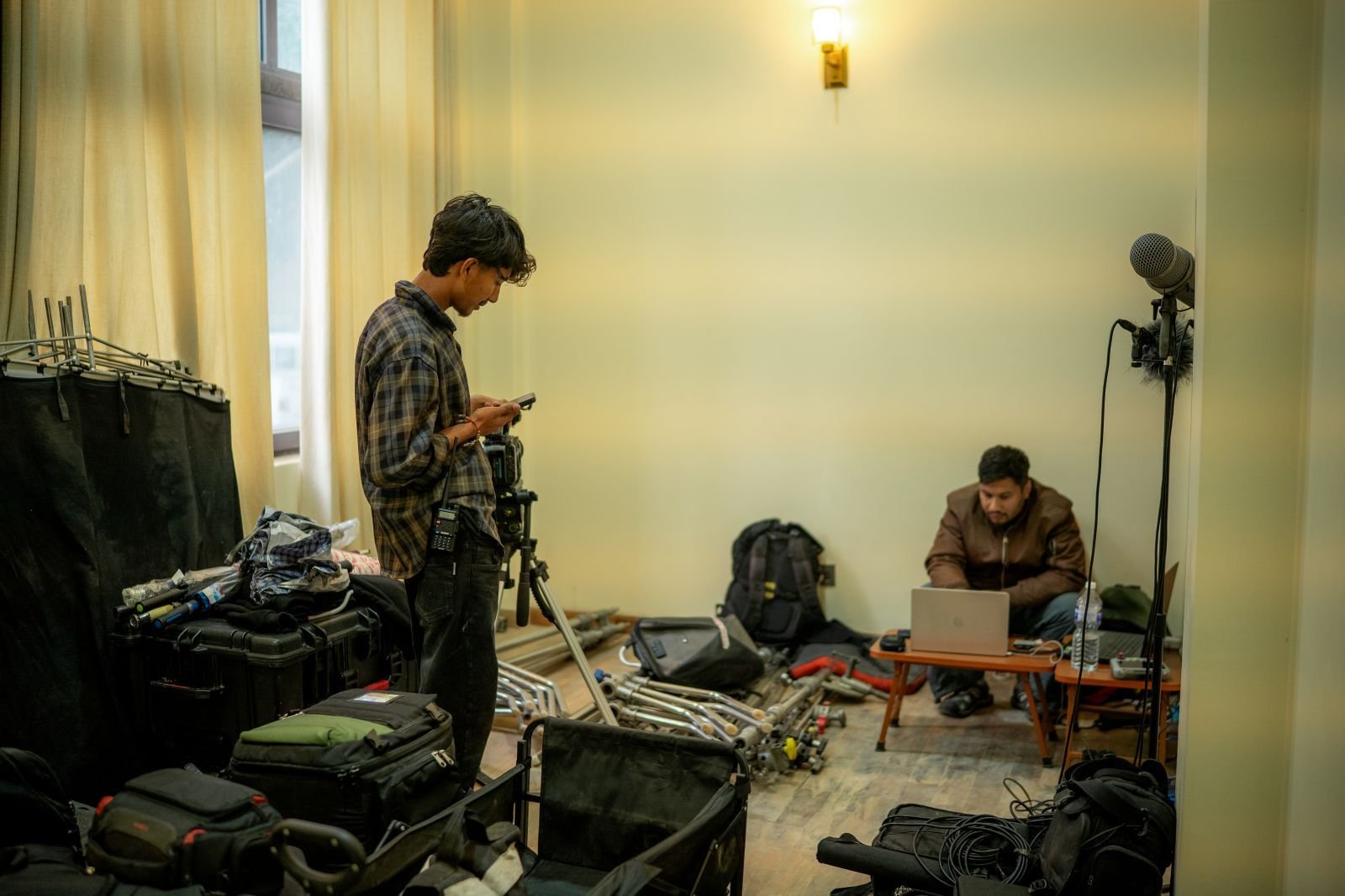
How film permission and travel permits can relate
One of the most common sources of confusion for foreign productions is the assumption that a single approval will unlock everything. In restricted-area planning, it usually will not. Two different questions are in play, and they are answered by different processes. The first question is whether your production is allowed to film in Nepal at all, and under what conditions. The second question is whether the specific people in your crew are allowed to physically enter and remain in the specific area you want to film. These are separate matters, and a production can satisfy one without satisfying the other.
Film permission concerns your project: what you are making, where you intend to point the camera, what activities you will carry out, and what equipment you will bring. Travel documents concern the movement of individuals into controlled zones, and in some regions these are required of foreign nationals whether or not a camera is involved. When your location sits in an area with both requirements, the two processes run in parallel and depend on each other. A filming approval that assumes access to a place your crew cannot legally enter is of no practical use, and a travel permit that lets people enter does not by itself authorise commercial filming.
Because these are distinct, the documents feeding them are often distinct too. Travel-permit processes tend to focus on individual identity, nationality, itinerary, and duration. Filming processes tend to focus on the production, its purpose, its crew as a working unit, and its equipment. Some information overlaps, but the emphasis differs, and preparing one set does not automatically produce the other.
Our preparation work keeps these two threads visibly separate in your planning so that nothing is quietly assumed. We help you see which of your locations are likely to need only filming consideration, which may also involve travel documents, and where the two must be aligned to the same dates and the same named individuals. The exact requirements, including which office handles which document, are confirmed against current official sources during your review, because they depend on the specific region and on rules that can change.
- Film permission addresses the project; travel permits address individual entry
- In some regions foreign nationals need travel documents regardless of filming
- The two processes can run in parallel and depend on one another
- Document sets overlap but emphasise different information
- Alignment of dates and named individuals matters when both apply
Why crew nationality matters more here
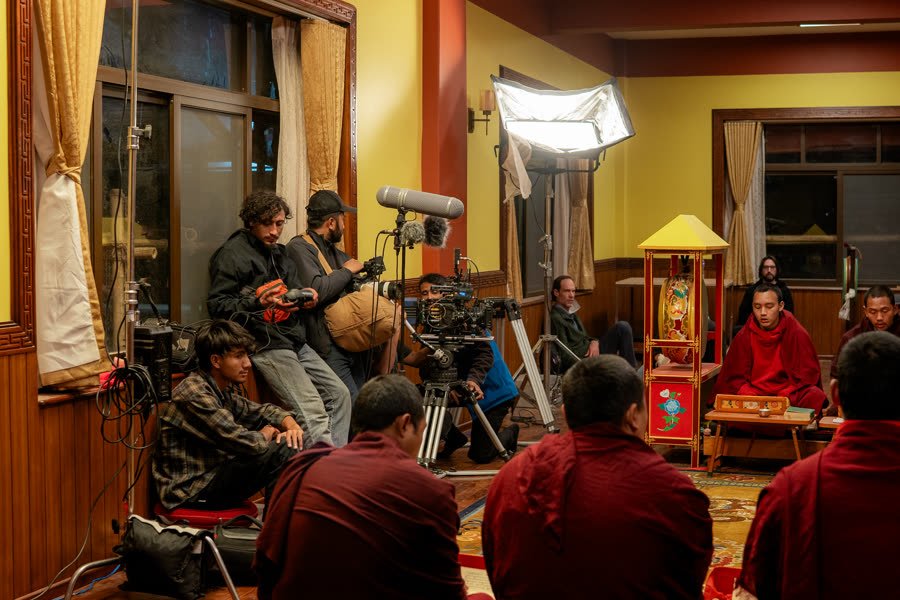
In ordinary filming locations, the nationality of individual crew members is often a routine administrative detail. In restricted areas it can become a central planning factor. Controlled zones frequently treat foreign nationals differently from Nepali citizens, and within the foreign category some rules can vary by country of passport. This means the composition of your crew is not just a logistics question but a feasibility question, and it deserves attention early rather than late.
A mixed-nationality crew can create a situation where different members face different entry conditions for the same location. One person might move freely while another needs a specific document, and a third might face constraints that make their presence at that particular location impractical. If a production discovers this only after casting and hiring are locked, it can force uncomfortable last-minute substitutions or a change of location. Surfacing nationality considerations at the planning stage lets you design the crew around the shoot rather than trying to force the shoot around a crew that was assembled without these constraints in mind.
We ask for a clear list of crew members with their nationalities as part of restricted-area preparation, not to gatekeep but to help you plan realistically. With that information we can flag where individual entry conditions may differ, where a location may be more straightforward for some team members than others, and where you may want to consider a smaller footprint of foreign personnel at a sensitive location while relying more on local crew who face fewer entry constraints.
We do not decide who may enter, and we cannot promise entry for anyone. The rules that apply to a particular nationality in a particular zone are set by the relevant authorities and confirmed against current official sources during your review. What we offer is early visibility, so that nationality is a factor you plan around deliberately rather than a surprise that derails a shoot day. This is one of the clearest examples of why restricted-area filming rewards early conversation over late scrambling.
- Controlled zones can treat foreign nationals differently from citizens
- Rules can vary by country of passport within the foreign category
- Mixed-nationality crews may face different conditions for one location
- Early crew lists let you design the team around the shoot
- We flag considerations but never decide or guarantee individual entry
The role of a local liaison
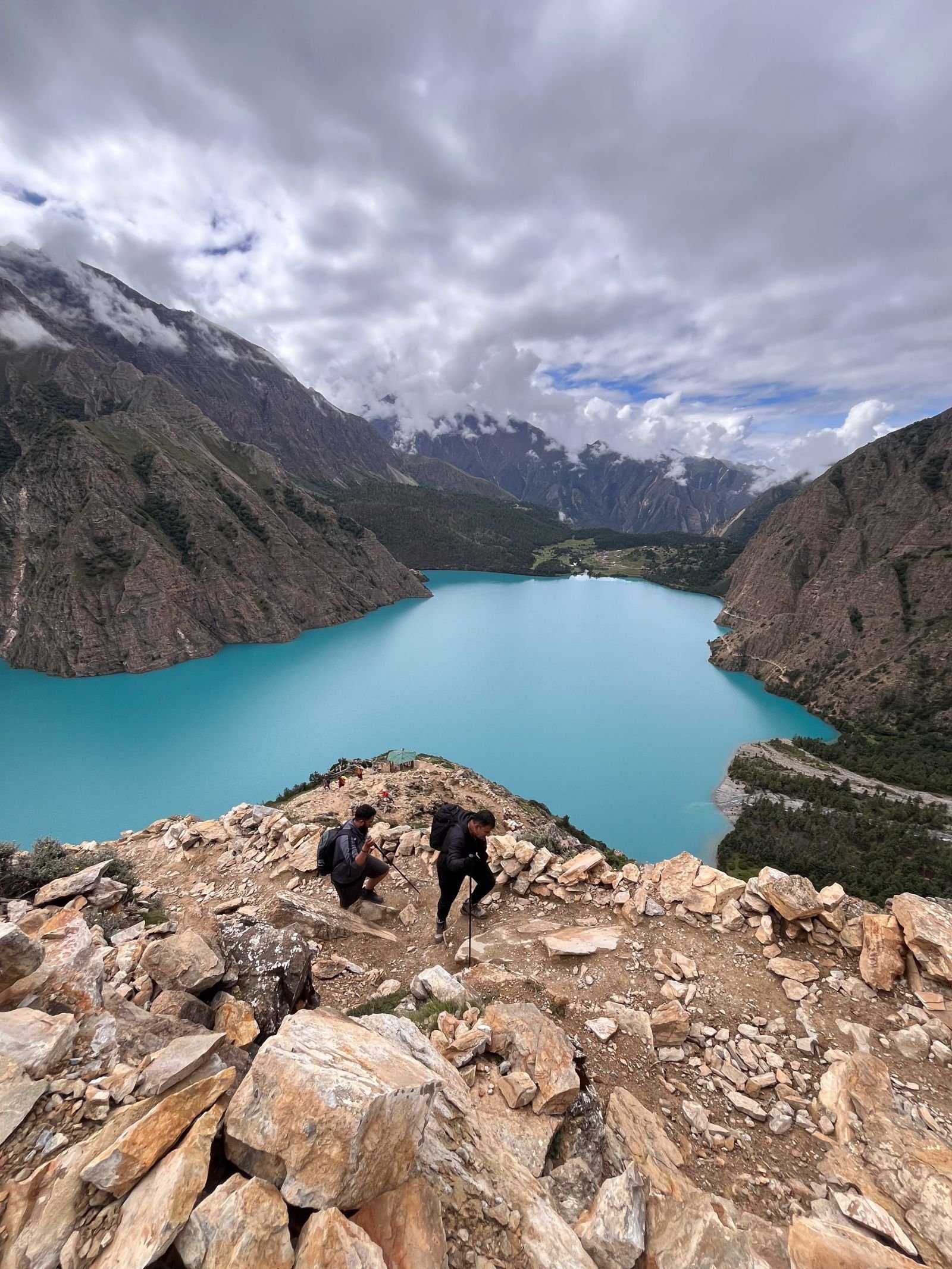
Restricted-area filming almost always benefits from strong local coordination, and in many cases it is impractical without it. A local liaison is someone on the ground who understands the area, can communicate with local authorities and communities in their own language, and can respond to questions or changes in real time. This role is distinct from the office-based preparation and review work, and the two complement each other. We help you prepare and organise documentation; a local liaison helps you operate on location once you are there.
The value of a liaison in a controlled area comes from presence and relationships. Sensitive locations often involve people who want to know who is arriving, why, and for how long. A liaison who can hold those conversations directly, calmly, and respectfully tends to smooth the path in ways that no document can. They can read local sensitivities that are invisible from Kathmandu or from abroad, notice when a plan is drifting toward something inappropriate, and raise it before it becomes a problem. In border and community areas especially, being seen to consult rather than to arrive unannounced makes a meaningful difference.
A liaison also serves a practical coordination function. Schedules shift, weather changes, and access windows open and close. Having someone local who can adjust arrangements, confirm that the production is staying within agreed boundaries, and keep local contacts informed reduces the risk of a misunderstanding escalating. In areas where communications are limited, this on-the-ground continuity is not a luxury.
We can discuss how a liaison function fits your particular plan and what it needs to cover, but the choice and engagement of any on-location personnel remains yours. We do not present ourselves as your field operator for restricted zones, and we do not guarantee that a liaison will secure any particular access. The purpose of raising it here is to make clear that documentation alone rarely carries a production through a sensitive area; human coordination on the ground is usually part of the picture, and it should be planned for from the beginning rather than improvised on arrival.
- A liaison provides on-the-ground presence, language, and relationships
- Direct, respectful consultation smooths sensitive locations
- Liaisons help keep the production within agreed boundaries
- They absorb schedule and access changes in real time
- Engaging on-location personnel remains the production's decision
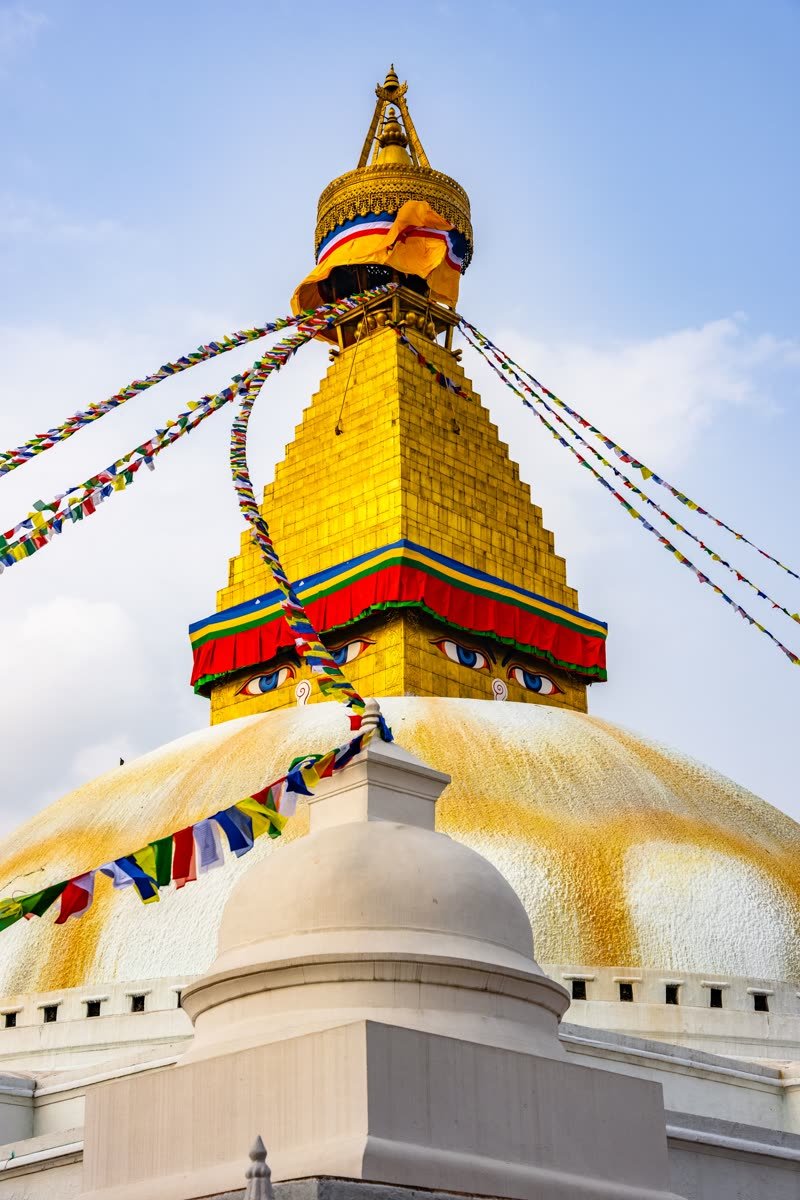
Respecting location boundaries
In restricted areas, the difference between an acceptable shoot and a serious problem is often a matter of boundaries: how far you go, what you point the camera at, and where you set foot. Access that is granted for one purpose or one part of a location does not automatically extend to everything nearby. A production that treats a permission as a general licence to film whatever is interesting risks not only that shoot but its standing for future work in the country.
Boundaries in these settings are physical, visual, and behavioural. Physical boundaries define where the crew may go. Visual boundaries define what may appear in frame, which matters especially near security installations, defence positions, or infrastructure where certain subjects are sensitive regardless of where the camera is standing. Behavioural boundaries define how the crew conducts itself: the size of the footprint, the noise, the disturbance to residents or to the environment, and the respect shown to people and places. In many restricted areas the informal behavioural expectations are as important as any written condition.
Part of our preparation work is helping you articulate your shot intentions clearly enough that boundary questions can be addressed honestly in advance. Vague plans invite trouble because they leave boundary interpretation to the moment, often under time pressure on a shoot day. Specific plans, by contrast, allow sensitive subjects to be identified early, so that either the plan is adjusted or the right questions are asked of the right people before anyone travels.
We encourage productions to build in a margin. Planning to film right up to the edge of what might be acceptable leaves no room for the reality that boundaries in restricted areas are sometimes interpreted more conservatively on the ground than a distant reading of the rules might suggest. A shoot designed with respect for boundaries built in is far more resilient than one that depends on everything being interpreted in the production's favour. Where a boundary is uncertain, the safe assumption is the more restrictive one until it is clarified.
- Access for one purpose does not extend to everything nearby
- Boundaries are physical, visual, and behavioural at once
- Certain subjects are sensitive regardless of camera position
- Clear shot intentions let boundary questions be settled in advance
- Build in a margin rather than filming to the edge of what may be allowed
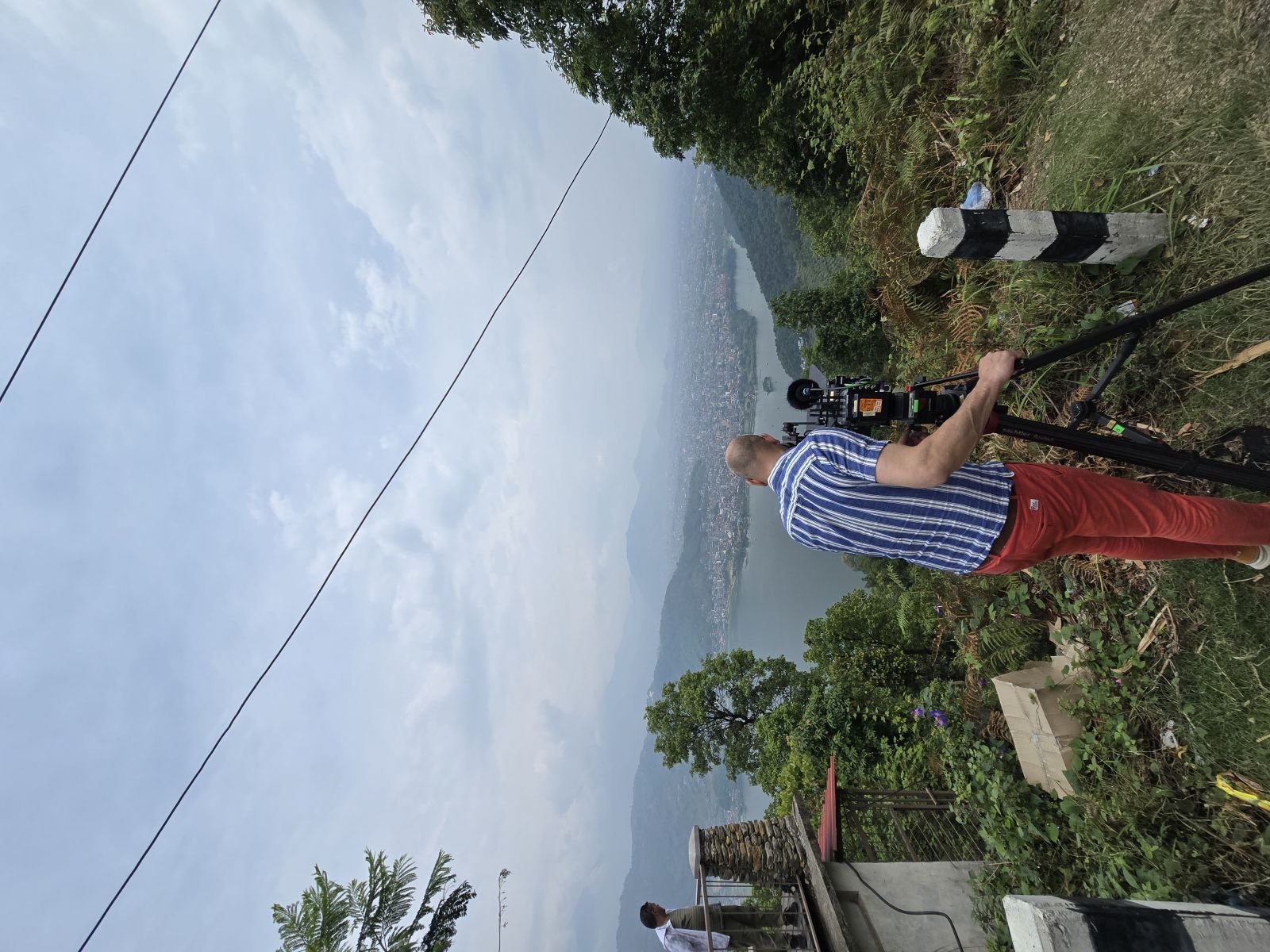
Border sensitivity and why it is handled carefully
Locations near an international border deserve particular care, and productions from abroad sometimes underestimate this. Border regions can be sensitive for reasons that have nothing to do with the production itself: they involve national security, the movement of people, and relations between neighbouring states. A camera crew that treats such an area casually can cause concern out of all proportion to its intentions, and the consequences can affect the whole production, not just a single scene.
The sensitivity is not only about the border line itself. It can extend to the approaches, to certain viewpoints, to installations and personnel in the wider zone, and to activities that might look like surveying or documentation of sensitive features even when they are entirely innocent. Aerial filming, long lenses pointed at particular subjects, and detailed documentation of access routes are the kinds of activities that can attract attention in these settings. The safest posture is one of transparency and restraint: being open about who you are and what you are doing, and being conservative about what you film.
We help productions plan border-area work with this reality in mind. That means being precise about locations, honest about intentions, and realistic about the fact that some shots which would be trivial elsewhere may simply not be appropriate near a border. It also means understanding that the requirements can differ significantly from one stretch of border to another, and that they are shaped by circumstances beyond any single production's control.
We cannot promise access to any border location, and we would be doing a production a disservice if we implied otherwise. What we can do is help you prepare a request that is clear and honest, help you understand which parts of your plan are likely to raise questions, and encourage you to design your shoot so that it does not depend on the most sensitive shots being approved. Where border sensitivity is high, the wise plan usually has alternatives ready. The specific rules that apply to your intended location are confirmed against current official sources during your review.
- Border sensitivity can arise from security and inter-state relations
- Sensitivity extends to approaches, viewpoints, and installations
- Aerial work and long lenses attract particular scrutiny
- Transparency and restraint are the safest posture
- Design shoots so they do not depend on the most sensitive shots
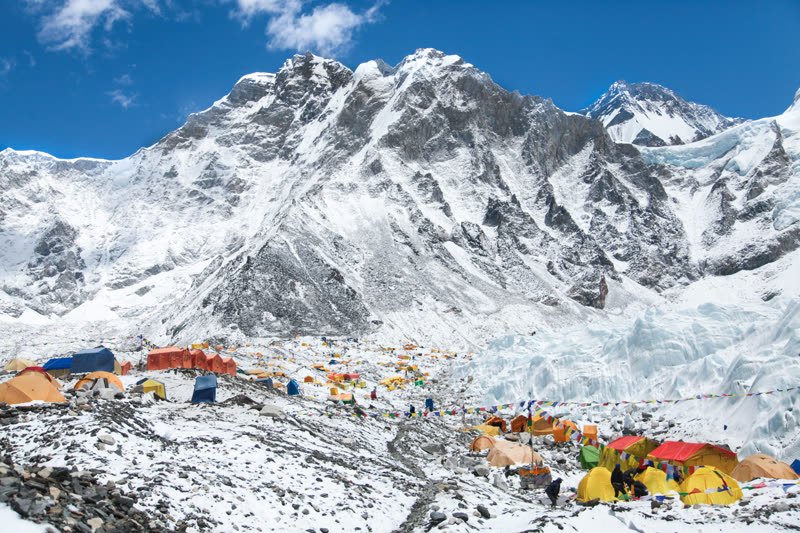
Schedule dependencies unique to restricted areas
Restricted-area filming is unusually sensitive to scheduling, and productions that plan their calendar around ordinary locations often find that a single controlled location reshapes the whole timeline. The reason is that several processes may need to align, and they do not all move at the same pace. Where an ordinary location might involve one straightforward permission, a restricted location can involve filming consideration, travel documents, protected-area or custodian approvals, and local consultation, each with its own rhythm.
The practical effect is that the slowest and least predictable element sets the pace for that location. If a travel document, a custodian approval, and a filming consideration must all be in place before the crew can work, the shoot day for that location cannot be fixed with confidence until the least certain of them is resolved. Building a rigid schedule that assumes everything will fall into place on a chosen date is one of the most common and most costly mistakes in this kind of work.
Seasonal factors add another layer. Many restricted and protected areas in Nepal are governed by seasonal access, weather windows, and periods of local or religious significance during which filming may be inappropriate or physically impossible. A remote mountain location may only be reachable for part of the year, and a culturally sensitive site may be effectively closed to filming during important observances. These realities are not obstacles to be overcome so much as constraints to be planned around.
We help productions think about the schedule as a set of dependencies rather than a fixed line. That means identifying, for each restricted location, what must be in place before it can proceed, which of those elements is least predictable, and where flexibility should be built into the calendar. We do not state specific processing times, because they depend on the location, the season, and current official requirements, and asserting a number we cannot stand behind would be misleading. Instead we help you plan for uncertainty deliberately, with contingency built in, so that a delay on one restricted location does not collapse the entire schedule.
- Multiple approval processes may need to align for one location
- The least predictable element sets the pace for that location
- Seasonal access and weather windows constrain remote areas
- Local and religious observances can make filming inappropriate
- Plan schedules as dependencies with built-in contingency
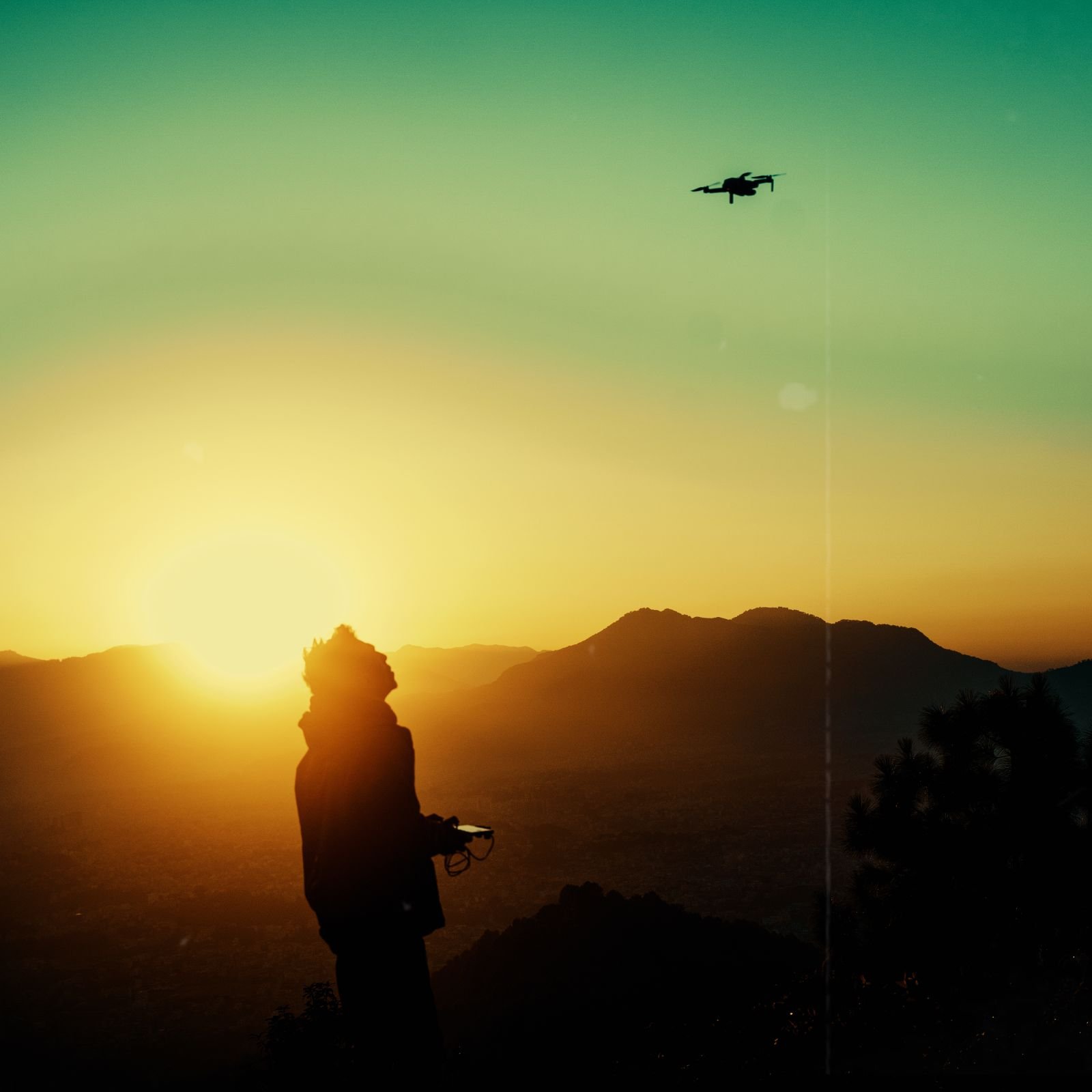
Handling scope changes mid-planning or on location
Productions evolve. A story develops, a director sees a new possibility, weather forces a rethink, or a location that looked perfect turns out to be unworkable. In ordinary filming this flexibility is manageable. In restricted areas a scope change can be significant, because a new location or a new activity may bring an entirely new set of permissions into play, and the preparation done for the original plan may not transfer.
The most important principle is that scope changes in restricted areas should be surfaced early and treated seriously, not slipped in quietly on the assumption that an existing approval will stretch to cover them. Adding a location near a border, extending into a protected area, introducing aerial work, or expanding the crew with additional foreign nationals can each change the picture materially. Treating such a change as minor because it feels minor creatively is a mistake, because the sensitivity is determined by the location and activity, not by how central the change is to the story.
We structure our preparation so that scope changes can be assessed against the same considerations as the original plan. When you tell us about a proposed change, we help you understand what new questions it may raise, whether it likely brings additional permissions or documents into play, and how it may affect the schedule for that location. Sometimes the answer is that the change is straightforward. Sometimes it is that the change effectively creates a new planning problem that needs its own lead time. Either way, knowing early is far better than discovering the implications on a shoot day.
We also encourage productions to distinguish between changes they can absorb and changes that depend on fresh approvals. A change you can absorb within your existing, confirmed scope is low risk. A change that reaches into new restricted territory carries the same uncertainty as any restricted-area plan, including the possibility that it cannot be accommodated within the available time. Keeping this distinction visible helps a production make creative decisions with a clear understanding of their practical cost.
- A new location or activity can bring entirely new permissions into play
- Surface scope changes early rather than assuming coverage stretches
- Sensitivity is set by location and activity, not creative importance
- Some changes are absorbed easily; others create new planning problems
- Distinguish changes within confirmed scope from those needing fresh approvals
An illustrative scenario
The following is an illustration built to show how the considerations on this page fit together. It does not describe a specific client, and it is not a promise of any outcome. It is offered so that a production can see the shape of restricted-area planning in a concrete form.
Imagine a foreign documentary team wants to film in a remote high-altitude valley that happens to combine several sensitivities at once. The valley requires a travel permit for foreign nationals regardless of filming. Part of it sits within a protected natural area. It contains a small monastery that a religious community treats as sacred. And it lies within a broader zone that is considered border-sensitive. The team's crew includes members of three different nationalities, and the director hopes to include some aerial shots.
In planning terms, this single location is really four or five overlapping considerations. Our preparation work would begin by mapping the valley against the possible categories: travel documents for entry, protected-area considerations for the natural part, custodian consultation for the monastery, and heightened caution for the border sensitivity. We would ask for a detailed crew list with nationalities, because the mixed crew may face different entry conditions, and we would flag the aerial ambition as a separate and sensitive question that near a border may simply not be feasible.
From there the planning becomes about sequencing and honesty. We would help the team articulate exactly what they want to film and where, so that boundary questions around the monastery and the border can be addressed in advance rather than on the day. We would treat the schedule as a set of dependencies, identifying that the least predictable element, whichever it turns out to be, sets the pace. And we would encourage the team to prepare alternatives for the most sensitive shots, particularly anything aerial or anything close to the border, so that the trip is not built around approvals that may not come. The exact requirements at each step would be confirmed against current official sources during their review, and access to nothing in this scenario could be guaranteed in advance.
- A single remote valley can combine four or five sensitivities
- Preparation maps the location against each possible category
- Mixed crew nationalities and aerial ambitions are flagged early
- The schedule is treated as dependencies, paced by the least certain element
- Alternatives are prepared for the most sensitive shots
What our restricted-area review actually does
It helps to be precise about what a restricted-area review is and is not, because the word review can imply more authority than we have. Our review is a preparation and organisation service. When you bring us a plan that includes potentially restricted locations, we work through it with you to build a clear, honest, well-documented picture of what the shoot involves, and we help you understand the considerations, the likely questions, and the documents typically needed. We then coordinate the checking of that material against current official requirements.
A review usually starts with your locations and intentions. We ask for as much specificity as you can give: where exactly, what you want to film, who will be present, what equipment you will bring, and when you hope to shoot. From there we map each location against the possible restricted categories, identify where more than one consideration overlaps, and highlight the parts of the plan that are likely to be most sensitive or most uncertain. This gives you an early, realistic sense of feasibility before you commit significant budget.
The review also produces structure. Restricted-area planning generates a lot of moving parts, and without organisation those parts get lost. We help you assemble crew details, location descriptions, shot intentions, equipment records, and schedule dependencies into a coherent set that can be understood by the people who need to assess it. Clear, honest, complete documentation is one of the few things genuinely within a production's control, and it consistently improves the experience of any assessment.
What the review does not do is grant anything. We do not issue permits, travel documents, or access. We do not decide whether a location is open to you, and we do not promise that it will be. Our value is in preparation, clarity, and coordination, and in helping you avoid the avoidable mistakes that so often complicate restricted-area work. The specific regulatory facts that govern your shoot are always confirmed against current official sources, and the final decisions rest with the relevant authorities and custodians, not with us.
- The review is preparation, organisation, and coordination, not authorisation
- It starts from your specific locations, intentions, crew, and dates
- It maps locations against possible restricted categories and overlaps
- It produces clear, honest, complete documentation you control
- It never grants access and never promises an outcome
Common mistakes productions make with restricted areas
Certain mistakes recur often enough in restricted-area planning that they are worth naming directly, because most of them are avoidable with earlier and more honest preparation. Recognising these patterns in your own plan is one of the most useful things you can do before you commit to a restricted location.
The first mistake is treating a filming approval as a travel authorisation, or the reverse. As explained earlier, these are separate questions, and satisfying one does not satisfy the other. Productions that conflate them can arrive at a controlled zone with the wrong documents and no way to proceed. The second mistake is locking crew and casting before checking nationality considerations, which can force painful last-minute changes when it turns out that some members face entry constraints for a chosen location.
The third mistake is vague shot planning. Restricted areas reward precision, because boundary and sensitivity questions can only be settled in advance if the intentions are specific. A production that says it will film in a sensitive region without saying what it will point the camera at leaves those decisions to be made under pressure on the day, which is exactly when they are hardest to make well. The fourth mistake is building a rigid schedule that assumes everything aligns on a chosen date, ignoring the fact that the least predictable element controls the pace.
The fifth mistake is designing a shoot that depends on the most sensitive shots. When the aerial shot near the border, or the interior of a sacred space, is the shot the whole trip is built around, a production has given itself no room to absorb a conservative answer. The sixth is treating scope changes casually, assuming that adding a location or an activity is minor because it feels minor creatively. And the seventh, underlying many of the others, is starting too late. Restricted-area planning needs lead time precisely because so many elements interact, and a production that begins this conversation weeks before travel has far less room to plan well than one that begins months ahead.
- Confusing filming approval with travel authorisation
- Locking crew before checking nationality considerations
- Vague shot planning that defers boundary questions to the shoot day
- Rigid schedules that ignore the least predictable element
- Building the whole trip around the most sensitive shots
- Treating scope changes as minor; starting the whole process too late
How to prepare information for a restricted-area review
The quality of a restricted-area review depends heavily on the quality of the information a production brings to it. The more specific and honest your inputs, the more useful our preparation can be, and the earlier real problems can be surfaced. This section describes what tends to make a review productive, so that you can gather the right material before we begin rather than discovering gaps midway through.
Start with locations. A list of place names is a beginning, but for restricted-area work it is rarely enough. Where you can, provide precise locations, maps, or coordinates, along with a short description of what each location is and why you want it. The difference between a general region and an exact point can be the difference between a straightforward location and one that sits inside a sensitive boundary, so precision here pays off directly. Note anything you already know or suspect about a location, such as proximity to a border or a protected area.
Next, describe your intentions honestly. What do you want to film at each location, what activities will the crew carry out, and is there anything ambitious such as aerial work, night filming, or filming of people or structures that might be sensitive. It is far better to name a potentially difficult intention early and plan around it than to leave it unstated and have it surface as a problem later. Restricted-area planning is one context where under-describing your plan works against you.
Then prepare your crew and equipment picture. A crew list with nationalities lets us flag entry considerations early. An equipment overview lets us identify anything that may carry its own considerations, particularly drones and specialised gear. Finally, share your schedule thinking, including your hoped-for dates and any flexibility you have, because restricted-area schedules are best planned as dependencies with contingency. Bringing these elements together at the start turns the review into forward planning rather than reactive firefighting, and it gives your production the strongest possible footing for a genuinely sensitive undertaking.
- Provide precise locations, maps, or coordinates, not just region names
- Describe intentions honestly, including ambitious or sensitive shots
- Supply a crew list with nationalities for early entry flags
- Include an equipment overview, noting drones or specialised gear
- Share hoped-for dates and the flexibility you have in the schedule
Working with other permissions this shoot may trigger
Restricted-area filming rarely stands alone. Because a controlled location so often overlaps with other sensitive categories, a single plan can activate several of the other considerations that foreign productions in Nepal have to think about. Understanding these connections early helps a production see the full picture rather than solving one problem at a time and being surprised by the next.
If your restricted location sits within or beside a national park, reserve, or conservation area, then protected-area considerations come into play alongside the restricted-area ones, and the activity rules of the protected area may be as important as the entry rules of the controlled zone. If your location includes a temple, monastery, stupa, or other sacred place, then custodian and religious-site considerations apply, and consultation with the institution that cares for the site becomes central. If your plan involves aerial filming, drone considerations arrive with their own set of questions, and near borders or sensitive sites these questions are especially serious.
Equipment can also connect to broader processes. Productions bringing significant gear into the country may need to think about how that equipment is brought in and taken out again, which is a customs matter distinct from filming and travel. Specialised equipment, batteries, and transmitting devices can each carry their own considerations. When a restricted location is remote, the logistics of moving equipment there safely and lawfully become part of the plan too.
We help productions see these connections as a connected map rather than a scattered list. When we review a restricted location, we flag the other permission areas it is likely to touch, so that you can plan for them in the same timeframe rather than discovering them in sequence. We do not, however, collapse them into a single guarantee. Each area has its own requirements, its own authorities or custodians, and its own uncertainties, all of which are confirmed against current official sources during your review. The benefit we offer is coordination and foresight: helping you plan the whole interlocking picture deliberately, so that no significant consideration is left until it is too late to address well.
- Restricted locations often overlap with protected-area considerations
- Sacred sites bring custodian and religious-site consultation into play
- Aerial ambitions add drone considerations, heightened near borders
- Bringing equipment in and out is a distinct customs matter
- We map connected permissions so nothing is discovered too late
| Type of restriction | Why a location may fall here | Typical planning considerations | What we help with |
|---|---|---|---|
| Border-sensitive zone | Proximity to an international border and related security or inter-state factors | Transparency about intentions, restraint on sensitive subjects, caution with aerial and long-lens work | Clarifying intentions, flagging sensitive shots, encouraging alternatives |
| Travel-permit region | Foreign nationals require entry documents regardless of any filming | Individual identity, nationality, itinerary, and duration handled separately from filming | Keeping travel and filming threads visibly separate in your plan |
| Protected natural area | Location sits within or beside a park, reserve, or conservation area | Access rules plus activity limits set by the protected area itself | Flagging overlap and helping organise location-specific detail |
| Security or infrastructure site | Defence, police, government, or sensitive-infrastructure location | Controls on what may appear in frame, not only where the crew stands | Helping you identify sensitive subjects to plan around them |
| Cultural or religious site | A custodian institution controls access to a sacred or heritage place | Consultation with the custodian, respectful conduct, behavioural boundaries | Preparing clear intentions and supporting custodian consultation |
| Community-controlled land | Local ownership, seasonal use, or community expectations govern access | Direct consultation, honest presence, respect for local sensitivities | Advising on the value of a local liaison and early consultation |
Planning considerations by type of restriction. Use this to think through which categories your locations may touch. It does not state fees, timelines, or which authority applies, because those depend on your specific locations and are confirmed against current official sources during your review.
What this includes
- Early mapping of your locations against the possible restricted-area categories
- Clear separation of filming-related and travel-related planning threads
- Flagging of crew-nationality considerations from a crew list you provide
- Guidance on articulating shot intentions so boundary questions can be addressed in advance
- Help organising location descriptions, crew details, equipment records, and schedule dependencies into a coherent set
- Foresight about other permissions a restricted location may trigger, such as protected-area, religious-site, drone, or customs considerations
- Coordination of the checking of your documentation against current official requirements
- Practical advice on scope changes and how to plan schedules as dependencies with contingency
What this does not include
- Issuing permits, travel documents, or any form of access
- Any guarantee that a restricted location will be open to your production
- Any promise regarding individual crew entry based on nationality
- Deciding which authority or custodian applies to your location, asserted as settled fact
- Stating specific government fees, charges, or processing times
- Acting as your on-location field operator or engaging liaison personnel on your behalf
- Guaranteeing drone permission, aerial access, or approval of sensitive shots
- Legal advice or representation before any authority
Frequently asked questions
No, and assuming it does is one of the most common planning errors. Film permission concerns your project, while entry into a controlled zone can require separate travel documents, and a protected area or sacred site may involve its own approvals and custodians. These are distinct processes that can run in parallel and depend on one another. A single restricted location can therefore involve several overlapping considerations rather than one, and each is confirmed against current official requirements during your review.
No. We are an independent private support service, not a government office, and we do not issue permits or grant access. We cannot promise that any restricted location will be open to your production. What we can do is help you prepare a clear, honest, complete request, flag the parts of your plan most likely to raise questions, and encourage you to design your shoot so it does not depend on the most sensitive access being approved. The decisions rest with the relevant authorities and custodians.
Controlled zones can treat foreign nationals differently from citizens, and rules can vary by country of passport within the foreign category. A mixed-nationality crew may face different entry conditions for the same location, which affects feasibility. Knowing nationalities early lets us flag where individual entry considerations may differ, so you can design the crew around the shoot rather than discovering constraints after casting and hiring are locked. We flag these considerations but never decide or guarantee any individual's entry.
They answer different questions. Filming permission concerns whether your production may film and under what conditions, focusing on your project, activities, and equipment. A travel permit concerns whether specific individuals may enter and remain in a controlled zone, and in some regions foreign nationals need one regardless of filming. Satisfying one does not satisfy the other, and where both apply they must align to the same dates and named people. The exact requirements depend on the region and are confirmed against current official sources.
In most cases some form of on-the-ground coordination is highly valuable, and for sensitive locations it can be impractical to proceed without it. A local liaison provides presence, language, and relationships, can consult directly with local authorities and communities, and can keep the production within agreed boundaries as schedules shift. Documentation alone rarely carries a shoot through a sensitive area. The choice and engagement of any on-location personnel remains yours, and we do not act as your field operator or guarantee that a liaison secures access.
As early as possible, ideally months rather than weeks before travel. Restricted-area planning is unusually sensitive to lead time because several processes may need to align, and the least predictable one sets the pace for that location. Seasonal access, weather windows, and periods of local or religious significance add further constraints. Starting early gives you room to map the considerations, surface real problems, prepare alternatives, and plan the schedule as a set of dependencies with contingency, rather than scrambling as the shoot date approaches.
It depends entirely on the specific location and circumstances, and we cannot promise access. Border regions can be sensitive for reasons unrelated to your production, including national security and relations between states, and the sensitivity can extend to approaches, viewpoints, and installations, not only the border line itself. Aerial work and long lenses attract particular scrutiny. The safest posture is transparency and restraint, and the wise plan keeps alternatives ready. The rules for a particular stretch of border are confirmed against current official sources during your review.
Tell us as early as you can, because a new restricted location or activity can bring an entirely new set of considerations into play, and the preparation done for your original plan may not transfer. Adding a border location, extending into a protected area, or introducing aerial work can each change the picture materially. We help you assess the change against the same considerations as the original plan, so you understand whether it is straightforward or effectively a new planning problem with its own lead time. Sensitivity is set by the location and activity, not by how minor the change feels creatively.
Aerial filming is one of the most sensitive activities in restricted-area work, especially near borders, security installations, or sacred sites, and we cannot guarantee drone permission or approval of any aerial shot. Drone use brings its own set of considerations in addition to the restricted-area ones. Because of this, we encourage productions to treat any aerial ambition as a distinct and uncertain question, to plan alternatives for shots that depend on it, and never to build a trip around aerial access that may not be granted. The applicable requirements are confirmed against current official sources during your review.
We do not state specific fees or processing times, because they depend on your locations, the season, and current official requirements, and asserting a number we cannot stand behind would mislead you. Restricted-area work often involves several distinct processes, each with its own costs and timing that can change. During your review we help you identify which cost and time factors are likely to apply and coordinate the checking of the current details against official sources, so your planning rests on verified information rather than on figures assumed from a web page.
Bring precise locations, maps, or coordinates rather than just region names, along with a short description of each location and anything you know about its sensitivity. Describe your filming intentions honestly, including ambitious shots such as aerial or night work. Provide a crew list with nationalities so we can flag entry considerations early, an equipment overview noting any drones or specialised gear, and your hoped-for dates with any flexibility. The more specific and honest your inputs, the earlier real problems can be surfaced and the more useful the review will be.
Not exactly, though they often overlap. A protected area such as a national park, reserve, or conservation area is a specific kind of designation with its own access and activity rules. A restricted area is a broader idea that can include protected areas but also border zones, security sites, sacred places, and community-controlled land. A single location can be both at once, which is why a remote valley might combine protected-area rules, travel-permit requirements, and border sensitivity together. We map your locations against all the relevant categories rather than assuming a single label.
Boundaries in restricted areas are physical, visual, and behavioural. Physical boundaries define where the crew may go; visual boundaries define what may appear in frame, which matters near security or infrastructure regardless of camera position; and behavioural boundaries define the size of your footprint and the respect shown to people and places. Access granted for one purpose does not extend to everything nearby. We help you articulate shot intentions clearly so boundary questions are settled in advance, and we encourage a conservative margin rather than filming to the very edge of what may be allowed.
No. Our role is office-based preparation, organisation, and coordination: mapping considerations, helping assemble documentation, and coordinating the checking of that material against current requirements. We do not act as your on-location field operator, we do not engage liaison or fixer personnel on your behalf, and we are not present to run your shoot in a restricted zone. On-location coordination is valuable and often essential, but arranging it remains your responsibility. We can discuss how a liaison function fits your plan, but the engagement of any field personnel is your decision.
We can speak confidently about what our service does, the general preparation workflow, the categories of documents productions typically prepare, the planning logic of restricted areas, common mistakes, and how to organise your information. What we do not assert as settled fact are specific fees, exact timelines, the single authority that applies to your location, or any guarantee of access, because these depend on your particular locations and activities and can change. Those specific regulatory facts are confirmed against current official sources during your review, so your decisions rest on verified information.