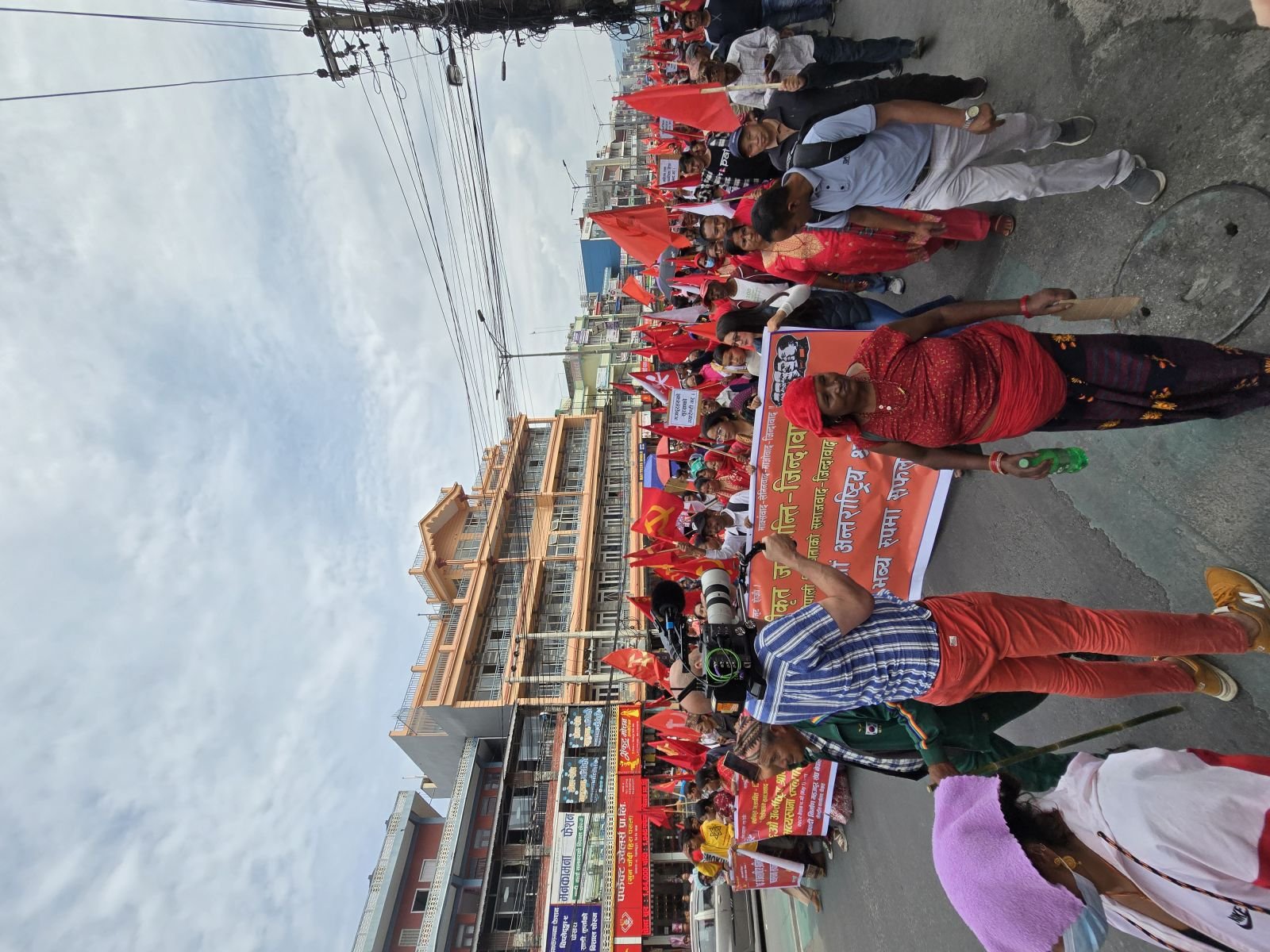
Filming in a public space in Nepal, whether that is a busy Kathmandu street, a lakeside promenade in Pokhara, a market square, a public park, a footpath, or a stretch of road, usually involves more than a single approval. Most international productions need to think in two layers. The first layer is the main film permit that covers the production as a whole. The second layer is the set of local permissions and coordination steps that apply to the specific public place where you want to point a camera. This page explains how public space filming permissions typically fit together, what a foreign production usually prepares, and how Film Permits Nepal supports that preparation.
Film Permits Nepal is an independent, privately owned production support service based in Kathmandu. We are not a government office, we do not issue permits, and we do not decide who receives access to any location. What we do is help you assemble, organise, and sanity-check the documents and information that a public space plan normally depends on, so that when your request reaches the relevant offices it is clear, consistent, and complete.
Because the exact authority that applies to a given public space depends on where it is, what you plan to do there, and how much of the space you need to occupy, this page speaks in terms of categories and workflows rather than fixed rules. It avoids stating specific fees, processing times, or a single named issuing authority as verified fact, because those details change and are properly confirmed against current official sources during your review. Read this as planning guidance that helps you brief your team, budget realistically, and avoid the common mistakes that slow a public space shoot down.
Public-space categories and why the distinction matters
"Public space" is not a single legal category in practice. It is a convenient umbrella term that covers several very different types of place, and the permission pathway can change depending on which one you mean. Being precise about the category early saves a great deal of back and forth later, because the office or custodian responsible for a road is rarely the same one responsible for a public park, a riverside ghat, or a market square.
In broad terms, productions tend to encounter these categories:
Streets, footpaths and roads, where traffic movement, pedestrian flow, and the safety of both the public and the crew are the dominant concerns. Occupying part of a carriageway or a footpath usually attracts closer coordination than simply walking through with a small camera.
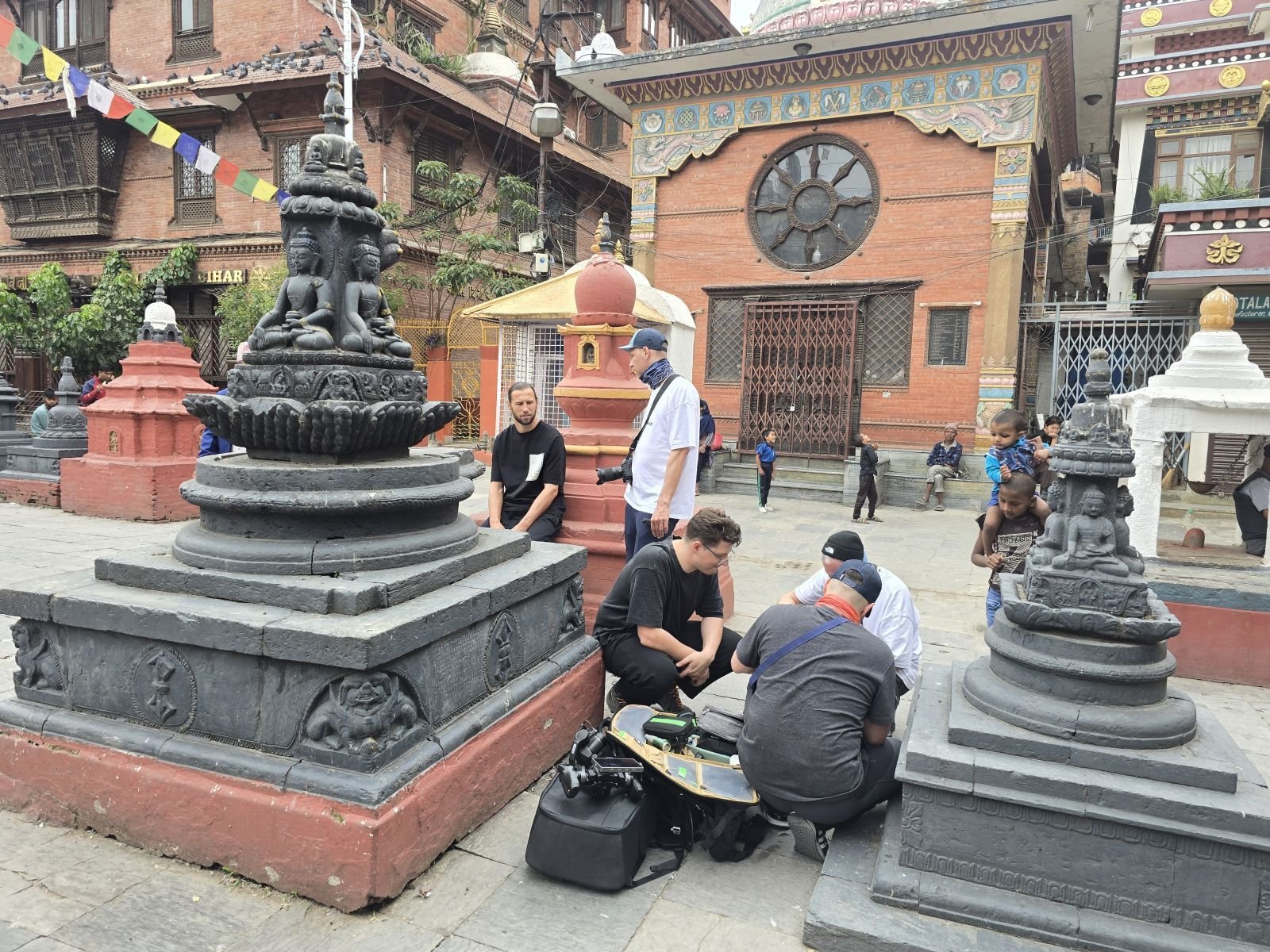
Public squares, plazas and open civic spaces, where crowds gather naturally and where the footprint of your equipment matters. These spaces are often overseen by a municipality or a local body, sometimes with additional custodians if the square adjoins a monument or a religious structure.
Public parks and gardens, which may have their own management, opening hours, ticketing, and rules on tripods, lighting, and commercial photography.
Riverbanks, lakesides and waterfront promenades, which can involve local bodies, community groups, and in some cases environmental or heritage considerations.
Transport-adjacent spaces such as bus parks, station forecourts, and areas near airports, which frequently carry extra sensitivity.
The reason this matters is that your paperwork, your timing, and the people you need to coordinate with all flow from the category. A quiet dialogue scene filmed on a footpath with a single operator sits at one end of the spectrum. A scene that stops or slows traffic, brings vehicles onto a road, sets up lighting stands, and gathers a visible crowd sits at the other. Both are "public space" filming, but they are planned very differently. During your review we help you name each public location precisely, describe what you actually intend to do there, and match that to the coordination category it most likely falls under, so that nothing is assumed and nothing is left vague.
- Streets, footpaths and carriageways, where traffic and pedestrian safety dominate
- Civic squares and plazas, often municipality-managed and sometimes near monuments
- Parks and gardens with their own management, hours, and equipment rules
- Waterfronts and riverbanks that may involve community or environmental factors
- Transport-adjacent and airport-adjacent spaces that carry added sensitivity
How the main film permit relates to public-space permission
A frequent misunderstanding is that a single permit unlocks every location automatically. In practice, most international productions in Nepal work with a layered structure. There is usually a main production permit or approval that establishes who you are, what you are making, and that your production is recognised. Then there are location-level permissions and coordination steps that apply to specific places, including public spaces.
Think of the main permit as the foundation and the public-space permissions as the additions built on top of it. The foundation says, in effect, that the production is legitimate and documented. The additions say that this particular street, square, or park may be used in the particular way you have described, at the times you have proposed, with the footprint you have declared. Whether a given public space needs its own separate permission, a coordination step with a local body, or simply operates under the umbrella of the main approval depends on the location and the activity. That is exactly the kind of point we help you clarify rather than assume.
Why does the layering matter for planning? Because the two layers can move on different timelines and involve different offices. Preparing your main production documents well does not automatically resolve a road coordination question, and securing goodwill from a local community does not replace the production-level paperwork. Productions that treat the whole thing as one monolithic approval tend to discover gaps late, often close to the shoot date, when there is the least room to adjust.
There is also a sequencing consideration. Some location-level steps are easier to progress once the main production documents are in order, because the offices and custodians you speak to will often want to see that the production itself is properly documented before they engage with the specifics of their space. We help you map which elements can be prepared in parallel and which are better sequenced, so your public-space work does not stall waiting on foundational paperwork that could have been ready earlier.
Because which authority applies to your main permit, and whether any given public space needs a distinct permission, both depend on your locations and activities, we do not assert a single named issuer here. What we do is help you build a clear picture of the layers your specific plan touches, and prepare each layer so it holds together as one coherent request.
Municipality and local-body coordination
Public space in Nepal is often overseen at the local level. Municipalities, ward offices, and other local bodies frequently have a role in how streets, squares, parks, and waterfronts within their boundaries are used. When your production wants to occupy part of a public place, especially in a way that affects the public who normally use it, coordination with the relevant local body is a natural part of the plan.
What this coordination looks like varies with the location and the activity, and we do not state a fixed procedure or fee as verified fact, because these are set locally and confirmed against current sources during your review. In general, though, local bodies tend to want to understand a consistent set of things: where exactly you intend to film, when, for how long, how large your crew and equipment footprint will be, whether you will affect movement of people or vehicles, and how you plan to keep the public safe and minimise disruption.
The more precisely you can answer those questions in advance, the smoother the conversation tends to be. A vague request that says "we would like to film in the city centre" invites delay, because the office cannot assess it. A specific request that names the exact stretch, the hours, the number of people, the equipment, and the mitigation measures gives the office something concrete to consider.
Where your shoot spans more than one local body, for example a travel sequence that moves through several municipalities, each may need its own coordination. Productions sometimes underestimate this and prepare for one office when the schedule actually crosses several jurisdictions. Mapping the jurisdictions your schedule touches is part of the planning we help with, so that the number of separate coordination steps is understood early rather than discovered mid-shoot.
Our role in this is preparatory and organisational. We help you translate your creative and logistical plan into the clear, structured information that local coordination depends on, assemble it into a consistent package, and identify which local bodies your locations fall under so you can approach the right ones. We do not represent ourselves as a local authority, we do not promise that any particular space will be made available, and we do not guarantee timing. What we offer is a well-prepared request and a realistic understanding of who is likely to be involved.
Traffic and road-use considerations
Roads are among the most sensitive public spaces to film in, because a camera on or beside a carriageway intersects directly with traffic safety and the movement of ordinary road users. There is a large difference between a shot that simply captures traffic as background from a safe vantage point and a shot that requires slowing, pausing, or redirecting vehicles, placing equipment on the road, or bringing picture vehicles into live traffic.
Any activity that affects the normal flow of a road typically calls for coordination with the bodies responsible for traffic and road use, and the plan usually needs to demonstrate that safety has been thought through. Productions that want to control or influence traffic, even briefly, should assume this is a distinct step that needs its own preparation and its own lead time, rather than something bundled invisibly into a general permit.
Several factors tend to raise the sensitivity of a road shoot: filming on a busy arterial route rather than a quiet side street; occupying part of the carriageway rather than staying on the verge; working at times of heavy traffic; using vehicles as part of the action; and anything that could momentarily surprise or confuse other road users. Each of these adds to the case you need to make and the coordination you need to arrange.
We do not state specific rules, charges, or approval times for road use as verified fact, because these depend on the location and the responsible bodies and are properly confirmed during your review. What we can do is help you describe your road-related needs precisely, separate the low-impact shots from the high-impact ones, and prepare a clear account of your intended footprint, timing, and safety measures. That clarity is what lets a coordinating body assess the request rather than defer it.
A practical planning tip: wherever the creative intent allows, identify whether a lower-impact alternative achieves the same result. A shot framed from a footpath or a fixed vantage point, or filmed at a quieter hour, may avoid the need to control traffic altogether. We are happy to help you weigh those trade-offs, because sometimes a small adjustment to how a shot is captured removes a whole layer of coordination and risk. When traffic control is genuinely essential to the story, we help you prepare for it as the significant, safety-critical step it is.
Pedestrian flow and crowd management
Even when no vehicles are involved, filming in a busy public space raises the question of how you manage the people who are simply passing through. A camera, a tripod, cabling, lighting stands, and a visible crew naturally draw attention and can create a bottleneck on a footpath or in a square. Pedestrian and crowd management is therefore a real planning topic for public space filming, not an afterthought.
There are two distinct situations to plan for. The first is managing the incidental public: people who are not part of your production but who share the space and must be able to move safely past your setup. The second is managing an assembled crowd: background performers or a gathered audience that your scene deliberately includes. These require different thinking. Incidental pedestrians need clear, safe passage and consideration for those with reduced mobility. An assembled crowd needs organisation, briefing, and a plan for keeping the group orderly and safe.
The size of your footprint drives much of this. A single operator with a small camera moving through a market is very different from a multi-person crew that plants equipment, defines a working area, and holds a position for hours. The larger and more static your presence, the more you need to show that you have thought about how the public flows around you, how you avoid creating hazards such as trip lines from cabling, and how you respond if a crowd builds unexpectedly.
Good practice includes keeping clear routes open for pedestrians, positioning equipment so it does not block doorways or crossings, having crew members whose job is to watch for and manage public interaction, and being ready to pause when the space becomes too busy. In sensitive or crowded locations, a visible and courteous approach reduces friction and helps the public understand what is happening.
We help you build these considerations into your public-space plan so that a coordinating office or local body sees a production that understands its impact. We do not run crowd control on your behalf, and we do not guarantee that a space will be quiet or available. What we do is help you describe your expected footprint honestly, plan for both incidental and assembled crowds, and present mitigation measures that make your request easier to assess. Thinking about pedestrians early also protects your schedule, because a shoot that has to stop repeatedly for safety is a shoot that runs late.
Crew size and equipment footprint
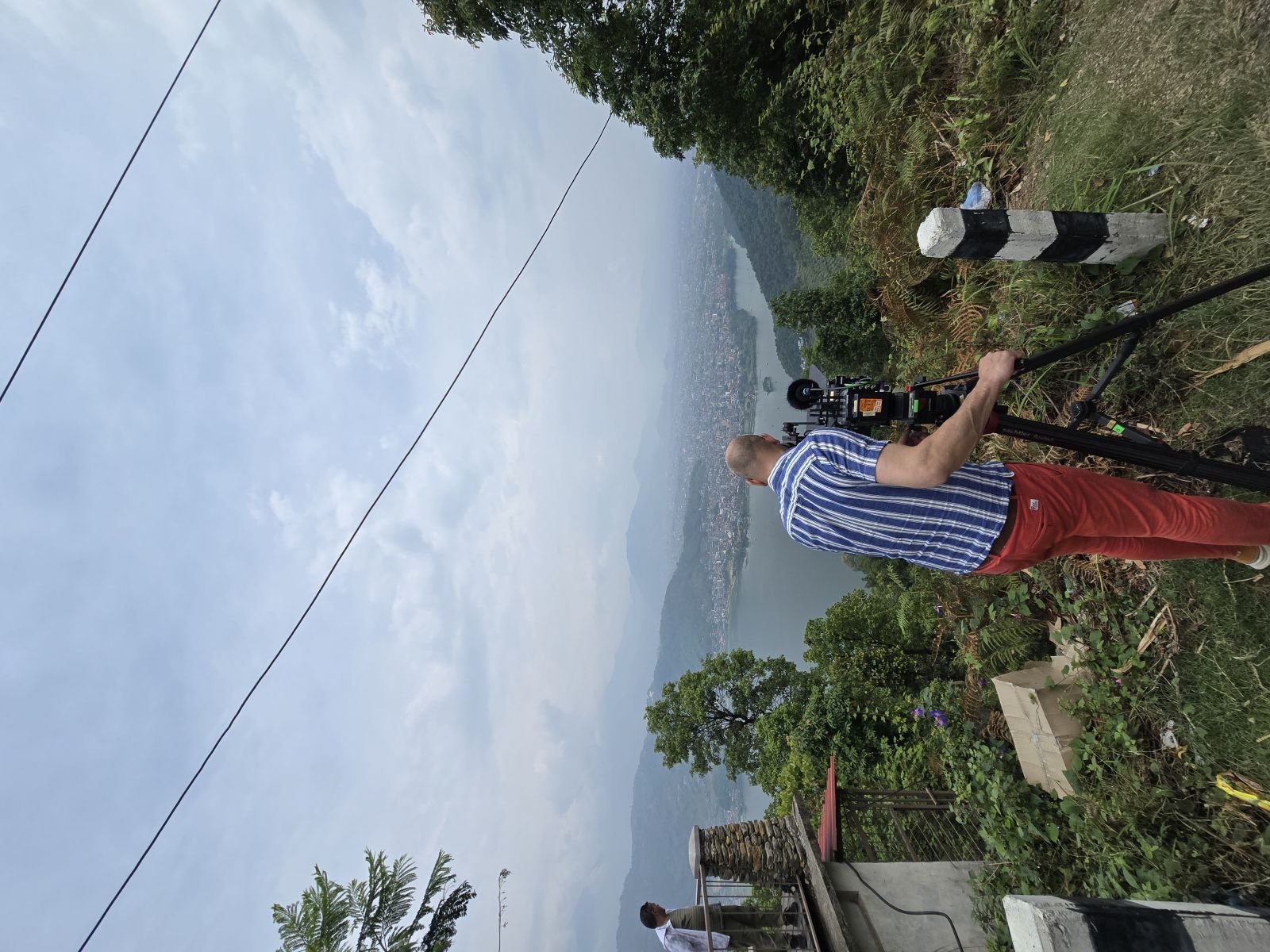
One of the most useful things a production can do before approaching any public-space coordination is to be honest and precise about its footprint. Footprint means the combination of how many people are present, how much equipment you set up, how much physical space you occupy, and how long you hold it. This single factor influences almost everything else: the sensitivity of the location, the coordination required, the safety measures expected, and how the public and the responsible offices perceive the request.
At the small end of the spectrum sit lightweight setups: one or two crew, a handheld or shoulder camera, perhaps a small tripod, moving through a space without dominating it. At the large end sit substantial setups: a full crew, multiple cameras, lighting stands, grip equipment, monitors, a defined working area, and a static hold on a location for an extended period. Between the two lies a wide range, and where your production sits on it shapes the whole plan.
Footprint interacts with the category of public space. A large footprint on a quiet park lawn may be relatively manageable. The same footprint on a narrow, busy footpath is a different proposition entirely. This is why we encourage productions to describe, location by location, exactly what they intend to bring and how much space they need, rather than describing the production in the abstract.
Equipment footprint also raises specific safety points. Stands and cabling create trip hazards. Larger rigs may need to be secured against wind or knocks. Anything that projects into a walkway or a road needs particular care. A coordinating office is reassured by a production that has clearly thought about how its physical setup coexists with the public.
There is a planning benefit to right-sizing your footprint deliberately. Sometimes a scene can be achieved with a smaller, more mobile setup that avoids a whole tier of coordination. Other times the creative genuinely needs the full rig, and then the job is to prepare thoroughly for it. We help you make that assessment location by location, document the footprint you actually need, and present it clearly. We do not decide your creative approach for you, and we do not claim that a smaller footprint guarantees any particular outcome. We simply make sure the footprint is stated accurately, because an accurate footprint is the basis of every other public-space decision.
Sound, lighting, generators and vehicles
Beyond the camera itself, several supporting elements of a shoot have their own impact on a public space and therefore their own place in your planning. Sound playback, artificial lighting, power generation, and production vehicles can each turn a low-impact presence into something that noticeably affects the people and the environment around you.
Sound is often underestimated. Playing back music or dialogue at volume, or creating noise as part of the action, affects nearby residents, businesses, and passers-by. In quiet residential areas, near places of worship, or close to schools and hospitals, sound sensitivity rises sharply. Even where no formal rule is stated, a considerate approach to volume and timing reduces friction and complaints, and complaints are one of the most common reasons a public shoot is interrupted.
Artificial lighting raises two issues. First, physical: stands, cabling, and fixtures add to your footprint and its associated safety considerations. Second, disruption: strong lights can dazzle drivers if near a road, disturb residents at night, and change the character of a shared space. Night shoots in public areas combine lighting impact with the added sensitivity of working while people are trying to sleep nearby.
Power generation matters because a generator brings noise, fumes, fuel, and cabling. Where and how you place a generator, and how you manage its noise and safety, becomes part of your footprint description. Vehicles add another layer: parking production vehicles in a public space occupies room that the public would otherwise use, and picture vehicles that appear on camera in a road scene connect back to the traffic considerations discussed earlier.
We do not state specific noise limits, curfews, or vehicle rules as verified fact, because these vary by location and are confirmed against current local sources during your review. What we do is help you list these supporting elements honestly for each location, think through their impact, and prepare mitigation. A production that says "we will use a generator and lighting from evening into the night in a residential street" and pairs that with a considered plan for noise, safety, and neighbour communication presents a far stronger request than one that mentions none of it. Being upfront about sound, light, power, and vehicles is not just about compliance. It is about being a good temporary guest in a space that belongs to everyone, which in turn protects your ability to keep filming there.
Public notice, safety planning and community goodwill
Filming in a public space means sharing that space with people who did not choose to be part of a production. How you communicate with and protect those people is central to a smooth shoot, and it is also something that coordinating offices and local bodies increasingly want to see addressed.
Public notice is the practice of letting the people who use a space know, in advance where possible, that filming will take place. Depending on the location and impact, this can range from informal courtesy, such as speaking with nearby shopkeepers and residents, to more organised notice for higher-impact activity. The goal is to avoid surprise, because surprise is what generates objections. A neighbourhood that has been told what to expect is far more accommodating than one that wakes up to lights, cables, and crowds with no warning.
Safety planning is the other half of the equation. A basic safety approach for public-space filming considers the hazards your setup introduces, such as cabling, stands, vehicles, and crowding, and sets out how you will control them and how you will respond if something goes wrong. It also considers the safety of your own crew working in a shared, sometimes unpredictable environment. You do not need an elaborate document for a tiny shoot, but the thinking should scale with the footprint. For larger public-space work, a written safety plan that a coordinating body can review is a strong signal of a responsible production.
Community goodwill deserves particular emphasis in Nepal, where local relationships carry real weight. A courteous, communicative production that respects the rhythms of a place, keeps its promises about timing and footprint, cleans up after itself, and treats residents and passers-by with consideration will find public spaces far more workable than one that behaves as though it owns the location. Goodwill is not a formal permission, but it is often the practical difference between a shoot that proceeds and one that stalls under complaints.
We help you plan public notice appropriate to your impact, structure a proportionate safety approach, and think through community relations for each location. We do not issue notices on your behalf as an authority, we do not guarantee that the public will be cooperative, and we do not promise an incident-free shoot. What we provide is a framework that makes your production considerate, prepared, and easier for local offices to support.

When a public-space scene also involves a drone
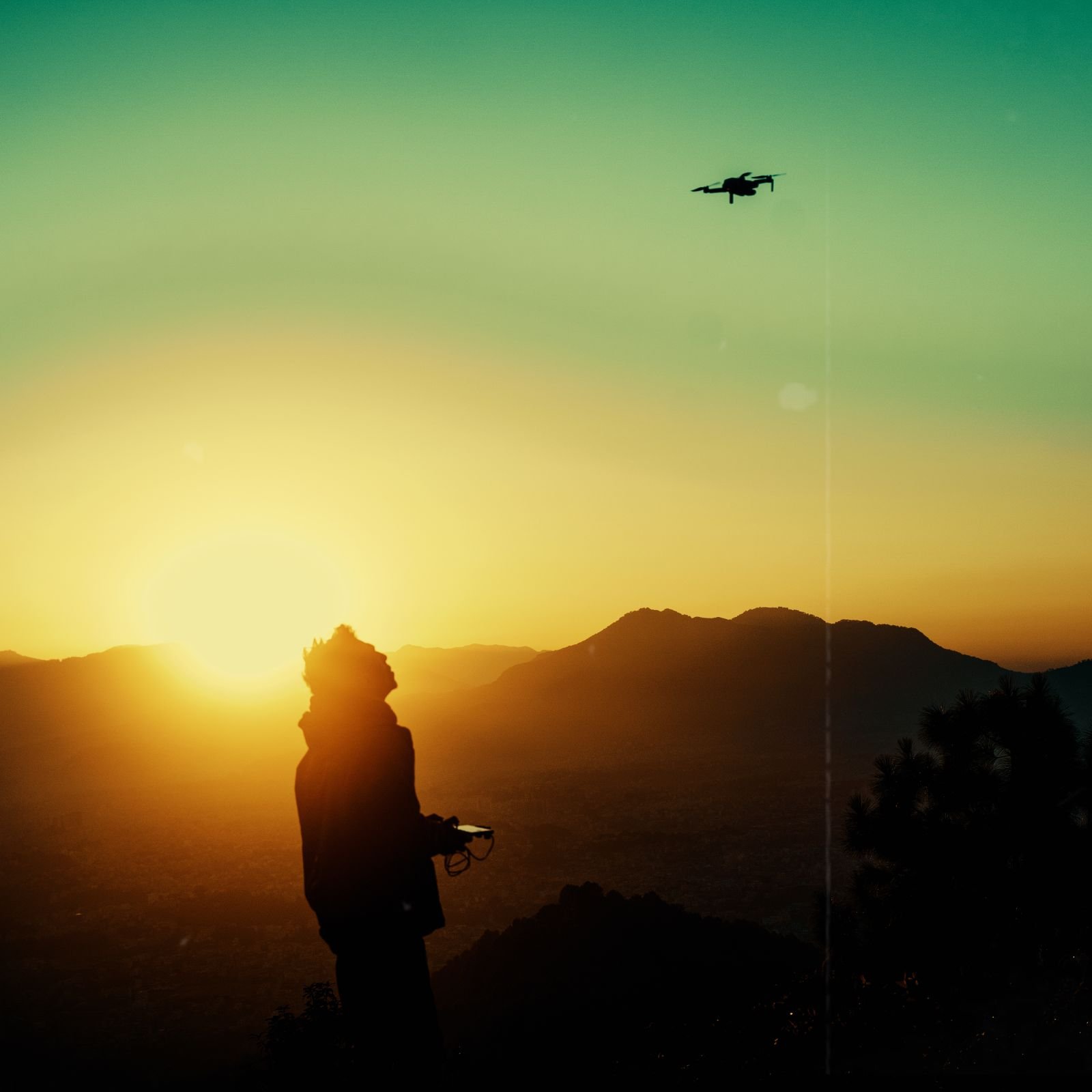
Adding a drone to a public-space shoot changes the picture significantly, because a drone introduces an entirely separate dimension of permission and risk on top of the ground-level plan. A shot that would be straightforward with a handheld camera can become far more involved the moment it moves into the air above a public place.
Drone operations over or near public spaces raise concerns that ground filming does not. There is the safety of people below, the question of airspace, proximity to airports and other sensitive sites, privacy, and in some locations heritage or environmental sensitivity. Flying over a crowd, a busy street, or a gathering is generally treated as more sensitive than flying over an empty area, precisely because the consequences of a problem are greater when people are underneath.
We do not state drone rules, altitudes, no-fly boundaries, or approval procedures as verified fact on this page, and we never promise that drone permission will be granted or that a particular flight will be allowed, because those are matters for the relevant authorities and are confirmed against current official sources during your review. What we can say confidently is that a drone element should be planned as its own workstream, not folded quietly into a public-space request as if it were a minor add-on.
Because of this, when a public-space scene involves a drone we treat the two as connected but distinct. The ground plan deals with your footprint, crowd, and coordination at street level. The aerial plan deals with the separate considerations of flying. Both need to be consistent with each other, and the aerial component typically carries its own preparation and its own lead time that you should build into the schedule early.
Productions sometimes assume a quick aerial shot is trivial. In a public, populated setting it rarely is. If the aerial element is essential, plan for it deliberately and allow time. If it is merely desirable, it is worth asking whether a ground-based alternative achieves enough of the effect without the added complexity. We are glad to help you think through that choice, prepare the ground-level public-space material thoroughly, and understand that the drone component is a separate matter requiring its own dedicated attention rather than something that rides along automatically with your street-level plan.
Location release records and permissions on file
Even after the coordination and permissions for a public space are handled, a well-run production keeps its own internal record of what was agreed and with whom. These location release records are not a substitute for any official permission, but they are an important part of a professional production's paperwork, particularly for footage that will be distributed commercially.
A location release, in general terms, is a record documenting that you had permission or consent to film in a particular place and to use the resulting footage. For public spaces the situation is more nuanced than for private property, because a public street or square does not have a single owner who signs a form. Nonetheless, where you have coordinated with a local body, obtained a specific permission, or reached an understanding with a custodian of part of a space, keeping a clear record of that is sound practice. It protects the production later, when broadcasters, distributors, or their legal and insurance teams ask what permissions were in place.
There is also the matter of people who appear in your footage. Filming in a public space often captures members of the public incidentally. Depending on how the footage will be used, and especially where individuals are featured recognisably or the material is commercial, you may need to think about the appropriate consents. This is a nuanced area that depends on your usage and your distribution, and it is worth resolving deliberately rather than hoping it will not matter.
We help productions understand what location-related records are typically worth keeping, organise the permissions and coordination confirmations you accumulate into a coherent file, and flag where usage and consent questions deserve closer attention given how you intend to distribute the material. We do not provide legal advice, we do not draft binding contracts as a law firm, and we do not decide what consent your particular distribution requires. What we do is make sure the record-keeping side of your public-space work is organised, so that the value of the permissions you secured is not lost through poor documentation.
Keeping these records in order also makes future work easier. Productions that document their public-space permissions cleanly find it simpler to answer questions from partners, to reuse footage confidently, and to return to a location on good terms. Treat the records as part of the deliverable, not an administrative afterthought.
How Film Permits Nepal supports a public-space plan
Our involvement in a public-space shoot is that of an independent preparation and coordination-support partner. We help international productions turn a creative and logistical plan into an organised, consistent body of information and documentation that stands up when it reaches the relevant offices, custodians, and local bodies. We do not issue permits, we do not act as any authority, and we do not control access to any location.
A typical engagement begins with a review of what you intend to do. You tell us your locations, your footprint at each, your timing, and any elements such as traffic control, crowds, sound, lighting, vehicles, or drones. We help you name each public space precisely, identify which category it falls into, and map the likely coordination and permission layers involved. From there we help you identify gaps: information you have not yet defined, documents that are missing, inconsistencies between what different parts of your plan say, and areas where your stated footprint and your stated intentions do not match.
We then help you assemble the material into a clear package. This includes structuring your location descriptions, your footprint and timing details, your safety and public-notice thinking, and your supporting production documents so that they present as one coherent request rather than a scattered collection of fragments. Throughout, we keep the wording of anything regulatory conditional and grounded in what will be confirmed against current official sources, because we do not assert fees, timelines, or a single issuing authority as fixed fact.
We also help you plan sequencing and lead time. Public-space work often involves several offices and several layers that move on different clocks. Understanding what can be prepared in parallel, what is better sequenced, and where the longer lead items sit helps you protect your shoot dates. We are candid about uncertainty: where an outcome or a timing depends on a body outside our control, we say so plainly rather than offering false reassurance.
Throughout, we handle your material with care and confidentiality. Your scripts, schedules, and production details are sensitive, and we treat them accordingly. Our value is in preparation, organisation, clarity, and local familiarity with how these requests are structured, not in any authority we do not have. We never promise guaranteed approval, guaranteed timing, or guaranteed access, and we are wary of anyone who does. What we promise is thorough, honest, well-organised support that gives your public-space plan the best possible chance of being understood and supported on its merits.
Common mistakes with public-space filming
Many of the delays and difficulties productions encounter with public-space filming trace back to a handful of avoidable mistakes. Recognising them early is one of the simplest ways to protect a schedule and a budget.
The first common mistake is treating every public space as identical. As explained earlier, a road, a park, a square, and a waterfront can involve different offices and different considerations. Productions that prepare a single generic request and expect it to fit everywhere tend to find that it fits nowhere cleanly.
The second is underestimating footprint. A plan that describes the production in the abstract, without stating crew numbers, equipment, occupied space, and hold time location by location, gives coordinating offices nothing concrete to assess and gives the production a false sense of how simple the shoot will be. Honest, specific footprint description is the antidote.
The third is ignoring the supporting elements. Sound, lighting, generators, and vehicles are frequently left out of early planning and then surface as problems on the day. Naming them upfront, with mitigation, avoids nasty surprises.
The fourth is assuming the main permit covers everything. The layered structure means location-level coordination often needs its own attention and its own lead time. Productions that assume a single approval unlocks every street are the ones most likely to hit a wall close to the shoot date.
The fifth is leaving community and public notice to chance. Surprised residents and disrupted passers-by generate objections, and objections stop shoots. A little communication in advance goes a long way.
The sixth is folding a drone into a public-space request as an afterthought. As covered above, the aerial element is a separate matter with its own preparation and lead time, and treating it casually is a reliable way to run into trouble.
The seventh is poor record-keeping. Coordination happens, permissions are given, understandings are reached, and then none of it is documented, leaving the production unable to demonstrate later what was agreed.
The eighth, and perhaps the most costly, is leaving everything too late. Public-space work often touches several bodies moving on different timelines. Starting early gives you room to adjust, to sequence sensibly, and to absorb the inevitable surprises. We help productions avoid each of these mistakes by building precision, honesty, and adequate lead time into the plan from the start.
Planning your public-space shoot with adequate lead time
Time is the resource productions most often mismanage when it comes to public-space filming. Because the ground-level footprint of a shoot can look simple, it is tempting to assume the permissions and coordination behind it will be quick. In reality, public-space work frequently involves several offices, several layers, and several dependencies, each on its own clock, and giving yourself room is the single most effective way to keep a shoot on track.
We cannot and do not state specific processing times as verified fact, because they depend on the location, the responsible bodies, the complexity of your request, and current conditions, all of which are confirmed during your review. What we can offer is a way of thinking about lead time. Begin by listing every public location and, for each, the coordination and permission layers it plausibly touches. Then identify the elements most likely to need longer: anything affecting traffic, anything involving a crowd, anything at a sensitive or high-profile location, anything involving a drone, and anything that crosses multiple jurisdictions. Those are your long-lead items, and they should be started first.
Sequencing matters alongside duration. Some steps are easier once your main production documents are in order, so preparing that foundation early unlocks the location-level work that depends on it. Other steps can proceed in parallel. Mapping which is which turns a vague sense of urgency into a concrete plan, and lets you see where a delay in one place would ripple into others.
Buffer is essential. Public spaces are shared, dynamic environments, and things change: an unexpected event occupies your square, weather forces a night shoot to move, a local body needs more information, or a festival period alters what is feasible. A schedule with no slack turns any of these into a crisis. A schedule with sensible buffer absorbs them. Public holidays, festivals, and local closures also affect both office availability and the character of the spaces themselves, and are worth checking against your dates early.
We help you build this lead-time thinking into your production plan, identify the long-lead and multi-jurisdiction elements, and sequence your preparation so the foundational work is not left blocking the location work. We are honest about what we cannot control: we do not set the timelines of the offices involved, and we do not promise a particular turnaround. Our contribution is to help you plan realistically, start early, and protect your shoot dates with adequate buffer, so that public-space filming becomes a managed process rather than a last-minute scramble.
| Public-space element | Why it matters | Typical considerations | What we help you prepare |
|---|---|---|---|
| Streets, footpaths and roads | Directly affects traffic and pedestrian safety | Carriageway occupation, traffic impact, vantage point, timing | Precise footprint, separation of low- and high-impact shots, safety and timing detail |
| Civic squares and plazas | Often municipality-managed and near monuments or crowds | Local-body coordination, footprint, adjoining custodians | Location naming, coordination mapping, consistent request package |
| Parks, gardens and waterfronts | May have own management, hours and equipment rules | Opening hours, tripod and lighting rules, community and environmental factors | Location descriptions, footprint, and identification of the responsible body |
| Traffic and road control | Any change to normal traffic flow raises sensitivity | Slowing or pausing vehicles, picture vehicles, arterial versus side street | Clear account of intended footprint, timing and safety; alternatives where feasible |
| Pedestrian and crowd management | A footprint can bottleneck a shared space | Incidental public passage, assembled crowds, mobility access | Mitigation planning, footprint honesty, and orderly crowd approach |
| Sound, lighting, generators, vehicles | Turn a quiet presence into a disruptive one | Noise near homes and worship sites, night lighting, fumes, parking | Honest listing per location with proportionate mitigation measures |
| Public notice and community goodwill | Surprise generates objections that stop shoots | Advance courtesy or organised notice, local relationships | Proportionate notice planning and community-relations thinking |
| Drone element | Separate airborne permission and risk layer | Safety of people below, airspace, sensitive sites, privacy | Treatment as a distinct workstream with its own lead time |
| Location and permission records | Protects the production and its footage later | Coordination confirmations, permissions, incidental-public consent | Organised record file and flags on usage and consent questions |
| Lead time and sequencing | Multiple offices and layers move on different clocks | Long-lead items, multi-jurisdiction routes, festivals and closures | Sequencing plan, buffer, and early start on foundational documents |
Public-space filming planning matrix: how the category and your activity shape the considerations and what we help prepare. This is planning guidance, not a statement of fees, timelines, or a single named authority.
What this includes
- Review of each public location and the coordination or permission layers it likely touches
- Help naming and categorising public spaces precisely (streets, squares, parks, waterfronts)
- Footprint documentation support: crew, equipment, occupied space and hold time per location
- Structuring of timing, safety thinking and public-notice planning proportionate to impact
- Gap and consistency review across your plan and supporting production documents
- Guidance on how the main permit and location-level permissions fit together
- Sequencing and lead-time planning, including identifying long-lead and multi-jurisdiction items
- Help treating any drone element as a separate, properly planned workstream
- Organisation of location-related permission and coordination records into a coherent file
- Confidential handling of your scripts, schedules and production details
What this does not include
- Issuing permits or granting access to any public space (we are not an authority)
- Guaranteeing approval, timing, location availability or drone permission
- Stating specific government fees, charges or processing times as verified fact
- Naming a single issuing authority as verified fact independent of your locations
- Controlling or directing traffic, or running crowd control, on your behalf
- Providing legal advice or drafting binding contracts as a law firm
- Obtaining consents or issuing public notices as though we were an official body
- Deciding your creative approach, footprint or distribution strategy for you
- Customs clearance, equipment import or re-export handling
- Any promise that a space will be quiet, available, or free of public objection
Frequently asked questions
It depends on where the space is and what you intend to do there. A small, low-impact presence that simply passes through a space is treated very differently from a setup that occupies part of a street, gathers a crowd, or affects traffic. Many public spaces sit under the oversight of a municipality or local body, and higher-impact activity commonly involves coordination with them in addition to your main production permit. During your review we help you name each location precisely and identify the likely coordination or permission layers, rather than assuming a single answer applies everywhere.
Not necessarily. Most international productions work with a layered structure: a main production permit or approval as the foundation, plus location-level permissions and coordination for specific places. Whether a given public space needs its own distinct permission, a coordination step with a local body, or simply operates under the umbrella of the main approval depends on the location and the activity. We help you map which layers your particular plan touches so nothing is assumed, and we do not represent the main permit as a blanket approval for all locations.
Anything that affects the normal flow of a road is generally more sensitive and typically calls for its own coordination with the bodies responsible for traffic and road use. You should plan for this as a distinct step with its own preparation and lead time, not something bundled invisibly into a general permit. The plan usually needs to show that safety has been thought through carefully. We help you describe your road-related needs precisely and, where the creative allows, consider lower-impact alternatives that may avoid the need to control traffic at all.
As much as you can, location by location. Your footprint, meaning how many people, how much equipment, how much space you occupy, and how long you hold it, drives almost every other public-space decision. A vague description gives coordinating offices nothing concrete to assess and gives you a false sense of simplicity. A precise, honest footprint for each location is the foundation of a strong request. We help you document exactly what you intend to bring to each place so the plan is grounded in reality.
No, and you should be cautious of anyone who claims they can. We are an independent private support service, not an authority, and we do not control access to any location. Public spaces are shared, and access depends on the relevant offices, custodians, and conditions on the ground, none of which we can command. What we do is help you prepare a clear, complete, well-organised request that gives your plan the best possible chance of being understood and supported on its merits. We are always honest about what lies outside our control.
For anything beyond a very small presence, giving notice is good practice and often expected. Public notice ranges from informal courtesy with nearby shopkeepers and residents to more organised notice for higher-impact activity. The purpose is to avoid surprise, because surprise is what generates objections, and objections are a common reason public shoots get interrupted. We help you plan notice proportionate to your impact and think through community relations for each location, which tends to make the whole shoot smoother.
These supporting elements each add impact and belong in your planning, not as afterthoughts. Sound playback affects nearby residents and businesses, and sensitivity rises near homes, places of worship, schools, and hospitals. Lighting adds both a physical footprint and potential disruption, especially at night. Generators bring noise, fumes, and cabling. We do not state specific limits or curfews as verified fact, because these vary locally and are confirmed during your review, but we help you list these elements honestly for each location and prepare sensible mitigation so your request is stronger and your shoot less likely to draw complaints.
Significantly. A drone introduces a separate dimension of permission and risk on top of your ground-level plan, including the safety of people below, airspace, proximity to airports and sensitive sites, and privacy. Flying over a crowd or a busy street is generally treated as more sensitive than flying over an empty area. We treat the aerial element as its own workstream with its own preparation and lead time, and we never promise that drone permission will be granted. If the shot is essential, plan for it early; if it is merely desirable, it is worth considering a ground-based alternative.
Then you may need coordination with each local body your schedule crosses, because public space is often overseen at the local level and jurisdiction changes as you move. Productions sometimes prepare for one office when their travel sequence actually spans several. Mapping the jurisdictions your schedule touches early lets you understand how many separate coordination steps are realistically involved and plan the lead time accordingly. We help you identify which local bodies your locations fall under so you approach the right ones rather than discovering the gaps mid-shoot.
Location releases and permission records are sound professional practice, particularly for footage you intend to distribute commercially, even though a public street has no single owner to sign a form. Where you have coordinated with a local body, obtained a specific permission, or reached an understanding with a custodian, keeping a clear record protects the production later when distributors and their legal teams ask what permissions were in place. Separately, filming in public often captures members of the public, and depending on your usage you may need to consider appropriate consents. We help you organise these records, though we do not provide legal advice.
As early as you realistically can. Public-space work often touches several offices and several layers that move on different timelines, and the ground-level simplicity of a shoot can disguise the coordination behind it. We cannot state specific processing times as verified fact, because they depend on the location, the bodies involved, and current conditions confirmed during your review. What we can say is that starting early gives you room to sequence sensibly, address long-lead items such as traffic control or drones first, and build in buffer for the inevitable surprises. Late starts are the most common cause of avoidable stress.
No. Film Permits Nepal is an independent, privately owned production support service based in Kathmandu. We are not a government office, we do not issue any permits, and we do not decide who receives access to any location. Our role is to help you prepare, organise, and sanity-check the documents and information your public-space plan depends on, and to help you understand the likely coordination layers involved. Any actual permission comes from the relevant offices and custodians, and specific regulatory facts are confirmed against current official sources during your review, not asserted by us.
With care. Your scripts, schedules, locations, and production plans are sensitive, and we treat them as confidential throughout our work together. Our value lies in preparation, organisation, clarity, and familiarity with how public-space requests are structured, not in any authority we do not hold. We keep the wording of anything regulatory conditional and grounded in what will be confirmed against current sources, we are candid about what lies outside our control, and we never trade on your material or make promises of guaranteed approval, timing, or access. If a detail is uncertain, we say so plainly rather than offering false reassurance.