Private property filming in Nepal covers any scene shot on land, inside a building, or within a compound that belongs to a private owner rather than the state or the public. This includes family homes, courtyards, guesthouses and boutique hotels, restaurants and cafes, shops, farms, workshops, private gardens, rooftops, and privately held historic residences. For an international production, the private nature of the location does not remove it from the wider permit picture. In most cases a foreign shoot still works within a main film permission for the production as a whole, and the private property consent sits alongside that as a separate layer of agreement between you and the person who controls the space.
Film Permits Nepal is an independent, privately owned production support service based in Kathmandu. We are not a government office and we do not issue permits, grant location access, or approve filming. What we do is help foreign and domestic productions prepare cleanly: we help you identify who genuinely controls a private location, assemble the consent and agreement documents that a professional shoot should hold, map how private access dates interact with your wider schedule, and flag the points where privacy, safety, neighbours, alterations or drone use need extra care. Which official permissions apply to your specific production depends on your locations, activities and crew, and those details are confirmed against current official sources during your review.
This page explains, in practical detail, how to plan a private property shoot in Nepal: the consent chain, the location agreement, footprint and crew considerations, alterations and noise, insurance and damage, privacy and neighbours, drone overlap, and the release records that protect you long after the camera stops rolling.
What private property filming means in Nepal
Private property filming means recording on any location where access and use are controlled by a private person or entity rather than by a public authority. In Nepal this covers a wide and varied set of spaces. A traditional home in a historic quarter, a modern apartment, a family farmhouse in the hills, a tea estate, a small hotel courtyard, a rooftop cafe overlooking the valley, a tailor's workshop, a private temple attached to a family compound, and a walled garden are all private locations even when they sit inside a busy public area.
The defining feature is control, not appearance. A street is public, but the shopfront that opens onto it is private. A public trail may pass directly beside privately farmed terraces. A monastery may be a religious institution rather than a household, yet still function as a private, custodian-controlled space. Because the boundary between public and private is not always obvious on the ground, the first task on any private location is to establish clearly who holds the right to say yes.
For a foreign production this matters for three reasons. First, filming without the genuine consent of the controlling party can halt a shoot, damage relationships, and create legal exposure. Second, the private consent is usually separate from, and additional to, any official permission your production needs. Third, private owners have their own conditions on time, noise, alterations, insurance and privacy that a professional shoot should capture in writing before the shoot day, not negotiate on the morning of it.
Our role at this stage is to help you sort your locations into clear categories, identify which are genuinely private, and prepare the consent and agreement documents that a well-run production carries. We do not grant access to any location and we cannot promise that a particular owner will agree. What we can do is make sure that when an owner does agree, the agreement is recorded properly and sits correctly within your overall permit planning.
How private property consent fits with the main film permit
A common misunderstanding among visiting productions is that a signed agreement with a property owner is the only permission needed to film there. Private consent is essential, but it is one layer among several. Most foreign productions in Nepal operate within a broader film permission for the production as a whole, and private location consent sits underneath that broader permission rather than replacing it.
Think of it as two questions that must both be answered. The first is: are you, as a production, permitted to film in Nepal for this project and this purpose? The second is: are you permitted to be on this particular piece of private land and to use it in the way your scene requires? The property owner answers the second question. The first question depends on the official permissions that apply to your production type, crew and activities, and which authority is involved depends on your specific circumstances and is confirmed during your review against current official sources.
The two layers interact in practical ways. Some private locations sit inside or beside areas that carry additional permission requirements, for example a private house within a heritage zone, a farm inside or adjoining a protected area, or a rooftop near sensitive airspace. In those cases the owner's consent does not override the wider requirement, and the wider requirement does not remove the need for the owner's consent. You need both, and they need to be aligned on dates and scope.
We help you see this whole structure at once rather than in isolated pieces. When you send your location list, we map each private location against the other permission layers that could apply, so you understand where a simple owner agreement is enough and where additional official permission may be needed. This prevents the frequent and costly situation where a production secures a beautiful private location, only to discover that its position inside a protected or heritage context introduces requirements no one planned for. We do not decide those requirements ourselves; we help you identify and prepare for them so they can be confirmed with the relevant authorities.
Property owner consent and proof of authority
The single most important step on any private location is confirming that the person granting access actually has the authority to do so. On many Nepali properties, ownership and day to day control are not held by the same individual, and a production that relies on a verbal yes from the wrong person can be stopped mid shoot by someone with a stronger claim.
Several situations recur. A property may be owned by one family member but occupied by another. A guesthouse or shop may be operated by a tenant under a lease, while the building belongs to a landlord whose consent is also needed for certain uses. Land may be held jointly by siblings or by an extended family, so that no single person can commit it alone. A property may be managed by a caretaker who can permit a visit but not a full production. A commercial building may sit under a management company with its own approval process.
Because of this, a professional production establishes the consent chain before committing to a location. The practical goal is to identify the person or people whose agreement is decisive, and to record that agreement in a form that will hold up if questioned. Useful confirmations include the owner's or authorised representative's identification, a document showing their relationship to the property, and, where a tenant is granting access, evidence that their lease allows the intended use or that the landlord has also agreed.
We help you build this consent picture without overcomplicating it. For a straightforward single owner home the confirmation is simple. For a shared, leased, or managed property we help you map who needs to sign and what supporting evidence a location agreement should reference. We do not verify title or adjudicate ownership disputes, and we are not a substitute for legal advice on property rights. What we provide is a clear, document oriented checklist so that your consent rests on the right person's authority and is captured in a way that protects the production.
The location agreement and access dates
Once the right person has agreed in principle, the agreement should be written down. A location agreement is the document that turns a friendly yes into a dependable arrangement. It records who is granting access, to what exact space, for which dates and hours, for what activity, and on what conditions. For an international production working to a tight schedule, this document is what protects the shoot day from last minute misunderstandings.
At a minimum a well drafted location agreement should identify the property and the specific areas being used, name the person granting consent and their authority to do so, state the access dates and daily time windows, describe what the production may do on site, and set out any conditions the owner requires. It should also address what happens if the schedule shifts, since weather, travel and creative changes frequently move a shoot by a day or more.
Access dates deserve particular attention. Private owners plan their own lives around your presence, and a slip can strain the relationship or lose the location entirely. It helps to distinguish between the load in day, the shooting days, and the wrap and restore day, and to record any preparation access needed in advance, for example for set dressing or a technical recce. Where the location is someone's home or active business, agreeing realistic hours protects both sides: the owner knows when their space returns to normal, and the production avoids the friction of overstaying.
We help you prepare and organise these agreements so nothing important is left to memory. We can outline the points a location agreement should cover for your specific scene, help you align the access dates with your wider schedule and any official permission windows, and make sure the document names the correct consenting party. We are not a law firm and we do not provide legal drafting or legal advice; where a production needs a legally reviewed contract, we recommend qualified counsel. Our contribution is practical structure: a clear, complete, well organised agreement that captures what everyone actually agreed.
Crew size, equipment and footprint on private property
Private owners almost always underestimate how much space and activity a shoot brings, and productions almost always underestimate how sensitive an owner becomes when their home or business fills with people and gear. Managing the footprint is therefore central to a successful private location, and it should be discussed honestly before the day rather than discovered on it.
Footprint has several dimensions. There is headcount: a small documentary team of three feels very different from a commercial unit of thirty with talent, agency and client attendees. There is equipment: tripods and a single camera are easy, but track, jibs, lighting stands, generators, monitors and a video village occupy real floor space and can mark floors and walls. There is movement: cabling across rooms, repositioning furniture, and traffic in and out of doorways all affect a private space. And there is time: a long day with meals on site places more strain on a location than a short visit.
Productions that respect private locations plan the footprint deliberately. They give the owner an accurate crew count, describe the equipment that will enter the space, agree where the unit base, parking, catering and holding areas will sit, and identify anything that touches the fabric of the building. They also plan protection: floor coverings, furniture moves recorded with photographs, and clear paths that keep cables and stands away from fragile items.
We help you present this footprint clearly to owners and capture it in the location agreement. When you share your crew list and equipment plan, we help you translate it into terms an owner can understand and agree to, and we flag where a footprint may be too large for a space or may trigger conditions such as extra protection or restricted hours. We do not manage your crew on the day and we do not supply equipment or physical protection materials, but we help you enter the negotiation with a realistic, well documented picture so the owner's consent matches what will actually happen on site.
Alterations, power, rigging and noise
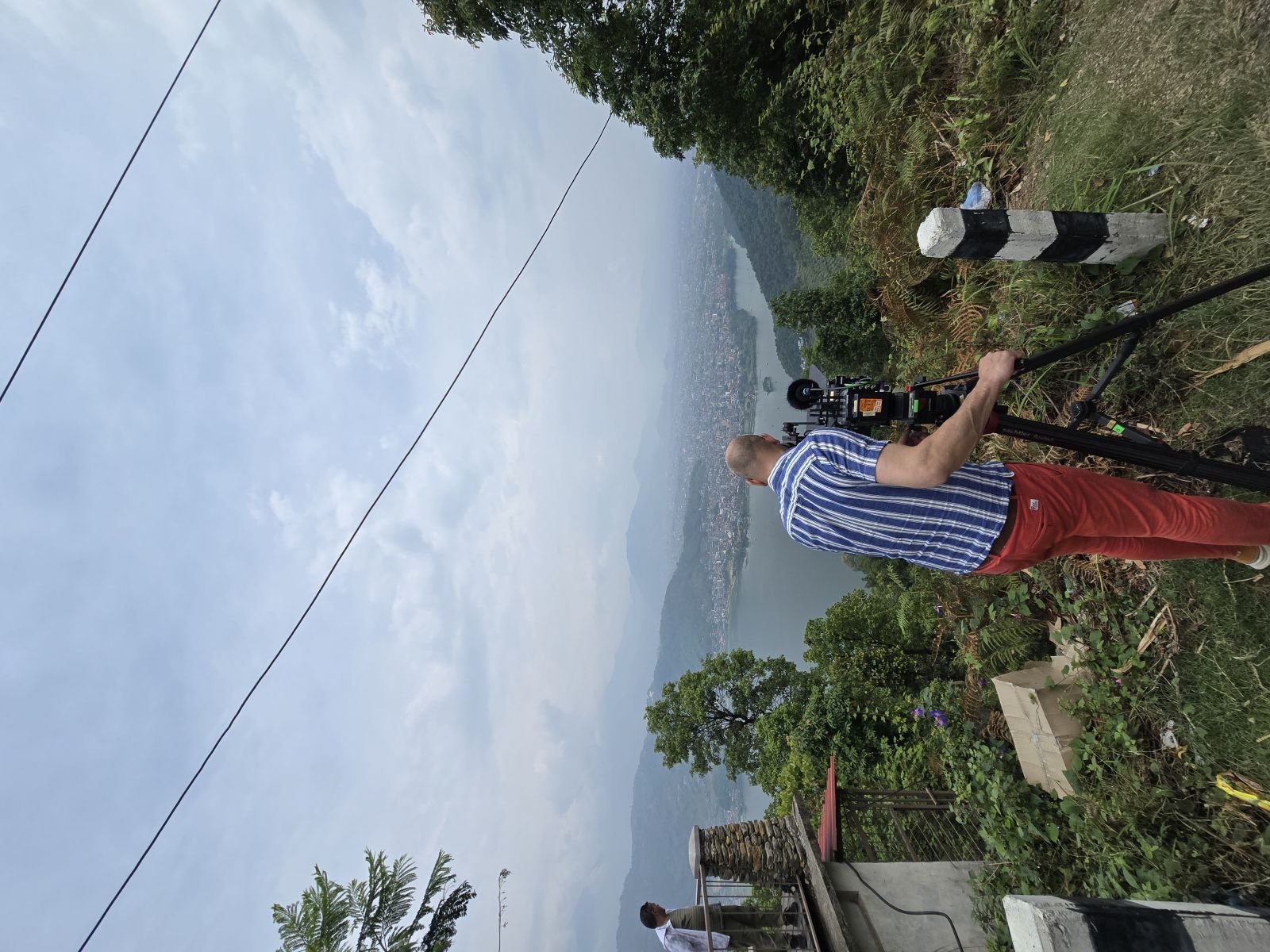
The moment a production wants to change anything about a private space, the conversation becomes more serious. Owners will often happily allow filming as it is, yet feel very differently about repainting a wall, moving heavy furniture, drilling for a rig point, running a generator, or filming late into the night. Alterations, power draw, rigging and noise are the areas where private location relationships most often break down, so they deserve explicit agreement in advance.
Alterations range from the trivial to the significant. Set dressing that is fully reversible is usually easy to agree. Temporary changes such as removing curtains, covering signage, or repositioning furniture need a clear plan to restore everything exactly as it was, ideally supported by reference photographs taken before anything moves. Anything that marks or modifies the fabric of the building, such as painting, fixing, or drilling, should never be assumed and should only proceed with specific written consent and a restoration plan.
Power is a practical and safety issue. A shoot with heavy lighting can exceed what a private building's wiring safely supports. Productions should establish the available supply, decide whether a generator is needed, and agree where it will sit and how noise and fumes will be managed. Improvised connections to a home's electrical system carry real risk and can damage both the location and the production's standing with the owner.
Noise and hours affect neighbours as much as owners. Playback, generators, crew movement and vehicles all carry, and a residential lane at night is a different setting from a commercial unit during the day. Agreeing quiet limits and finish times protects the relationship and reduces the chance of complaints.
We help you surface all of these points before the shoot and record them in your planning documents. When you describe your intended activity, we help you identify where alterations, power needs, rigging or noise are likely to require specific owner consent or extra care, and we help you build a restoration and protection plan into the agreement. We do not carry out or supervise any physical work, and any electrical or structural safety decisions must rest with qualified professionals on your production.
Insurance and damage responsibility
Filming introduces risk into a private space, and a professional production takes responsibility for that risk rather than leaving the owner exposed. Insurance and damage responsibility are therefore standard parts of any serious private location arrangement, and they reassure owners far more than a promise to be careful.
Productions typically carry insurance that responds to the situations a shoot can create: accidental damage to property, injury to people on or around the set, and in some cases the cost of a location becoming unusable because of the production. The exact cover a production holds varies by budget, territory and policy, and the owner's expectations vary too. Some owners are satisfied by a credible assurance and a deposit; others, particularly commercial venues and management companies, will ask to see evidence of cover and may want to be named or referenced in the arrangement.
Damage responsibility should be defined clearly and fairly. The most reliable approach is to document the condition of the space before filming, agree how any damage will be assessed and remedied, and record who bears the cost. A pre shoot condition record, ideally with photographs, protects both sides: it prevents the production being blamed for pre existing wear, and it gives the owner confidence that genuine damage will be put right. A deposit or security arrangement is common where the owner wants tangible reassurance.
We help you plan for insurance and damage in a structured way as part of preparing your private location documents. We can help you list the questions an owner is likely to ask, prepare a condition record approach, and make sure the location agreement addresses damage and responsibility clearly. What we do not do is arrange, underwrite, or advise on insurance policies, and we cannot confirm whether any particular cover meets an owner's or an insurer's requirements. Those are matters for your production's insurer and, where needed, your legal advisers. Our contribution is to make sure the topic is handled openly and documented properly, so that an avoidable dispute does not follow your production home.
Privacy, neighbours and adjoining property
A private location almost never exists in isolation. Homes share walls, courtyards open onto lanes, and a shop's frontage faces a busy street. Filming on one private property routinely affects the people around it, and handling privacy and neighbours well is often the difference between a smooth day and an interrupted one.
Two distinct issues arise. The first is the privacy of people who are not part of your production but who may be captured on camera or affected by your presence: household members who did not consent to appear, customers in a business, and residents of adjoining buildings whose windows or entrances fall within shot. The second is the practical impact on neighbours: blocked access, parking, noise, cables across shared spaces, and unfamiliar crowds in a quiet area. Both can generate objections that stall a shoot even when your own location consent is perfectly in order.
Thoughtful productions plan for this. They frame shots to avoid capturing neighbouring private spaces or the identifiable people within them without consent, they consider whether nearby residents should be informed in advance as a courtesy, and they manage shared access, parking and noise so that daily life around the location can continue. Where a scene genuinely needs to include a neighbouring property or the people in it, that becomes its own consent question rather than something the primary owner can grant.
We help you anticipate these overlaps before they become problems. When you describe the location and the framing your scene requires, we help you identify where privacy or neighbour impact is likely, where an additional consent may be needed, and where a simple advance courtesy can prevent a complaint. We do not act as your on the ground community liaison and we cannot guarantee that neighbours will cooperate, but we help you enter the day with a realistic map of who is affected and a plan for treating them respectfully. Getting this right protects both the shoot and the reputation of visiting productions generally.

Filming inside homes, businesses and mixed-use buildings
The kind of private property you are filming in shapes the whole arrangement, and it is worth thinking through the differences between a private home, an operating business, and a mixed use building where the two overlap. Each brings its own consent chain, its own sensitivities, and its own scheduling logic.
A private home is the most personal setting. The people who live there experience your presence as an intrusion into their daily life, however welcome. Consent should come from the right household authority, hours should respect the rhythm of the home, and the family's privacy should be protected, including deciding clearly whether any household members appear on camera. Homes also tend to be more fragile: older buildings, cherished possessions, and limited power all call for extra care.
An operating business, such as a cafe, shop, hotel or workshop, adds a commercial dimension. Filming may interrupt trade, so owners often care intensely about timing, and may prefer closed hours or compensation for lost business. There may be staff and customers whose privacy and consent must be considered, branding and third party products visible in shot, and a manager rather than an owner as the day to day decision maker. Some businesses sit within larger management structures that have their own approval steps.
A mixed use building, for example a shophouse with a family living above a store, combines both worlds. Different parts of the building may be controlled by different people, and the same shoot may need consent from a resident and an operator whose interests do not perfectly align.
We help you tailor your preparation to the specific character of each location. When you tell us what kind of property each scene uses, we help you identify the right consenting parties, the sensitivities to plan for, and the scheduling approach that fits a home, a business, or a mixed setting. We do not run the location on the day, but we make sure your documents and plans reflect the real nature of the space, so that a home is treated as a home and a business is treated as a business.
Drone overlap on and above private property
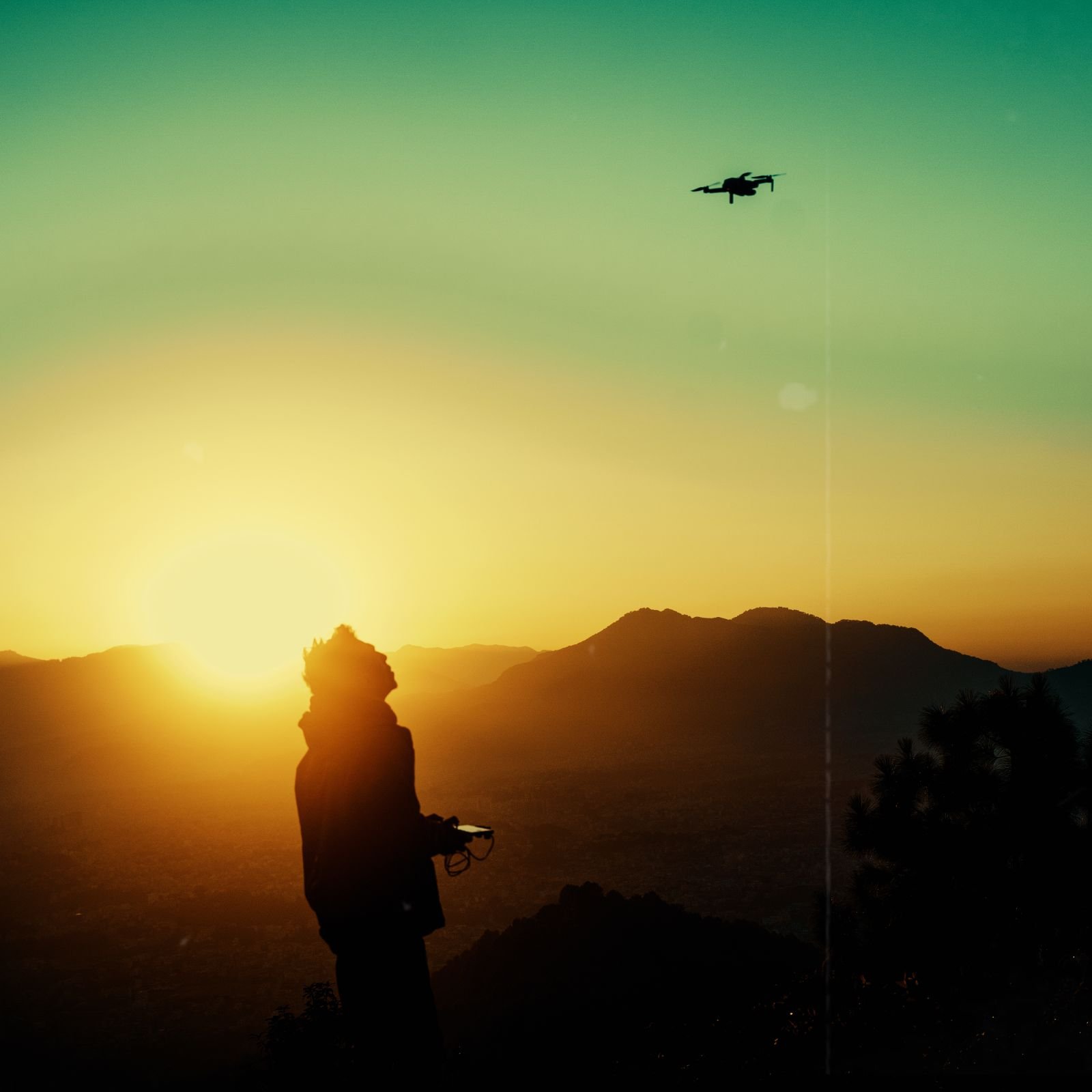
Drones complicate private property filming because the airspace above a location and the ground beneath it are governed by different considerations. A production may have full consent to film on the ground of a private compound and still not be free to fly a drone over it, and the reverse can also be true. Where a scene involves aerial work on or around private property, the drone question must be handled as its own layer.
Two separate concerns overlap here. The first is the property and privacy dimension: flying over or beside a private property can capture the owner's space and neighbouring spaces from angles that raise privacy questions, and owners and neighbours may object to a drone above their homes even when ground filming is welcome. The second is the regulatory dimension: drone flying in Nepal is subject to its own permission considerations, which depend on factors such as the aircraft, the operator, the location, proximity to airports and sensitive areas, and the nature of the flight. Which permissions apply and how they are obtained depends on your specific circumstances and is confirmed against current official sources; we do not grant drone permission and cannot promise that any flight will be approved.
Because of this overlap, a private location that looks perfect for an aerial shot may sit in airspace that carries additional requirements, or beside neighbours whose privacy a flight would affect. Planning the drone element early prevents a late discovery that grounds a key shot.
We help you connect the ground and air layers of your plan. When you flag which private locations involve drone work, we help you see where property consent needs to extend to aerial capture, where neighbour privacy is engaged, and where the flight itself may need separate official permission that must be prepared and confirmed. For deeper detail we point you to our dedicated drone guidance. Our aim is to make sure the aerial shot you are counting on is planned as a whole, rather than assumed to be covered by ground consent alone.
Payment, deposits and location fees
Money is part of most private location arrangements, and handling it transparently protects both the production and the owner. Private owners may ask for a location fee, a deposit against damage, or compensation for disruption, and the amounts and expectations vary enormously depending on the property, the scale of the shoot, and local norms. We do not set, quote, or guarantee any location fee, and the figures are always a matter for direct agreement between you and the owner; what we offer here is a way to structure the arrangement clearly.
Several distinct payments can arise, and it helps to keep them separate. A location fee is payment for the use of the space itself. A deposit or security amount is held against possible damage and returned when the space is handed back in good condition. Compensation may apply where filming interrupts a business or displaces a household. Additional costs can appear for utilities, cleaning, or restoration. Bundling these into a single vague number tends to cause disputes later, whereas naming each one keeps expectations clear.
The timing and method of payment also matter. Owners understandably want certainty, and productions want to pay against a location that performs as agreed. A common structure ties payment to milestones: a portion on signing the agreement, the balance on or after the shoot, and the return of any deposit once the space has been inspected and accepted. Recording the agreed amounts, currency and timing in the location agreement removes ambiguity.
We help you plan and document the commercial side of a private location without ever setting prices for you. When you describe your shoot, we help you identify which categories of payment are likely to arise, structure them clearly in the agreement, and align payment milestones with your access dates. We do not handle, hold, or transfer funds on your behalf, we do not advise on what a fair fee is, and we cannot promise any particular cost. Our role is to make sure that whatever you and the owner agree is written down clearly, so the financial arrangement supports the relationship rather than straining it.
Location release records and documentation
The documentation you create around a private location does not stop mattering when the shoot wraps. Distributors, broadcasters, platforms and legal reviewers often ask, sometimes years later, for proof that a production had the right to film where it did and to use the resulting footage. Location release records are how you answer that question, and assembling them properly during production is far easier than reconstructing them afterwards.
A location release is the record that the controlling party granted permission to film on their property and to use the footage for the intended purpose. Depending on the production it may be a standalone release or part of the wider location agreement, but the essential elements are consistent: who granted permission, for which property and dates, for what use, and with what conditions or limits. Where individuals appear on camera in a private setting, personal appearance releases are a separate but related record. Where distinctive private property, artwork, signage or products feature prominently, additional clearances may be relevant.
A well organised production keeps these records together and complete. Missing or vague releases are one of the most common reasons a finished film runs into clearance problems, and a private location with an unclear consent chain is a frequent culprit. Capturing the right signatures at the right time, from the right person, is a small discipline during production that prevents large headaches later.
We help you build and organise this documentation as you go. When you plan a private location, we help you identify which releases and clearances your intended use is likely to require, prepare a structure to collect them cleanly, and keep the private location records aligned with the rest of your permit and clearance paperwork. We are not a legal clearance service and we do not certify that your footage is cleared for any particular use; those judgments belong to your legal and clearance advisers. What we provide is practical organisation, so that the permissions you actually obtained are recorded in a form you can rely on when someone asks.
Common mistakes with private property filming
Most private location problems are predictable, and nearly all of them are preventable with a little planning. Seeing the common mistakes in advance is one of the most useful things a visiting production can do, because the same errors recur across shoots of every size.
The most frequent mistake is securing consent from the wrong person. A friendly caretaker, a tenant without the right to permit filming, or one member of a jointly owned family property can all say yes without the authority to make it stick. The second is treating private consent as the only permission needed, and overlooking the wider film permission or the additional requirements that apply when a private location sits inside a heritage, protected, or sensitive context.
Other recurring errors cluster around scope and footprint. Productions underestimate crew size and gear, then arrive with far more people and equipment than the owner imagined. They assume alterations, power use or late hours are fine without asking. They plan a drone shot over a private compound without addressing either the neighbours' privacy or the separate flight permission. And they leave insurance, deposits and damage responsibility undefined until something goes wrong.
Documentation mistakes are just as common and just as costly. Verbal agreements that no one wrote down, access dates that were never confirmed in writing, and missing location releases all surface later as disputes or clearance failures. A location that felt perfectly friendly during the shoot can become a problem in the edit or in distribution when the paperwork turns out to be thin.
We help you avoid these mistakes by reviewing your plan before you commit. When you share your locations and intended activities, we point out where the consent chain looks fragile, where scope may exceed what the space or the owner can accommodate, where an additional permission layer may apply, and where documentation is likely to be missing. We do not guarantee that any location will work out, and we cannot control how owners or neighbours behave. What we offer is an experienced second look that catches the avoidable errors while they are still easy to fix.
Client responsibilities on private property shoots
A private location shoot works best when responsibilities are clear, and there are things only the production can do. Our support is preparatory and document oriented; the decisions, relationships and on the ground conduct remain with you. Understanding this division from the outset keeps expectations realistic and prevents gaps.
You are responsible for choosing your locations and for building the actual relationship with each owner. You decide which properties to pursue, you conduct the conversations, and you make the commercial and creative commitments. You are also responsible for the accuracy of the information you give us: the crew numbers, equipment lists, activities, and access dates we work from come from you, and the quality of our support depends on that information being complete and truthful.
On the shoot itself, the production runs the day. Managing crew conduct, protecting the space, honouring the agreed hours, handling health and safety, operating equipment safely, and making the electrical and structural judgments that a real building requires are all your responsibility and, where relevant, the responsibility of the qualified professionals on your team. We are not present as your on site producer, location manager, or safety officer.
You also hold the final responsibility for compliance. We help you identify and prepare for the permissions your production is likely to need, but confirming and obtaining official permissions, meeting their conditions, and ensuring you have the legal right to film and to use your footage are ultimately yours to complete, with legal advice where appropriate.
What we take on is the preparation that makes all of this easier: mapping the consent chain, structuring the location agreement and release records, aligning access dates with your wider schedule and permit planning, and flagging the risks around footprint, alterations, privacy, drone overlap, insurance and neighbours. When you share your plan early and keep us updated as it changes, we can keep your documentation accurate and your planning aligned. The clearer the division of responsibility, the smoother the collaboration, and the fewer surprises land on your shoot day.
How our private property review works
Our review is a structured, confidential process designed to get your private locations ready without overreaching into things that are properly yours or the authorities'. It begins when you send us your location list and an outline of what each scene involves, and it moves through a series of practical steps.
First, we sort and assess your locations. We separate genuinely private spaces from public or custodian controlled ones, and for each private location we consider the consent chain, the likely footprint, and any overlap with other permission layers such as heritage, protected area, public space or drone. This gives you an early, honest picture of which locations are simple and which need more work.
Second, we help you build the consent and agreement documents. We outline what each location agreement and release should cover, help you identify the correct consenting party and the proof of authority to reference, and structure the access dates, conditions, footprint, alterations, insurance and payment points so nothing is left to memory. We do not draft legal contracts or give legal advice, and where a legally reviewed agreement is needed we recommend qualified counsel.
Third, we align the private locations with your wider planning. We map how private access dates interact with your overall schedule and with any official permissions your production needs, so that a private yes does not sit awkwardly against a permit window that has not been confirmed. Which official permissions apply, and to which authority, depends on your circumstances and is confirmed against current official sources during this stage.
Throughout, we handle your information with care and confidentiality, and we work in international English so foreign productions can rely on clear communication. We do not issue permits, grant access, guarantee approvals, set fees, or promise timing, and we are not a government body. What we deliver is clarity: a well organised set of private location documents, a realistic view of the risks, and a plan that fits sensibly within the rest of your permit preparation. To begin, send your location list and shoot plan and we will return an initial readiness view.
| Document | Who prepares it | Purpose | Format |
|---|---|---|---|
| Property owner consent record | Production, signed by owner or authorised representative | Confirms the controlling party agrees to filming on the specific space | Signed written record, with identification reference |
| Proof of authority to consent | Owner or representative, collected by production | Shows the signer has the right to grant access (ownership, lease, or delegated authority) | Supporting document referenced in the agreement |
| Location agreement | Production, agreed with owner | Sets out space, dates, hours, permitted activity and conditions | Written agreement, signed by both parties |
| Access date schedule | Production | Records load-in, shooting, and restore dates and daily time windows | Schedule appended to the agreement |
| Crew and equipment summary | Production | Gives the owner an accurate picture of footprint and impact | Written list shared with owner |
| Alterations and restoration plan | Production | Records any temporary changes and how the space is returned to original condition | Written plan, ideally with reference photographs |
| Condition record | Production, acknowledged by owner | Documents the state of the space before filming to manage damage responsibility | Photographic and written record, dated |
| Insurance evidence | Production insurer | Reassures the owner that damage or injury risk is covered | Certificate or summary, as the owner requires |
| Location release | Production, signed by owner | Confirms permission to use the footage for the intended purpose | Signed release, standalone or within the agreement |
| Personal appearance releases | Production, signed by individuals | Covers people who appear on camera in the private setting | Signed release per individual |
Private property location documents: what a well-prepared production typically assembles. Requirements vary by production and location and are confirmed during your review.
What this includes
- Sorting your locations into public, private and custodian-controlled categories
- Mapping the consent chain and identifying the correct party to grant access
- Outlining what location agreements and releases should cover for your scenes
- Structuring access dates so they align with your wider schedule and permit planning
- Flagging overlap with heritage, protected-area, public-space and drone requirements
- Preparing a footprint summary and alterations, power and noise considerations for owners
- Structuring insurance, deposit, damage-responsibility and payment points within the agreement
- Organising location release and appearance-release records for later clearance needs
- Confidential handling of your production information and international English communication
- An honest readiness view highlighting which locations are simple and which need more work
What this does not include
- Issuing permits or granting access to any private or public location
- Approving filming, guaranteeing owner agreement, or promising that any location will work out
- Drafting legally binding contracts or providing legal advice on property rights or clearance
- Verifying property title or resolving ownership disputes
- Arranging, underwriting or advising on insurance policies
- Setting, quoting, or guaranteeing location fees, deposits or any cost
- Handling, holding or transferring payments to owners on your behalf
- Acting as your on-site producer, location manager, community liaison or safety officer
- Granting or guaranteeing drone flight permission or any official approval
- Making electrical, structural or health-and-safety decisions on your production
Frequently asked questions
In most cases, yes, private consent alone is usually not the whole picture for a foreign production. A signed agreement with the owner answers whether you may be on that specific property, but it does not answer whether your production is permitted to film in Nepal for its purpose and activities. Most international shoots operate within a broader film permission, and private consent sits alongside that rather than replacing it. Which official permissions apply depends on your production type, crew and locations, and those are confirmed against current official sources during your review.
Start by separating ownership from day to day control, because they are often held by different people in Nepal. A house may be owned by one family member and occupied by another, a shop may be run by a tenant while the building belongs to a landlord, and land may be jointly held by an extended family. The person who can decisively say yes is the one whose authority you need to confirm, ideally supported by identification and a document showing their relationship to the property. We help you map this consent chain, though we do not verify title or resolve ownership disputes.
It is not enough for a professional production. A verbal yes is easy to give and easy to forget, change or dispute, and it offers no protection if the schedule shifts or if someone with a stronger claim objects on the day. A written location agreement records the space, dates, hours, permitted activity and conditions, and turns goodwill into a dependable arrangement. It also protects the owner, which makes them more comfortable. We help you structure this agreement, but we do not provide legal drafting; for a legally reviewed contract you should use qualified counsel.
At a minimum it should identify the property and the exact areas being used, name the consenting party and their authority, state the access dates and daily hours, describe what the production may do on site, and set out the owner's conditions. It should also address alterations and restoration, insurance and damage responsibility, any agreed payments, and what happens if the schedule changes. For homes and businesses the sensitivities differ, so the details are tailored to the setting. We help you build a complete, well organised agreement covering these points.
Only with specific consent, and the more permanent the change, the more important that consent becomes. Reversible set dressing and temporary furniture moves are usually manageable with a clear plan to restore everything exactly as it was, supported by reference photographs taken beforehand. Anything that marks or modifies the building, such as painting, drilling or fixing, should never be assumed and needs explicit written agreement and a restoration plan. We help you record these points in the agreement, but any structural or safety judgments must rest with qualified professionals on your team.
Responsibility should be agreed and documented before you film, not negotiated afterwards. The most reliable approach is to record the condition of the space in advance, ideally with dated photographs, agree how any damage will be assessed and remedied, and state clearly who bears the cost. A deposit or security arrangement is common where the owner wants tangible reassurance. Productions usually carry insurance that responds to accidental damage. We help you structure the condition record and the damage terms, but we do not arrange or advise on insurance, which is a matter for your insurer.
Owners increasingly expect it, and it is a normal part of a professional shoot. Insurance reassures the owner that accidental damage or injury will be covered rather than left to a dispute, and some venues, particularly commercial ones and management companies, will ask to see evidence of cover. The exact policy a production holds varies by budget and territory. We can help you anticipate the questions an owner will ask and make sure insurance and damage are addressed in your documents, but we do not arrange, underwrite or advise on insurance policies, and we cannot confirm whether a given policy meets an owner's requirements.
Ground consent and airspace are separate matters, so permission to film on the ground does not automatically extend to flying above it. There are two overlapping concerns: the privacy of the owner and neighbours whose spaces a drone can capture from the air, and the separate regulatory requirements that apply to drone flying in Nepal. Which flight permissions apply depends on the aircraft, operator, location, airport proximity and the nature of the flight, and they are confirmed against current official sources. We do not grant drone permission and cannot promise any flight will be approved; we help you plan the ground and air layers together.
That becomes its own consent question rather than something the primary owner can grant. Neighbouring private spaces and the identifiable people within them have their own privacy interests, and a scene that deliberately includes them may need additional consent. Even where framing avoids them, the practical impact of your presence, such as blocked access, parking, noise and crowds, can prompt objections that stall a shoot. We help you identify where privacy or neighbour impact is likely and where an advance courtesy or an additional consent is worth arranging, though we cannot guarantee that neighbours will cooperate.
Earlier is always better, because private locations interact with several other timelines at once. Owners plan their lives and businesses around your access dates, consent chains on shared or leased properties take time to confirm, and any overlap with heritage, protected area or drone requirements can introduce additional steps that cannot be rushed. Leaving private locations to the last minute is one of the most common causes of avoidable stress. We recommend sending your location list as soon as it takes shape so we can flag which locations are simple and which need more lead time.
Whether payment applies and how much are matters for direct agreement between you and the owner, and they vary widely with the property, the scale of the shoot and local norms. Several distinct payments can arise, including a location fee for using the space, a deposit against damage, compensation for disrupting a business or household, and costs for utilities, cleaning or restoration. Keeping these separate and recording the amounts, currency and timing in the agreement prevents disputes. We help you structure the commercial terms clearly, but we do not set, quote or guarantee any fee, and we do not handle funds.
Keep a complete set of location releases and, where people appear, personal appearance releases, alongside your location agreements and condition records. A location release confirms that the controlling party permitted filming and the intended use of the footage, and distributors, broadcasters and platforms often ask for this proof long after the shoot. Missing or vague releases are a leading cause of clearance problems in the edit or in distribution. We help you identify which releases your use is likely to require and organise them cleanly, though we are not a legal clearance service and do not certify footage as cleared for any use.
Yes, in several practical ways. A home is a personal space where consent should come from the right household authority, hours should respect daily life, and family privacy needs protecting. A business adds a commercial dimension: filming may interrupt trade, so owners often care intensely about timing and may prefer closed hours or compensation, and there may be staff, customers, branding and third party products to consider, plus a manager rather than an owner as decision maker. Mixed use buildings combine both. We help you tailor the consent chain and scheduling to the real character of each location.
No, and any service that promises this should be treated with caution. We are an independent private support service, not a government body and not a broker of guaranteed access. We do not grant permits, approve filming, or commit owners on your behalf, and we cannot promise that a particular owner will agree or that any location will work out. What we do is help you prepare thoroughly: mapping the consent chain, structuring your agreements and releases, aligning dates with your wider planning, and flagging risks. The relationship with the owner, and the final commitment, remain yours to build.
Send your location list with a short description of each space and who controls it, your intended activity for each scene, your crew size and equipment outline, and your preferred access dates. Flag anything involving alterations, heavy power, late hours, drone work, or locations that might sit inside heritage or protected contexts, since those need extra attention. The more accurate and complete your information, the more useful our review. We handle everything confidentially, and we will return an initial readiness view showing which locations look straightforward and which need more preparation.