Film Permits Nepal is an independent, private production-support service based in Kathmandu. We are not a government office, we do not issue permits, and we do not sit inside any regulatory authority. What we do is help international and domestic productions prepare, organise, and coordinate the paperwork and planning that filming in Nepal typically requires, so that your material is clean, complete, and ready before it reaches whichever office applies to your specific project.
This page is the hub for our production guides and planning resources. It gathers, in one place, the way we think about preparation: the topic clusters we write about, the featured guides worth reading first, the planning tools we use during a review, the downloadable checklists our clients rely on, and the people who write and review this material. Treat it as a map rather than a single instruction sheet. Filming requirements in Nepal depend heavily on what you are shooting, where you are shooting, who is on your crew, and what equipment you bring, so no single guide can answer every case.
Throughout these resources we write confidently about workflow, document categories, planning logic, and common mistakes, because those are stable and within our direct experience. We are deliberately careful about specific fees, exact processing times, and the precise naming of a current issuing authority, because those details change and must be confirmed against current official sources for your particular locations and activities during your review. Where a regulatory fact matters to your budget or schedule, we verify it for your case rather than asserting a number here. If you already know your shoot dates and locations, the fastest path is to request a support review and let us build a checklist around your actual project.
How to use this guide hub
These resources are organised so that you can move from broad orientation to specific preparation without reading every page. If you are new to filming in Nepal, start with the featured guides, which explain the general permit pathway, the document groups a foreign production usually prepares, and the way location permissions sit alongside a main filming permit. Once you understand that shape, you can jump to the cluster that matches your project, whether that is a documentary, a commercial, a feature, a music video, or a photography assignment.
Each guide is written to do one job well. A guide about documents explains what each category is for and how it should be formatted, but it will not assert a fee. A guide about a specific location type explains the considerations and the coordination involved, but it will not promise access. This separation is intentional. It keeps the stable, reusable knowledge in one place and pushes anything that must be verified into your individual review, where we can check it against current official sources for your exact case.
A few principles run through everything here. First, preparation is cumulative: the cleaner your producer, crew, and equipment records are, the smoother every later step becomes. Second, requirements are conditional: what applies to you depends on your locations, your activities, your crew nationality, and your gear, so we use conditional wording deliberately rather than stating universal rules that would mislead. Third, timing is driven by dependencies rather than a fixed calendar, so we plan backwards from your shoot dates and identify what must happen first.
Use the topic clusters below to find your entry point, use the planning tools to structure your own preparation, and use the downloads to start assembling material immediately. When you are ready for specifics that apply only to your project, a support review turns this general guidance into a checklist built around your actual shoot.
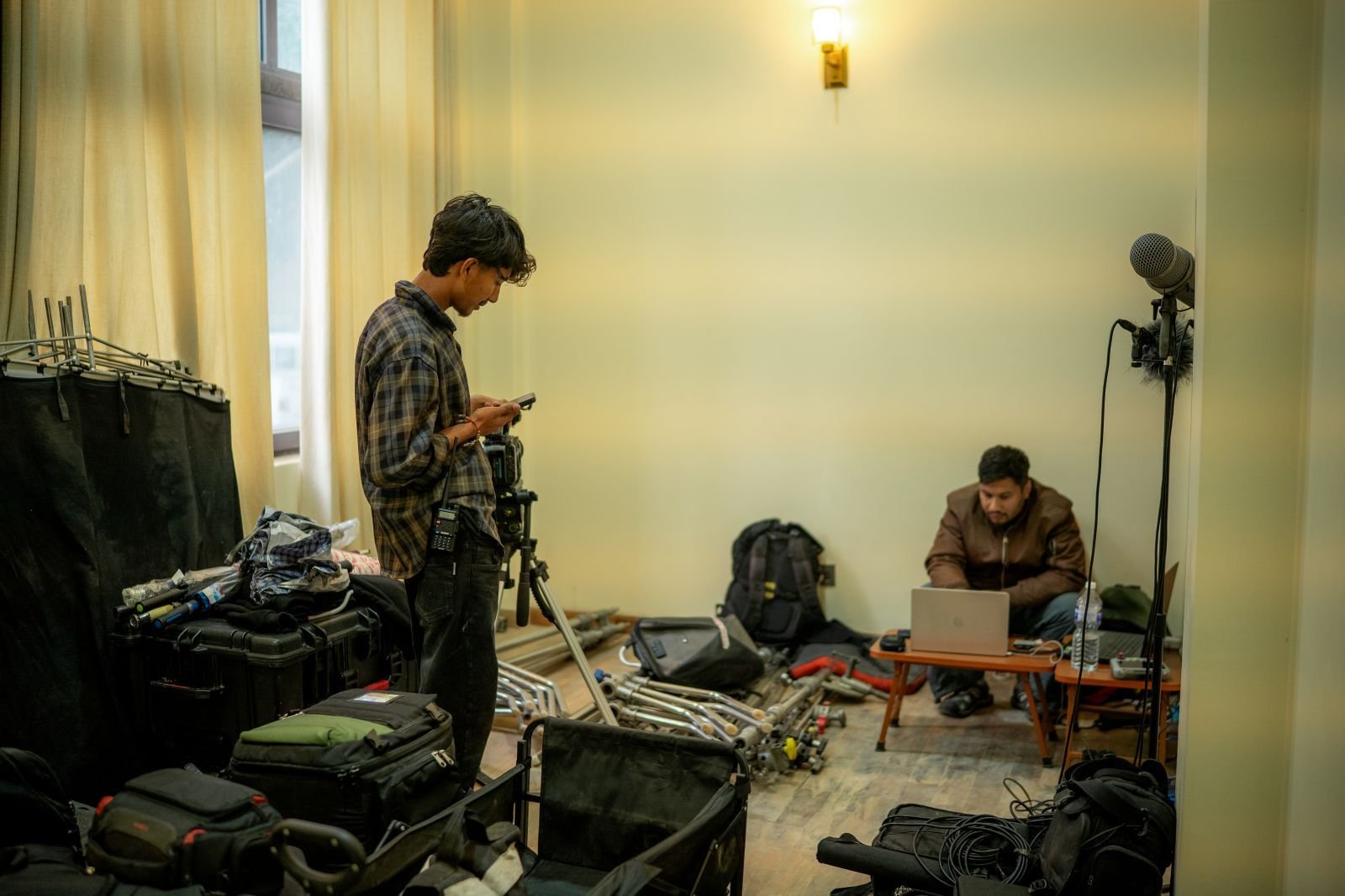
Topic clusters at a glance
We group our guides into clusters so that productions can find the material that matches their situation rather than reading in a straight line. The clusters overlap deliberately, because a single shoot often touches several of them at once. A documentary filming at a heritage site with a drone, for example, sits inside the documentary cluster, the heritage cluster, and the drone cluster simultaneously.
The core process cluster covers the general permit pathway, the documents typically required, indicative cost drivers, and how timelines are shaped by dependencies. These are the guides to read first, because they give you the vocabulary and the mental model that every other guide assumes.
The production-type cluster covers how preparation differs by what you are making: documentary, feature film, television and factual, commercial, music video, photography, journalism, and NGO or institutional projects. Each production type carries its own emphasis. A commercial leans on usage rights and releases, a documentary leans on editorial purpose and contributor consent, and a feature leans on scale, sets, and multiple locations.
The location cluster covers where you film: public spaces, private property, heritage sites, religious sites, national parks, conservation areas, and restricted areas. Location is often the single biggest driver of additional permissions, because a filming permit and a location permission are not the same thing.
The specialist cluster covers drone filming and equipment customs, which are the two topics most likely to add time and paperwork that producers underestimate. Both benefit from early planning and honest inventories.
Finally, the trust and policy cluster covers how we work, how we verify sources, how we handle your documents, and what we do and do not do. These pages exist so you can judge our method before you share anything sensitive with us.
- Core process: pathway, documents, costs, timelines
- Production types: documentary, feature, television, commercial, music video, photography, journalism, NGO
- Locations: public, private, heritage, religious, national parks, conservation, restricted
- Specialist: drone filming and equipment customs
- Trust and policy: how we work, sourcing, and document security
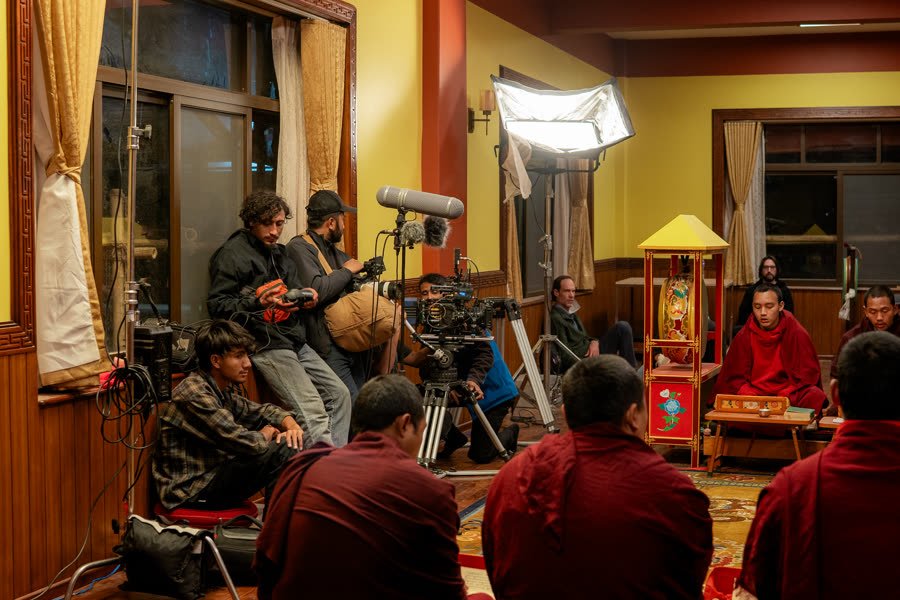
Featured guides to read first
If you only have time for a handful of guides before your first planning call, these are the ones that pay back the most. They establish the shape of the whole process and prevent the most common early mistakes.
Start with the guide on how the filming permit process works in Nepal. It explains the general pathway at a conceptual level: who typically prepares what, why a local coordinator is usually involved, and how a main filming permission relates to the separate permissions that specific locations may require. It deliberately avoids asserting a single named authority as the current issuer, because which office applies depends on your locations and activities and should be confirmed for your case.
Next, read the guide on documents required for filming in Nepal. This walks through the categories a foreign production typically assembles: application materials, authorisation letters, creative materials such as a synopsis or treatment, crew records, equipment records, and schedule and location details. Understanding these categories early lets you gather clean copies while you still have time, rather than scrambling at the end.
Then read the guide on cost drivers. Rather than listing amounts, it explains the factors that move a budget: the number of locations, whether any are protected or heritage sites, whether a drone is involved, and whether equipment must be temporarily imported and re-exported. Knowing the drivers lets you build a realistic budget structure even before exact figures are confirmed for you.
Finally, read the timeline guide. It reframes scheduling as a chain of dependencies rather than a fixed number of days, and it shows how public holidays, document translation, and additional permissions can extend the critical path. Together these four guides give you enough grounding to have a productive, specific conversation about your own shoot.
- How the filming permit process works: the general pathway
- Documents required: the categories to assemble early
- Cost drivers: the factors that move a budget
- Timelines: dependencies rather than a fixed calendar
Planning tools we use during a review
Behind every guide sits a small set of planning tools that we use to turn a vague brief into an organised preparation plan. You can use simplified versions of these yourself, and we use the full versions during a support review. None of them assert regulatory facts; they structure your project so that the facts we do need to verify become obvious.
The first tool is a location matrix. We list every location you intend to shoot, then tag each one by type: public space, private property, heritage, religious, national park, conservation area, or restricted area. Each tag points to the permissions that may apply and to the party who typically controls access. This single exercise usually reveals where the real complexity lives, because a shoot that looked simple often contains one location that drives most of the paperwork.
The second tool is a document readiness tracker. We take the standard document categories and mark each item as ready, in progress, or missing, noting whether translation or a signature is still needed. This converts a shapeless pile of files into a clear list of outstanding actions with owners against each one.
The third tool is a dependency planner. We map which steps must finish before others can begin, then plan backwards from your shoot dates. This is where drone permission, equipment import records, and heritage or protected-area coordination surface as items that need an early start rather than a late one.
The fourth tool is a trigger checklist. We run your project against the common triggers for additional permissions: drone use, protected or heritage locations, road or crowd control, sensitive subjects, and temporary equipment import. Any trigger that fires becomes a workstream of its own. Used together, these tools produce a plan that is realistic about effort and honest about what still needs confirmation.
Downloadable checklists and templates
Our downloads exist so that you can start assembling material the same day you begin planning, without waiting for a call. They are preparation aids, not regulatory documents, and they never contain fees, fixed timelines, or the name of an authority asserted as the current issuer. Anything of that nature is confirmed for your specific project during a review.
The producer document pack outlines the kinds of company and project materials a foreign production usually prepares: a cover letter, company details, a project description or synopsis, and authorisation letters that establish who is responsible. The pack explains what each item is for and the format it typically takes, so you can produce clean versions rather than guessing.
The crew list template gives you a consistent structure for capturing crew details in one place. Keeping this in a single, well-formatted sheet from the beginning saves considerable rework later, because crew information is requested in several contexts and inconsistent records slow everything down.
The equipment inventory template helps you record gear in an organised way, including a clear description of each item and a note of anything that may need special handling, such as batteries, radio equipment, or a drone. An honest, complete inventory prepared early is one of the most useful things a production can do, because equipment records feed into both the filming permission and any temporary import considerations.
The location plan template lets you list each location alongside its type and the shooting dates you have in mind. Combined with the crew list and equipment inventory, it gives us almost everything we need to build a tailored checklist for you.
Each template is designed to be filled in progressively. Start with what you know, leave the rest blank, and treat the gaps as your to-do list. When you share the completed templates with us, we can move straight to identifying what applies to your case rather than gathering basics.
The general preparation workflow
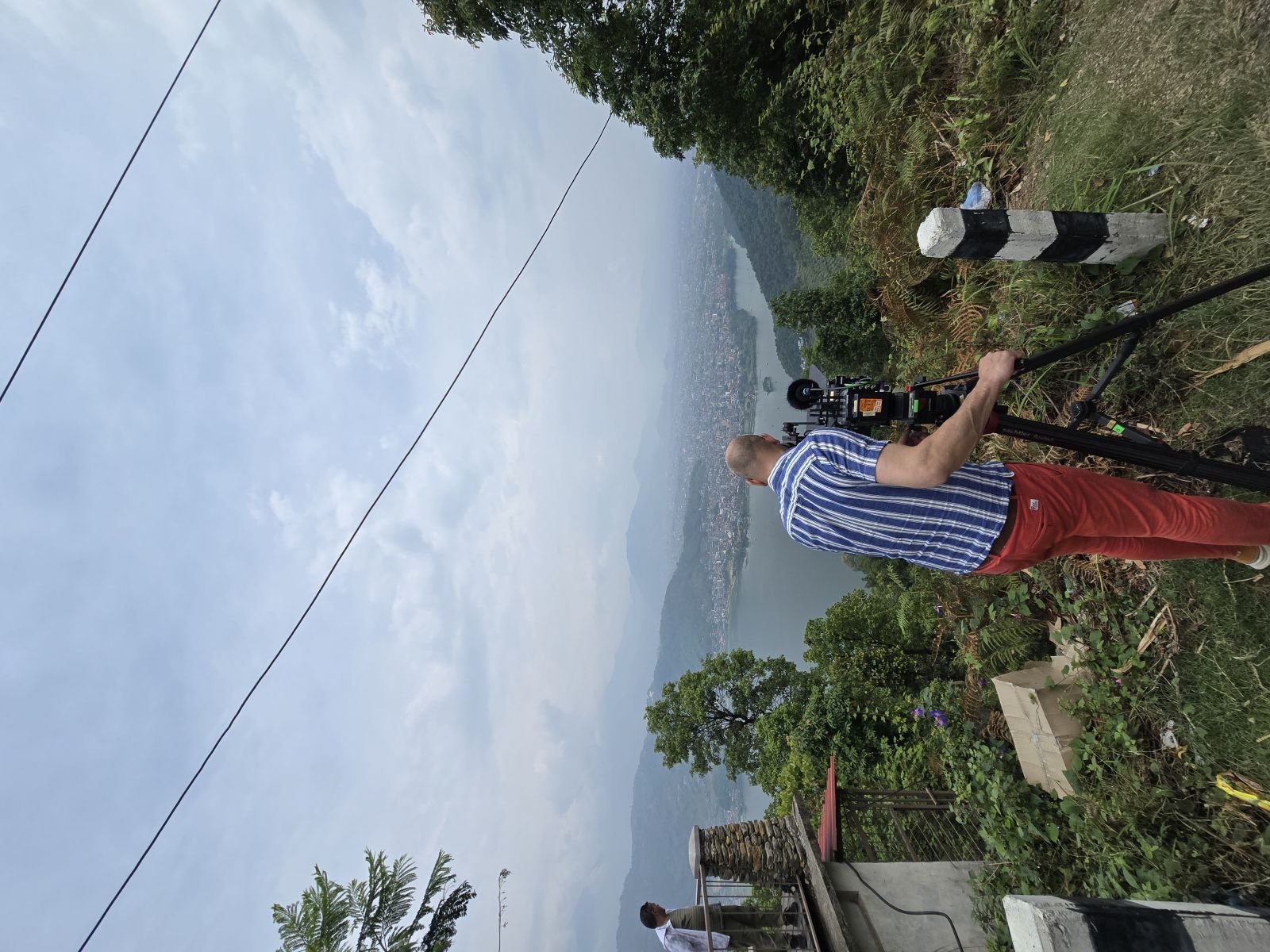
Although every project differs, the preparation workflow follows a recognisable arc, and understanding it helps you see where you are at any moment. We describe it here in general terms, because the specifics depend on your locations, activities, crew, and equipment.
The first phase is scoping. We learn what you are making, where you intend to shoot, who is on your crew, and what equipment you plan to bring. From this we build the location matrix and run the trigger checklist, which together reveal the shape of the work. Scoping is deliberately front-loaded, because a clear picture early prevents expensive surprises later.
The second phase is document assembly. Using the standard categories, you gather producer materials, crew records, equipment records, creative materials, and schedule and location details. We review them for completeness and flag anything that is missing, inconsistent, or likely to need translation or a signature. The aim of this phase is a clean, coherent set rather than a hurried one.
The third phase is verification and preparation of the application material. This is where we check specific requirements against current official sources for your case, confirm which office applies to your locations and activities, and prepare the material so that it is organised and consistent. We do not assert those specifics in advance; we confirm them for you.
The fourth phase is coordination. Any additional permissions triggered by your project become their own workstreams, whether that is drone, heritage, protected-area, road control, or equipment import. These often run in parallel and have their own dependencies, which is why we plan backwards from your shoot dates.
The final phase is handling the response and any clarifications, followed by careful record keeping. Throughout, our role is to prepare and coordinate, not to guarantee an outcome. A well-prepared submission improves your position, but approval, timing, and access remain decisions of the relevant offices and property or site custodians.
Choosing guidance by production type
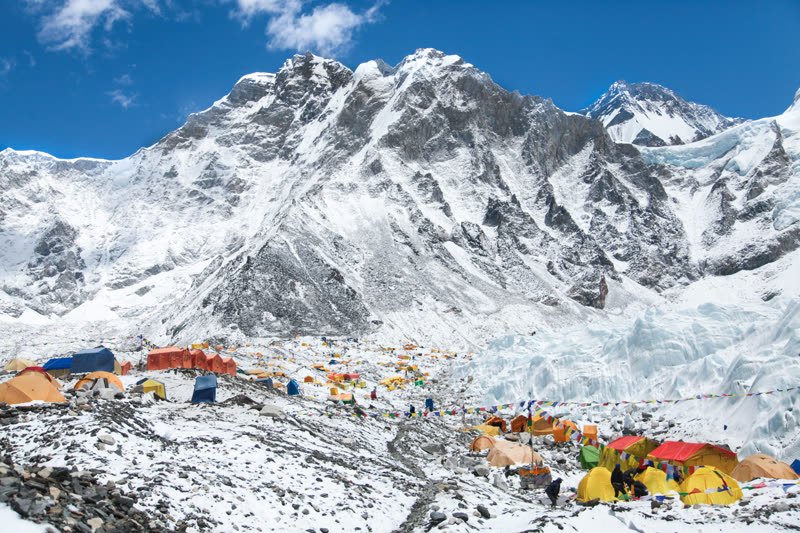
The single most useful filter for finding the right guidance is your production type, because it changes where the emphasis falls even when the underlying pathway looks similar. Reading the guide that matches your format saves time and stops you preparing for concerns that do not apply to you.
Documentary projects turn on editorial purpose, contributors, and sometimes sensitive subjects. The preparation emphasis is on describing your intent honestly, planning contributor and interview consent, and being realistic about research locations that may evolve. Documentaries also change in the field more than scripted work, so scope-change planning matters.
Feature films emphasise scale. Production company information, script and project materials, larger cast and crew, multiple locations, sets and construction, and often drone or imported equipment all combine, which frequently means coordinating across more than one authority or custodian. Feature preparation rewards early, structured planning above all.
Television and factual work emphasises format and repetition. Presenters and contributors, multiple locations, recurring series, and the difference between live and recorded transmission all shape what you prepare. Series work benefits from templates you can reuse episode to episode.
Commercials emphasise usage and releases. Client and agency information, storyboard or treatment, cast, vehicles and props, and above all how the final material will be used and released tend to dominate. Music videos share some of this but add performance, crowd, and often heritage or religious locations that carry cultural protocol.
Photography, journalism, and NGO or institutional projects each carry their own emphases, from commercial versus editorial purpose, to accreditation dependencies and source protection, to consent, minors, and humanitarian sensitivity. Start with the guide that names your format, then branch into the location and specialist guides that your specific plan triggers.
Choosing guidance by location type
After production type, location is the biggest driver of what you need to prepare, because a filming permission and a location permission are distinct things. A project can hold a main filming permission and still need separate consent for a particular place, and it is this distinction that surprises productions most often.
Public spaces such as streets and squares typically involve municipality and, where relevant, traffic coordination, along with pedestrian and crowd considerations that scale with your footprint. A small handheld setup and a large lit setup with vehicles are treated very differently in practice.
Private property turns on the owner's consent and a clear location agreement covering access dates, alterations, power, noise, and responsibility for any damage. Release records matter here, and neighbours and privacy can become considerations of their own.
Heritage and religious sites carry custodianship and cultural protocol. Beyond any permission, there are usually expectations about crew size, equipment, lighting, sound, and respectful conduct, and sacred spaces or ceremonies may have specific limits. These locations reward humility and early conversation.
National parks and conservation areas add environmental safeguards, possible entry and filming charges, and sometimes a guide or liaison requirement. Access routes, equipment movement, seasonal conditions, and wildlife safeguards all feed into planning, and drone use frequently overlaps here.
Restricted areas are a category on their own, where a filming permission may interact with travel or area permissions and where crew nationality, local liaison, and border sensitivity can all matter. We treat these with particular care and never promise access.
Because most shoots touch more than one location type, we build the location matrix early. It is the fastest way to see which permissions may apply and which custodians control access, and it keeps the whole plan honest about where the real effort will sit.
Drone filming and equipment customs
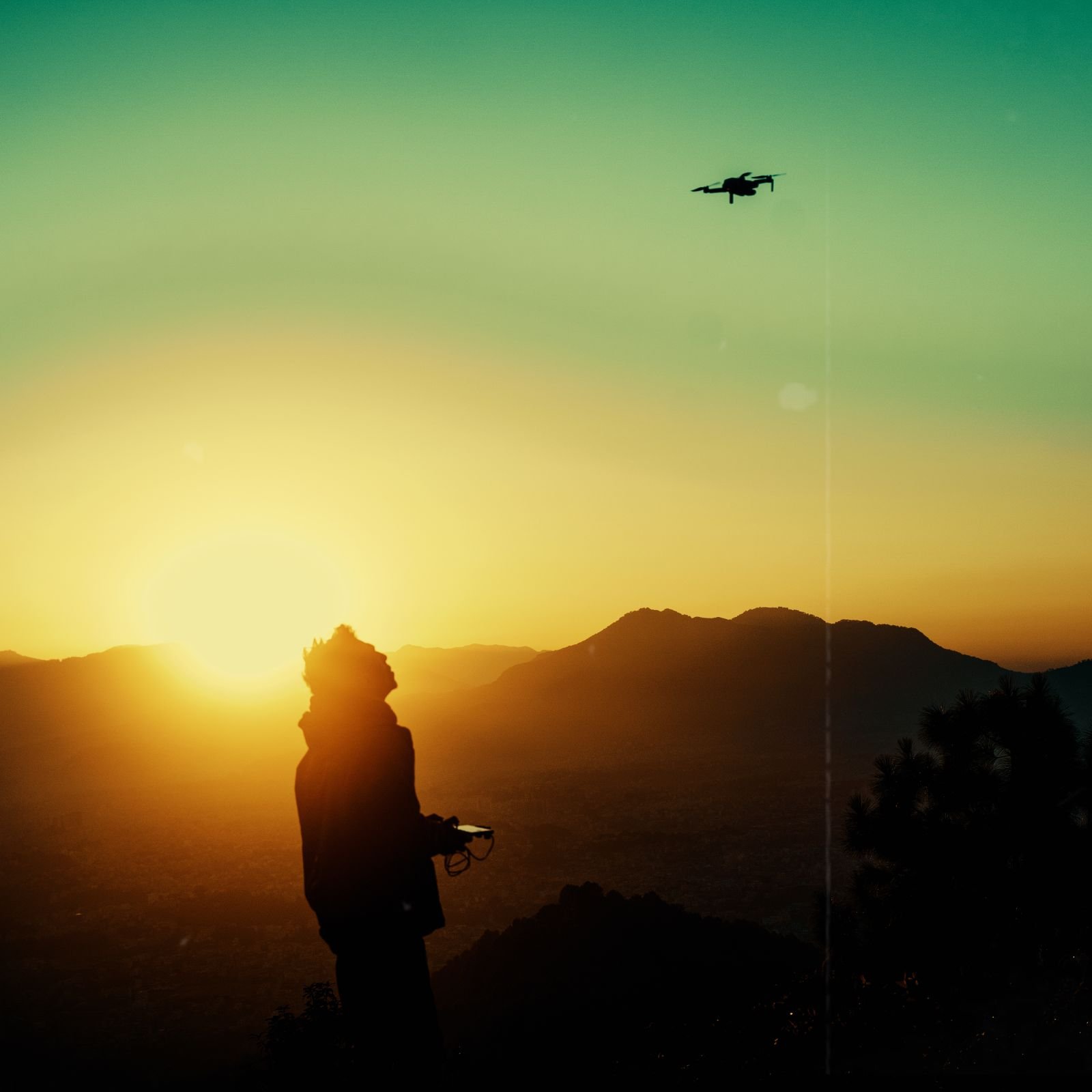
Two specialist topics deserve their own attention because productions routinely underestimate them: drone filming and the temporary import of equipment. Both can add paperwork, coordination, and lead time, and both are far easier when planned early rather than discovered late.
Drone filming introduces a second layer on top of your main filming preparation. It brings aircraft information, operator information, registration considerations, and flight-permission considerations, and it interacts strongly with airspace, airport proximity, and protected or heritage areas. Whether the drone is imported or sourced locally also changes the picture. We never promise drone permission, because it depends on your aircraft, your operator, your locations, and current requirements confirmed for your case. What we can do is help you assemble a clean mission-document set and plan realistically, and we can help you consider non-drone alternatives where the timeline or location makes drone use difficult.
Equipment customs is the other topic to plan early. When professional gear is brought into a country temporarily and taken out again, it usually needs careful records: ownership and rental documentation, clear descriptions, values in a stated currency, and attention to items that need special handling such as batteries and radio equipment. Import and re-export records tie your equipment list to your production preparation, and inconsistencies between the two cause avoidable friction. For anything genuinely complex, a customs specialist may need to be involved, and we help you recognise when that is the case.
The common thread is honesty and completeness. An accurate equipment inventory and an early, realistic view of your drone plans give you the best chance of a smooth process. We do not clear customs and we do not grant airspace permission; we prepare records, coordinate, and flag what must be confirmed with current official sources for your specific gear and flights.
Common mistakes productions make
Most of the difficulties we see are preventable, and they cluster into a short list of recurring mistakes. Recognising them early is one of the cheapest ways to protect your schedule and budget.
The first mistake is starting too late. Productions often treat preparation as a final administrative step rather than a workstream that runs alongside creative and logistical planning. Because several tasks have dependencies and some additional permissions need an early start, a late beginning compresses everything into the riskiest possible window.
The second mistake is underestimating location complexity. A shoot that looks straightforward on paper often contains one heritage, religious, protected, or restricted location that drives most of the paperwork. Without an early location matrix, this complexity stays hidden until it is expensive to address.
The third mistake is inconsistent documentation. Names, dates, equipment descriptions, and crew details that disagree across different documents create friction and doubt. Clean, consistent records prepared once and reused are far more effective than several versions assembled in a hurry.
The fourth mistake is treating drone and equipment import as afterthoughts. Both carry their own requirements and lead times, and both interact with your locations and schedule. Deciding late that you want a drone shot, or arriving with gear that was never recorded properly, are among the most common causes of avoidable delay.
The fifth mistake is assuming a filming permission covers every location automatically. It frequently does not. Specific places may need separate consent from their custodians, and planning as if one permission unlocks everything leads to unpleasant surprises on the day.
The final mistake is relying on unverified figures and rumoured requirements. Fees, timelines, and the office that applies to a given project all need confirmation against current official sources for your case. Building a plan on second-hand numbers is a false economy, which is exactly why we verify specifics for your individual shoot.
What a support review actually involves
Because the phrase support review can sound vague, it helps to describe what it means in practice. A review is a structured, confidential working session in which we turn your brief into an organised preparation plan and a clear list of what still needs confirmation.
We begin with intake. You share what you are making, your intended locations, your provisional shoot dates, your crew list, and your equipment list. Even partial information is useful, because it lets us start building the location matrix and running the trigger checklist rather than waiting for a complete picture.
We then assess readiness. We map your documents against the standard categories, mark each item as ready, in progress, or missing, and note anything that will need translation or a signature. At the same time we identify which additional permissions your project is likely to trigger, so that those workstreams can start early.
Next we verify. For the specifics that matter to your case, such as which office applies to your locations and activities and what its current requirements are, we check against current official sources rather than relying on memory or assertion. This is the step that keeps our guidance honest, and it is why the general guides deliberately avoid stating figures.
We then prepare and coordinate. We help organise your material into a clean, consistent set, and we coordinate the parallel workstreams that your triggers created, planning backwards from your shoot dates so that dependencies are respected.
Throughout, we are explicit about the boundary of our role. We prepare, organise, verify, and coordinate. We do not issue permits, guarantee approval, promise timing, secure location access, or clear customs. A strong, well-prepared submission improves your position, but the decisions belong to the relevant offices and custodians. Being clear about this from the start is part of how we work, and it is why our clients can trust the parts we do control.
How we verify regulatory information
Our credibility rests on being careful about the difference between what is stable and what must be checked. Workflow, document categories, and planning logic change slowly and sit within our direct experience, so we write about them confidently. Fees, processing times, and the precise office that applies to a given project can change, so we treat them as items to verify rather than facts to assert.
When a regulatory specific matters to your plan, we confirm it against current official sources for your particular locations and activities at the time of your review. We deliberately avoid publishing a fee or a fixed number of days on these guides, because a figure that was accurate once can quietly become wrong, and a production that budgeted or scheduled around it would be misled. It is safer, and more useful, to confirm the current position for your case.
We are equally careful about naming authorities. Which office is relevant depends on what you are filming and where, and it can involve more than one body when your project touches protected areas, heritage sites, or drone operations. Rather than assert a single current issuer as settled fact, we identify the applicable offices for your specific project during the review.
This approach also shapes how we handle uncertainty. If something cannot be confirmed with confidence, we say so plainly and describe what would be needed to resolve it, rather than presenting a guess as a conclusion. That honesty occasionally means a slightly less tidy answer, but it protects you from planning around information that does not hold.
The practical upshot for you is simple. Use these guides to understand the shape of the work and to prepare clean material. Rely on your review for the specifics, because that is where we do the verification that turns general guidance into a plan you can budget and schedule against.
Confidentiality and how we handle your material
Productions share sensitive material during preparation, including scripts, treatments, crew details, and equipment lists, so it is reasonable to ask how that material is handled before you send anything. We treat confidentiality as a core part of the service rather than an afterthought.
We collect only what a review genuinely needs. If a piece of information is not required to prepare or coordinate your project, there is no reason to share it, and we would rather work from a focused set than an oversized one. Minimising what changes hands is the simplest form of protection.
We are candid about the limits of ordinary channels. Email in particular is convenient but not ideal for sensitive files, and we prefer more controlled methods for anything confidential. When we ask you to send material, we will tell you how to do so in a way that reduces exposure rather than simply attaching everything to a message.
We keep access narrow. Material you share is used for your project by the people working on it, not circulated more widely, and we do not repurpose your creative material for anything unrelated. Your synopsis, your treatment, and your plans remain yours.
We also keep records only as long as they are useful for your engagement, and we are transparent about that rather than holding material indefinitely for no reason. If you have specific confidentiality requirements, tell us early and we will work within them where we can.
None of this is a legal guarantee against every conceivable risk, and we do not pretend otherwise. What we can promise is a sensible, minimising, transparent approach and a willingness to explain exactly how your material will be handled before you share it. If confidentiality is a particular concern for your project, raise it at the start of the review and we will make our handling explicit.
What is included and what is not
Being precise about the boundary of the service prevents misunderstanding, and it is fairer to state it plainly than to let expectations drift. This hub, and the review it leads to, are about preparation, organisation, verification, and coordination.
Included is the work of understanding your project, mapping your locations, assessing your documents against the standard categories, identifying which additional permissions your project triggers, verifying the specifics that matter against current official sources for your case, helping you organise clean and consistent material, and coordinating the parallel workstreams that your project requires. Also included is honest guidance about what is realistic, what is uncertain, and what still needs confirmation.
Not included is anything that belongs to a regulator, a custodian, or a specialist function. We do not issue permits, and we are not a government office. We do not guarantee that any permission will be granted, and we do not promise a specific timeline, because those outcomes are decided by others. We do not secure access to a private property, a heritage site, or a religious site on your behalf as a certainty, because that consent belongs to the owner or custodian. We do not grant airspace or drone permission, and we do not clear equipment through customs, though we help you prepare the records those processes rely on.
We also do not provide personalised legal advice, and we do not assert fees, fixed durations, or a single named current authority as settled fact on these pages. Where those specifics matter, we confirm them for your project rather than publishing figures that could age badly.
The reason for drawing the line so clearly is that it lets us be genuinely reliable within it. When we say we will prepare, organise, verify, and coordinate, we mean it, and we can be held to it. When an outcome depends on a decision that is not ours to make, we say so honestly rather than implying influence we do not have.
- Included: scoping, location mapping, document review, trigger identification, verification, organisation, and coordination
- Included: honest guidance on what is realistic and what needs confirmation
- Not included: issuing permits, guaranteed approval, or promised timing
- Not included: guaranteed location access, drone permission, or customs clearance
- Not included: personalised legal advice or asserted fees and authorities
Your responsibilities as the client
Preparation works best as a partnership, and a few responsibilities sit clearly on your side. Meeting them early makes everything faster and reduces the risk of a late scramble.
The first is honest, complete information. The location matrix, the document review, and the trigger checklist are only as good as the details you provide. If a location, a drone shot, or a piece of equipment is left out because it seemed minor, it can surface later as a requirement that now has very little time attached to it. Tell us the full picture, including the parts you are unsure about.
The second is timely material. Gathering producer documents, crew records, equipment records, and creative materials takes time, and some items need translation or a signature that you must arrange. The earlier these arrive, the more room there is to fix gaps calmly rather than urgently.
The third is decision-making. Some choices are genuinely yours: whether to include a drone, whether to attempt a sensitive location, whether to bring certain equipment or source it locally. We can lay out considerations and consequences, but the creative and logistical calls belong to you, and making them promptly keeps the plan moving.
The fourth is realism about outcomes you do not control. A well-prepared submission improves your position, but approval, timing, and access remain decisions of the relevant offices and custodians. Building contingency into your schedule, rather than assuming a best case, is part of responsible production planning.
The fifth is communication when things change. Productions evolve, and a scope change is normal rather than a failure. What matters is telling us early, because a change flagged in good time can often be absorbed, while the same change discovered late can be disruptive. Together, these responsibilities are not onerous, and they are the difference between a preparation process that feels controlled and one that feels rushed.
Authors, reviewers, and keeping guides current
These guides are written and reviewed by people who work on production preparation in practice, not generated once and forgotten. We think it matters that you know how the material is maintained, because the value of a guide depends on it staying honest as circumstances change.
Our writers focus on the stable knowledge: workflow, document categories, planning logic, and the recurring mistakes that productions make. This is the material we can write about with genuine authority, because it comes from repeated experience across different production types and locations. Where a guide touches something that changes, the writer is expected to defer to verification rather than assert a figure or a fixed rule.
Our reviewers focus on accuracy and safety. They check that guides do not drift into claiming fees, fixed timelines, or a single named current authority as settled fact, and they make sure conditional wording is used wherever an outcome genuinely depends on your specific case. They also check that nothing on these pages promises an outcome that belongs to a regulator or custodian, because such promises would be both misleading and unfair.
We treat currency as an ongoing responsibility. When we become aware that a topic has shifted, we revisit the affected guides rather than leaving them to age, and we would always rather remove or soften a claim than leave a confident statement that may no longer hold. If you ever spot something that reads as out of date or overstated, telling us is genuinely helpful, and we treat corrections seriously.
The practical message is that these resources are a living reference, not a fixed document. Use them for orientation and preparation, trust them for the stable knowledge they are built on, and rely on your individual review for the specifics that must be confirmed for your project at the time you actually film.
| Planning tool | What it does | Why it matters | What we produce |
|---|---|---|---|
| Location matrix | Lists every intended location and tags each by type such as public, private, heritage, religious, protected, or restricted | Reveals which permissions may apply and who controls access, so hidden complexity surfaces early | A tagged location list with the likely custodian and permission notes for each place |
| Document readiness tracker | Maps your material against the standard document categories and marks each item ready, in progress, or missing | Turns a shapeless pile of files into a clear list of outstanding actions with owners | A status sheet flagging gaps, translation needs, and missing signatures |
| Dependency planner | Maps which steps must finish before others begin and plans backwards from your shoot dates | Prevents late starts on items such as drone, heritage, or equipment import that need early lead time | A sequenced plan showing the critical path to your shoot |
| Trigger checklist | Runs your project against common triggers such as drone use, protected locations, road control, and equipment import | Ensures every additional permission workstream is identified rather than discovered late | A list of triggered workstreams, each with its own preparation track |
| Verification note | Records which specifics need confirmation against current official sources for your case | Keeps figures and authority questions out of guesswork and tied to your actual project | A short note of items to confirm, with nothing asserted as a fixed fee or timeline |
Planning tools we use during a support review and what each one produces
What this includes
- Orientation across all guide clusters and featured starting points
- Structured planning tools including the location matrix and trigger checklist
- Downloadable preparation checklists and templates without fees or fixed timelines
- Document review against the standard categories a foreign production prepares
- Identification of additional permissions your project is likely to trigger
- Verification of the specifics that matter against current official sources for your case
- Help organising clean, consistent material and coordinating parallel workstreams
- Honest guidance on what is realistic, what is uncertain, and what needs confirmation
What this does not include
- Issuing permits or acting as a government office
- Guaranteed approval of any permission or application
- A promised or fixed processing time for any step
- Guaranteed access to private property, heritage, or religious sites
- Granting airspace or drone flight permission
- Clearing equipment through customs on your behalf
- Personalised legal advice
- Asserted fees, fixed durations, or a single named current authority stated as settled fact
Frequently asked questions
No. We are an independent, private production-support service based in Kathmandu, and we are not part of any government authority. We do not issue permits and we cannot grant any permission ourselves. What we do is help productions prepare, organise, verify, and coordinate the material that filming in Nepal typically requires, so that it is clean and complete before it reaches whichever office applies to your project. The decisions about permits, access, and timing remain with the relevant offices and custodians, not with us.
Because fees and timelines can change, and a figure that was accurate once can quietly become wrong. If a production budgeted or scheduled around an outdated number, it would be misled, which is the opposite of useful. Instead, we confirm the specifics that matter against current official sources for your particular locations and activities during your review. This keeps our guidance honest and ensures the numbers you plan around actually apply to your case at the time you film.
Begin with the featured guides, which explain the general permit pathway, the document categories a foreign production usually prepares, the factors that drive cost, and how timelines are shaped by dependencies. Those four give you the vocabulary and mental model that every other guide assumes. Once you understand that shape, move to the cluster that matches your production type, then branch into the location and specialist guides your specific plan triggers. When you are ready for specifics, a support review turns this general grounding into a checklist built around your actual shoot.
Often it does not, and assuming it does is one of the most common mistakes we see. A filming permission and a location permission are distinct things. Specific places such as heritage sites, religious sites, private property, and protected areas may require separate consent from the party that controls them. This is exactly why we build a location matrix early, so that any place needing its own permission is identified before it becomes an urgent problem on the day of the shoot.
No, and we would be misleading you if we claimed otherwise. Approval, timing, and access are decisions made by the relevant offices and custodians, not by us. What a strong, well-prepared submission does is improve your position by being complete, consistent, and organised, which removes avoidable reasons for friction or delay. We focus on the parts we genuinely control, which are preparation, verification, and coordination, and we are honest about the parts we do not.
As early as you realistically can, because several tasks have dependencies and some additional permissions need an early start. Drone plans, equipment import records, and coordination for heritage or protected locations are the items most often left too late, and a late start compresses everything into the riskiest window. Even partial information lets us begin building your location matrix and running the trigger checklist, so it is worth starting the conversation before your plans are fully settled rather than after.
At minimum, we want to know what you are making, your intended locations, your provisional shoot dates, your crew list, and your equipment list. Even incomplete information is valuable, because it lets us start mapping your project and identifying which permissions it is likely to trigger. Our downloadable templates for crew, equipment, and locations are designed to help you capture this in a consistent way. Sharing the completed templates means we can move straight to identifying what applies to your case rather than gathering basics.
We treat confidentiality as a core part of the service. We collect only what a review genuinely needs, we keep access narrow to the people working on your project, and we do not repurpose your creative material for anything unrelated. We are also candid that ordinary email is not ideal for sensitive files, so we will tell you how to send material in a more controlled way. This is a sensible, minimising, transparent approach rather than an absolute legal guarantee, and if you have specific confidentiality requirements, raise them early and we will work within them.
We help you prepare the records that these processes rely on, but we do not clear equipment through customs and we do not grant airspace or drone permission. For equipment, we help you build an accurate inventory with ownership and rental records, clear descriptions, values in a stated currency, and attention to items needing special handling such as batteries and radio gear. For drone work, we help assemble a clean mission-document set and plan realistically. Where a case is genuinely complex, we help you recognise when a customs specialist should be involved.
Scope changes are normal rather than a failure, especially for documentaries and other projects that evolve in the field. What matters is telling us early, because a change flagged in good time can often be absorbed, while the same change discovered late can be disruptive. A new location, an added drone shot, or a change of equipment can each trigger fresh considerations, so the sooner we know, the sooner we can update your location matrix, rerun the trigger checklist, and adjust the dependency plan around your shoot dates.
That depends on what you are filming and where, and it can involve more than one office when your project touches protected areas, heritage sites, or drone operations. Rather than assert a single named current issuer as settled fact on these pages, we identify the applicable offices for your specific project during the review and confirm their current requirements against official sources. This avoids the risk of pointing you at the wrong office, which is a real possibility given how much the answer depends on your particular locations and activities.
No. The downloads are preparation aids, not regulatory documents, so they never contain fees, fixed timelines, or the name of an authority asserted as the current issuer. They help you assemble producer materials, crew records, equipment inventories, and location plans in a consistent, well-formatted way so you can start immediately. Anything of a regulatory nature, including figures and the office that applies to you, is confirmed for your specific project during a review rather than published on a template that could age badly.
No. We are a production-support service, not a law firm, and we do not provide personalised legal advice. We can explain the general workflow, the document categories, and the considerations that apply to different production types and locations, and we can verify specifics against current official sources for your case. If your project raises a genuine legal question, for example around sensitive content, contracts, or liability, that is a matter for a qualified professional, and we will say so plainly rather than stepping beyond what we are equipped to advise on.
Request a support review. The guides on this hub give you orientation and let you prepare clean material in advance, but they are deliberately general because requirements depend on your locations, activities, crew, and equipment. In a review we apply the planning tools to your real project, assess your documents, identify your triggers, and verify the specifics that matter for your case. The result is a checklist and a dependency plan built around your shoot dates, which is something no general guide can provide on its own.