Regulatory information about filming in Nepal changes. Fees are adjusted, application routes are reorganised, the authority that handles a particular activity can shift, and seasonal or location specific rules are introduced or withdrawn. A production plans months in advance, so any guidance it relies on has to reflect current practice rather than something that was accurate a year ago. This Regulatory Review Policy explains how Film Permits Nepal keeps its published guidance and its client facing advice under structured, scheduled review, and how we treat the categories of information most likely to drift out of date.
Film Permits Nepal is an independent, privately owned production support service based in Kathmandu. We are not a government office, we do not issue permits, and we are not the authority that decides any application. What we do is help foreign and domestic productions prepare, organise, and present the documentation that a permit process typically calls for, and coordinate with the relevant offices on a client's behalf. Because our value depends on the accuracy of what we tell clients, review discipline is central to how we operate.
This policy sets out our review schedule, the high risk topics we watch most closely, how we handle fee, drone, and protected area information, who conducts reviews, how we treat content that has passed its review date, and how every change is logged. It is written so that a producer, a line producer, a coordinator, or a journalist can understand exactly how current our information is expected to be, what its limits are, and where a fact must always be confirmed against a current official source before anyone relies on it for a booking, a budget, or a travel decision.
Why a formal review policy exists
Every claim we publish about filming in Nepal has a shelf life. Some facts are stable for years, such as the general shape of the preparation workflow or the categories of documents a foreign production usually assembles. Others move quickly, such as the exact fee attached to a specific activity, the office currently responsible for a particular kind of approval, or the seasonal access windows for a protected area. Treating both kinds of information the same way would be a mistake, because it would either make us over cautious about durable guidance or dangerously confident about volatile facts.
A formal review policy lets us separate these categories deliberately. We assign each type of content a review rhythm proportional to how fast it tends to change and how much damage an outdated version could cause. Guidance that shapes a budget or a travel decision sits in the fastest, most closely watched tier. Explanatory material that helps a reader understand the general process sits in a slower tier, because it changes less often and rarely causes harm if it lags by a few weeks.
The policy also protects clients from a subtler risk: confident writing. Clear, professional prose can read as authoritative even when the underlying fact has shifted. To counter that, our review process pairs a scheduled recheck with a house rule that any specific fee, timeline, or named authority must be framed as something confirmed against current official sources at the time of a client's review, never as a permanent, verified figure. This combination of scheduled rechecks and conditional wording is what allows us to write helpfully at length while remaining honest about what only an official source can settle.
Finally, a written policy makes our discipline auditable. A client can read it, understand how fresh our information is meant to be, and hold us to it. If something is wrong, the corrections route is explicit, and the update log shows what changed and when.
Review schedule and content tiers
We organise content into review tiers, each with its own recheck rhythm. The tiers are defined by two questions: how often does this kind of information change in practice, and how costly is it to a production if the information is stale. A fee that feeds a budget line scores high on both, so it belongs in the most frequently reviewed tier. A paragraph explaining what a local coordinator generally does scores low on both, so it can be reviewed less often without exposing anyone to risk.
The fastest tier covers volatile, decision driving facts: anything touching fees, processing expectations, drone permissions, protected and heritage area access, restricted zones, and the question of which authority currently handles a given activity. Content in this tier is treated as provisional between reviews and is written with conditional wording so that a reader never mistakes it for a settled figure.
A middle tier covers procedural guidance: the sequence of preparation steps, the document groups a production assembles, and the responsibilities that sit with the client versus with us. These change occasionally, usually when an office reorganises a process, so they are reviewed on a slower but regular cadence and whenever we notice a change through our casework.
The slowest tier covers durable explanatory material: definitions, planning principles, common mistakes, and illustrative scenarios. This content ages gracefully and is refreshed on a longer cycle and whenever a linked higher tier fact changes enough to affect it.
Beyond the scheduled cadence, three events trigger an immediate out of cycle review of any affected page: a credible report from a client or reader that something has changed, a change we encounter directly while handling live cases, and any official announcement we become aware of that touches a topic we cover. We do not publish exact intervals as guarantees, because the honest position is that we review on a planned cadence and also react promptly to real world signals, and the specific dates that matter to your project are always the ones confirmed during your own review.
High-risk topics we watch most closely
Certain topics carry more consequence than others when they are wrong, and we monitor these with particular care. High risk here means a combination of two things: the information tends to change, and a production is likely to make an irreversible or expensive commitment based on it. When both are true, we treat the topic as high risk regardless of how settled it may appear.
The clearest examples are fees and anything that feeds a budget, because a producer may lock financing or quote a client based on a number. Timeline expectations are similar, because crews, talent, and travel are booked against them, and a slippage can cascade through an entire schedule. Drone permission sits high on the list because it depends on multiple factors and is easy to assume rather than confirm. Protected area, heritage, and religious site access is high risk because rules are location specific and can carry cultural and legal weight. Restricted and border sensitive areas are high risk because the stakes for getting access wrong include personal and legal exposure, not only a wasted shoot day.
Another high risk category is the identity of the current issuing or approving authority for a given activity. Responsibility can move between offices, and asserting the wrong authority as the current issuer could send a production down the wrong path. For this reason we deliberately avoid naming a single authority as the definitive current issuer for any activity in our general guidance. Instead we explain that which office applies depends on your locations and activities, and that the applicable authority is confirmed against current official sources during your review.
For all high risk topics, our standing rule is conditional language plus confirmation. We never present a specific fee, a specific processing time, a guaranteed permission, or a named current authority as verified fact. We describe the shape of the requirement, note what it depends on, and state plainly that the specific figures and the responsible office are checked against official sources at the time your project is reviewed.
How fee information is reviewed
Fees are the single most sensitive category we handle, so they receive the most conservative treatment. Nepal's filming related charges can include several distinct components depending on what a production does and where it goes, and these components are set and adjusted by different bodies on their own timetables. A charge that applied last season may have been revised, replaced, or restructured, and a figure a production found on an old forum thread may never have been accurate in the first place.
Our policy is therefore never to assert a specific fee amount as a fixed, verified fact anywhere in our guidance. We explain what kinds of charges a production of a given type typically encounters, and what drives them up or down, such as the number of locations, the involvement of protected or heritage areas, the use of a drone, and the scale of equipment being brought in. What we do not do is publish a number and present it as current, because a number presented that way invites a producer to build a budget on it without confirmation.
When a client needs figures, we confirm the applicable charges against current official sources as part of that client's review, and we present them as figures valid at the time of confirmation rather than as permanent rates. We also flag that fees can be revised between the time we confirm them and the time a production actually pays, so budgets should carry a reasonable contingency for regulatory charges rather than treating any quoted figure as locked.
This approach can feel less satisfying than a neat published price list, but it is the honest one. A published price list in this domain would either be wrong within a season or would need a disclaimer so heavy that it would function exactly like our conditional wording anyway. We prefer to be direct: we tell you the structure of the costs, we tell you what moves them, and we confirm the actual numbers against official sources at the point where a real decision depends on them.

How drone information is reviewed
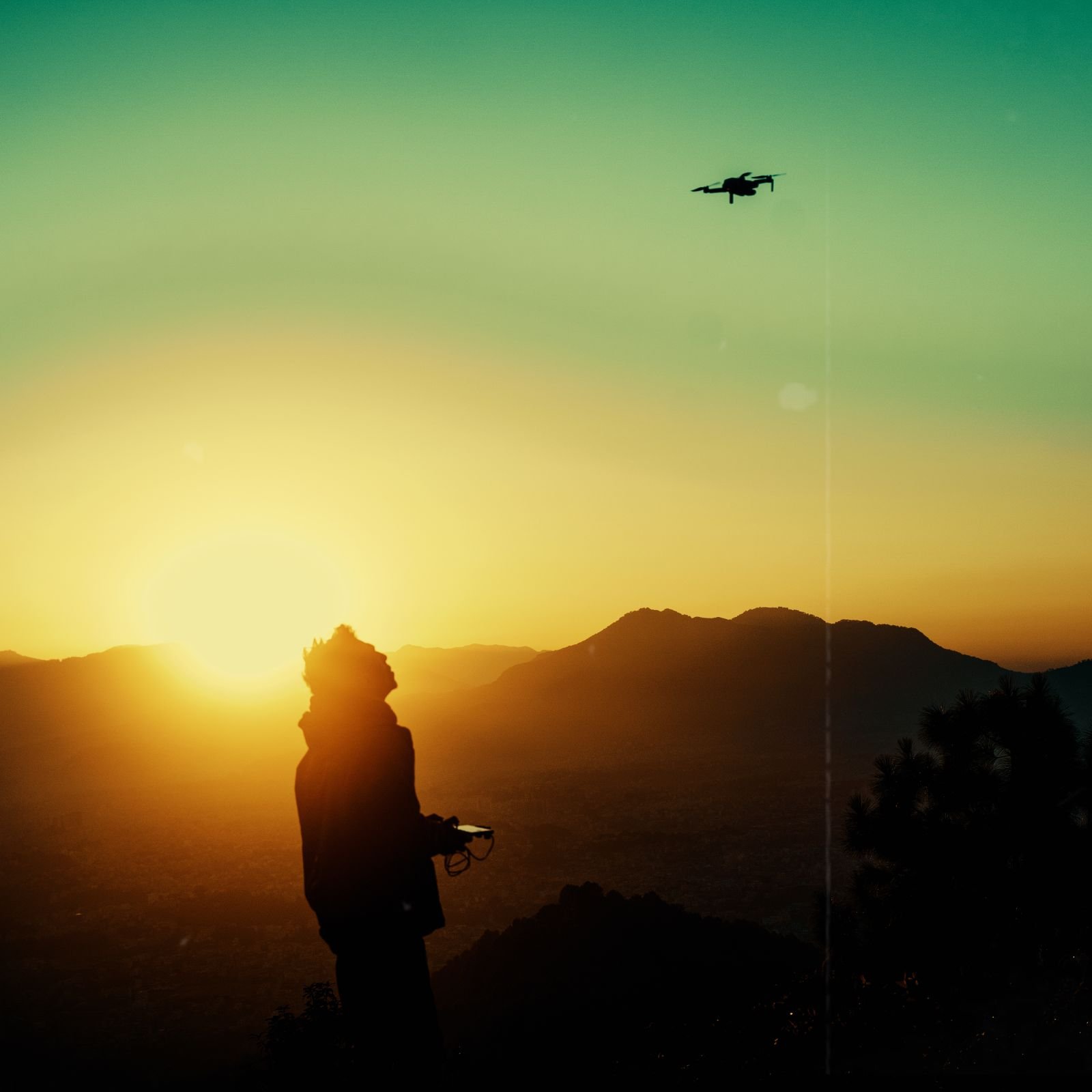
Drone filming attracts a review discipline of its own because it sits at the intersection of several separate considerations, any one of which can change independently. Whether a particular flight is possible depends on the aircraft, the operator, the location, proximity to airports and controlled airspace, whether the area is protected or a heritage or religious site, and whether the drone was imported or sourced locally. Because these factors combine differently for every mission, drone guidance is easy to oversimplify and dangerous to state as a blanket rule.
Our policy is to treat every general statement about drones as provisional and every specific mission as something that must be assessed on its own facts. We never promise that a drone flight will be permitted, we never assert a specific drone fee as fixed, and we never claim that a particular location is automatically open or closed to drones. Instead we describe the categories of information a production assembles for a drone mission, the considerations that tend to make a flight more or less straightforward, and the points where confirmation against current official sources is essential.
We also keep the non drone alternative visible in our guidance, because for some locations and schedules a ground based or alternative aerial approach is more realistic than waiting on a permission that may not arrive in time. Presenting the alternative is part of responsible drone advice, not an afterthought.
Because airspace rules and the treatment of imported aircraft are exactly the kind of thing that can be revised, drone content sits in our fastest review tier. It is rechecked on our closest cadence and immediately whenever we learn of a relevant change through casework or an official announcement. Even so, the operative safeguard for any specific production is not the freshness of the page but the mission specific confirmation we carry out for that client, because only that confirmation reflects the aircraft, the crew, the exact locations, and the current rules together.
How protected-area and heritage information is reviewed
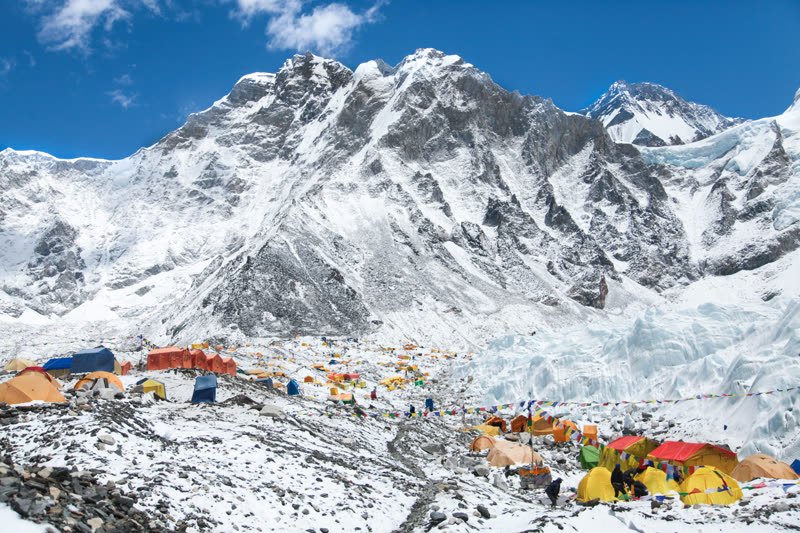
Protected areas, national parks, conservation areas, heritage sites, and religious locations each carry rules that are specific to the place and often to the season. A rule that applies at one park may not apply at another, custodianship of a heritage monument may sit with a particular institution, and access windows can depend on weather, wildlife, conservation cycles, or religious calendars. This location specificity is precisely why general guidance about these places has to be written and reviewed with care.
Our policy is to describe these locations at the level of category and consideration, not to assert location specific fees, access guarantees, or a single named authority as the definitive current custodian for every site. We explain that filming in a protected or heritage area typically involves a location specific permission that sits alongside the main film permit, that environmental and cultural safeguards usually apply, and that certain activities may be restricted. What we avoid is telling a reader that a specific site is open on specific terms, because that is exactly the kind of fact that shifts and that must be confirmed for the actual location and dates.
Seasonal dependencies get particular attention in review. Because access can hinge on the time of year, guidance that reads as accurate in one season can mislead in another. We therefore frame seasonal points as dependencies to check rather than as fixed windows, and we flag them for confirmation during a client's review.
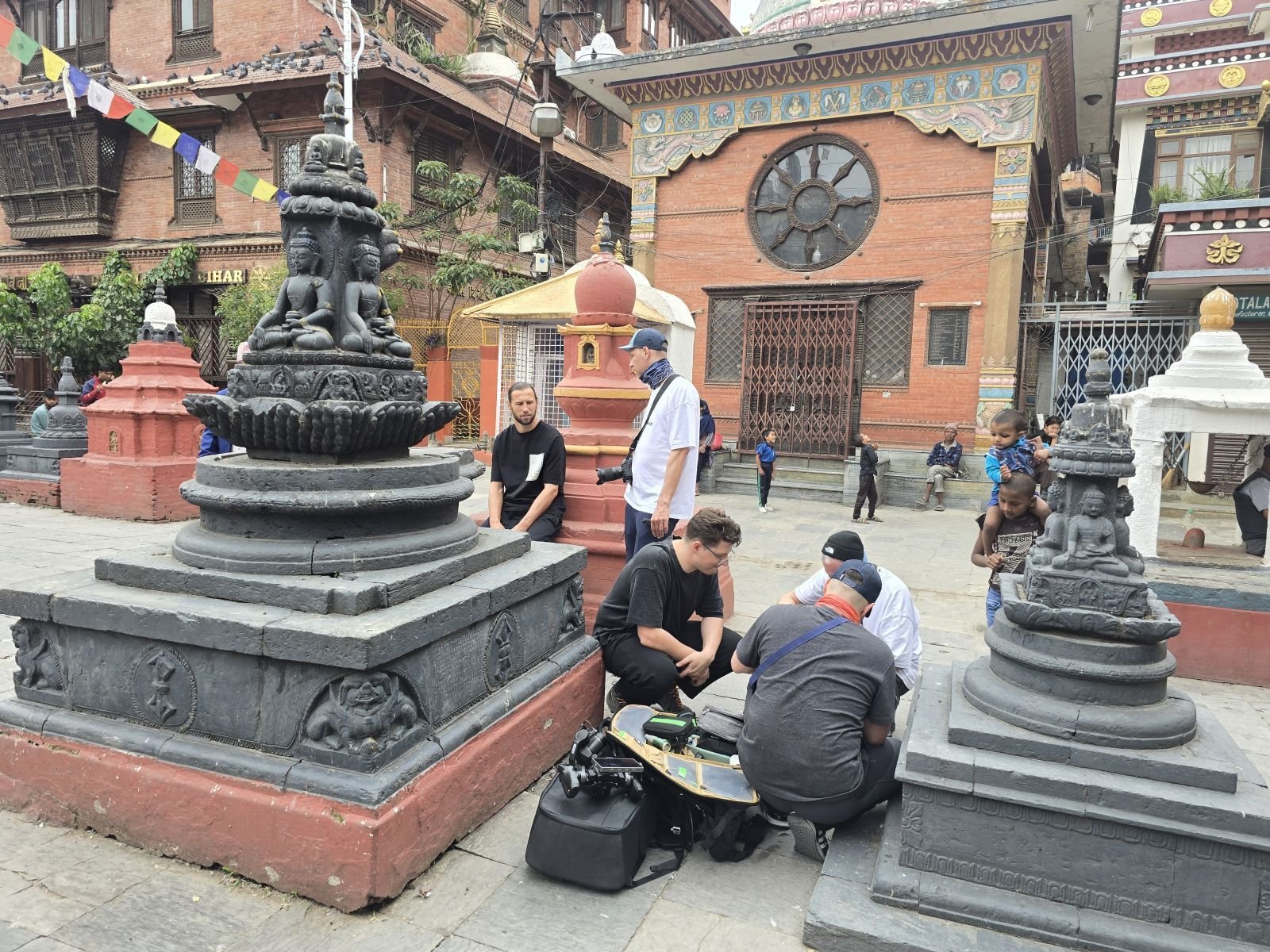
We also treat respectful and culturally appropriate filming as a substantive part of this guidance rather than a courtesy note, especially for religious and heritage sites where conduct expectations are part of the permission environment. As with every high risk topic, the specific authority, the specific charges, and the specific access terms for any protected or heritage location are confirmed against current official sources for that location as part of the client's review, never asserted as settled fact in general guidance.
Reviewer roles and qualifications
Reviews are carried out by members of our team who work with Nepal filming documentation and coordination as their day to day practice. The relevant qualification for this work is not a formal credential but direct, current, hands on familiarity: people who regularly prepare documentation, coordinate with offices, and see how processes actually behave in practice are best placed to notice when something has drifted from what a page says.
We separate the act of writing from the act of reviewing wherever practical, so that a second person looks at content with fresh eyes rather than the author simply re reading their own work. A reviewer's job is to check that guidance still matches current practice, that any specific figure or authority is properly framed as something to confirm rather than asserted as fact, that conditional wording is present where it should be, and that nothing has crept in that promises an outcome we cannot promise, such as guaranteed approval, guaranteed timing, or guaranteed access.
Reviewers also carry a specific brief to enforce our house rules against fabrication. If a draft contains a specific fee, a specific processing time, a named current issuing authority stated as definitive, or any absolute promise, the reviewer's task is to reframe it into conditional language or remove it. This is treated as a correctness issue, not a stylistic preference, because in this domain an unqualified specific claim is effectively a claim we cannot stand behind.
We do not claim to be lawyers, government officers, or the authority on any regulatory question, and our reviewers do not present themselves that way. Their role is to keep our guidance aligned with current practice and honestly qualified, and to make sure that the genuinely load bearing facts for any production are pushed to the point of official confirmation rather than left to a reader's assumption. Where a question exceeds our knowledge, the correct reviewer outcome is to say so in the content and defer to the client's own confirmation against official sources.
Handling of expired and stale content
Content that has passed its scheduled review date is treated as potentially stale until it has been rechecked, and we would rather flag uncertainty than let a reader assume freshness that no longer holds. Passing a review date does not automatically mean a page is wrong, but it does mean the page has lost the assurance that a recent review provides, and we handle it accordingly.
When a page in a high risk tier passes its review date before a recheck is completed, the operative safeguard for any client is already built into how we work: the specific facts that matter to a production are confirmed against current official sources during that client's review, regardless of when the underlying page was last touched. In other words, a client relying on us is never relying on the page date alone; they are relying on the confirmation we perform for their actual project.
Where we identify that a piece of guidance has been overtaken by a change, we correct it rather than leave it standing. If a correction cannot be made immediately, the responsible step is to qualify or withdraw the affected claim so that it cannot mislead in the interim, rather than to leave a confident but doubtful statement in place. Removing or softening a claim we can no longer stand behind is always preferable to preserving tidy but stale text.
We also treat superseded content deliberately. When a fact is replaced, the previous version is not simply overwritten and forgotten; the change is recorded in our update log so that the history is visible. This matters because a production that read a page earlier may have acted on the previous version, and a visible record helps everyone understand what changed and when. The practical takeaway for any reader is simple: treat the durable, explanatory parts of our content as reliable over time, and treat every specific fee, timeline, authority, and access term as something to confirm at the moment you need it.

Triggers for out-of-cycle review
Scheduled reviews catch drift on a predictable rhythm, but the most important changes rarely wait for a calendar. For that reason we treat several signals as immediate triggers for an out of cycle review of any affected content, independent of when that content was last scheduled to be checked.
The first trigger is a report from a client or reader. If someone tells us that a fee, a process, an authority, or an access rule has changed, we treat that as a prompt to recheck rather than something to defer. Even an uncertain report is worth acting on, because a single credible signal often precedes a change we would otherwise catch only at the next scheduled review.
The second trigger is our own casework. Because we handle live productions, we frequently encounter changes directly: an office handles something differently than before, a document requirement shifts, or a process step is added or removed. When our coordinators notice this on a real case, it feeds straight back into a review of the related guidance so that what we publish keeps pace with what we are actually seeing.
The third trigger is any official announcement we become aware of that touches a topic we cover. When an official source signals a change, the affected content moves to the front of the queue.
Out of cycle reviews are handled with the same discipline as scheduled ones: a reviewer checks the content against current practice, reframes or removes anything that can no longer be stated plainly, and logs the change. The point of these triggers is to make sure our review process is not merely periodic but responsive, so that the gap between a real world change and its reflection in our guidance is as short as we can reasonably make it. Clients are always welcome to prompt a recheck by reporting anything that looks out of date.

Update logging and change records
Every substantive change to our regulatory content is logged. The purpose of logging is accountability and traceability: a reader should be able to see that content is maintained, and we should be able to answer, for any given page, what changed and when. A policy without a record is only a promise, and logging is what turns our review discipline into something verifiable.
A log entry captures what was changed and the date of the change, so that the history of a page is visible rather than hidden behind a silently edited paragraph. When a specific claim is corrected or a piece of guidance is updated to reflect a change in practice, that is recorded rather than quietly overwritten. This matters most for the high risk categories, where a production may have acted on a previous version and benefits from understanding that something has since moved.
Logging also supports our corrections process. When a reader reports an error and we act on it, the resulting change is recorded, which closes the loop between the report and the fix and lets the person who raised it see that it was addressed. It also lets us look back and understand patterns, such as which topics change most often, which in turn informs how we set review cadences.
We keep the logging proportionate and honest. We do not manufacture a false impression of constant activity, and we do not log trivial wording tweaks as if they were regulatory updates. What we record are the changes that matter to someone relying on the content: corrections of fact, changes in described practice, reframing of claims that were previously too absolute, and withdrawals of guidance that has been overtaken. The result is a maintained body of content with a visible history, backing the assurance that when a fact truly matters to your production, it is confirmed at the point of decision rather than assumed from an unchanging page.

How this policy interacts with client reviews
This policy governs how we maintain published guidance, but the safeguard that actually protects a specific production is the individual review we carry out for that client. The two work together: scheduled review keeps our general content honest and current, while the client review confirms the exact facts that a particular project depends on. Neither replaces the other, and understanding the division is important.
General guidance is written for a wide audience and cannot account for the specifics of any one production. It can tell a documentary team what categories of permission tend to apply and what usually drives cost and timing, but it cannot tell that team the exact fee for their exact locations on their exact dates. That precision only emerges when we look at a real project: its production type, its locations, its crew, its equipment, and its schedule, checked against current official sources at that moment.
Because of this, we deliberately push the load bearing facts out of the general pages and into the client review. A reader should leave our guidance understanding the shape of what they face and the questions they need answered, and should treat the answers themselves as something we confirm for them rather than something the page settles. This is why our high risk content is written conditionally: it is doing its job when it prepares a reader to confirm, not when it tempts them to assume.
The practical consequence is reassuring. Even if a page has drifted since its last review, a client working with us is not exposed to that drift on the facts that matter, because those facts are confirmed for their project. The review policy protects the quality and honesty of the published content; the client review protects the individual production. Together they let us write helpfully and at length while keeping every consequential decision anchored to a current, official confirmation.
What we deliberately do not publish as fact
A large part of review discipline is restraint. There are categories of information we could easily state in a confident sentence but deliberately do not present as settled fact, because doing so would be misleading in a domain where these specifics change and are decided by others. Naming these categories openly is part of the policy, because a reader deserves to know where our silence is intentional.
We do not publish specific government or authority fees as verified figures. We do not publish exact processing times or promise a timeline. We do not name a single authority as the definitive current issuer for any activity, because responsibility can move and asserting the wrong office could misdirect a production. We do not state that any particular location is guaranteed to be accessible, that any drone flight is guaranteed to be permitted, or that customs clearance for any item is assured. And we do not invent statistics, awards, client names, or testimonials to lend an impression of scale or endorsement.
This restraint is not evasiveness. For every one of these categories we still give substantial, useful guidance: the structure of the costs and what drives them, the shape of the timeline and what tends to lengthen or shorten it, the way responsibility is typically divided, and the considerations that make a location or a drone mission more or less straightforward. What we withhold is the false precision of a specific number or a definitive name presented as permanent truth.
The reason is simple and it is the client's own protection. A confident specific claim in this field is a claim we cannot honestly guarantee, and a reader who acts on it may commit money or schedule to something that has since changed. By declining to state these as facts and instead confirming them against current official sources when a real decision depends on them, we keep our guidance both genuinely helpful and safe to rely on.

Scope changes and their effect on review
Productions rarely stay exactly as first described. A location is added, a drone shot is introduced, a shoot day moves into a protected area, or the crew size grows. Each of these changes can alter which permissions and documents apply, and therefore each can move a project across the boundaries of our high risk topics. Our review policy accounts for this by treating a scope change as a fresh occasion to confirm the affected facts, not as a minor adjustment to an existing plan.
When a production's scope changes, the earlier confirmation may no longer hold. Adding a heritage location introduces considerations that were absent before; adding a drone introduces an entirely separate set of factors; extending into a restricted or border sensitive area can change the picture substantially. Because our general guidance is written conditionally, it already prepares readers for this by describing requirements as dependent on locations and activities rather than fixed for a project. But the operative step remains a re confirmation for the changed scope.
We encourage clients to tell us about scope changes as early as possible, because the earlier a change is known, the more room there is to confirm the new requirements and adjust the documentation calmly rather than under pressure. A late change is not something we can promise to resolve within any particular timeframe, and we say so plainly rather than implying that any change can be absorbed without consequence.
From a content perspective, recurring patterns in scope changes also feed our review of the general guidance. If we repeatedly see productions underestimate what a particular kind of addition involves, that is a signal to strengthen the relevant page so future readers anticipate it. In this way the handling of individual scope changes and the maintenance of published guidance reinforce each other, and both are anchored to the same principle: the specific requirements for any activity are confirmed against current official sources at the point they become relevant.
Limits of this policy
This policy describes our intentions and our practice, and it is important to be clear about what it can and cannot promise. It commits us to a disciplined, scheduled, and responsive review of our content, to honest conditional wording on volatile facts, to confirmation of load bearing details against official sources for each client, and to a visible log of substantive changes. It does not, and cannot, promise that every page is perfectly current at every moment, because regulatory information changes continuously and no review process eliminates the gap between a change and its reflection in content entirely.
Nor does the policy change the fundamental division of authority. We are an independent private service. We do not decide any application, we do not set any fee, and we do not control any timeline, access, drone permission, or customs outcome. However well maintained our guidance is, the decisions rest with the relevant official bodies, and our role is to help a production prepare and present its case and to confirm the applicable requirements, not to guarantee a result.
The policy also cannot substitute for the client specific confirmation that protects an individual production. General content, however fresh, is general by nature. The precise facts a project depends on emerge only when we examine that project against current official sources, and a reader should treat the published pages as preparation for that confirmation rather than as the confirmation itself.
Within those limits, the policy is a genuine commitment. It tells you how we keep our information honest, how quickly we react when something changes, how we treat the categories most likely to move, who checks the work, and how we record it. If at any point our content appears to have fallen behind, the right response is to tell us, so we can review it out of cycle, and to rely on the confirmation we perform for your specific project rather than on any single published figure. That combination is what keeps our guidance both useful and safe.

| Content category | Why it changes or matters | How we treat it | What we confirm per client |
|---|---|---|---|
| Fees and budget inputs | Set and revised by different bodies on their own timetables; feeds financing and quotes | Never published as a fixed figure; described by structure and cost drivers | Applicable charges checked against current official sources at review, valid at time of confirmation |
| Timeline expectations | Crews, talent and travel are booked against them; slippage cascades | No promised durations; described as dependencies that lengthen or shorten | The realistic planning picture for the specific project, framed conditionally |
| Drone permissions | Depend on aircraft, operator, location, airspace, protected status and import | Fastest review tier; no guaranteed flights; alternatives kept visible | Mission specific assessment against current rules for the actual locations |
| Protected and heritage access | Location and season specific; cultural and legal weight | Described by category and consideration, not by site specific guarantees | The specific authority, terms and access for the actual location and dates |
| Current responsible authority | Responsibility can move between offices | Never named as the definitive current issuer in general guidance | Which office applies, confirmed for the client's locations and activities |
| Procedural guidance | Changes when offices reorganise a process | Middle tier; reviewed on a regular cadence and when casework shows change | The current steps as they apply to the client's project |
| Explanatory material | Durable definitions, planning principles, common mistakes | Slowest tier; refreshed on a longer cycle and when linked facts change | Not usually project specific; used to prepare the client to confirm |
How each content category is reviewed and why
What this includes
- A defined review schedule with content tiers matched to how fast information changes and how costly staleness would be
- Closest-cadence monitoring of high-risk topics: fees, timelines, drones, protected and heritage areas, restricted zones, and current authority
- Conditional wording on all volatile facts so no specific fee, timeline, or named authority is presented as permanent fact
- Out-of-cycle reviews triggered by client reports, our own casework, and official announcements we become aware of
- Separation of writing and review, with reviewers briefed to enforce our no-fabrication and no-guarantee rules
- A visible update log recording substantive changes and corrections with their dates
- Client-specific confirmation of load-bearing facts against current official sources for each project
- A clear corrections route so readers can prompt a recheck of anything that looks out of date
What this does not include
- Any guarantee that every page is perfectly current at every moment
- Published specific government or authority fees presented as verified, permanent figures
- Promised or guaranteed processing times, approval, access, drone permission, or customs clearance
- A single named authority asserted as the definitive current issuer for any activity
- Legal, immigration, or tax advice, or any representation that we are a government office or permit issuer
- Invented statistics, awards, client names, or testimonials
- Decisions on any application, which rest entirely with the relevant official bodies
- A substitute for the client-specific confirmation that protects an individual production
Frequently asked questions
We review on a planned cadence that varies by content tier, with the fastest rhythm reserved for high risk topics such as fees, drones, and protected area access, and slower rhythms for durable explanatory material. We deliberately do not publish exact intervals as guarantees, because the honest position is that we review on a schedule and also react immediately to real world signals. Beyond the schedule, three things trigger an immediate out of cycle review: a report from a client or reader, a change we encounter in our own casework, and an official announcement we become aware of. The dates that matter most to your project are the ones we confirm during your specific review, not the last scheduled review date of a general page.
Nepal's filming related charges are set and adjusted by different bodies on their own timetables, so a specific figure published today can be revised, replaced, or restructured within a season. Presenting a number as current would invite a producer to build a budget on it without confirmation, which is exactly the risk we want to remove. Instead we explain the structure of the costs and what drives them up or down, such as the number of locations, protected or heritage area involvement, drone use, and equipment scale. When you need actual figures, we confirm the applicable charges against current official sources as part of your review and present them as valid at the time of confirmation, with a note that budgets should carry contingency for regulatory charges.
Not necessarily. Passing a review date means the page has lost the assurance a recent recheck provides, so we treat it as potentially stale until it is rechecked, but it is not automatically incorrect. More importantly, the safeguard that protects your production does not depend on the page date at all. The specific facts your project relies on are confirmed against current official sources during your client review, regardless of when the underlying page was last touched. If we identify that guidance has been overtaken by a change, we correct it, and if we cannot correct it immediately we qualify or withdraw the affected claim rather than leave a confident but doubtful statement standing.
Reviews are carried out by members of our team who work with Nepal filming documentation and coordination day to day. The relevant qualification is current, hands on familiarity rather than a formal credential, because people who regularly prepare documents and coordinate with offices are best placed to notice when something has drifted. Wherever practical we separate the writer from the reviewer so a second person checks the content with fresh eyes. Reviewers are specifically briefed to enforce our house rules: reframing or removing any specific fee, timeline, or named current authority that appears as an unqualified fact, and stripping out any promise of guaranteed approval, timing, or access.
Drone content sits in our fastest review tier because whether a flight is possible depends on the aircraft, the operator, the location, airspace and airport proximity, protected or heritage status, and whether the drone was imported or sourced locally. We never promise that a flight will be permitted, never assert a specific drone fee as fixed, and never claim a location is automatically open or closed. We describe the categories of information a drone mission requires and the considerations that make a flight more or less straightforward, and we keep non drone alternatives visible. For any specific production, the operative safeguard is the mission specific assessment we carry out against current rules for your actual aircraft, crew, and locations.
Responsibility for a given activity can move between offices, and which office applies often depends on your exact locations and activities. If we named a single authority as the definitive current issuer in general guidance and that responsibility had shifted, we could send a production down the wrong path. So in our general content we explain that the applicable authority depends on what you are doing and where, and that the responsible office is confirmed against current official sources during your review. This is a deliberate accuracy measure, not evasiveness, and it protects you from acting on a name that may have changed.
A topic is high risk when two things are true together: the information tends to change, and a production is likely to make an expensive or irreversible commitment based on it. Fees and budget inputs qualify because financing and client quotes depend on them. Timeline expectations qualify because crews, talent, and travel are booked against them. Drone permission, protected and heritage area access, restricted and border sensitive zones, and the identity of the current responsible authority all qualify as well. For every high risk topic our standing rule is conditional language plus confirmation: we describe the shape of the requirement and what it depends on, and we confirm the specifics against official sources when a real decision depends on them.
We log substantive changes: corrections of fact, changes in described practice, reframing of claims that were previously too absolute, and withdrawals of guidance that has been overtaken by a change. Each entry captures what changed and the date, so a page has a visible history rather than being silently overwritten. This matters most for high risk categories, where a production may have acted on a previous version and benefits from seeing that something has since moved. We keep logging proportionate and honest, so we do not record trivial wording tweaks as if they were regulatory updates, and we do not manufacture a false impression of constant activity.
Yes, and we encourage it. A report from a client or reader is one of the three triggers for an immediate out of cycle review, alongside changes we encounter in our own casework and official announcements we become aware of. Even an uncertain report is worth raising, because a single credible signal often precedes a change we would otherwise catch only at the next scheduled review. When you flag something, a reviewer checks the content against current practice, reframes or removes anything that can no longer be stated plainly, and logs the change. You can raise it through our contact or corrections route, and if it affects your live project we will also confirm the current position for your specific case.
No, and we are deliberately clear about that. The policy commits us to disciplined, scheduled, and responsive review, to honest conditional wording on volatile facts, to confirmation of load bearing details for each client, and to a visible change log. It cannot promise that every page is perfectly current at every moment, because regulatory information changes continuously and no process closes the gap between a change and its reflection entirely. That is precisely why we push the facts that matter into your client specific review, so you are never relying on a single published figure for a real decision. The published pages prepare you to confirm; the confirmation itself is what you rely on.
A scope change can move your project across the boundaries of our high risk topics, so we treat it as a fresh occasion to confirm the affected facts rather than a minor adjustment. Adding a heritage location, introducing a drone, extending into a restricted area, or growing the crew can each change which permissions and documents apply, and an earlier confirmation may no longer hold. We encourage you to tell us about changes as early as possible, because early notice leaves room to confirm the new requirements and adjust documentation calmly. We do not promise that a late change can be absorbed within any particular timeframe, and we will always confirm the requirements for the changed scope against current official sources.
No. This policy governs how we maintain our published guidance and how we keep it honest and current, but the safeguard that protects your specific production is the individual review we carry out for you, confirmed against current official sources. General guidance is written for a wide audience and cannot account for the specifics of any one project, so it prepares you to confirm rather than settling the facts itself. We are an independent private service and do not decide any application, set any fee, or control any timeline or access. The relevant official bodies hold that authority, and our role is to help you prepare and present your case and to confirm the applicable requirements.
The caution is targeted, not general. We write confidently and at length about things that are durable and within our knowledge: the preparation workflow, the document categories a foreign production assembles, considerations by production type and location, common mistakes, and how our support works. We become cautious only around the specifics that genuinely change and are decided by others: exact fees, exact timelines, guaranteed permissions, and the current responsible authority. Presenting those as settled facts would be a claim we cannot honestly stand behind, and a reader who acted on one might commit money or schedule to something that had since changed. The conditional wording is doing its job when it prepares you to confirm rather than tempting you to assume.