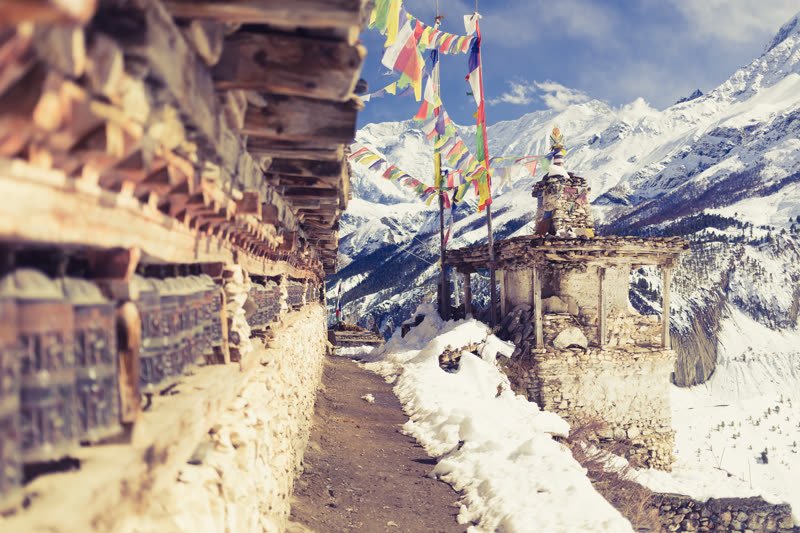
Nepal draws foreign productions for reasons that rarely change: the Himalaya, the medieval squares of the Kathmandu Valley, the trekking corridors, the wildlife lowlands, and a cultural texture that reads on camera without staging. What does change, and what surprises many first-time visitors, is the paperwork that sits between a strong location list and a lawful shoot day. Foreign productions are treated differently from local ones. The documents you prepare, the parties who must authorise your work, and the permissions that attach to specific locations or activities all depend on who you are, what you are shooting, and exactly where you intend to point the camera.
Film Permits Nepal is an independent private production-support service based in Kathmandu. We are not a government office and we do not issue permits. What we do is help foreign producers understand the pathway, assemble a clean and internally consistent document set, prepare applications for submission to the relevant authorities, and coordinate through clarifications and changes so your team is not guessing from another timezone. Think of us as the local desk that translates a production plan into the format Nepali authorities expect to receive.
This page explains, in practical detail, what counts as a foreign production, how the categories of work differ, the general permit pathway, and the document groups you will typically prepare across producer, crew, and equipment. It also covers the additional permissions that can attach to drones, protected areas, heritage and religious sites, and public spaces. Throughout, we describe what is generally true and flag anything that must be confirmed against current official sources during your specific review, because fees, timelines, and the precise authority that applies can differ by project and can change over time.
Who counts as a foreign production
For planning purposes, a foreign production is any filming project led, financed, or staffed primarily from outside Nepal, or one operating under a company registered outside the country. The label matters because foreign productions generally face a more formal documentation pathway than a domestic crew shooting locally. If your production company is incorporated abroad, if your key creative and technical roles are filled by non-Nepali nationals, or if your funding and commissioning sit outside Nepal, you should plan as a foreign production even when part of your team is local.
The distinction is not always binary. Co-productions, projects with a Nepali production partner, and shoots where a foreign broadcaster commissions local talent can sit in a grey zone. In these situations the practical question is not what to call yourself but which authorities will expect to see your paperwork and in what form. That answer depends on the structure of your project rather than a single title.
The reason we press on this early is that the classification drives everything downstream: the producer documents you assemble, the crew records you gather, whether equipment needs formal import handling, and which supporting permissions attach to your locations. Getting the classification wrong at the outset tends to surface late, usually when an authority asks for a document the team never prepared.
A few practical markers help you self-assess. Consider where your production entity is registered, the nationality mix of your core crew, who holds editorial and financial control, how your equipment enters the country, and whether your footage is destined for distribution abroad. None of these alone is decisive, but together they indicate how formal your pathway is likely to be.
If you are unsure where your project sits, treat it as foreign and prepare the fuller document set. It is far easier to hold documents you did not strictly need than to assemble missing ones under schedule pressure. During your review we look at the actual structure of your production and tell you which parts of the foreign pathway genuinely apply to you, so you are neither under-prepared nor carrying paperwork that adds no value.
Production categories and why they differ
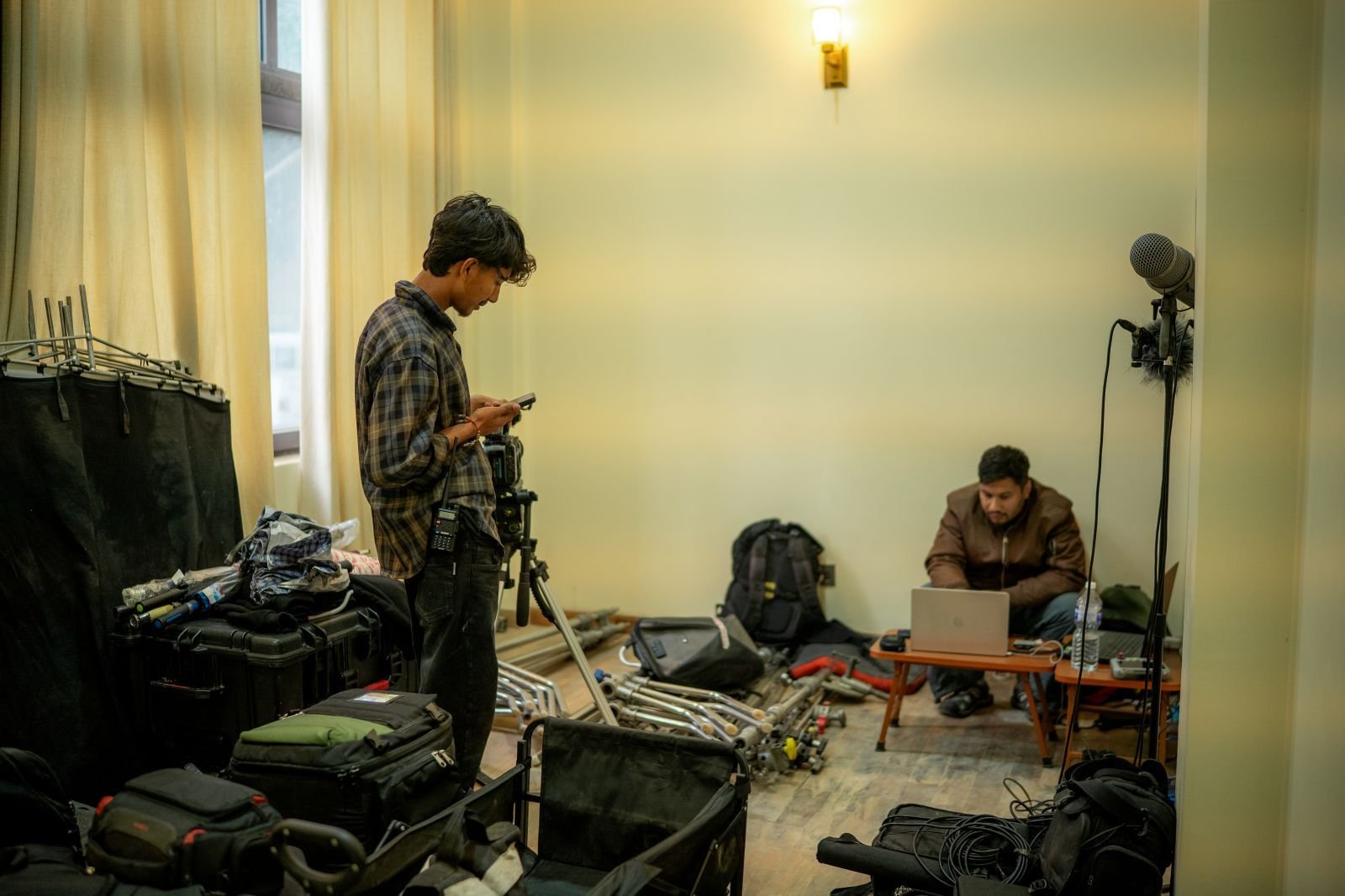
Not all foreign productions are treated the same, because the nature of the work changes both the perceived sensitivity and the practical footprint on the ground. A small documentary crew following a single subject presents a very different profile from a feature unit closing a public square, and a branded commercial with talent and set dressing differs again from a news crew covering an event. Understanding your category early helps you anticipate which documents and permissions will matter most.
Documentary and factual work usually centres on editorial intent, contributors, and access to real locations and people. The document emphasis tends to fall on describing purpose clearly, handling contributor consent, and being precise about any sensitive subjects or locations. Feature films and scripted drama bring larger crews, sets, staging, and often public-space control, which raises the importance of detailed location plans and coordination with local authorities.
Commercials and branded content introduce questions of usage, talent releases, and the commercial nature of the footage, which can affect how certain locations and custodians respond. Television and factual series, including presenter-led and recurring formats, add the complexity of multiple locations and repeated visits. Music videos often combine performance, public spaces, and creative concepts that need clear description. Photography, journalism, and institutional or NGO work each carry their own considerations around purpose, contributors, and sensitivity.
The practical takeaway is that your category shapes the weight given to each document group rather than replacing the core pathway. Every foreign production prepares producer, crew, and equipment records, but a documentary may spend more effort on contributor consent while a feature spends more on location and crowd plans. A commercial may need robust usage and release documentation, and a news assignment may depend heavily on accreditation handled separately from filming permissions.
We maintain dedicated guidance for each production type, and during your review we map your specific project to the category that best reflects how authorities are likely to read it. This lets us tell you where to concentrate your preparation effort and where a lighter touch is sufficient, rather than applying a single generic checklist to every project regardless of scale or intent.
The main permit pathway in outline
The pathway from idea to lawful shoot day follows a recognisable shape, even though the details vary by project. It begins with a clear description of your production: what you are making, why, who is involved, where you intend to film, and what activities you plan. From that description flows the assessment of which authorities and custodians are relevant, and therefore which documents and permissions you need to prepare.
The next stage is assembling your core document set across producer, crew, and equipment. This is the foundation, and it is where most avoidable delays originate, because inconsistencies between documents tend to trigger questions. With the core set in order, attention turns to the specific permissions that attach to your locations and activities, which may involve protected areas, heritage or religious sites, public spaces, or drone operations.
Applications are then prepared in the format the relevant authority expects and submitted through the appropriate channel. After submission, there is usually a period of review during which authorities may ask for clarification or additional material. Responsiveness here matters, because a fast, complete answer keeps your file moving while a slow or partial one can stall it. Finally, decisions and any conditions attached to them are recorded and carried into your production planning.
We describe this as a pathway rather than a fixed sequence because several steps run in parallel in practice. You might prepare crew documents while location permissions are being scoped, or handle equipment records alongside the main application. The order flexes to fit your schedule, but the logic holds: describe clearly, assemble cleanly, permission specifically, submit correctly, respond promptly, and record everything.
What we deliberately avoid on this page is asserting exact processing times, specific fees, or a single named authority as the current issuer for every case, because those particulars depend on your project and are confirmed against current official sources during your review. What we can say with confidence is that a production which respects this pathway, and prepares for the clarification and change stages rather than assuming a single clean approval, tends to move far more smoothly than one that treats permitting as a last-minute formality.
The role of a local coordinator
A local coordinator, often called a fixer or production-support partner, is the person or team on the ground who bridges your production and the Nepali side of the process. For a foreign production operating across timezones and in an unfamiliar administrative environment, this role is less a convenience and more a practical necessity. The coordinator understands the local expectations, speaks the language, and can act promptly when something needs attention that cannot wait for your office to wake up.
In document terms, the coordinator helps ensure your paperwork is assembled in the form authorities expect, that translations and signatures are handled correctly, and that nothing obvious is missing before submission. During the review period, the coordinator can respond to clarification requests quickly and accurately, which is often the single biggest factor in keeping a file moving. When conditions are attached to a decision, the coordinator helps you understand what they mean for your shoot days.
On the ground, a coordinator also helps with the human side of filming: liaising with location custodians, communities, and local authorities, and helping your crew observe cultural protocol at sensitive sites. This is not a legal function but it materially affects whether a shoot day proceeds smoothly. A respectful, well-briefed crew that arrives with the right paperwork and the right attitude tends to encounter far fewer obstacles.
It is important to be clear about what a coordinator does not do. A coordinator does not issue permits, cannot guarantee approval, and cannot promise a specific timeline or that any particular location or activity will be permitted. Those outcomes rest with the relevant authorities and custodians. What a coordinator provides is preparation, translation, presence, and responsiveness, which improve your chances of a clean process without ever guaranteeing it.
Our service functions as this coordinating desk for your permit preparation. We work alongside your line producer or production manager rather than replacing them, handling the Nepali-side document and submission work while you retain full creative and operational control of your production. Where specialist input is needed, for example on customs handling for equipment, we help coordinate that too rather than leaving it as a gap.
Producer and company documents
The producer document group establishes who is behind the production and gives authorities a clear picture of the responsible entity. Although the exact list is confirmed against current requirements during your review, foreign productions typically prepare a recognisable core: information about the production company, a description of the project, and documentation that identifies the responsible individuals leading the work.
The project description sits at the heart of this group. It should explain what you are making, its purpose, its intended audience or distribution, and the general shape of your shoot. Authorities read this to understand the nature and sensitivity of your work, so clarity and honesty here serve you well. A vague or evasive description tends to invite questions, while a clear one builds confidence that your production is what it says it is.
Company documentation generally identifies your production entity and its standing. Depending on your structure, this can include registration details for your company and information about how the production is organised. Where a local partner is involved, documentation of that relationship may be relevant. The aim is to let authorities see a coherent, accountable structure rather than an ambiguous arrangement.
Identification of the responsible people, typically the producer and key leadership, ties the project to accountable individuals. This is standard practice and simply confirms who stands behind the production. Passport information and related identification for key personnel often forms part of this, and it should be current and consistent with the rest of your file.
Across all of these, internal consistency is what matters most. The company name, project title, dates, and personnel should match across every document, because mismatches are one of the most common triggers for clarification requests. We review this group specifically for coherence, checking that the story your documents tell is the same story from the first page to the last, and flagging anything that a reviewing authority is likely to query before it reaches them.
Crew documents
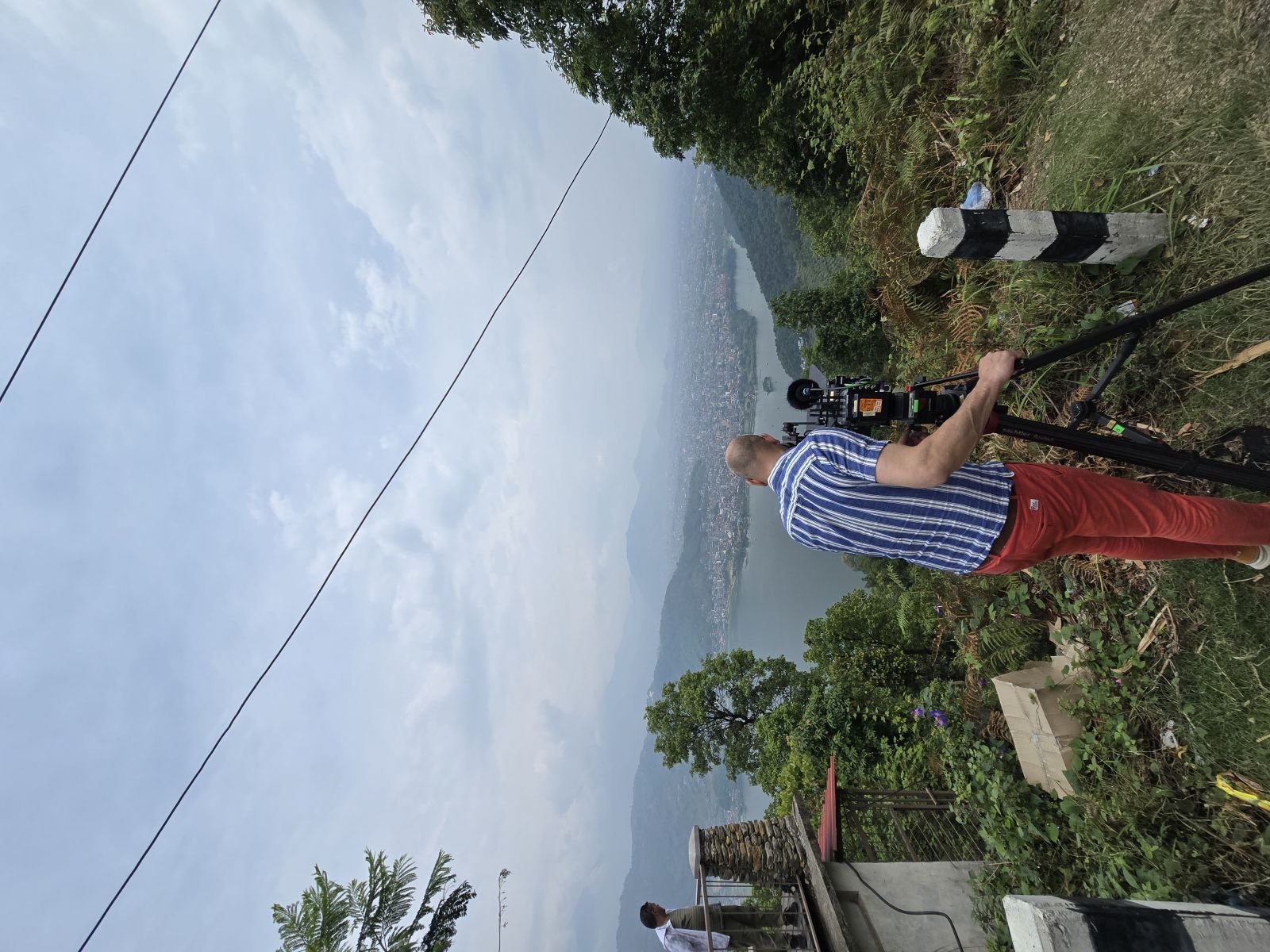
The crew document group identifies the people who will actually carry out the production on the ground. For a foreign production, this typically means a crew list together with identifying information for each member, and it is one of the areas where accuracy and timeliness matter a great deal. Authorities want to know who is entering to work, in what role, and for how long.
A well-prepared crew list is more than a roster of names. It generally records each person's role, nationality, and the identifying details that authorities expect, presented consistently. Because crews often change during pre-production, the discipline here is to keep the list current and to have a clear process for updating it when someone is added, removed, or swapped. A stale crew list that no longer matches who is actually travelling is a common source of friction.
Nationality mix can matter more than teams expect. Certain locations, particularly restricted or sensitive areas, may treat crews differently depending on the nationalities involved. This does not mean any particular nationality is excluded, but it does mean the composition of your crew is a planning input rather than an afterthought. Flagging your crew nationalities early lets us identify any location-specific considerations before they become schedule problems.
The relationship between crew documentation and immigration is worth understanding. The permissions that allow filming are distinct from the arrangements that allow individuals to enter and work in Nepal. These are separate matters handled through separate channels, and a filming permission does not substitute for appropriate entry arrangements. We flag where these two tracks intersect so your team does not assume one covers the other.
We treat crew documents as a living part of your file rather than a fixed submission. During your engagement we help you maintain a clean, current crew list, check that individual details are consistent, and manage the update process when your crew inevitably shifts. Where crew composition intersects with specific location permissions, we raise it early so you can plan around it rather than discover it late.
Equipment records
The equipment document group describes the gear your production will bring or use in Nepal. For a foreign production carrying professional kit across a border, this group connects to customs considerations as well as filming permissions, which makes it one of the more technically involved areas of your preparation. The core of it is a clear, accurate equipment list.
A good equipment list records each significant item, its description, and information such as ownership or rental status and value. Precision matters because this list may be read by more than one party for more than one purpose. Vague entries, missing serial numbers where they are expected, or values that do not add up tend to invite scrutiny, so the discipline is to prepare the list carefully and keep it consistent with reality.
Some categories of equipment carry particular considerations. Batteries, especially larger ones, and radio or wireless equipment can attract specific handling because of transport and communications rules. Drones are a category of their own and trigger additional permission considerations covered separately. The point is that not all equipment is equal in administrative terms, and identifying the sensitive items early lets you plan for them.
The distinction between imported and locally sourced equipment shapes your paperwork significantly. Gear brought into the country generally needs records supporting its temporary import and eventual re-export, so that what enters is accounted for when it leaves. Equipment rented locally sits outside that import track. Many productions use a mix, and being clear about which items fall where simplifies the whole process.
Because equipment handling touches customs, which is a specialist area, we help coordinate rather than improvise. We help you build a clean equipment list in the right format, flag the items likely to need special attention, and coordinate with customs specialists where formal import and re-export handling is involved. We do not promise customs clearance or specific outcomes at the border, because those rest with the relevant authorities, but we help you arrive prepared rather than assembling documentation on the spot.
Additional permission triggers
Beyond the core permit pathway, certain locations and activities trigger additional permissions that sit on top of your main preparation. Recognising these triggers early is one of the most valuable things you can do in planning, because each one can add its own documents, custodians, and lead time. Missing a trigger until late is a frequent cause of scramble and disappointment.
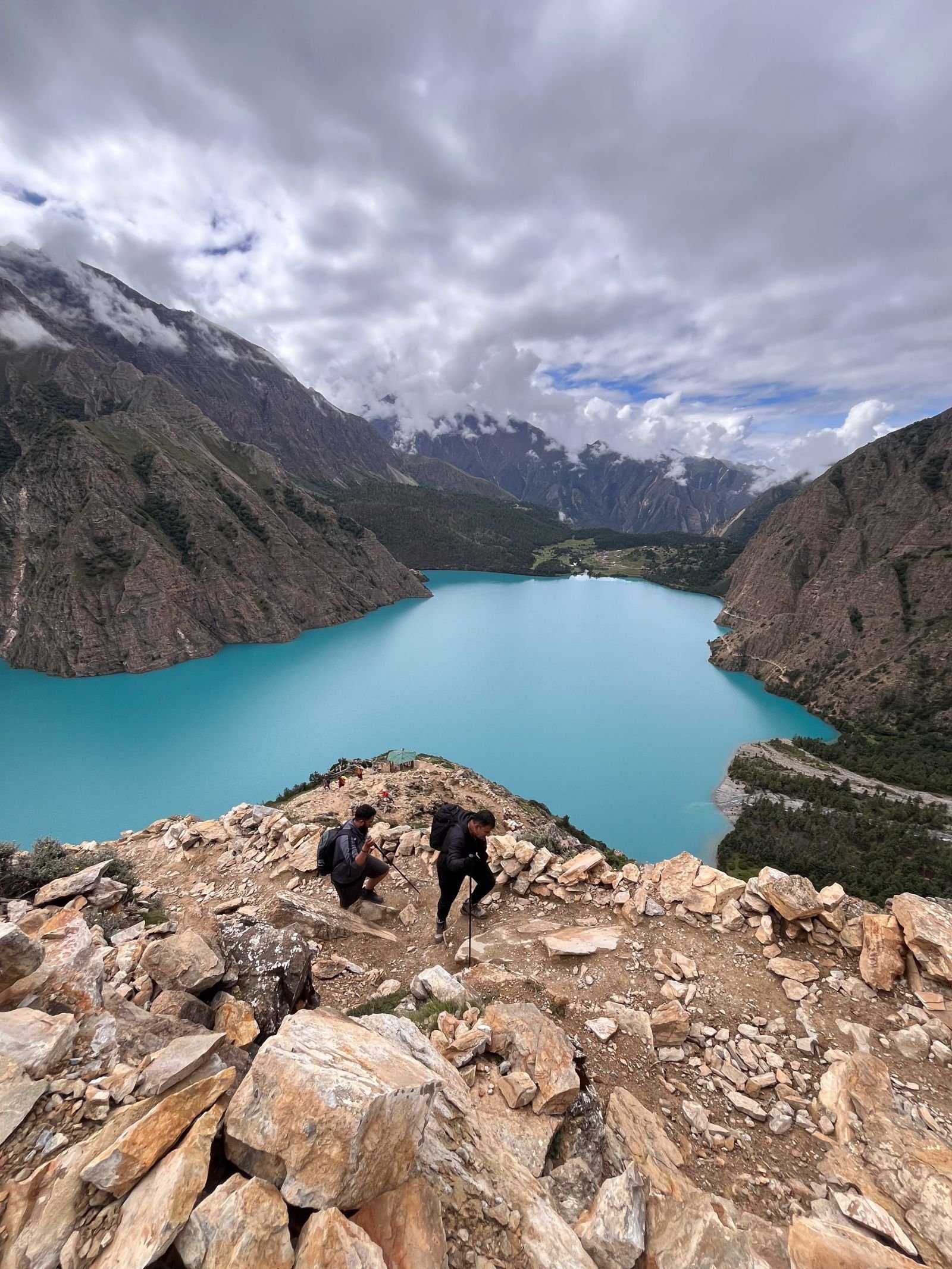
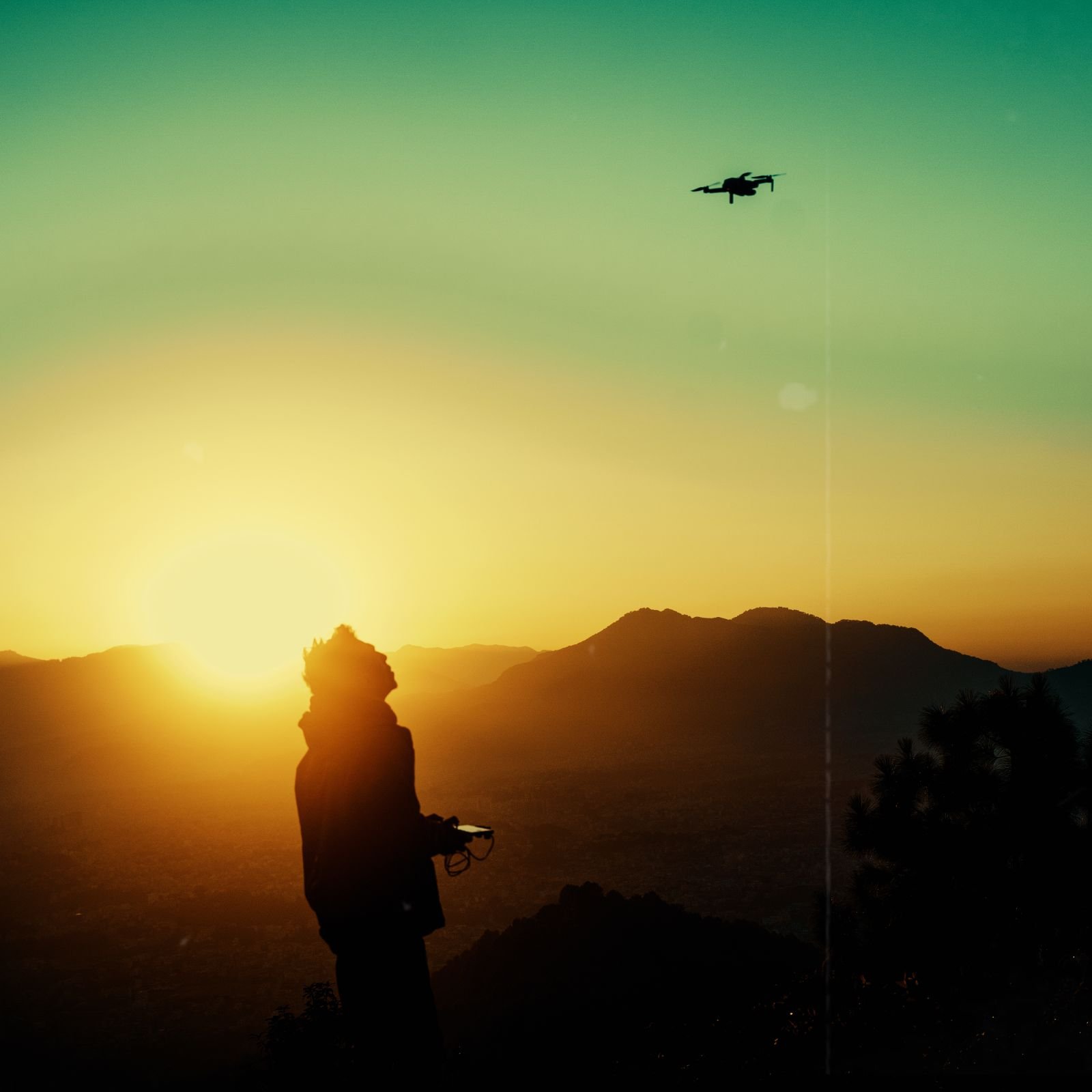
Drones are the clearest example. Flying an unmanned aircraft introduces aircraft and operator information, registration considerations, and flight-permission questions that are entirely separate from your ground filming. Airspace, proximity to airports, and overflight of protected or heritage areas all bear on whether and where a drone can operate. We never promise drone permission, because that decision rests elsewhere, but we help you prepare the mission documentation properly and understand the constraints.
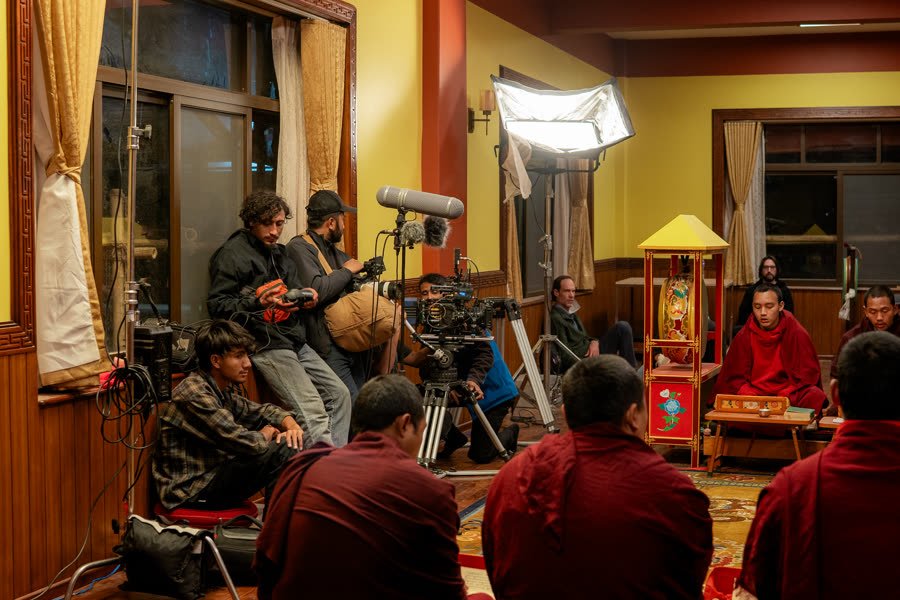
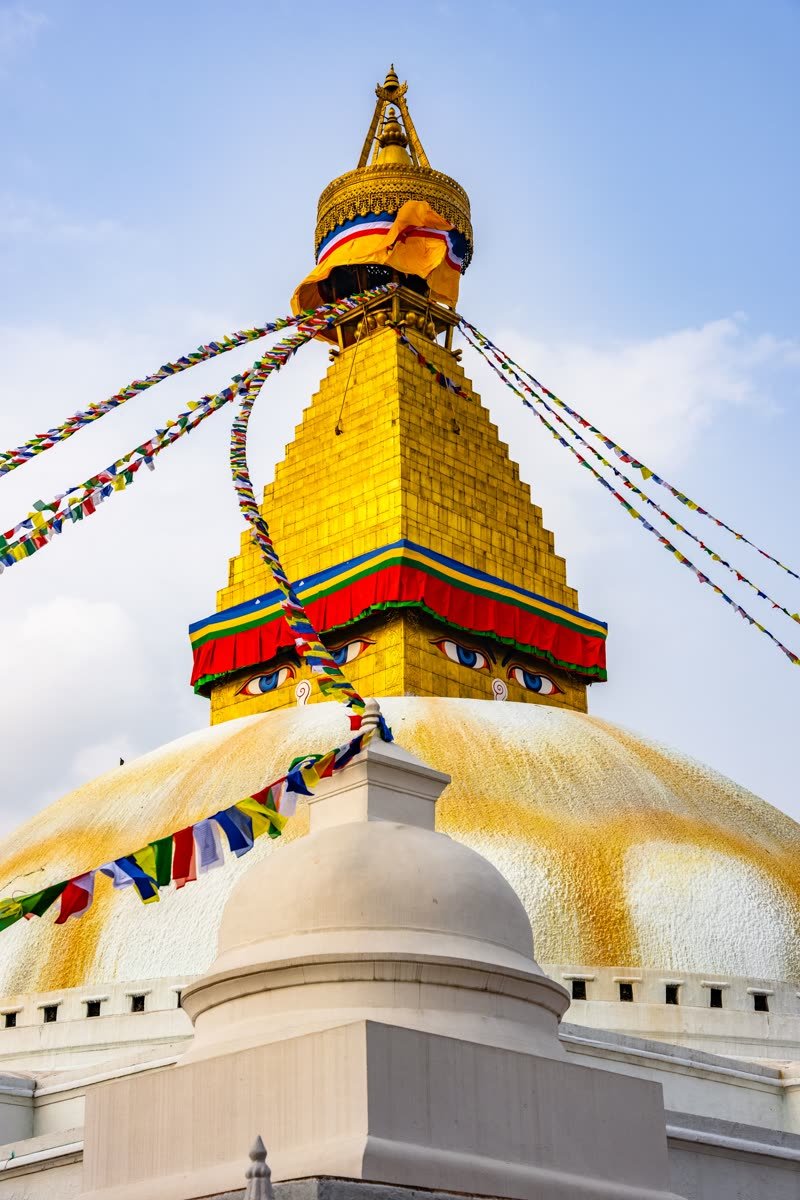
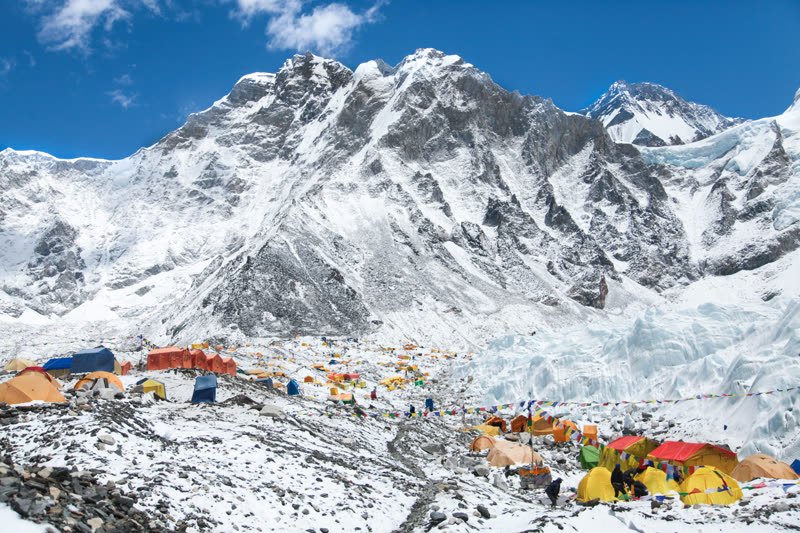
Protected areas such as national parks and conservation areas often involve their own authorities or management bodies, location-specific applications, and safeguards around wildlife and environment. Heritage sites and religious locations bring custodians, cultural protocol, and restrictions on crew size, lighting, sound, and physical access. Public spaces can involve municipality and traffic coordination, crowd management, and public-notice considerations. Restricted areas add sensitivity around location boundaries, crew nationality, and travel permissions distinct from filming.
These triggers frequently overlap. A single sequence might involve a drone over a heritage site inside a protected area, engaging three different sets of considerations at once. The more your creative ambition concentrates striking, sensitive, or controlled locations, the more of these permissions stack up, and the more important it is to surface them all at the planning stage rather than piecemeal.
During your review we go through your location and activity plan specifically to identify every trigger it contains, so nothing surfaces as a surprise mid-shoot. For each trigger we explain the general shape of what is involved and what must be confirmed against current official sources, and we help you assemble the supporting documentation. Where a location or activity is genuinely difficult, we say so plainly rather than encouraging you to bank on a permission that may not come.
Application preparation
Preparing an application is where all your gathered material is shaped into the form an authority expects to receive. This is a distinct skill from simply having the documents, because the same information can be presented in a way that moves smoothly or in a way that invites friction. Good application preparation is about completeness, consistency, and clarity rather than volume.
The first principle is completeness. An application missing a required element will usually come back with a request for it, adding a round trip and lost time. We work from a checklist tailored to your specific project and its triggers, confirming that every expected component is present before anything is submitted. This front-loading of diligence is the single most effective way to reduce back-and-forth later.
The second principle is consistency. Across the whole application, names, dates, locations, personnel, and equipment should tell one coherent story. Reviewers notice contradictions, and a contradiction, however minor, can raise a question that stalls the file. We read your assembled documents against each other specifically to catch mismatches, because these are far easier to fix before submission than after.
The third principle is correct formatting and channel. Applications are submitted in particular forms through particular channels, and getting this right avoids the delay of a misrouted or improperly formatted file. Translations and signatures, where required, must be handled correctly, because a document that is technically present but improperly certified can be treated as missing.
We prepare applications as a considered package rather than a hurried assembly. That means gap-checking your documents, resolving inconsistencies, ensuring translations and signatures are in order, and confirming the format and channel before submission. We coordinate the submission itself and track the file afterward. What we do not do is assert a specific processing time or guarantee an outcome, because those depend on the authority and your particular circumstances. Our contribution is to give your application the best possible chance of a clean passage by making it complete, consistent, and correctly presented.
Clarification and scope changes
Two realities distinguish smooth productions from stressful ones: the expectation that authorities may ask for clarification, and the expectation that your production will change. Teams that plan for both move through the process calmly. Teams that assume a single clean approval and a frozen plan tend to be caught off guard when neither holds.
Clarification is a normal part of review. After submission, an authority may ask a question, request an additional document, or seek confirmation of a detail. This is not a sign of trouble; it is often just the process working. What matters is the response. A prompt, complete, accurate answer keeps your file moving, while a slow or partial one can stall it and, in the worst case, invite further questions. Because we sit in the local timezone and hold your document set, we can usually respond quickly and correctly rather than waiting for your office hours.
Scope changes are equally routine. Locations shift, dates move, crew changes, a new sequence is added, or an activity such as a drone shot enters the plan late. Each change can have permission implications. Adding a protected-area location or a drone shot, for instance, can introduce a whole new set of considerations. The discipline is to route changes through a clear process rather than assuming your existing permissions automatically cover the new plan.
The risk with changes is silent drift, where the production that actually shoots has quietly diverged from the production that was documented and permitted. This is where problems concentrate, because a permission granted for one plan may not extend to a materially different one. Surfacing changes early, and reassessing their permission impact, prevents this drift from becoming a shoot-day problem.
We handle both as managed workflows rather than fire drills. For clarifications, we monitor your file, interpret requests, and coordinate accurate responses. For scope changes, we assess each change for its permission impact and tell you plainly what it requires, including when a change is significant enough to need fresh permission or is unlikely to be feasible in your timeframe. This keeps the production that shoots aligned with the production that is documented, which is the whole point of the exercise.
A representative planning scenario
To show how the pieces fit together, consider an illustrative scenario. It is not a specific client and contains no real names or figures; it is a composite designed to make the workflow concrete. A foreign documentary team plans a three-week shoot following a single subject across Kathmandu, a heritage square, and a trekking corridor that touches a protected area, with a few aspirational drone shots.
At the outline stage, several triggers are immediately visible. The heritage square brings a custodian and cultural-protocol considerations. The protected-area corridor introduces a management body and location-specific considerations. The drone ambition raises aircraft, operator, and flight-permission questions layered over both the heritage and protected-area elements. The core producer, crew, and equipment documents apply throughout, and the crew's nationality mix is worth checking against the protected-area segment.
Working backward from the shoot dates, the plan sequences the work: assemble and gap-check the core document set first, since everything depends on it; scope the heritage and protected-area permissions in parallel, since they involve different custodians; and treat the drone as a separate track with its own documentation and a frank assessment of feasibility. The team is advised early that drone permission is never guaranteed and that the protected-area segment may carry its own constraints, so they build contingency into the creative plan rather than assuming every ambition will clear.
During preparation, the crew list changes twice as contributors and a second camera operator are confirmed. Each change is routed through the update process so the documented crew matches the travelling crew. When the submitted file draws a clarification request about the drone element, the local desk responds promptly with the requested detail rather than losing days to timezone lag.
The value of the scenario is in its ordinariness. Nothing dramatic happens; the process simply works because the triggers were identified early, the documents were consistent, the changes were managed, and the clarification was answered fast. This is what good preparation looks like in practice: not a guarantee of every creative wish, but a calm, well-sequenced path that keeps the production aligned with what has actually been permitted, and that treats the difficult elements honestly rather than optimistically.
What we include and what stays with you
Clear boundaries make a support relationship work. It helps every production to know precisely where our responsibilities sit and where yours remain, so nothing falls into a gap and nobody double-handles the same task. This section sets out that division at a high level, with the detailed lists provided separately.
Our side of the line is preparation, coordination, and local presence. We assess your project against current requirements, tell you which parts of the foreign pathway apply, help assemble and gap-check your document set, prepare applications in the expected format, coordinate submission, monitor for clarifications, and manage the permission impact of scope changes. We coordinate with specialists, such as customs handlers, where your project needs them, and we act as your responsive desk in the Nepali timezone.
Your side of the line is the production itself and the raw material we work from. You provide accurate project information, your crew and equipment details, your location and date plan, and the underlying documents that only you can supply. You retain creative and operational control, make the business decisions, and carry out the shoot. You also remain responsible for matters we support but do not control, such as appropriate entry arrangements for your crew and compliance with any conditions attached to permissions.
Some things sit deliberately outside what anyone can promise. We do not issue permits, guarantee approval, guarantee timing, guarantee drone permission, guarantee location access, or guarantee customs clearance, because those outcomes rest with authorities and custodians rather than with us. We are candid about this because a support service that implies otherwise is setting a production up for disappointment.
The purpose of drawing the line clearly is not to limit help but to make the help reliable. When each side knows its role, preparation is thorough, handoffs are clean, and expectations are realistic. We would rather tell you honestly at the outset that a particular ambition is uncertain than let you build a schedule on a permission that may not arrive. That candour, paired with genuinely thorough preparation, is what makes the working relationship worth having.
| Document group | Who prepares it | Purpose | Format notes |
|---|---|---|---|
| Project description | Producer, with our review | Explains what you are making, its purpose, audience, and shoot shape so authorities understand the nature and sensitivity of the work | Written summary, consistent with all other documents |
| Company and producer records | Producer, with our review | Identifies the responsible entity and the accountable individuals behind the production | Registration and identification details, kept current |
| Crew list and crew records | Producer, maintained with us | Identifies who will carry out the work, in what role, and of what nationality | Structured list, updated whenever crew changes |
| Equipment list | Producer, structured with us | Describes the gear brought or used, its ownership and value, for filming and customs purposes | Itemised, precise, consistent with reality |
| Location and date plan | Producer, reviewed with us | Sets out where and when you will film so location-specific permissions can be identified | Schedule tied to specific locations and activities |
| Location and activity permissions | Coordinated by us | Supports any protected-area, heritage, religious, public-space, or drone permissions your plan triggers | Location-specific, prepared per custodian or authority |
| Drone mission documentation | Producer, coordinated with us | Supports aircraft, operator, and flight-permission considerations where a drone is planned | Prepared separately from ground filming records |
| Translations and signatures | Coordinated by us | Ensures documents are certified and rendered in the form authorities expect | Handled to the required standard before submission |
Typical document groups a foreign production prepares, who prepares each, and its purpose. The exact contents are confirmed against current requirements during your review.
What this includes
- Assessment of which parts of the foreign production pathway apply to your specific project
- Guidance on your production category and where to concentrate preparation effort
- Help assembling and gap-checking producer, crew, and equipment document groups
- Identification of every additional permission trigger in your location and activity plan
- Preparation of applications in the format and channel authorities expect
- Coordination of translations and signatures to the required standard
- Submission coordination and ongoing monitoring of your file
- Prompt handling of clarification requests from the local timezone
- Assessment of the permission impact of scope changes during your production
- Coordination with customs specialists where equipment import and re-export applies
- Candid feedback on ambitions that are uncertain or unlikely to be feasible in your timeframe
- Confidential handling of the documents you share with us
What this does not include
- Issuing permits or acting as any government or official authority
- Any guarantee of approval for a permit, location, or activity
- Any promise of a specific processing time or timeline
- Any guarantee of drone permission, which rests with the relevant authorities
- Any guarantee of access to a specific location or custodian's consent
- Any guarantee of customs clearance or a specific outcome at the border
- Immigration and entry arrangements for your crew, which are handled through separate channels
- Personalised legal advice or representation before authorities
- Creative, editorial, and operational decisions, which remain entirely yours
- Payment of official fees on undisclosed terms or assertion of exact fee amounts as verified fact
- Compliance on your behalf with conditions attached to any granted permission
- On-the-ground production management beyond permit preparation and coordination
Frequently asked questions
No. We are an independent private production-support service, not a government office, and we do not issue permits of any kind. Permits and permissions are granted by the relevant Nepali authorities and location custodians, and those decisions rest entirely with them. What we do is help you understand the pathway, prepare a clean and consistent document set, format and coordinate your application, and respond to clarifications and changes. Think of us as the local preparation and coordination desk, not the issuing body.
In general, your project is a foreign production if it is led, financed, or staffed primarily from outside Nepal, or if it operates under a company registered abroad. Co-productions and projects with a local partner can sit in a grey zone, so the practical test is which authorities will expect your paperwork and in what form. If you are genuinely unsure, it is safer to plan as a foreign production and prepare the fuller document set. During your review we look at your actual structure and tell you which parts of the foreign pathway truly apply to you.
No, and you should be cautious of anyone who promises this. Approval and timing rest with the relevant authorities, not with us, so we never guarantee either an outcome or a specific processing time. What we can do is give your application the best possible chance of a clean passage by making it complete, consistent, and correctly formatted before submission, and by responding quickly to any clarification. We also advise you to build sensible contingency into your schedule rather than assuming a single clean approval on a fixed date.
Foreign productions typically prepare three core document groups: producer and company records, crew records, and equipment records, alongside a clear project description and a location and date plan. Depending on your locations and activities, you may also need supporting permissions for protected areas, heritage or religious sites, public spaces, or drones. The exact contents are confirmed against current requirements during your review, because they can vary by project and change over time. We provide a checklist tailored to your specific production rather than a generic list.
For a foreign production working across timezones and in an unfamiliar administrative environment, a local coordinator is less a convenience and more a practical necessity. The coordinator helps assemble documents in the expected form, responds promptly to clarification requests, and liaises with custodians and communities on the ground. A coordinator does not issue permits or guarantee outcomes, but the preparation, translation, presence, and responsiveness they provide materially improve how smoothly your process runs. Our service functions as this coordinating desk while you retain full control of your production.
Drones are treated as a separate track that sits on top of your ground filming preparation. Flying an unmanned aircraft introduces aircraft and operator information, registration considerations, and flight-permission questions, and airspace, airport proximity, and overflight of protected or heritage areas all bear on whether and where a drone can operate. We help you prepare the mission documentation properly and understand the constraints, but we never promise drone permission, because that decision rests with the relevant authorities. If a drone element is uncertain, we tell you plainly so you can plan a contingency.
Changes are routine, and the important thing is to route them through a clear process rather than assuming your existing permissions automatically cover the new plan. A crew change should be reflected in an updated crew list, and a new location or activity, such as an added drone shot or a protected-area segment, can introduce fresh permission considerations. We assess each change for its permission impact and tell you what it requires, including when a change is significant enough to need new permission. This keeps the production that actually shoots aligned with the production that was documented.
No. The permissions that allow filming are distinct from the arrangements that allow individuals to enter and work in the country, and these are handled through separate channels. A filming permission does not substitute for appropriate entry arrangements, and appropriate entry arrangements do not substitute for filming permissions. We flag where these two tracks intersect so your team does not assume one covers the other, but the immigration and entry side is handled separately and remains your responsibility to arrange correctly.
Equipment brought into the country generally needs records supporting its temporary import and eventual re-export, so that what enters is accounted for when it leaves, while equipment rented locally sits outside that import track. Some items, such as larger batteries and radio or wireless equipment, can attract particular attention, and drones are a category of their own. Because equipment handling touches customs, which is a specialist area, we help you build a clean equipment list and coordinate with customs specialists where formal handling is involved. We do not promise customs clearance or specific outcomes at the border.
We will not assert specific fee amounts or processing times as verified fact on this page, because those particulars depend on your project and can change over time. During your review we confirm the applicable requirements against current official sources rather than quoting figures from memory. This is a deliberate discipline: publishing a confident number that later proves outdated would do your budget and schedule more harm than good. What we give you is an accurate, current picture for your specific project, with any uncertainty clearly flagged rather than papered over.
We would rather tell you honestly at the outset than let you build a schedule on a permission that may not arrive. Some locations and activities are genuinely difficult, and where that is the case we say so plainly and, where possible, suggest alternatives, such as non-drone options for aerial-style coverage. This candour is part of the service. A support relationship that only ever tells you what you want to hear is not protecting your production, and our aim is to help you plan around real constraints rather than discover them on a shoot day.
We treat the documents you share with us as confidential and handle them with appropriate care throughout your engagement. Production plans, crew details, and creative materials are sensitive, and we understand that a foreign production often shares information it would not want circulating. We limit access to what is needed for your permit preparation and coordination. If you have specific confidentiality requirements, raise them at the outset so we can accommodate them, and we will be clear about any limitations, for example the inherent constraints of ordinary email, so you can choose how to share sensitive material.
The best first step is to send us an outline of your production: what you are making, why, roughly when and where you plan to film, the general shape of your crew and equipment, and any drone or sensitive-location ambitions. From that we produce a structured requirements review that tells you which parts of the foreign pathway apply, what documents to prepare, which permission triggers your plan contains, and where the uncertainties lie. You do not need a finished plan to begin; an early, honest outline lets us surface the important considerations while you still have time to act on them.