Filming at a heritage site in Nepal is one of the most rewarding things a foreign production can do, and also one of the most layered from a permission standpoint. A courtyard temple in a historic square, a hillside stupa, a palace complex, or a centuries-old monastery each carries not only a main production permission requirement but often an additional layer of site-specific consent tied to whoever protects, manages, or holds custody of that place. Understanding that distinction early is what separates a smooth shoot from a schedule that stalls at the gate.
Film Permits Nepal is an independent private production-support service based in Kathmandu. We are not a government office and we do not issue permits. What we do is help international productions prepare, organise, and coordinate the documentation and location approaches that heritage filming typically involves, so that when you engage with the relevant authorities and custodians your paperwork is complete, consistent, and respectful of the site.
This page explains how heritage filming permission tends to work in practice for a foreign production: the categories of heritage locations you may encounter, the layered nature of custodianship, the way crew size and equipment influence what a site will allow, the special sensitivities around lighting, sound, and drones, and the physical and cultural restrictions that commonly apply. It also sets out what our service includes and excludes, what you are responsible for as the production, and how a heritage location review moves from first enquiry to a well-organised set of documents.
Throughout, we describe general workflow and preparation. We do not quote specific official fees, fixed timelines, or a single named issuing authority as settled fact, because those depend on your exact locations and activities and are confirmed against current official sources during your review. Where a regulatory detail matters to your plan, we flag it so it can be checked rather than assumed.
Why heritage filming carries an extra layer of permission
For most foreign productions, filming in Nepal begins with a main production permission that covers the project as a whole. Heritage sites add a second consideration on top of that base layer. A heritage location is not simply a backdrop; it is a protected or culturally significant place that usually has a custodian, a managing body, or a community that holds responsibility for it. Filming there often means satisfying the main permission and then obtaining a separate, site-specific agreement from whoever controls access to that particular location.
This layered structure is the single most important thing to understand before you build a heritage-heavy schedule. Productions that treat a temple square or a palace courtyard as an ordinary exterior are the ones most likely to be turned away at short notice, because the person on the ground protecting the site is not the same office that granted the main permission. The two operate on different logic. The main permission concerns your project and its legitimacy. The site consent concerns whether your specific activity, on your specific dates, with your specific footprint, is appropriate for that place.
The practical consequence is that heritage planning is a mapping exercise before it is a paperwork exercise. For each location you intend to use, we help you identify what kind of heritage space it is, who is likely to hold custody or management responsibility, and what category of activity you are proposing there. Only once that map is clear does it make sense to prepare documents, because the documents follow the map.
We deliberately avoid asserting a single named authority as the universal heritage issuer. Nepal's heritage landscape includes nationally recognised monument zones, sites of religious significance, locally managed properties, and places under community or trust custodianship. The body that matters for your shoot depends on where you are pointing the camera and what you are doing there. Getting that identification right at the start is the highest-value step in the entire process, and it is where an experienced local coordinator earns their place on your team. Everything downstream, from document preparation to on-the-day conduct, depends on this early clarity.
Categories of heritage sites you may encounter
Heritage locations in Nepal are not a single uniform category, and the permission approach shifts with the type of site. Understanding these categories helps you anticipate which custodian layer applies and how demanding the consent process is likely to be.
Monument zones and historic squares are among the most recognisable heritage settings. These are dense concentrations of temples, courtyards, and old civic architecture, often still in active daily use by residents and worshippers. Filming here means working around living heritage: people pass through, ceremonies occur, and the space belongs to the community as much as to any managing body.
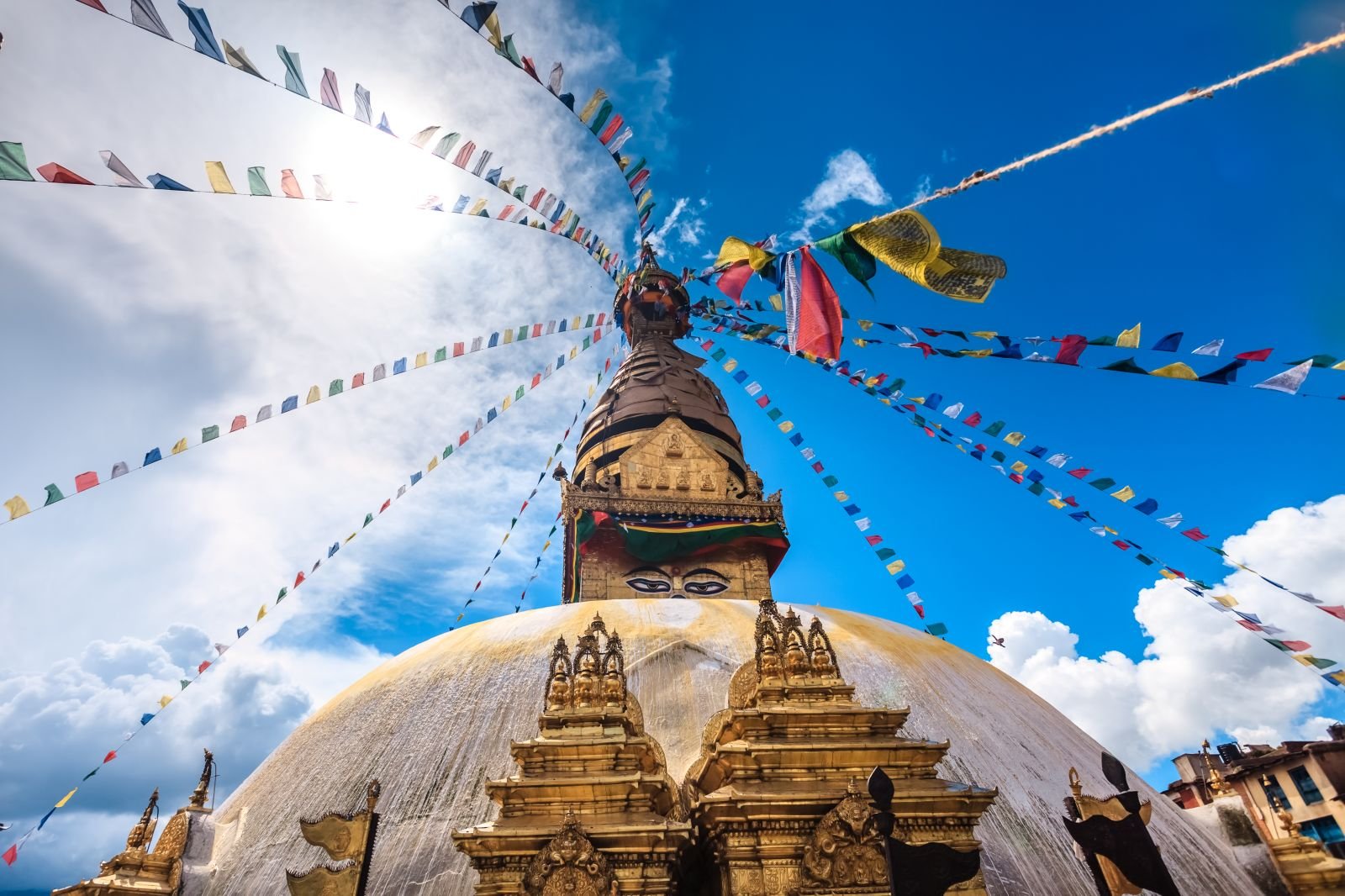
Religious heritage sites such as temples, stupas, monasteries, and shrines combine heritage protection with active spiritual function. Here two sensitivities overlap: the site's historic status and its sacred purpose. A place may welcome respectful visitors yet firmly restrict where cameras go, what may be filmed, and how crew conduct themselves near sacred objects or during rituals.
Palace complexes and former royal architecture often sit under a defined managing body and may operate partly as museums or public heritage attractions. These can have clearer administrative points of contact, but also structured rules about interior access, tripods, lighting, and visitor flow.
Archaeological and historically significant landscapes, including old settlements, terraced heritage areas, and traditional architectural clusters, may involve both a heritage dimension and local community coordination, since people live and work within them.
Museums and curated heritage interiors are a distinct case. Filming among protected artefacts usually brings strict conditions on equipment, movement, and touching or approaching objects, and interior heritage almost always carries more restriction than open exterior heritage.
We help you classify each of your intended locations into the right category, because the category signals the likely custodian, the probable restrictions, and the documentation approach. The exact protective status of any specific site is confirmed against current official sources during your review rather than assumed from its appearance.
Possible authorities and custodians
One of the most common questions we receive is a simple one: who do we actually ask? The honest answer for heritage filming is that it depends, and productions are better served by a clear method for finding out than by a confident but wrong assumption.
Heritage sites in Nepal can fall under several kinds of oversight. Some sit within nationally recognised heritage or monument frameworks. Some are managed by a local body or municipal authority. Some are cared for by a religious institution, a trust, a temple committee, or a community organisation that holds practical custody regardless of the broader legal designation. Many significant sites involve more than one of these at once, so that a single courtyard temple might sit inside a recognised heritage zone while day-to-day access is controlled by a local committee.
Because of this, we do not name a single office as the guaranteed issuer for heritage permission. Instead, for each location we help you identify the layers that plausibly apply: the broad heritage framework, the managing or municipal body, and the on-the-ground custodian. We then help you understand which layer you approach first and how the approaches relate. In many cases the main production permission comes from one process, while site consent comes from the custodian, and the two must align.
The custodian layer deserves particular respect. The person or committee that unlocks a gate, opens an interior, or grants standing near a sacred space is often the decisive party for whether your shoot actually happens, even when a higher authority has recognised your project. Treating that custodian relationship as an afterthought is a frequent and costly mistake. Treating it as central, and approaching it early, courteously, and with a clear description of your intentions, is what tends to open doors.
What we provide is the mapping and the preparation. Which authority or custodian ultimately applies to your specific site, and what they require, is confirmed against current official sources and direct enquiry during your review. We never promise that any particular site will grant access, because that decision rests with the custodian, not with us.
Location-specific permission and why it is confirmed per site
Heritage permission does not generalise well. A production may reasonably assume that if one temple square said yes, a similar one nearby will too. In practice each heritage location is treated on its own terms, because each has its own custodian, its own sensitivities, its own history with filming, and its own view of what is appropriate. This is why we build heritage planning location by location rather than as a single blanket request.
For every heritage site on your list, the relevant questions are specific. What exactly do you want to film there? Where will the camera stand, and where will it point? How many people will be present? What equipment comes through the gate? Will there be any staging, lighting, or sound? How long will you occupy the space, and at what time of day? Are you filming near active worship, sacred objects, or areas the public normally cannot enter? Each answer shapes what the custodian is being asked to allow, and a small change in any of them can change the response.
Because the answers differ by site, the documentation is assembled per site as well. A concise, accurate description of your activity at that specific location, matched to the custodian who governs it, is far more persuasive than a generic project overview. Custodians want to understand their site's exposure, not your whole film. We help you produce location-specific summaries that speak directly to each custodian's concerns.
This approach also protects your schedule. When permission is confirmed per site, a problem at one location does not silently undermine the others, and you retain the flexibility to adjust, substitute, or resequence. It also means you are not over-promising to authorities. If a particular interior or sacred area turns out to be off limits, you learn that in preparation rather than on the shoot day, and you can plan an alternative composition or location while there is still time.
We cannot and do not guarantee that any specific site will be approved, nor that access will be granted on your preferred dates. What we can do is make sure each request is complete, accurate, respectful, and directed to the right custodian, which is the strongest position a production can be in.
Crew size and equipment footprint at heritage locations
Few factors influence a heritage custodian's decision more directly than the size of your crew and the scale of your equipment. Heritage spaces are frequently compact, structurally delicate, in active use, or all three at once. A custodian is not evaluating your project's artistic merit so much as your physical impact on a place they are responsible for protecting. The smaller and gentler your footprint, the easier the conversation.
Crew size is the first thing many custodians ask about, because more people means more movement, more risk to surfaces and objects, more disruption to worshippers or visitors, and more to supervise. A tight, disciplined unit is far easier to accommodate than a large crew with an unclear headcount. We help you present a realistic, honest crew number, and where possible we help you consider whether a scene can be achieved with a reduced on-site team, splitting essential personnel from those who can wait outside.
Equipment footprint matters just as much. Tripods, dollies, stabilisers, cases, stands, cabling, and cases all take up space and can touch, scrape, or obstruct. Wheeled equipment on old stone, heavy stands near carved surfaces, or cabling across a courtyard used by the public all raise legitimate concerns. Some heritage interiors restrict tripods entirely to prevent contact with floors or the risk of a fall onto an artefact. We help you build an equipment list that is matched to each location, so you can propose the lightest viable kit for a sensitive site and reserve heavier setups for locations that can absorb them.
The interaction between crew and equipment is where planning pays off. A modest crew with minimal, handheld or lightweight gear opens far more heritage doors than a large unit with a full grip package. Many productions find that pre-planning a stripped-down heritage configuration, distinct from their standard setup, dramatically improves what custodians will allow.
We do not set the limits; the custodian does, and those limits vary by site and are confirmed during your review. What we do is help you arrive with a footprint that respects the space, a clear plan for movement and placement, and the flexibility to scale down where a location requires it. That preparation is often the difference between a yes and a no.
Lighting and sound considerations at heritage sites
Lighting and sound are two of the most sensitive aspects of heritage filming, because both can affect not only the physical fabric of a site but also the people using it and the atmosphere of a sacred or historic space. Custodians pay close attention to what you intend to bring in and switch on, and productions that plan conservatively here tend to be trusted with more.
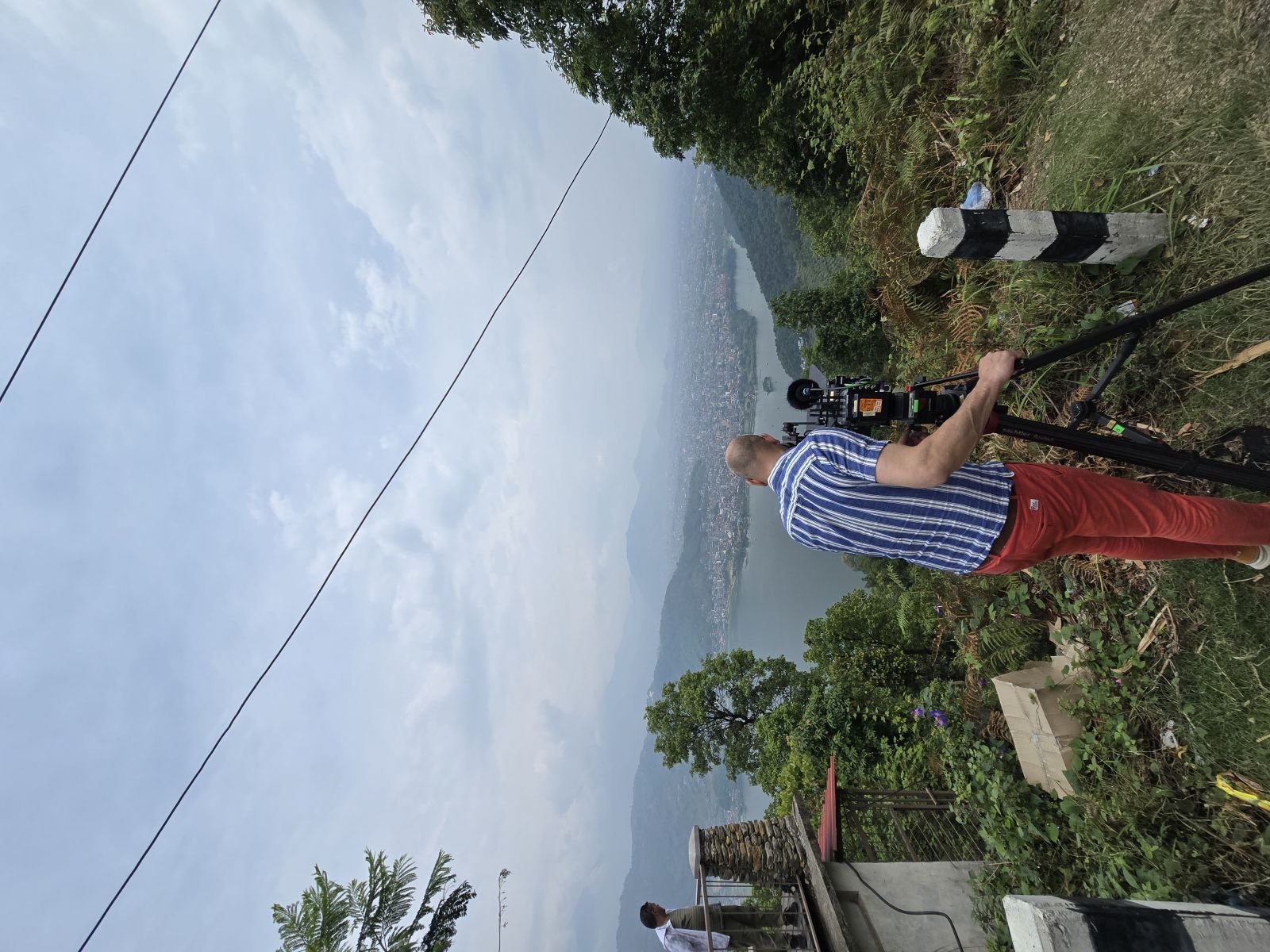
Artificial lighting raises several concerns at heritage locations. Heat, brightness, and proximity to old surfaces, painted decoration, textiles, or artefacts can all be issues, and interiors are usually more restrictive than exteriors. Some sites limit or prohibit additional lighting entirely, particularly near delicate objects or in active worship areas where strong light would be intrusive. Cabling and stands for lighting also add to your footprint and introduce trip and contact risks in busy spaces. We help you plan lighting approaches that lean on available and natural light where possible, and to prepare a clear, minimal lighting proposal where supplementary light is genuinely needed, so the custodian understands exactly what will be used and where.
Sound has two dimensions. Recording sound is rarely a problem in itself, but playback, amplification, or any staged audio can be, especially near worship, meditation, or quiet heritage interiors. Introducing music, dialogue playback, or amplified sound into a sacred space can be deeply inappropriate, and custodians are right to scrutinise it. Equally, your production needs to account for the site's own soundscape: bells, chanting, crowds, and ambient life are part of a living heritage location and may affect your recording plans. We help you think through both directions so your sound plan is realistic and respectful.
Timing interacts with both. Early morning or off-peak windows can reduce the impact of lighting and sound on visitors and worshippers, and custodians often prefer them. Planning your more sensitive setups for quieter periods is frequently the key to getting them approved at all.
As with all site conditions, the specific lighting and sound rules for any heritage location are set by its custodian and confirmed during your review. Our role is to help you propose the least intrusive approach that still serves your creative intent, and to document it clearly so there are no surprises on the day.
Drones over heritage sites
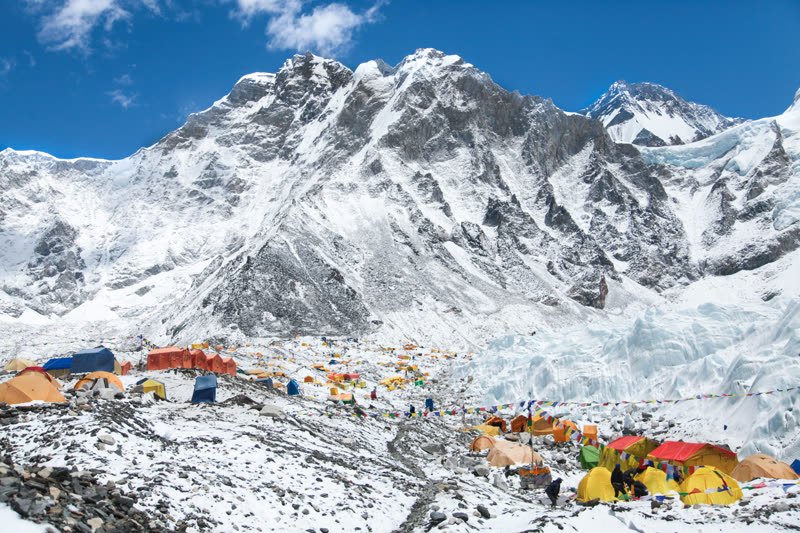
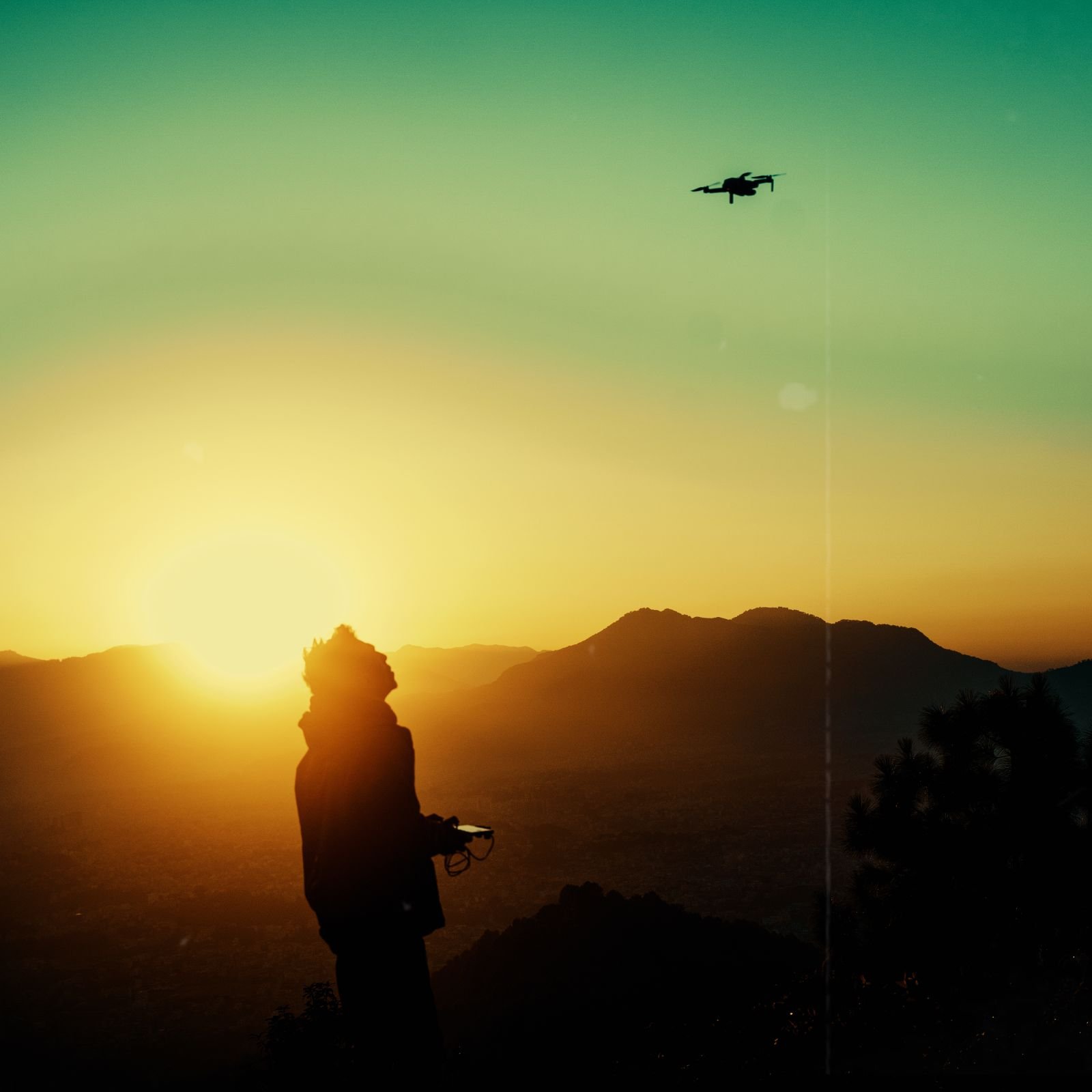
Aerial filming over heritage locations is one of the most tightly considered activities a production can propose, and it should never be assumed. A drone shot over a temple square or a stupa can be spectacular, but it sits at the intersection of several distinct permission layers, and each of them can independently prevent the flight.
First, drone operation in Nepal involves its own considerations that are separate from your main production permission and from heritage site consent. Whether a flight is permissible at all depends on airspace, location, proximity to sensitive infrastructure, and the applicable rules, and none of that is something we can promise. Second, heritage sites frequently sit within areas where aerial activity is especially sensitive, whether for reasons of cultural respect, crowd safety below, or the protected status of the site. Third, the site custodian may object to overflight even where other layers might otherwise allow it, because a drone over a sacred or historic space can be intrusive regardless of technical permissibility.
Because of this stacking, we treat heritage drone plans as a distinct workstream that must be planned early and confirmed independently. We help you document the aircraft, the intended flight area, the purpose of the shot, and the safeguards you propose, so that when the relevant permissions are explored the request is complete and specific. We also help you understand that a heritage location may permit ground filming while refusing aerial filming entirely, and that these are separate decisions.
Just as importantly, we help you prepare non-drone alternatives so a refused or unconfirmed flight does not cost you the shot. Elevated positions, existing high vantage points, long lenses, or ground-based equivalents can often deliver much of the intended effect without the aerial permission burden. Building these alternatives into your plan from the start protects your schedule and your creative goals.
We never promise drone permission, drone timing, or airspace access for heritage locations. What we provide is careful preparation, honest sequencing, and realistic alternatives, so that aerial ambitions are pursued through the proper channels and your production is not left exposed if a flight cannot be confirmed.
Physical restrictions and site protection
Heritage custodians are, above all, responsible for the physical preservation of their sites, and many of the conditions you will encounter exist to protect the fabric of the place. Understanding the common categories of physical restriction helps you plan compositions that are achievable rather than compositions that will be refused on the day.
Contact and proximity restrictions are widespread. Many sites prohibit touching, leaning equipment against, or placing loads on carved surfaces, painted decoration, statues, or structural elements. Areas that are structurally fragile, recently restored, or particularly valuable may be entirely off limits to crew and gear. Wheeled equipment on old stone, or heavy stands near delicate features, are common points of concern.
Access restrictions define where crew may and may not go. Interiors, inner sanctums, restricted courtyards, and areas reserved for worshippers or particular groups may be closed to filming altogether, or open only under close supervision and with limits on who enters. The line between public exterior space and protected or sacred interior is one a production must respect precisely.
Movement and staging restrictions govern what you may set up. Building temporary structures, moving objects, rearranging a space, or dressing a set within a heritage site is often not permitted, or requires specific additional consent. Even placing marks on the ground or running cable across a courtyard can be restricted.
Capacity and duration limits protect the site and its users. Custodians may cap how many people can be present, how long you may occupy a space, and at what times, particularly where the public and worshippers need continued access.
We help you gather and document these considerations per location so your creative plan is grounded in what each site can actually accommodate. We do not set the restrictions, and we cannot secure exceptions to them; those are the custodian's to define and are confirmed during your review. Our value is in surfacing the likely constraints early, so that your shot list, blocking, and equipment choices are designed around them from the beginning rather than being redrawn under pressure on the shoot day.

Respectful filming and cultural protocol
Beyond the formal permissions, heritage filming in Nepal succeeds or fails on conduct. Many heritage sites are living cultural and religious spaces, and the way a crew behaves is watched closely by custodians, worshippers, and the surrounding community. Respectful filming is not only the right thing to do; it is also, in very practical terms, what keeps access open and what makes custodians willing to work with productions again.
Dress and behaviour matter. Modest, appropriate dress, quiet and orderly conduct, and visible sensitivity to worshippers and rituals all signal that a crew understands where it is. Filming should never obstruct worship, block access, or treat people at prayer as background props without regard for their dignity. Where a ceremony is underway, the default posture is deference: pause, step back, and film only what is clearly welcome.
Consent extends to people as well as places. Individuals who appear prominently, and especially anyone being interviewed or featured, deserve to understand what you are doing and to agree to it. Local coordination helps here, because a local team can explain your intentions in the right language and register, and can read a situation that a visiting crew might misjudge.
Sacred objects and spaces call for particular care. Pointing cameras at certain objects, entering certain areas, or filming certain rituals may be unwelcome even where general filming is allowed. When in doubt, the correct instinct is to ask the custodian rather than to proceed and apologise later. A single insensitive act can end a shoot and damage the standing of future productions at that site.
We help productions prepare for this dimension by building cultural protocol into the plan, not treating it as an afterthought. That includes briefing on conduct, arranging local coordination and, where useful, a liaison who can guide the crew on the ground and communicate with custodians in real time. It also includes honest advice about creative ideas that may be culturally inappropriate, so they can be reconsidered before they cause offence.
Respect is not a constraint on good heritage filming; it is the foundation of it. Productions that lead with respect consistently find that more becomes possible, not less.
Local coordination and liaison on heritage shoots
A capable local coordinator is arguably more valuable on a heritage shoot than on almost any other kind of production, because heritage filming lives at the intersection of paperwork, relationships, language, and on-the-ground judgement. A visiting production, however experienced, cannot easily read the custodian dynamics of a temple committee or anticipate how a particular community feels about cameras. Local coordination bridges that gap.
On the preparation side, local coordination helps identify the right custodian for each site, opens the initial conversation in the appropriate way, and gathers the site-specific conditions that shape your plan. Much of the heritage permission process is relational rather than purely procedural, and a coordinator who can approach a custodian respectfully, explain the production honestly, and answer questions credibly is a genuine asset. This is preparation and communication support, not a guarantee of access; the custodian still decides.
On the shoot day, a liaison who accompanies the crew can be decisive. They can interpret between the crew and the custodian, ensure that agreed conditions are actually followed, spot a developing sensitivity before it becomes a problem, and handle the small negotiations that inevitably arise when a real space meets a real shot list. If a custodian raises a concern mid-shoot, having someone who can address it calmly and in the right language often preserves access that would otherwise be lost.
Local coordination also protects the relationship for the future. Custodians remember how crews behaved, and a well-run heritage shoot mediated by a respectful local team makes the next production's job easier. Conversely, a shoot that ignored conditions or caused offence can close a site to filming for a long time.
Our role is to help you organise this coordination as part of your overall preparation, and to make sure the coordinator and liaison have the location-specific information they need to be effective. We are candid that coordination improves your odds and your conduct but cannot compel a custodian to say yes or dictate their timing. The value is real but it is support, not control, and we describe it that way so your expectations are grounded.
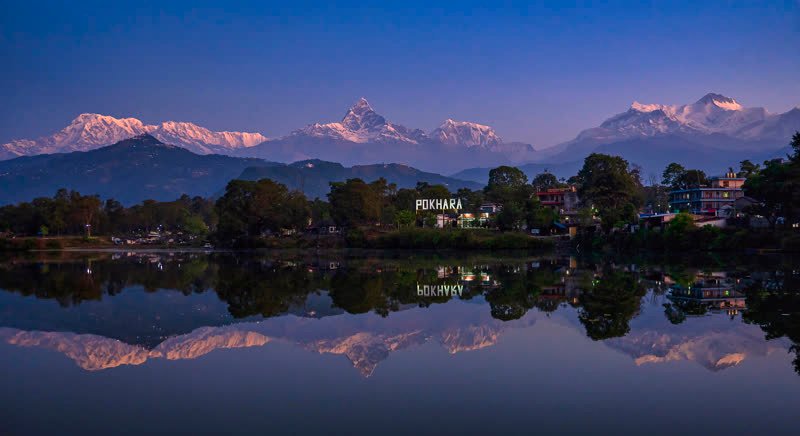
How a heritage location review works with us
Our heritage location review follows a structured path designed to turn an ambitious set of locations into an organised, defensible plan. It begins with your brief and moves through mapping, preparation, and coordination, with clear points where regulatory facts are checked rather than assumed.
The first stage is intake. You send us your intended heritage locations, your shoot dates or date range, your crew size, your equipment list, and a clear description of what you want to film at each site and why. The more specific you are about camera positions, activity, and creative intent, the more useful the review. From this we build an initial map of each location's likely category and custodian layers.
The second stage is location-by-location analysis. For each site we identify the plausible authorities and custodians, the probable restrictions given your proposed activity, and the documentation that a request would need. We flag the site-specific facts that must be confirmed against current official sources or direct enquiry, so nothing rests on assumption. This is where we surface the hard questions early: the interior that may be closed, the drone shot that may not be possible, the crew number that may need to shrink.
The third stage is preparation. We help you assemble the documents and location-specific summaries each custodian will want to see, in a consistent and complete form, and we help you organise the sequence in which permissions are approached so that dependencies are respected. We also help you build contingencies, including alternative compositions or locations where a site's answer is uncertain.
The fourth stage is coordination support. We help arrange the local coordination and liaison that heritage shoots benefit from, and we help you keep track of which permissions are confirmed, which are pending, and which conditions attach to each.
Throughout, we are explicit about what we control and what we do not. We prepare, organise, map, and coordinate. We do not issue permits, guarantee approval, promise timing, or secure access, because those outcomes rest with the authorities and custodians. Our work makes your engagement with them as strong and as clear as it can be, which is the most any support service can honestly offer.
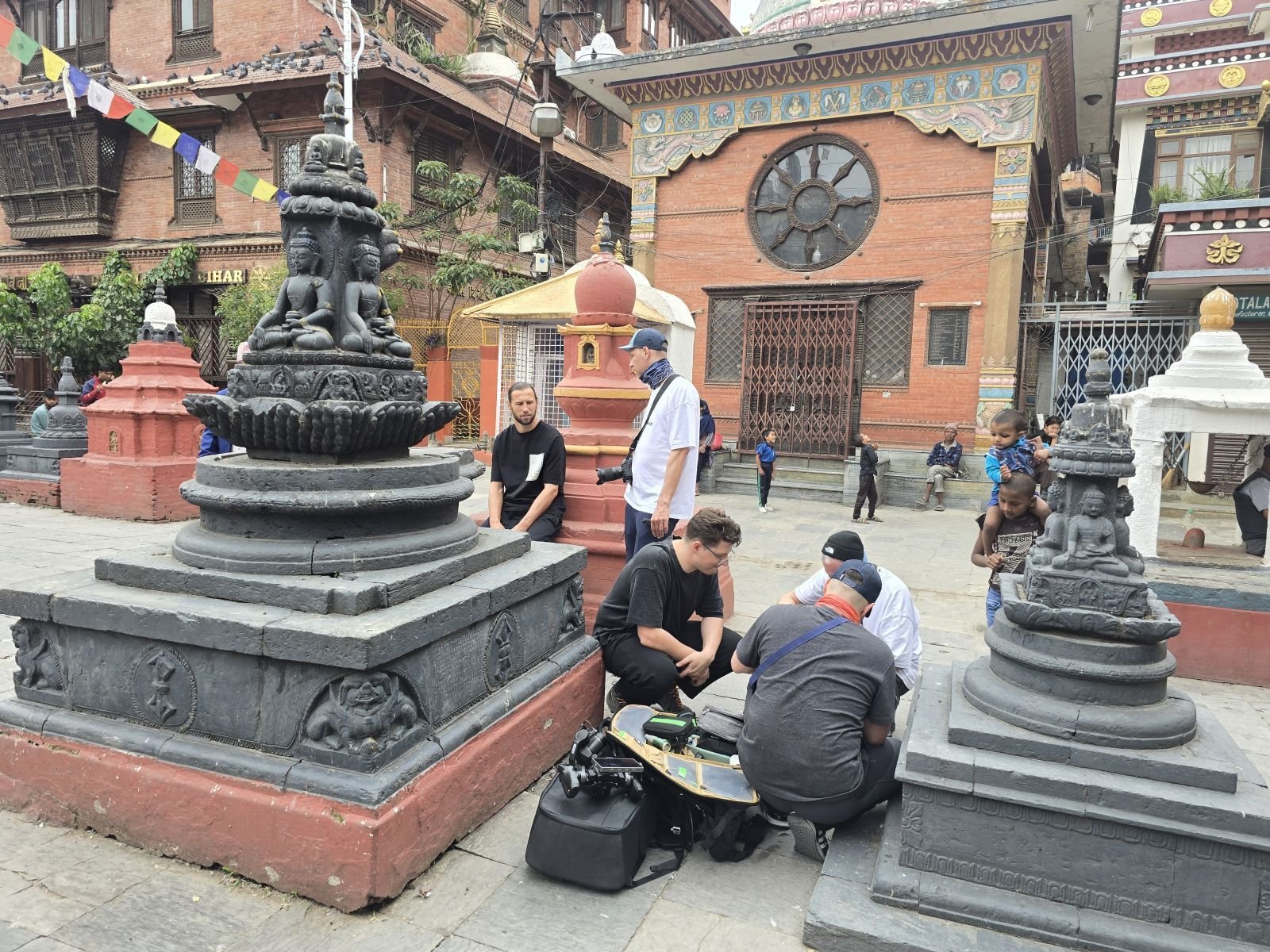
Planning your schedule around heritage dependencies
Heritage locations introduce dependencies that must be respected when you build your shooting schedule, and productions that plan around them avoid the most common and most painful delays. Because heritage permission is layered and site-specific, it does not compress well, and treating it as a last-minute formality is the surest way to lose a location.
The first dependency is sequence. Site consent usually relates to your main production permission, and custodian conversations are strongest when your project's overall legitimacy is already established. This means heritage approaches are rarely the very first thing you do, but they must begin early enough that a slow or uncertain custodian response does not collide with your shoot dates. We help you order these steps so each depends only on what genuinely precedes it.
The second dependency is the custodian's own rhythm. Committees meet on their own schedule, custodians consult among themselves, and sacred calendars, festivals, and daily worship all shape when filming is welcome. A site may be entirely unavailable during a festival period, or accessible only at particular hours. We help you align your intended dates with the realities of each site, and we flag where your preferred window may clash with observances or closures. The specific dates and calendars are confirmed during your review rather than assumed.
The third dependency is contingency. Because any single heritage location can decline, restrict, or delay, a heritage-heavy schedule needs built-in flexibility: alternative locations, alternative compositions, and buffer time. Productions that schedule heritage sites back to back with no slack are the most exposed. We help you identify where to place buffers and substitutes so that one location's difficulty does not cascade through your whole plan.
We are careful never to promise a timeline. We do not know, and cannot commit to, how long any custodian or authority will take, and we say so plainly. What we offer is a dependency-aware plan that reduces avoidable risk: early starts on the slowest layers, realistic date alignment, and contingencies where uncertainty is highest. That planning discipline is often worth as much to a heritage production as the documents themselves, because it converts an unpredictable process into one you have actively prepared for.
What this service includes and does not include
Clarity about scope protects both sides, so we state plainly what our heritage filming support covers and what it does not. This is a private preparation and coordination service, and its value lies in organisation, mapping, and readiness, not in any authority to approve.
What we include is structured. We help you classify each heritage location and map its likely custodian layers. We help you understand the probable restrictions on crew, equipment, lighting, sound, and access for your specific activity. We help you prepare the documents and location-specific summaries that custodians and authorities typically want, in a complete and consistent form. We help you sequence your permission approaches around their dependencies, and we help you build contingencies. We help you arrange local coordination and liaison. And we flag every regulatory fact that must be confirmed against current official sources so your plan rests on checked information rather than assumption.
What we exclude is equally important. We do not issue permits or grant any permission, because we are not a government body or a site custodian. We do not guarantee that any heritage location will approve your shoot, nor that access will be granted on your preferred dates, because those decisions belong to the custodians and authorities. We do not promise timing, drone permission, or airspace access. We do not assert a single named issuing authority as settled fact for your sites, and we do not quote fixed official fees or durations, because those depend on your locations and activities and change over time. We do not handle customs clearance or equipment import as part of this heritage location service, though we can point you to the relevant considerations. And we do not act on your behalf to make binding commitments to authorities without your instruction and involvement.
This boundary is not a limitation we are apologising for; it is the honest shape of legitimate support. A service that promised guaranteed heritage access or fixed timelines would be misleading you. What we can genuinely promise is thorough preparation, accurate mapping, respectful coordination, and candid advice, delivered by people who understand how heritage filming actually works on the ground in Nepal.
- Included: heritage location classification and custodian mapping
- Included: preparation of documents and site-specific summaries
- Included: guidance on crew, equipment, lighting, sound, and access restrictions
- Included: dependency-aware scheduling and contingency planning
- Included: arrangement of local coordination and liaison
- Excluded: issuing permits or granting any permission
- Excluded: guarantees of approval, access, or timing
- Excluded: fixed fee or timeline quotes and a single named issuing authority asserted as fact
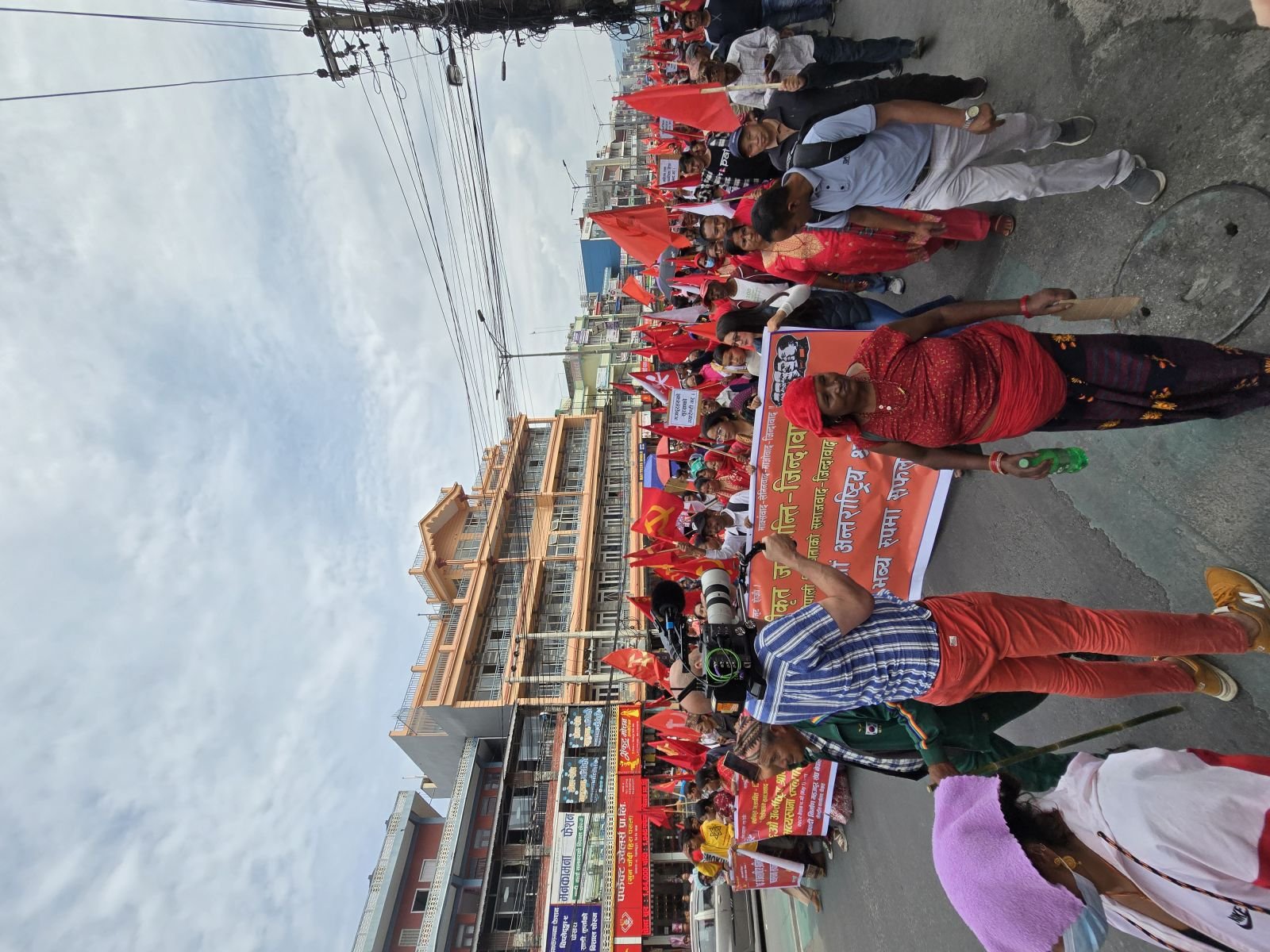
Common mistakes productions make at heritage sites
Certain mistakes recur again and again on heritage productions, and almost all of them are avoidable with early, honest preparation. Recognising them in advance is one of the cheapest forms of insurance a production can buy.
The most frequent mistake is treating heritage sites as ordinary locations covered entirely by the main production permission. Productions arrive expecting to film and discover that the custodian who controls the gate was never approached, and that the main permission does not, by itself, unlock the site. The fix is to map the custodian layer for every heritage location at the planning stage.
A second common mistake is underestimating footprint. Crews arrive larger than described, with more equipment than the custodian expected, and lose trust immediately. Honest crew numbers and a location-matched equipment list prevent this. Related to it is the mistake of bringing a full standard rig to a delicate interior; a stripped-down heritage configuration should be planned deliberately.
Third is assuming drone shots will be available. Aerial filming over heritage sites stacks several permission layers and can be refused at any of them. Productions that build a sequence around a drone shot with no ground-based alternative are gambling with their schedule. Plan alternatives from the outset.
Fourth is ignoring cultural calendars and daily worship. A site may be unavailable during a festival or accessible only at certain hours, and productions that lock dates without checking these rhythms find themselves blocked. Align dates with each site's realities early.
Fifth is neglecting conduct and consent. Crews that behave insensitively, film sacred objects or rituals without care, or treat worshippers as props can end a shoot instantly and damage access for future productions. Cultural protocol should be briefed and taken seriously.
Sixth is leaving no contingency. Because any heritage location can decline or restrict, a schedule with no buffers and no alternatives is fragile. Build slack and substitutes into the plan.
Seventh is relying on assumptions about fees, authorities, or timelines rather than confirming them. Heritage specifics vary by site and change over time, and a plan built on last season's assumptions can unravel. Confirm the site-specific facts during preparation.
We help productions avoid every one of these by design. None of them requires special access or influence to prevent; they require only foresight, honesty, and a willingness to prepare properly, which is exactly what our review is built to provide.
An illustrative heritage filming scenario
The following scenario is an illustration only. It is not a real client, and it invents no specific fees, authorities, or timelines. Its purpose is to show how the pieces described on this page fit together in practice.
Imagine a foreign documentary team that wants to film across three heritage locations: a historic square with several temples in active daily use, a hillside stupa, and the interior courtyard of a former palace that now operates partly as a heritage attraction. Their creative plan includes observational filming of daily life in the square, a contemplative sequence at the stupa, an interview with a local cultural figure in the palace courtyard, and, ideally, an aerial establishing shot over the square.
In the mapping stage, each location resolves differently. The square is living heritage under a broad framework with strong community and custodian involvement, so the team plans a small crew, lightweight handheld equipment, early-morning timing to respect worshippers, and careful conduct around any ceremonies. The stupa is a sacred site where the team anticipates restrictions on where cameras may point and a firm no on anything intrusive, so they plan a minimal, quiet setup and prepare to defer to the custodian. The palace courtyard has a clearer managing point of contact, so the interview is planned there with attention to interior rules on tripods and lighting.
The drone shot is treated as a separate, uncertain workstream. Recognising that aerial filming over a busy heritage square stacks several permission layers and may not be possible, the team prepares a ground-based alternative from an existing high vantage point and a long-lens option, so the sequence survives even if the flight is not confirmed.
The schedule is built around dependencies. Heritage approaches begin once the project's overall standing is established, dates are checked against local calendars to avoid a festival period, and buffers are placed between the three sites so that difficulty at one does not derail the others. A local liaison accompanies the crew to interpret, uphold agreed conditions, and manage any concern that arises on the day.
The point of the illustration is not that everything is granted. Some elements might be restricted or refused, and the drone shot in particular is never assumed. The point is that a well-prepared team, working location by location with honest footprints, respectful conduct, confirmed facts, and built-in contingencies, is in the strongest possible position, whatever each custodian ultimately decides.
| Consideration | Why it matters at heritage sites | What we help you prepare | What is confirmed during review |
|---|---|---|---|
| Heritage category | Determines the likely custodian layer and level of restriction | A classification for each location and a matched approach | The actual protective status of each specific site |
| Custodian and authority | The party that controls access may differ from the main permission body | A map of plausible authorities and on-the-ground custodians per site | Which authority or custodian applies to your exact locations |
| Activity description | Small differences in what you film change what a custodian will allow | A concise, site-specific summary of your intended activity | Whether the described activity is acceptable at that site |
| Crew size | Larger crews raise disruption and physical-impact concerns | An honest headcount and a reduced on-site option where useful | Any crew-number limits the custodian sets |
| Equipment footprint | Heavy or wheeled gear can threaten delicate surfaces and space | A location-matched, lightest-viable equipment list | Equipment restrictions specific to each site |
| Lighting and sound | Heat, brightness, and amplified audio can harm fabric or intrude on worship | A minimal, clearly documented lighting and sound proposal | What lighting and sound the custodian permits |
| Drone or aerial | Aerial filming stacks separate permission layers and is easily refused | Aircraft and flight documentation plus non-drone alternatives | Whether any aerial activity is permissible for the site |
| Physical and access limits | Interiors, sacred areas, and fragile features are often off limits | Compositions planned around likely restrictions | Exact access and contact restrictions per location |
| Cultural protocol | Conduct and consent determine whether access stays open | A conduct briefing, consent approach, and liaison arrangement | Site-specific customs, calendars, and sensitivities |
| Schedule dependencies | Custodian rhythms and festivals shape when filming is possible | A dependency-aware sequence with buffers and contingencies | Available dates, closures, and observances for each site |
Heritage location planning matrix: what to prepare and confirm for each site. This shows how considerations map to preparation and to what must be verified, without quoting any fees, timelines, or a single named authority as fact.
What this includes
- Classification of each heritage location and mapping of its likely custodian and authority layers
- Location-by-location analysis of probable restrictions on crew, equipment, lighting, sound, and access for your specific activity
- Preparation of documents and concise, site-specific activity summaries for each custodian and authority
- Guidance on building a light, respectful footprint matched to each site
- Preparation of aerial filming documentation together with non-drone alternatives
- Dependency-aware scheduling, date alignment with local calendars, and contingency planning
- Arrangement of local coordination and on-the-day liaison support
- Clear flagging of every regulatory fact that must be confirmed against current official sources
- A consistent record of which permissions are confirmed, pending, or subject to conditions
What this does not include
- Issuing permits or granting any heritage permission (we are not a government office or a site custodian)
- Any guarantee that a heritage site will approve your shoot or grant access on your preferred dates
- Promises of timing, processing speed, drone permission, or airspace access
- Assertion of a single named issuing authority as settled fact for your locations
- Fixed or quoted official fees, charges, or durations
- Customs clearance, equipment import, or re-export handling as part of this heritage location service
- Making binding commitments to authorities or custodians without your instruction and involvement
- Securing exceptions to a custodian's physical, access, or conduct restrictions
Frequently asked questions
Usually not on its own. The main production permission tends to establish your project's overall legitimacy, but heritage locations typically add a separate, site-specific layer of consent tied to the custodian or managing body of that place. In practice you often need both: the main permission and the individual site agreement. Treating a heritage location as fully covered by the main permission is one of the most common reasons productions are turned away at the gate. We help you map both layers for each location so nothing is assumed.
It depends on the specific site, and that is an honest answer rather than an evasive one. Heritage locations can involve a broad heritage framework, a local or municipal body, and an on-the-ground custodian such as a temple committee, trust, or community organisation, sometimes all at once. The party that decides whether you actually film is frequently the custodian who controls access, not a distant office. We help you identify the plausible layers for each location, and which authority or custodian applies is confirmed against current official sources and direct enquiry during your review.
No, and any service that promises this is not being straight with you. The decision rests with the site's custodian or the relevant authority, and it depends on your activity, footprint, dates, and their own considerations. What we can do is put you in the strongest possible position: a complete, accurate, respectful, location-specific request directed to the right custodian, with an honest crew and equipment footprint. That preparation genuinely improves your odds, but it cannot compel a yes, and we describe our role in exactly those terms.
Considerably. Heritage spaces are often compact, delicate, or in active use, and custodians weigh your physical impact heavily. A smaller, disciplined crew is far easier to accommodate than a large one, because it means less movement, less risk to surfaces and objects, and less disruption to worshippers and visitors. We help you present an honest headcount and, where useful, plan a reduced on-site team that keeps only essential personnel inside the sensitive area. The specific limits are set by the custodian and confirmed during your review.
Sometimes, but never assume it. Aerial filming over heritage locations stacks several separate permission layers: the rules governing drone operation generally, the heightened sensitivity of heritage areas, and the custodian's own view of overflight. Any one of these can prevent a flight, and a site may allow ground filming while refusing aerial filming entirely. We help you prepare proper aerial documentation and pursue the correct channels, but we never promise drone permission, timing, or airspace access. Crucially, we also help you prepare non-drone alternatives so a shot is not lost if a flight cannot be confirmed.
Expect heritage sites to be cautious about both. Additional lighting raises concerns about heat, brightness, and proximity to delicate surfaces, decoration, and artefacts, and interiors are usually more restrictive than exteriors; some sites limit or prohibit extra lighting entirely. Amplified sound, playback, or staged audio can be inappropriate near worship or quiet heritage interiors, even though recording ambient sound is often fine. We help you propose the least intrusive approach that still serves your creative intent, and the exact conditions are set by each custodian and confirmed during your review.
Interior access is one of the most restricted aspects of heritage filming. Inner sanctums, restricted courtyards, museum interiors, and areas reserved for worshippers may be closed to filming or open only under close supervision, and pointing a camera at certain objects or rituals may be unwelcome even where general filming is allowed. The safe instinct is always to ask the custodian rather than proceed and apologise. We help you plan compositions around likely interior restrictions, and the precise access rules for each site are confirmed during preparation.
As early as you realistically can, because heritage permission is layered, site-specific, and does not compress well. Site approaches are strongest once your project's overall standing is established, but they must begin early enough that a slow or uncertain custodian response does not collide with your shoot dates. Custodian committees meet on their own schedules, and festivals or daily worship can affect availability. We help you sequence approaches around their dependencies and build in buffers, but we never promise a timeline, because the pace rests with the authorities and custodians.
We help you understand that charges may apply and we help you prepare for the process, but we do not quote fixed official fees, because heritage charges vary by site and activity and change over time. Any specific amounts are confirmed against current official sources during your review rather than assumed. We are deliberately careful here: presenting a confident but outdated fee figure would mislead your budgeting. What we provide is a clear picture of which cost categories may arise for your particular locations so you can plan realistically and verify the actual figures.
Because heritage permission does not generalise. Each site has its own custodian, its own sensitivities, its own history with filming, and its own view of what is appropriate, so a yes at one temple square tells you little about another. Building requests location by location means each is directed to the right custodian with an accurate description of your specific activity there, which is far more persuasive than a generic project overview. It also protects your schedule, because a problem at one site does not silently undermine the others and you retain flexibility to adjust.
In practical terms: modest and appropriate dress, quiet and orderly conduct, genuine sensitivity to worshippers and rituals, and a readiness to pause or step back when a ceremony is underway. It means never obstructing worship or access, never treating people at prayer as props without regard for their dignity, and seeking consent from individuals who are featured. Sacred objects and spaces call for particular care, and when in doubt you ask rather than assume. We build a conduct briefing and, where useful, a local liaison into your plan, because respectful behaviour is what keeps access open for you and for future productions.
This is precisely why we build contingency into every heritage plan. Because any single location can decline, restrict, or delay, a heritage-heavy schedule needs alternative locations, alternative compositions, and buffer time built in from the start. If a custodian declines, a well-prepared production shifts to a substitute or an alternative approach rather than losing the sequence. We help you identify these contingencies during preparation, and a local liaison on the day can sometimes address a developing concern before it becomes a refusal. We cannot prevent a refusal, but we can make sure it does not cascade through your whole schedule.
We help you arrange local coordination and on-the-day liaison, which is genuinely valuable at heritage locations. A liaison can interpret between your crew and the custodian, make sure agreed conditions are actually followed, spot a developing sensitivity early, and handle the small negotiations that arise when a real space meets a real shot list. This is support and communication, not control: the liaison cannot compel a custodian to grant anything, but their presence often preserves access that an unaccompanied visiting crew might inadvertently lose. We make sure they have the location-specific information they need to be effective.
No. Film Permits Nepal is an independent private production-support service based in Kathmandu. We do not issue permits and we hold no authority to grant heritage or any other permission. Our work is preparation, mapping, organisation, and coordination: helping you understand the layers, assemble complete and accurate documentation, approach the right custodians respectfully, and plan around dependencies. All decisions rest with the relevant authorities and custodians, and any regulatory specifics are confirmed against current official sources during your review. We are transparent about this boundary because it is the honest shape of legitimate support.