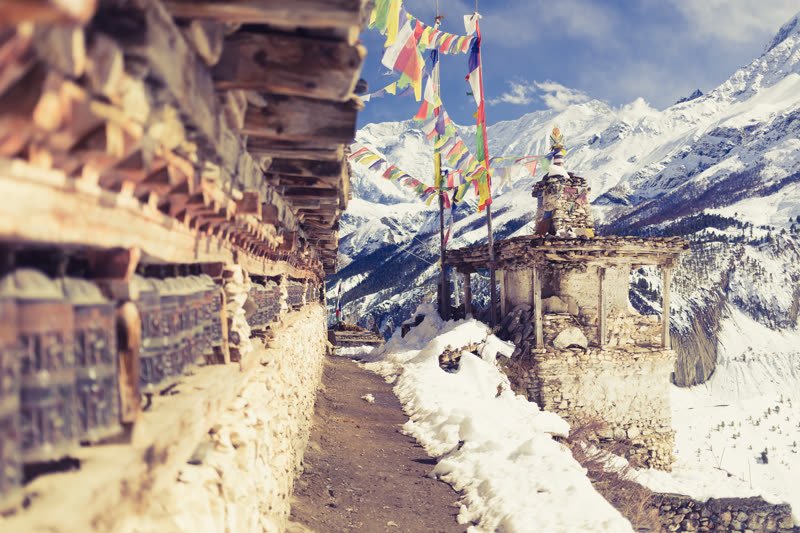
Location filming permissions in Nepal are a layer of consent that sits alongside, and separate from, the main filming approval a production arranges before it works in the country. Many international productions arrive assuming a single document opens every door. In practice, the right to be in a place with a camera usually depends on who controls that specific place. A public square, a private courtyard house, a heritage complex, a national park, a municipal street and a working temple are each governed by different custodians, and each may expect its own form of consent, notice, or coordination before you film.
Film Permits Nepal is an independent private production-support service based in Kathmandu. We are not a government office and we do not issue permits or location permissions ourselves. What we do is help foreign productions map their shortlist of locations to the permissions each one is likely to require, prepare the supporting documents cleanly, and coordinate the practical side so that access on the shoot day is as predictable as it can be.
This page explains how location permissions work as a category. It covers the difference between a main filming approval and site-level consent, the way public spaces, private property, heritage sites and protected areas are each handled, and the local coordination that municipalities, road authorities and communities often expect. It also sets out what a production should prepare, where the common mistakes happen, and how our review process turns a rough location list into a structured plan. Throughout, we describe general categories and typical practice rather than fixed rules, because the authority that applies and the exact requirements depend on your specific sites, dates and activities, and are confirmed against current official sources during your review.
Main filming approval versus location permission
The first distinction to understand is that a main filming approval and a location permission are two different things, and a production usually needs both. The main approval is the overarching consent that recognises your production as a legitimate filming activity in the country. It is arranged at a national level and generally covers the project as a whole: who you are, what you are making, and the broad scope of your work. Which authority handles that approval depends on your production type and activities, and is confirmed during your review rather than assumed here.
A location permission is narrower. It is the consent of whoever controls a particular place to have your camera, crew and equipment there on specific dates, doing specific things. The custodian of a heritage courtyard, the office responsible for a protected forest, a municipal ward, a private landlord and a temple management committee are all examples of location-level custodians. Each cares about its own site, not about your project in the abstract.
The two layers interact. A location custodian will often want to see that you already hold, or are in the process of arranging, the main filming approval before it grants site access. Conversely, the main approval does not automatically compel any custodian to let you in, and it does not override site-specific rules about crowds, structures, lighting or timing. Think of the main approval as the umbrella that establishes you are filming lawfully, and location permissions as the individual keys to each door.
Productions get into trouble when they collapse these two layers into one. A team that secures the main approval and then assumes every location is automatically cleared can arrive at a heritage gate or a park checkpoint and find that no site-level consent exists. Equally, a team that negotiates hard with a single landowner but never arranges the main approval has a place to stand and no recognised basis to film. Planning treats the two as parallel tracks that must both be complete before a location is genuinely ready. Our role is to keep both tracks visible for every site on your list so nothing is quietly assumed to be handled by the other.
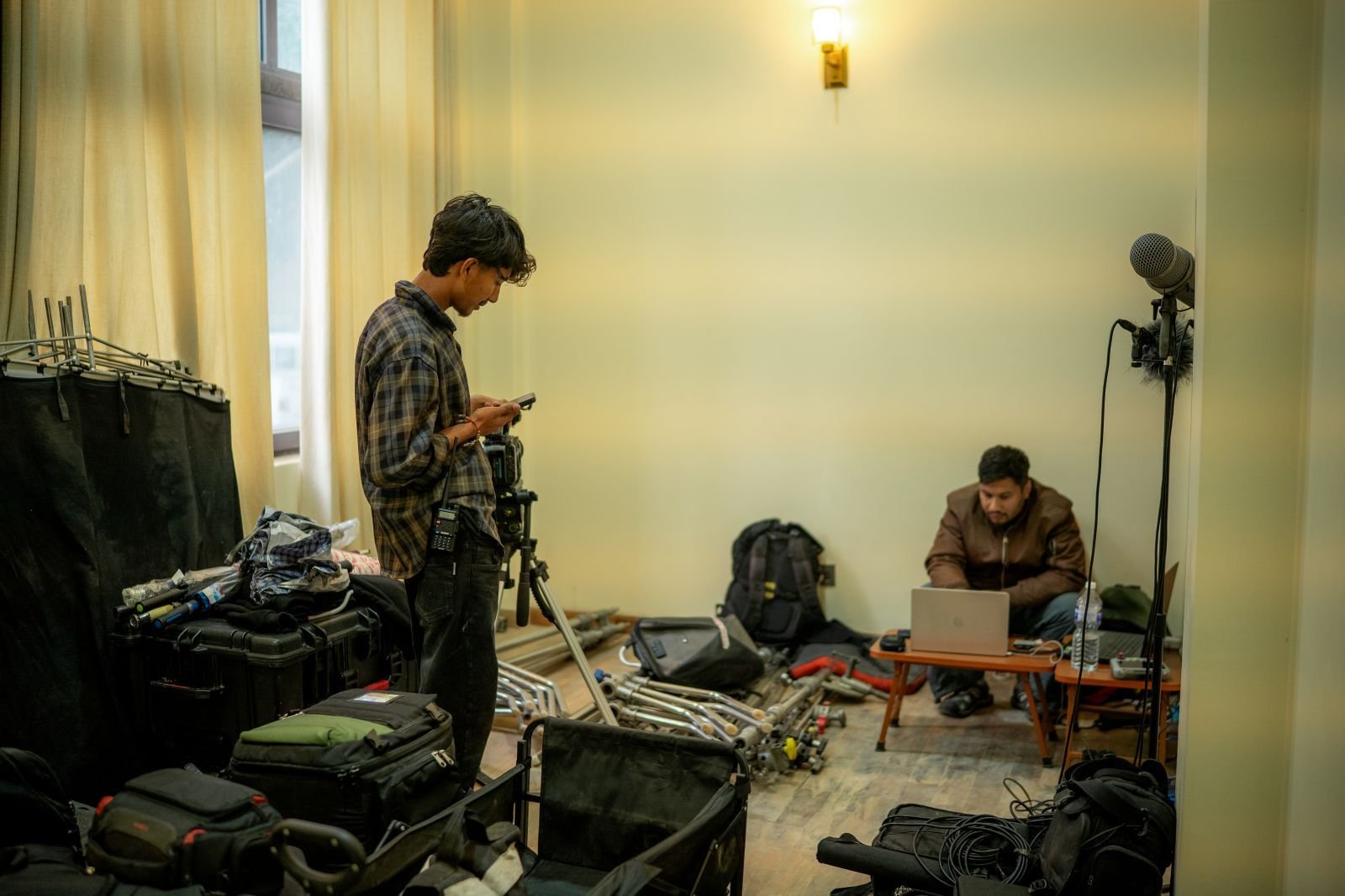
How location permissions are structured by custodian
Rather than memorising a list of rules, it helps to think about location permissions through a single question: who controls this specific place, and what would they reasonably want to know before letting a film crew work there. Almost every requirement flows from that. A custodian is responsible for a place and its condition, its visitors or residents, and often its cultural or environmental character. Your filming introduces people, equipment, time pressure and sometimes disruption, so the custodian wants enough information to decide whether that is acceptable and on what terms.
Custodians fall into recognisable groups. Public land and streets are typically overseen by municipal bodies and, where traffic is involved, by road and police coordination. Private property is controlled by its owner or tenant. Heritage places have designated custodians or management offices. Protected natural areas are administered by the office responsible for that park or reserve. Community spaces may be governed collectively through local committees rather than a single named owner. Religious sites usually sit with a temple, monastery or mosque committee.
For each group, the information they want tends to rhyme: who you are, what you are filming and why, how many people and how much equipment you will bring, how long you will occupy the space, what you intend to do that is out of the ordinary (crowds, staged action, lighting rigs, structures, drones, sound), and how you will leave the place as you found it. When you prepare a location with those questions answered in advance, most custodians can engage constructively.
This custodian-first framing is useful because Nepal's specific administrative arrangements can change, and the exact office that grants a given permission may vary by location and over time. What does not change is the underlying logic. If your production learns to profile each location by its custodian and to anticipate that custodian's concerns, it will prepare the right materials even before the precise procedure is confirmed. During your review we translate that general logic into the concrete steps and points of contact that apply to your particular sites, checked against current sources rather than stated as fixed fact here.
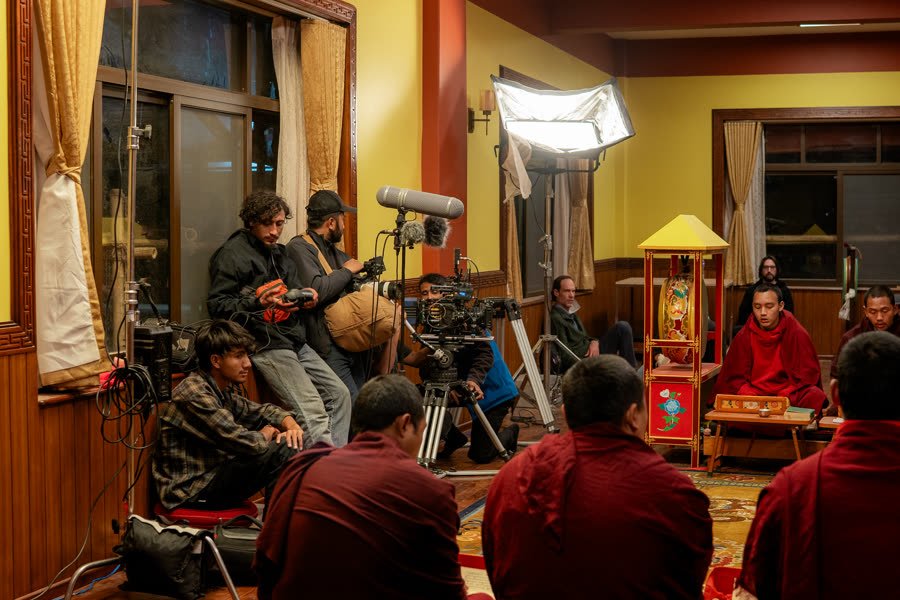
Public-space filming permissions
Public spaces are the locations most productions underestimate. A street, a square, a riverside ghat, a market lane, a public park or a viewpoint feels open and available precisely because the public uses it freely. That openness is the reason filming there needs coordination: you are proposing to occupy shared space, concentrate equipment, and possibly attract or manage crowds in a place other people rely on.
Public-space permission is usually a matter of coordinating with the municipal body responsible for the area, and, where your activity touches roads or vehicle movement, with traffic and police coordination as well. The heavier your footprint, the more coordination is prudent. A single operator with a handheld camera moving through a market is a very different proposition from a crew with a tripod, lights, a monitor village and a small support team stationed in one spot for hours. The second scenario occupies space, blocks sightlines and pedestrian flow, and can draw a crowd, all of which are exactly what a municipal authority wants to know about in advance.
Activities that raise the level of coordination include: staging any kind of action or performance, controlling or redirecting pedestrians, parking or moving production vehicles, running cables across walkways, using lighting after dark, generating amplified sound, and anything that temporarily changes how the public can use the space. Filming that simply observes ordinary life with a minimal footprint sits at the lighter end, though even that is safer with coordination when a location is busy or sensitive.
Productions should also plan for the human reality of public filming. Passers-by will appear in shots, onlookers will gather, and local vendors or residents may have views about a crew occupying their frontage. Good practice is to give advance notice where appropriate, keep the footprint tidy, and have a local coordinator present who can explain the production and manage goodwill on the ground. None of this replaces formal coordination with the responsible bodies; it complements it. Our review helps you separate the genuinely low-footprint public locations from the ones that need real municipal and traffic coordination, so effort goes where it matters and the shoot day is not derailed by a preventable objection.
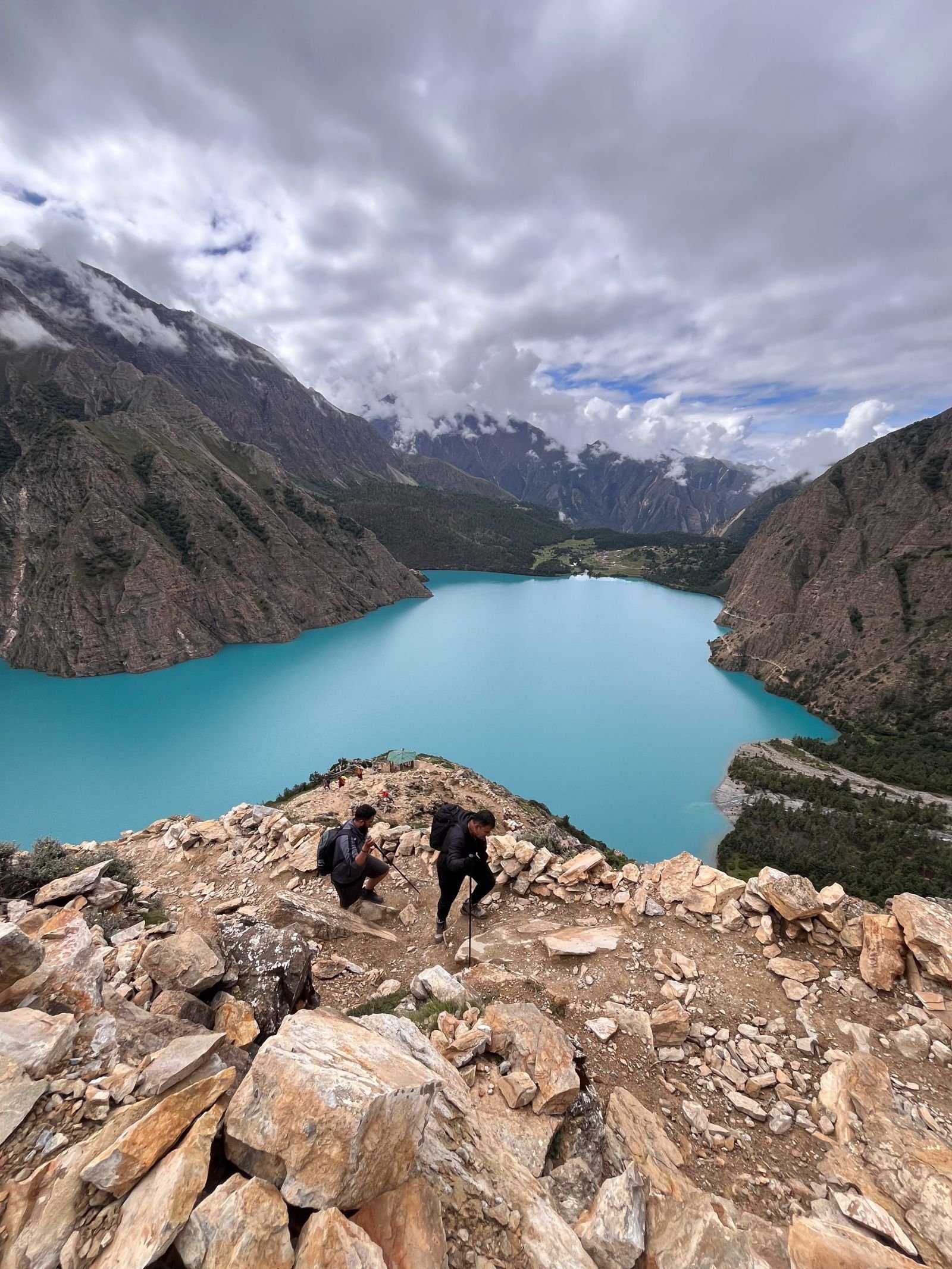
Private-property consent
When a location is privately owned, the governing requirement is the owner's consent, and the practical instrument is a location agreement. This applies to houses, courtyards, shops, hotels, rooftops, farmland, private compounds and any interior that is not public. Private consent is often the most straightforward category in principle, because there is a clear decision-maker, but it is also where productions are most casual, and casual arrangements cause disputes.
The person who can grant access is the person with the legal right to control the property, which is not always the person physically present. A caretaker, a tenant, a family member or a neighbour may welcome you in without actually having authority to do so. Traditional courtyard properties in older parts of the valley can have multiple households with shared rights over a common space, so consent from one household may not cover the whole courtyard. Establishing who genuinely controls the location, and getting consent from that party in writing, protects the production from a later objection that halts filming or the use of the footage.
A sound location agreement records the essentials: who is granting access, the exact spaces included, the dates and hours of access including preparation and wrap, what the production may do (including any temporary changes, power use, or noise), who is responsible for any damage, and how the footage may be used afterwards. Where money changes hands, the agreement should say so plainly. Where it does not, that should be clear too, so expectations do not drift.
Private consent also intersects with other layers. A private rooftop shoot that launches a drone brings in airspace considerations. A private compound used for a large crowd scene may still generate street impact that touches public coordination. A private heritage building may carry conservation obligations beyond the owner's preferences. So private consent is necessary but not always sufficient. Our review helps you secure clean, properly authorised private agreements and flags where a private location still triggers a second layer of permission, so a handshake at the gate does not turn into a problem in the edit.
Heritage-site filming permissions
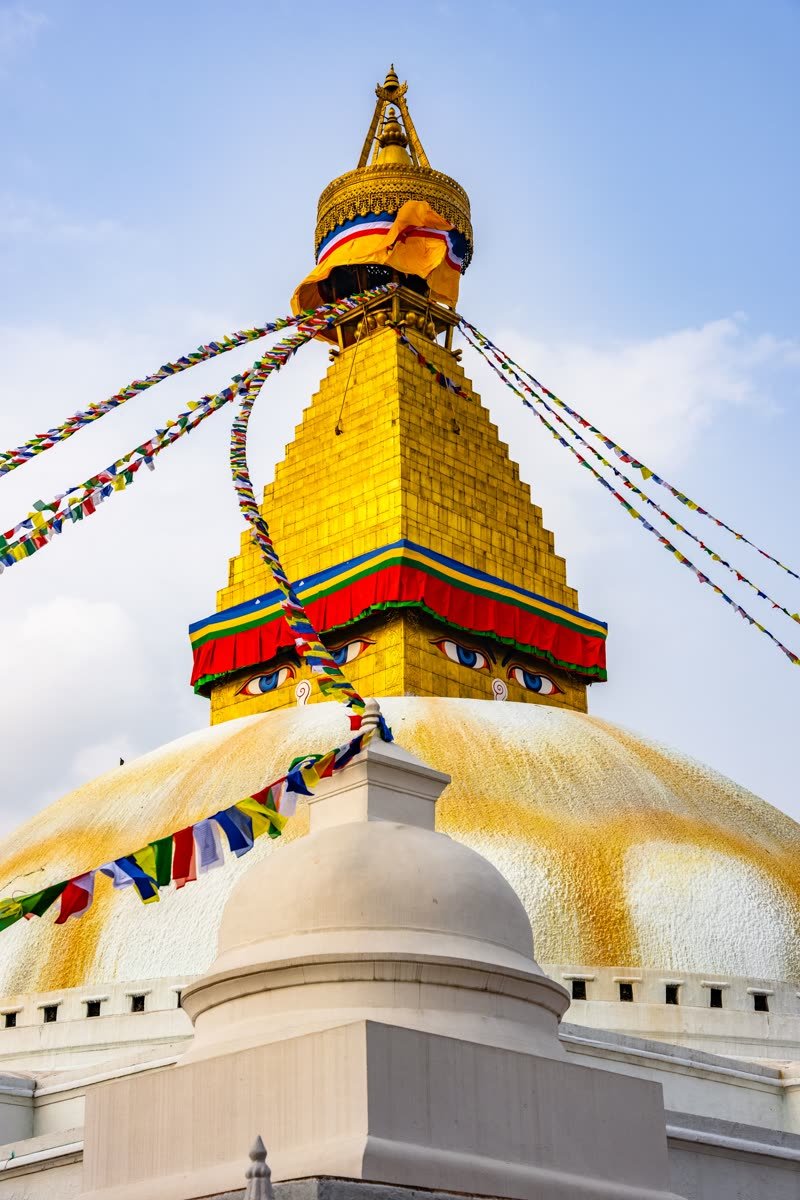
Heritage locations are among the most sought-after in Nepal and among the most carefully governed. Temples, palace complexes, historic squares, monuments and traditional urban fabric carry cultural, religious and conservation significance, and the bodies that look after them take that stewardship seriously. Filming at a heritage site is rarely a matter of simply turning up, even when the site is open to visitors, because the custodian is balancing your production against the site's preservation, its religious use and the experience of everyone else who is there.
Heritage sites typically have a designated custodian or management office, and sometimes more than one interested body where a site has both cultural and religious dimensions. Permission is generally location-specific: consent to film at one monument does not extend to another, and consent to photograph a courtyard may not include permission to bring in lighting rigs, build structures, or stage action. The custodian will usually want to understand your crew size, your equipment footprint, the duration of your presence, and anything that could affect the fabric of the site or the people using it.
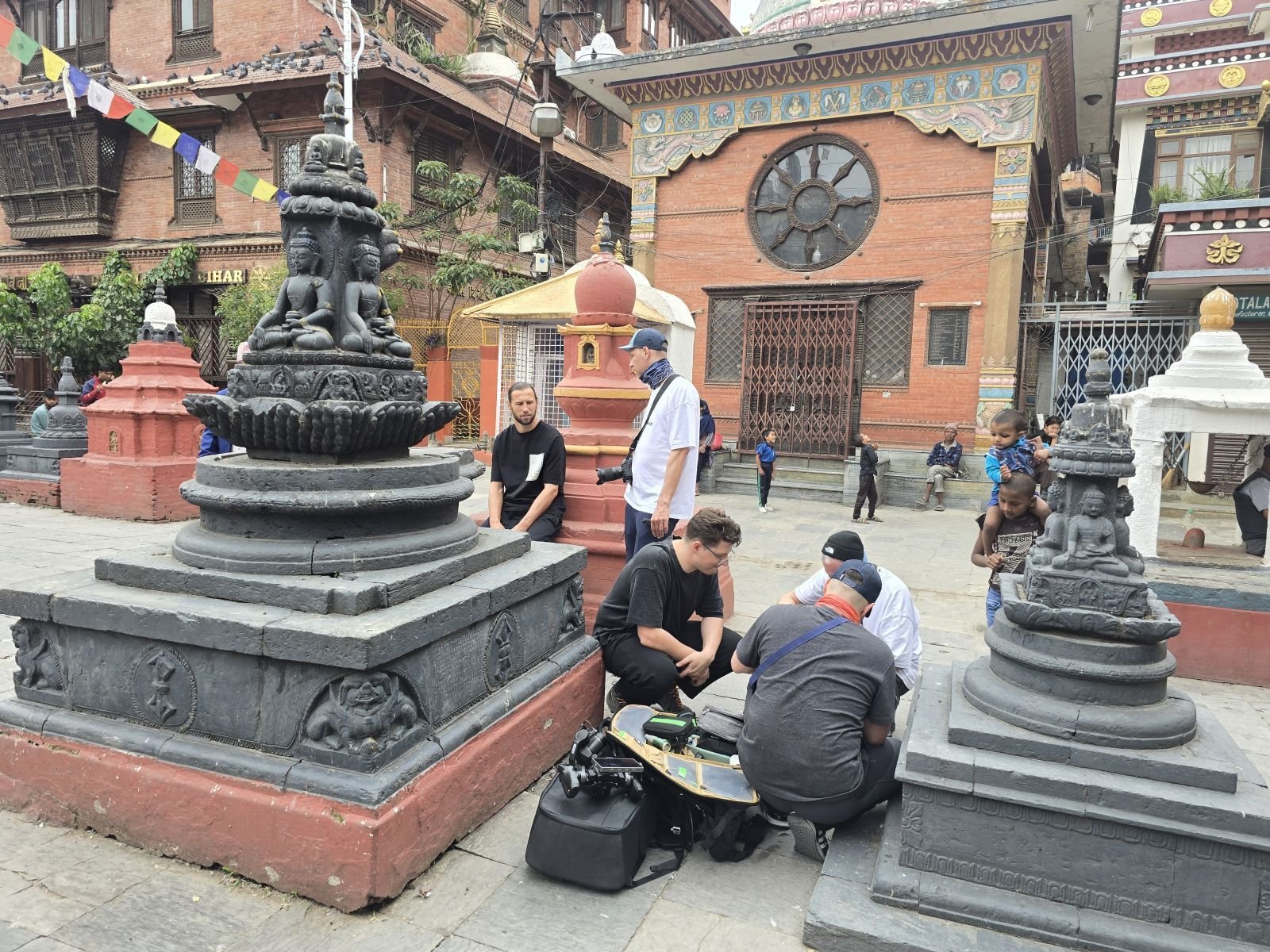
Common points of sensitivity at heritage locations include physical contact with or proximity to protected structures, the use of stands, rigs or heavy equipment that could mark or stress surfaces, artificial lighting, amplified sound, and drones. Many heritage places are also active religious sites, which layers cultural protocol on top of conservation: certain areas may be off-limits, certain times may be reserved for worship, and respectful conduct is expected of the whole crew. A production that arrives with a plan sympathetic to these concerns is far more likely to be welcomed than one that treats a living monument as an empty set.
Because heritage administration can involve specific offices and site-level rules that change, we do not assert a single authority or a fixed procedure here. What we do is help you identify the likely custodian for each heritage location on your list, prepare a respectful and detailed filming plan that answers a custodian's predictable concerns, and confirm the actual requirements against current sources during your review. The aim is a plan that protects the site, respects its users, and gives your production the access it needs.
Protected-area filming permissions
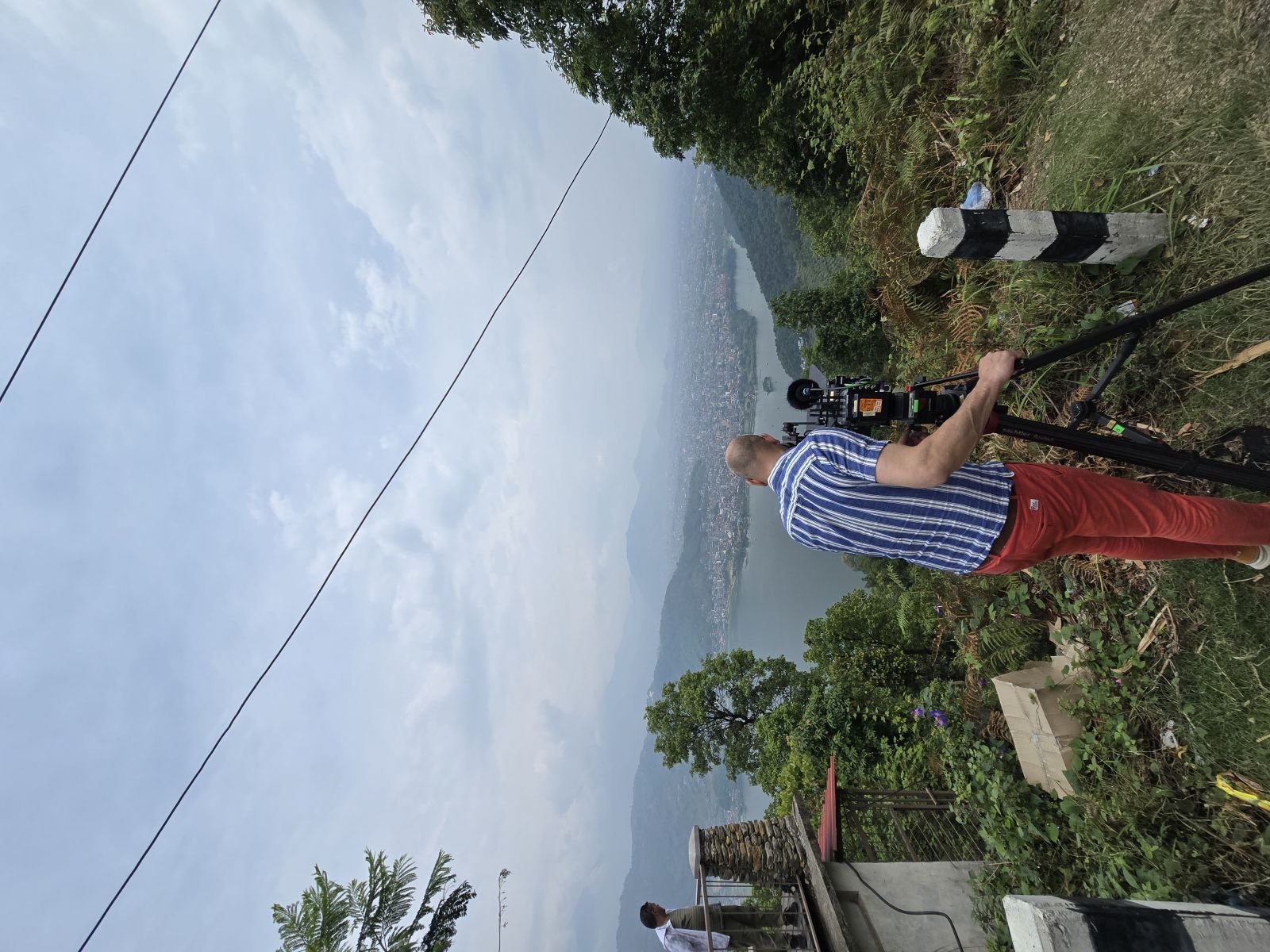
Nepal's national parks, wildlife reserves and conservation areas are a distinct permission category because they are administered under an environmental and conservation framework rather than a purely administrative one. These places exist to protect ecosystems, wildlife and, in conservation areas, the livelihoods of resident communities. A camera crew is welcome only on terms that keep those priorities first, so protected-area filming tends to involve its own location-specific application, its own conditions, and often a requirement for local guides or liaison.
The office responsible for a given park or reserve is generally the custodian for filming inside it. Permission there is separate from your main filming approval and separate from any private or community consent you may also need for land within or adjoining the protected area. The custodian will typically be concerned with where you intend to film, how you will move people and equipment, how close you will get to wildlife, whether you plan any activity that could disturb animals or habitat, and how you will avoid leaving a trace. Restrictions on off-trail movement, night activity, baiting or approaching wildlife, drones, and construction are common, though the specifics vary by area.
Seasonality matters more here than almost anywhere else. Wildlife behaviour, weather, water levels and access routes shift through the year, and a location that is straightforward in one season may be closed or impractical in another. Guide or liaison requirements also affect scheduling and logistics, because you may be depending on assigned personnel to accompany the crew. Entry and filming charges can apply, but we do not quote figures, because these are set by the responsible bodies and are confirmed against current official sources during your review.
Conservation areas add a community dimension. Because people live and work within them, coordination often runs through local institutions and community committees as well as the managing body. That means a protected-area shoot can require both an environmental permission and genuine community engagement. Our review helps you understand which protected areas your plan touches, what categories of safeguard and coordination each is likely to involve, and how the timing of your schedule interacts with seasonal and access realities, so the natural locations you want are approached responsibly and realistically.
Municipality and road coordination
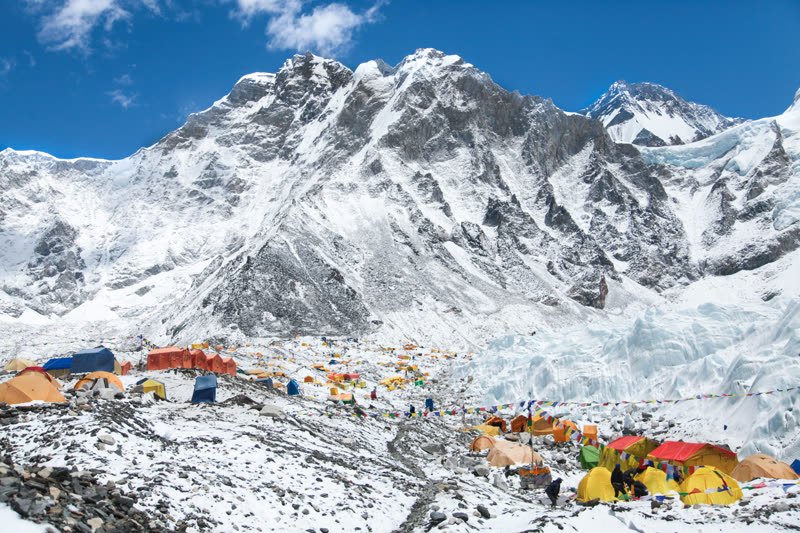
A large share of location work happens on or beside public roads, and roads bring a specific set of coordinating parties: the municipal body for the area, and traffic and police coordination where vehicle movement or public safety is affected. This coordination is easy to overlook because a street feels like a backdrop rather than a location, but the moment your production occupies road space, redirects traffic or pedestrians, parks vehicles, or stations a crew in a carriageway, you are proposing to affect how a public thoroughfare functions.
The scale of coordination scales with impact. Filming a character walking along a pavement with a compact crew is low impact. Positioning a camera car, tracking a vehicle, briefly holding traffic for a take, running a crowd scene across a junction, or laying track and cable across a road are high impact and require genuine advance arrangement. Night work adds lighting and noise considerations and a different set of neighbours to keep onside. Anything that could create a hazard, a bottleneck or a public-safety concern is exactly what traffic and police coordination exists to manage.
Municipal coordination is also about the wider footprint around a shoot: where support vehicles wait, where equipment is staged, how a unit occupies a stretch of frontage without blocking businesses or residents, and how the production restores the space afterwards. Municipalities are more receptive when a production comes with a clear plan, realistic timings, and evidence that it has thought about the people who use the area every day.
Because the exact division of responsibilities can vary between municipalities and can change, we describe this as a coordination relationship rather than a fixed procedure. During your review we help you identify which locations carry road or public-space impact, what level of coordination each is likely to need, and how to present your plan so the responsible bodies can say yes. Getting this right is often the difference between a shoot day that runs to schedule and one that is stopped, moved or truncated because a road-space issue was not arranged in advance. It is one of the most practical, and most frequently underestimated, parts of location work.
Community coordination
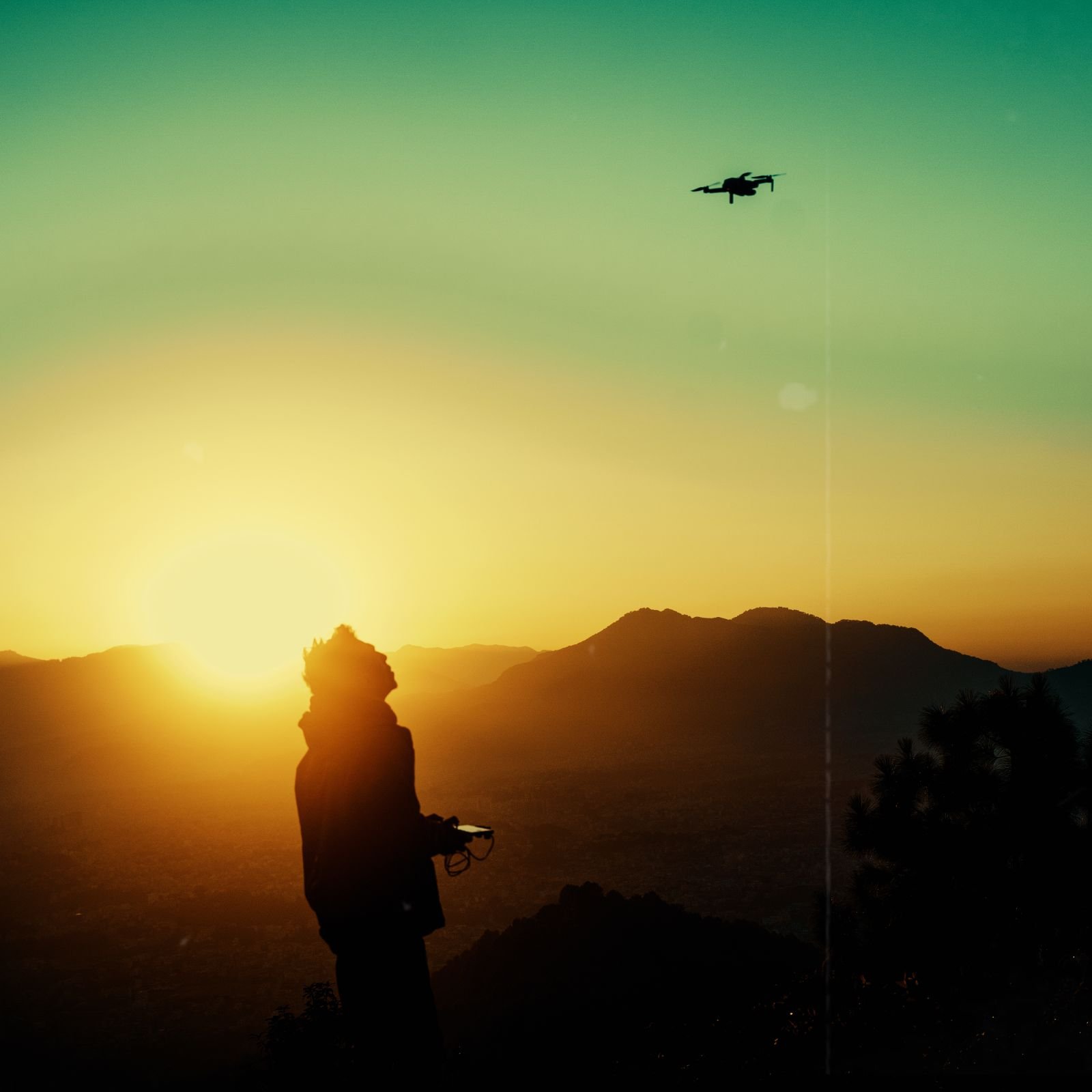
Some of the most rewarding locations in Nepal are governed less by a single owner or office and more by a community. Villages, conservation-area settlements, neighbourhood squares, festival grounds and shared traditional spaces often have collective stewardship, exercised through local committees, elders, ward representatives or user groups. Filming in these places is as much a matter of relationship and consent as it is of formal permission, and treating it purely as a paperwork exercise misreads how access actually works.
Community coordination means engaging with the people who live in and manage a place before you bring a crew into it. That engagement establishes who the decision-makers are, what the community is comfortable with, what times and activities are sensitive, and what benefit or courtesy the production can reasonably offer. It also surfaces practical intelligence you cannot get from a map: which household controls a courtyard, when a local ceremony will occupy the square, whether a path is passable for equipment, and who can help you on the day. A production that invests in this coordination tends to find doors open and problems solved locally; one that skips it can find a shoot quietly obstructed by people who were never consulted.
Community spaces frequently overlap with other permission layers. A village within a conservation area involves both the managing body and the community. A neighbourhood heritage square involves both a cultural custodian and the residents who use it. A festival brings its own organisers and protocols. So community coordination rarely stands alone; it interlocks with heritage, protected-area, municipal and private consent, and part of planning is seeing where those layers meet.
Respect is the operative principle. Communities are not a backdrop to be borrowed but hosts to be engaged, and the tone of a production's approach travels quickly. Advance notice, honest explanation of what you are making, sensitivity to local custom, and a visible commitment to leaving the place undamaged all matter. Our review helps you recognise which locations depend on community coordination, plan the engagement early enough to matter, and connect that engagement to the other permissions the same location may require, so goodwill on the ground is backed by the right consents on paper.

Location release records
Permission to film in a place and the right to use the resulting footage are related but distinct, and the instrument that ties them together is the location release. A location release is a record, signed by the party who controls a location, confirming that your production had consent to film there and setting out how the footage may be used. It is the difference between a production that can distribute its work confidently and one that discovers, in post or at delivery, that its right to show a location is unclear.
A release matters most where money and distribution are involved. Broadcasters, distributors, platforms and insurers increasingly expect productions to demonstrate that locations were properly cleared, and a missing or vague release can hold up delivery or create liability long after the crew has left the country. For private property especially, a signed release from the genuine controlling party is essential, because a private location is not a matter of public record and the only evidence of consent is the document you obtain. For public, heritage and protected locations, the relevant permissions themselves often serve as, or are accompanied by, the record of consent, and part of good practice is keeping those records organised and complete.
A useful release captures who granted permission and their authority to do so, the location and dates, the scope of what was permitted, and the usage rights the production is being granted, including any limits. Where a location is used commercially, the release should reflect that. Where there are restrictions on how a place may be depicted, those should be recorded so the edit respects them.
Releases also connect to the human side of filming. People who appear in shots, contributors who are interviewed, and owners of recognisable property or artwork can each carry their own consent requirements that sit alongside the location itself. A courtyard release does not clear the family portrait on its wall or the resident who wandered into frame. Part of a disciplined location workflow is tracking these threads together so nothing is missed. Our review and document work help you build a clean, well-organised set of location records as you go, rather than reconstructing them anxiously after the shoot, so your production's right to use every location is documented and defensible.
Mapping your locations to the right permissions
The single most valuable planning exercise for location work is to take your shortlist and profile each site individually, because a location list is really a list of different permission problems wearing the same label. Two places that look similar on a scout can sit in entirely different categories: one a public square governed by a municipality, the next a private courtyard needing an owner's agreement, the third a heritage monument with a custodian and conservation rules, the fourth inside a protected area with an environmental framework. Treating them as one homogeneous task is how productions miss requirements.
A good location profile answers a consistent set of questions for every site. Who controls this place. What category does it fall into: public, private, heritage, protected, community, religious, or a combination. What exactly do we intend to do there, including crew size, equipment, duration, and any out-of-the-ordinary activity such as crowds, action, structures, lighting, sound or drones. What dates and times, including how season and daily rhythm affect access. And what other permission layers might the same activity trigger. When each location has that profile, the pattern of permissions you actually need becomes visible.
This matters because overlaps are the rule, not the exception. A drone over a heritage square touches airspace, heritage and public-space considerations at once. A crowd scene on a road inside a conservation area touches municipal coordination, community consent and protected-area rules together. Mapping locations individually is what reveals these intersections early, while there is still time to plan around them, rather than discovering them at the gate.
The profiling exercise also drives your schedule. Locations with heavier permission requirements, seasonal constraints, or assigned-liaison dependencies need to be sequenced with more lead time and more flexibility than a simple private interior. Building the schedule around the hardest locations rather than the easiest is a mark of a production that will actually complete its plan. Our review is built around exactly this profiling. You give us the shortlist and your intended activities; we return a structured view of what each location is likely to require, where the overlaps sit, and how the whole set fits together, so your planning rests on a clear map rather than a hopeful assumption.
Common location-permission mistakes
Most location problems are not exotic; they are the same handful of avoidable errors repeated by production after production. Naming them plainly is the fastest way to help a team avoid them. The first and most common is assuming the main filming approval covers everything. It does not. It establishes that you are filming lawfully, but it does not by itself grant access to any specific place, and productions that conflate the two arrive at gates and checkpoints unprepared.
The second is getting consent from the wrong person. A caretaker, a tenant, an enthusiastic neighbour or one household in a shared courtyard may say yes without the authority to bind the location. Consent from a party who cannot actually grant it is worse than no consent, because it creates false confidence. The third is treating public space as free. A busy street or square feels open, but occupying it with a crew, vehicles, lighting or crowds affects the public and needs coordination that teams routinely leave too late.
The fourth is underestimating overlap. A single location can trigger several permission layers at once, and productions that plan for only the most obvious one are caught out by the others: the drone above the heritage courtyard, the road impact of the private compound's crowd scene, the community dimension of the conservation-area village. The fifth is ignoring seasonality and daily rhythm, especially at protected and community locations, where a place that is available in theory is closed, impassable or occupied by a ceremony in practice.
The sixth is leaving releases and records until after the shoot. Consent that is not documented at the time is hard to reconstruct later and can jeopardise the use of footage. The seventh is arriving without local presence: a production with no coordinator on the ground has no one to manage goodwill, explain itself to onlookers, or solve the small problems that always arise. And the eighth is planning the whole schedule around the easy locations and hoping the hard ones fall into place. Our review is designed to catch each of these before they cost a shoot day, by profiling every location, surfacing overlaps, and building lead time around the sites that genuinely need it.
What we do and how the review works
Our job is to turn an unstructured location wish-list into a clear, workable permission plan, and to carry the practical coordination that makes access predictable on the day. We begin with the information you provide: your shortlist of locations, what you intend to film at each, your crew size and equipment, your dates, and any special activities such as crowds, action, drones, structures, lighting or sound. From there, we profile each location by custodian and category and map it to the permissions and coordination it is likely to require.
The review is where general categories become specifics for your production. We identify the likely custodian for each site, flag where a single location triggers more than one permission layer, and confirm the applicable requirements against current official sources rather than relying on assumptions or on figures we cannot stand behind. Where a requirement is uncertain or authority-dependent, we say so plainly and confirm it before you rely on it, rather than presenting a guess as a fact.
We then help you prepare the supporting materials each location needs: clean, well-authorised private location agreements; respectful and detailed filming plans for heritage and protected sites; coordination materials for municipal, road and community engagement; and organised location release records so your right to use each location is documented as you go. We coordinate the practical side and keep both the main-approval track and the location-permission track visible for every site, so nothing is quietly assumed to be handled elsewhere.
What we do not do is equally important to be clear about. We do not issue permits or permissions, we are not a government office, and we cannot guarantee that any custodian will grant access, that timing will fall a particular way, or that a drone, a road closure or a protected-area entry will be approved. Those decisions rest with the responsible authorities and custodians. What we offer is disciplined preparation, honest guidance about what each location is likely to require, and coordination that gives your production the best-organised, best-documented path to the locations it needs. To begin, send us your location list with dates and intended activities, and we will return a structured review.
| Location type | Likely custodian or controlling party | Typical concerns that shape permission | What our review does |
|---|---|---|---|
| Public street or square | Municipal body, with traffic and police coordination where roads are affected | Footprint, crowds, vehicles, sound, lighting, disruption to public use | Assess impact level and prepare municipal and traffic coordination materials |
| Private house, courtyard or compound | Owner or party with legal control of the property | Correct authority to consent, access dates, alterations, power, noise, damage, footage use | Help secure a clean, properly authorised location agreement and release |
| Heritage monument or historic square | Designated custodian or management office, sometimes plus a religious body | Conservation of fabric, crew size, rigs, lighting, sound, drones, respectful conduct | Identify likely custodian and prepare a detailed, respectful filming plan |
| National park or wildlife reserve | Office responsible for that protected area | Wildlife disturbance, off-trail movement, night activity, drones, guides, seasonality | Map safeguards and liaison needs and align schedule with seasonal access |
| Conservation area with residents | Managing body plus local community institutions | Environmental limits combined with community consent and coordination | Flag the dual permission layer and plan early community engagement |
| Community or village space | Local committees, ward representatives or user groups | Collective consent, local custom, timing of ceremonies, on-ground goodwill | Recognise the community dimension and connect it to other consents needed |
| Religious site in active use | Temple, monastery or mosque committee | Sacred areas, worship times, participant consent, cultural protocol, sound and lighting | Identify the custodian and prepare a protocol-aware plan and records |
A location-profiling matrix: for each type of location, the likely custodian, the typical concerns that shape permission, and what our review does. Requirements vary by site and are confirmed against current sources; no fees or timelines are implied.
What this includes
- Profiling each location on your shortlist by custodian and category
- Mapping every site to the permissions and coordination it is likely to require
- Flagging where a single location triggers multiple permission layers
- Confirming applicable requirements against current official sources during review
- Preparing clean, properly authorised private location agreements
- Preparing respectful, detailed filming plans for heritage and protected sites
- Coordination materials for municipal, road and community engagement
- Organised location release and consent record-keeping as the shoot proceeds
- Keeping the main-approval track and the location-permission track visible for every site
- Honest guidance on lead time and sequencing around the hardest locations
What this does not include
- Issuing permits or location permissions ourselves (we are an independent private service, not a government office)
- Guaranteeing that any custodian or authority will grant access to a location
- Guaranteeing drone permission, road closures or protected-area entry
- Promising specific approval timelines or processing durations
- Quoting or confirming government, authority, entry or filming fees as fixed amounts
- Naming a single definitive issuing authority as verified fact on this page
- Negotiating on the production's behalf without confirmed instructions and information
- Providing legal advice or acting as the production's legal representative
- Arranging travel permits, customs clearance or equipment import as an automatic inclusion
- Overriding site-specific rules on crowds, structures, lighting, sound or conduct
Frequently asked questions
No. The main filming approval establishes that your production is filming lawfully in the country, but it does not by itself grant access to any specific place. Each location has its own custodian, whether a municipality, a private owner, a heritage office, a protected-area body or a community, and that custodian typically expects its own form of consent or coordination. Planning treats the main approval and location permissions as two parallel tracks that must both be complete before a site is genuinely ready to film.
It depends entirely on who controls that place. Public streets and squares involve the municipal body and, where roads are affected, traffic and police coordination. Private property rests with the owner or the party with legal control. Heritage sites have a designated custodian or management office. Protected natural areas are administered by the office responsible for that park or reserve, and community spaces are often governed collectively through local committees. Because the exact office can vary by location and over time, we confirm the applicable party for each of your sites against current sources during the review rather than assuming it here.
Public space is shared, so the concern is your impact on everyone else who uses it: your footprint, crowds, vehicles, sound, lighting and any disruption, all coordinated with the responsible municipal and traffic bodies. Private property has a clear decision-maker, so the concern is securing consent from the party who genuinely controls the place and recording it in a location agreement. Public locations tend to need coordination scaled to impact, while private ones need correct authority and clean documentation. Many shoots involve both categories on the same day.
Heritage sites carry cultural, religious and conservation significance, so their custodians balance your production against the preservation of the site and the experience of everyone else using it. Permission is usually location-specific and often comes with conditions on crew size, rigs, lighting, sound, drones and physical proximity to protected structures. Many heritage places are also active religious sites, which adds cultural protocol on top of conservation. A production that arrives with a plan sympathetic to these concerns is far more likely to be welcomed than one treating a living monument as an empty set.
Generally yes. Protected areas are administered under a conservation framework by the office responsible for that specific park or reserve, and that permission is separate from your main filming approval and from any private or community consent for land nearby. These permissions commonly involve safeguards around wildlife disturbance, off-trail movement, night activity and drones, and sometimes require assigned guides or liaison. Seasonality strongly affects access, so scheduling matters. We help you understand which protected areas your plan touches and what categories of safeguard each is likely to involve, confirmed against current official sources.
The test is impact. If you are simply following a character along a pavement with a compact crew, the impact is low. If you are positioning a camera car, tracking a vehicle, holding traffic for a take, running a crowd across a junction, or laying track and cable across a road, the impact is high and needs genuine advance coordination with the municipal body and traffic and police coordination. Night work adds lighting and noise considerations. During your review we flag which of your locations carry road or public-space impact and what level of coordination each is likely to need.
A location release is a record, signed by the party who controls a location, confirming that your production had consent to film there and setting out how the footage may be used. It matters most where money and distribution are involved, because broadcasters, distributors, platforms and insurers increasingly expect proof that locations were properly cleared. For private property especially, a signed release from the genuine controlling party is essential, since it is the only evidence of consent. Building these records as you go, rather than reconstructing them after the shoot, protects your right to use every location.
No, and any service that promises this should be treated with caution. Access decisions rest with the custodians and authorities who control each place, and they weigh their own priorities of preservation, public interest, safety and community. What we can do is prepare your request thoroughly, present it in the way each custodian expects, confirm the applicable requirements against current sources, and coordinate the practical side so your production has the best-organised and best-documented path to the locations it needs. We are honest about uncertainty rather than promising outcomes we cannot control.
As early as possible, and earlier for the harder locations. Simple private interiors can move relatively quickly, but heritage sites, protected areas and community locations often involve more parties, more conditions, and seasonal or scheduling dependencies that reward lead time. A common mistake is planning the schedule around the easy locations and hoping the difficult ones fall into place. We recommend building your schedule around the hardest permissions first and giving those sites the most flexibility, and our review helps you identify which locations those are for your specific plan.
We work best with a location shortlist and, for each site, what you intend to film, your crew size and equipment, your dates and times, and any out-of-the-ordinary activity such as crowds, staged action, structures, lighting, sound or drones. That lets us profile each location by custodian and category and map it to the permissions it is likely to need. The more precise your intended activities, the more precise our review can be, because the same place can require very different permissions depending on what you actually do there.
Not necessarily, and this is a frequent source of trouble. The person who can grant access is the party with the legal right to control the property, which is not always the person physically present. A caretaker, tenant, family member or neighbour may welcome you in without the authority to bind the location, and traditional courtyard properties can have several households with shared rights over a common space. Consent from a party who cannot actually grant it creates false confidence. We help you establish who genuinely controls a location and obtain consent from that party in writing.
Yes, and overlaps are the rule rather than the exception. A drone over a heritage square touches airspace, heritage and public-space considerations at once. A crowd scene on a road inside a conservation area touches municipal coordination, community consent and protected-area rules together. A private rooftop launching a drone brings in airspace on top of the owner's consent. A large part of our review is profiling each location individually so these intersections surface early, while there is still time to plan around them rather than discovering them at the gate.
Drone use is a distinct permission consideration that frequently overlaps with location work, especially over heritage sites, protected areas and public spaces, and we flag wherever a location on your list involves it. We do not, however, promise drone permission, because airspace and site-specific rules are decided by the responsible authorities and custodians, and approval is never guaranteed. Where a shot depends on aerial footage, we help you understand the layered considerations involved and plan realistically, including whether ground-based alternatives may be more dependable for a given location.
No. Film Permits Nepal is an independent private production-support service based in Kathmandu. We do not issue permits or location permissions, and we are not a government authority. Our role is to help foreign productions map their locations to the permissions each is likely to require, prepare clean supporting documents, and coordinate the practical side so access is as predictable as possible. The actual permissions are granted by the relevant custodians and authorities, and we are always clear about that boundary so you understand exactly what we do and do not control.
You give us your shortlist and intended activities, and we return a structured view: the likely custodian and category for each location, the permissions and coordination each is likely to require, where single locations trigger multiple layers, and how the whole set fits together in terms of sequencing and lead time. We confirm applicable requirements against current official sources and flag anything uncertain plainly rather than presenting guesses as facts. From there we help prepare the supporting materials, from private agreements to heritage filming plans to organised release records, so your planning rests on a clear map.