Skip to content
Production types / NGO & institutional

NGO & Institutional Filming Permits in Nepal

Development, humanitarian, educational, and institutional films require clear partner alignment, Social Welfare Council awareness, and respectful community permissions.

Submit your agency brief, project objectives and beneficiary filming guidelines for review.

Independent, not an issuing body. Film Permits Nepal is a privately owned production-support company with no official role in granting filming permission. We prepare files, submit them and follow them up. Whether permission is granted, and on what terms, is decided by the authority.
NGO & Institutional Filming Permits in Nepal
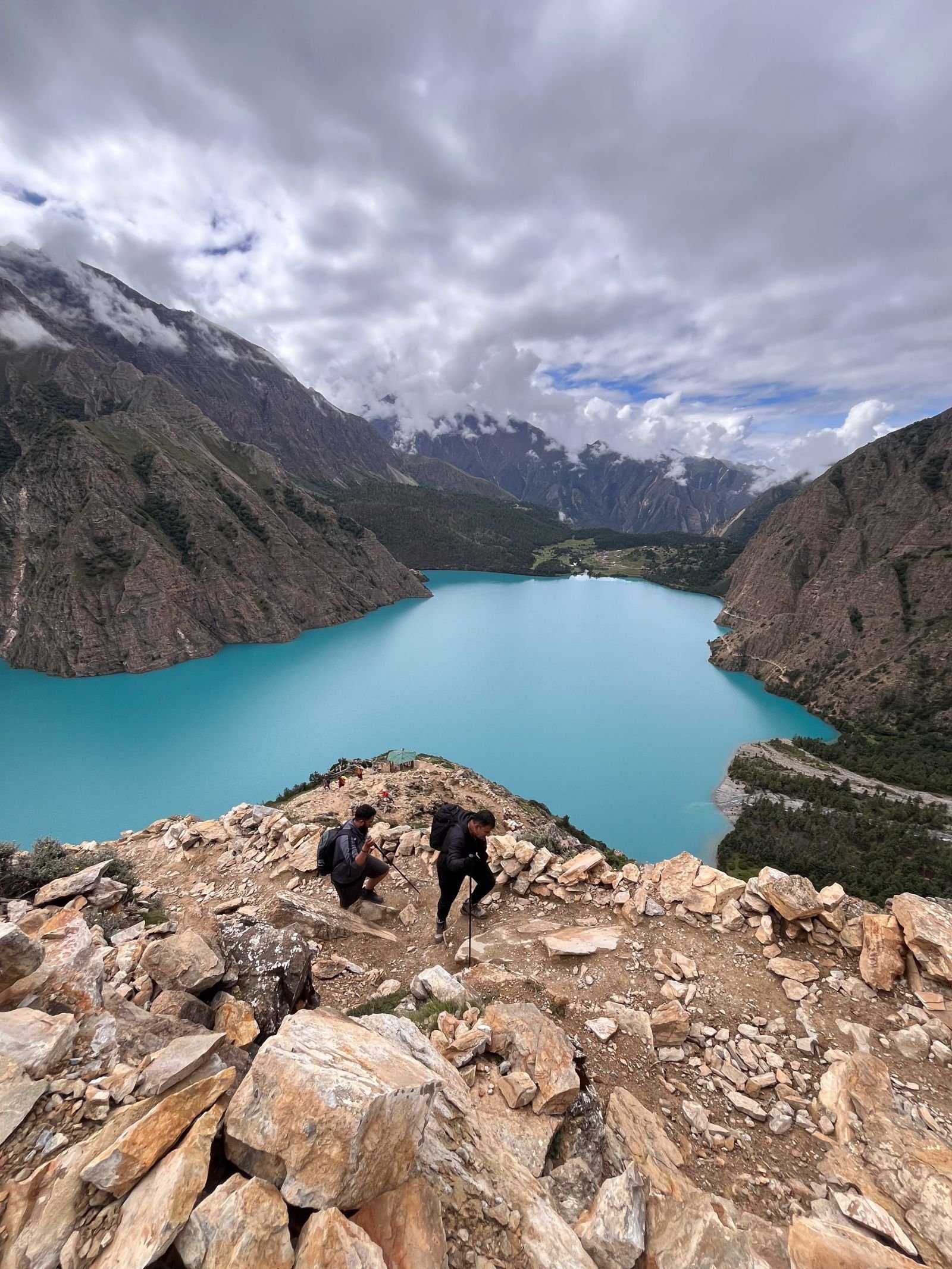
Nepal filming location context — NGO & Institutional Filming Permits in Nepal Media Reference

NGO and humanitarian filming in Nepal

International NGOs, UN agencies, development banks, and charitable foundations frequently document development outcomes, disaster response, healthcare, and education in Nepal.

Permit dossiers require integration with local partner organizations, recognition of project MoUs, and strict adherence to beneficiary safeguarding protocols.

Eligibility & Triggers

When this permit pathway applies

Target productions

Who this applies to

  • International NGOs and charity communications teams.
  • Production companies contracted by development institutions.
  • Educational foundations, grantmakers, and scientific research institutes.

Production triggers

When permission is likely needed

  • Documenting aid programmes, rural development sites, schools, or healthcare clinics.
  • Filming promotional donor appeal videos or annual accountability case studies.
  • Capturing beneficiary interviews in vulnerable or disaster-affected communities.
Approval Architecture

Approval layers you may be dealing with

Filming approvals in Nepal are structured across multiple administrative touchpoints. Understanding where decisions sit avoids unforced schedule slippage.

Central Government Filming Permit

Formal project approval issued on the basis of the development agency commission.

Local Partner & Municipality Clearance

Endorsement from the registered local executing NGO and local village/municipal ward.

Safeguarding & Consent Protocol

Mandatory verification of contributor and child protection consent standards.

Document Preparation

Documents commonly requested

Assemble these core materials early. Internal consistency between schedule, crew lists, and location plans is the single largest factor in a smooth review.

Agency Commission Letter

Official letter confirming the production is commissioned for institutional communications.

Local Partner Endorsement

Letter from the partner NGO in Nepal validating the filming locations and projects.

Crew & Equipment List

Passports of international videographers and technical equipment schedule.

Community Filming Itinerary

List of specific project sites, village wards, and interview dates.

Operational Workflow

How the process usually runs

From initial grid translation to on-ground amendments, we maintain an active record so your production office stays focused on shooting.

1

Institutional File Audit

Review commissioning brief and local partner documentation.

2

Ministry Lodgement

Submit application highlighting non-commercial development nature of the project.

3

Community Protocol Briefing

Ensure liaison officer and local ward offices are aligned on sensitive filming guidelines.

Jurisdictions

Authorities that may be involved

Which bodies are involved depends on where your schedule takes you and how many custodians it touches.

Ministry of Communication and Information Technology

Social Welfare Council (SWC)

Local Rural Municipality (Gaunpalika) offices

Planning Realities

What drives your timeline and cost

We do not publish speculative processing durations or unverified fee estimates. What we give you is the verified list of what actually moves your date and budget.

Schedule drivers

What drives your timeline

  • Speed of local partner NGO letter generation and municipal notifications.
  • Remoteness of rural project sites requiring local government clearances.

Budget drivers

What drives your cost

  • Statutory institutional filming fees.
  • Remote logistics and liaison officer travel allowances.
Risk Management

Additional permissions and risk flags

Where film schedules most often come apart in the field, and how to protect against them.

Beneficiary consent failure

Filming vulnerable individuals without documented consent risks immediate shutdown and NGO liability.

Clear Boundaries

What we handle, what we do not, what stays with you

Our commitment

What we handle

Permit filing, documentation review, liaison arrangements, and authority follow-up.

Strict boundaries

What we do not do

Execute programmatic evaluations or replace local NGO field coordination.

Production remit

What stays with you

Duty of care, safeguarding standards, informed consent records, and insurance.

Common Questions

Frequently asked questions

Government fees depend on the formal regulatory schedule, but institutional status helps clarify project intent.

Yes, local ward offices in rural districts should be notified and presented with the central permit.

Cross-References
Reviewer: Senior Permit Coordinator Last reviewed: 2026-09-11 Next review: 2027-03-11
Next step

Coordinate your institutional film in Nepal

Send your agency commission, project sites and target dates for an organized permit review.